


Quick Answer – Which LED Technology Should You Choose?
| Your Application | Recommended Technology | Why |
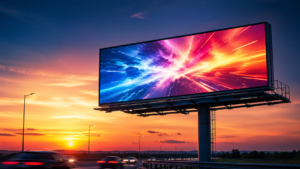
| Outdoor billboard | SMD (DIP for extreme distance) | High brightness, weatherproof |
| Indoor rental / events | SMD or COB | Good balance of cost and durability |
| High-end indoor / close viewing | COB | Seamless, protected, wide angle |
| Luxury retail / fine pitch | Mini-LED or COB | High resolution, premium image |
| Broadcast / control room | Micro-LED or COB | Ultimate image quality |
| Budget indoor signage | SMD | Most affordable |
The simple rule: SMD for most applications, COB for durability and close viewing, Mini/Micro-LED for premium resolution.
Part 1: LED Emission Technologies (Self-Emitting)
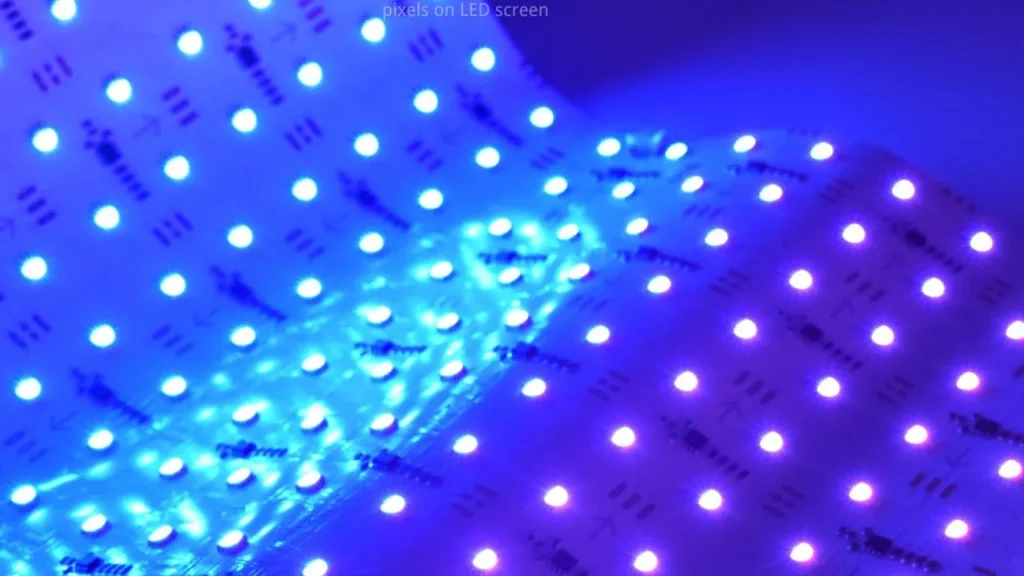
These displays do not need a backlight – each pixel emits its own light.
Comparison Table
| Technology | Pixel pitch range | Brightness | Contrast | Cost | Best for |
| SMD LED | 1.5mm – 10mm+ | Very high (5,000+ nits) | Good | $ | Most applications |
| COB LED | 0.9mm – 2.5mm | High (1,500-3,000 nits) | Very good | $$ | Indoor, close viewing, touch |
| DIP LED | 6mm – 20mm+ | Highest (6,000+ nits) | Fair | $ | Long-distance outdoor |
| Mini-LED | 0.5mm – 1.5mm | High | Excellent | $$$ | Premium indoor, fine pitch |
| Micro-LED | 0.1mm – 0.9mm | Very high | Excellent | $$$$ | Luxury, broadcast, command centers |
| OLED | 0.1mm – 0.3mm | Medium (500-1,000 nits) | Perfect black | $$$$ | TVs, museums, high-end retail |
Part 2: Detailed Technology Breakdown
1. SMD (Surface-Mount Device)
What it is: LED chips are mounted directly onto the surface of the PCB.
How it works: Each LED chip is packaged in a small plastic housing with built-in reflectors. The three colors (red, green, blue) are combined in one package.
Key characteristics:
| Factor | Details |
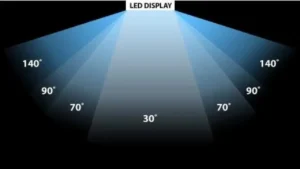
| Viewing angle | 140°-160° |
| Typical pixel pitch | P1.5 – P10+ |
| Brightness | 1,000-6,000+ nits |
| Protection | Minimal (chips exposed) |
| Repair | Replace individual modules |
Best for:
- Outdoor billboards
- Indoor rental and events
- Retail signage
- Most general applications
Pros:
- Most affordable
- Widely available
- Good brightness
- Easy to repair
Cons:
- Chips are exposed (can be damaged by touch or impact)
- Dust can accumulate between pixels
- Cleaning requires care
2. COB (Chip-on-Board)
What it is: Multiple LED chips are mounted directly onto the PCB and covered with a protective epoxy layer.
How it works: Instead of individual packages, many chips are embedded in a transparent resin, creating a smooth, continuous surface.
Key characteristics:
| Factor | Details |
| Viewing angle | 170°-180° |
| Typical pixel pitch | P0.9 – P2.5 |
| Brightness | 1,000-2,500 nits |
| Protection | Excellent (epoxy coating) |
| Repair | Replace entire module |
Best for:
- High-end indoor displays
- Museum exhibits (touch-safe)
- Retail (close viewing)
- Rental screens (durability)
Pros:
- Impact-resistant
- Waterproof (IP65 capable)
- Dust-proof
- Easy to clean
- Wide viewing angle
Cons:
- Higher cost than SMD
- Lower brightness than SMD
- Cannot repair individual pixels
3. DIP (Dual In-Line Package)
What it is: Traditional LED packaging where individual LED lamps are inserted through holes in the PCB.
How it works: Each red, green, and blue LED is a separate bulb mounted through the circuit board.
Key characteristics:
| Factor | Details |
| Viewing angle | 110°-130° |
| Typical pixel pitch | P6 – P20+ |
| Brightness | Highest (6,000-10,000+ nits) |
| Protection | Good (encapsulated bulbs) |
| Repair | Replace individual bulbs |
Best for:
- Long-distance outdoor billboards
- Highway signs
- Stadium screens (far viewing)
Pros:
- Very high brightness
- Durable outdoor construction
- Good for extreme viewing distances
Cons:
- Lower resolution (larger pixel pitch)
- Narrower viewing angle
- Thicker cabinets
4. Mini-LED vs Micro-LED
| Factor | Mini-LED | Micro-LED |
| LED size | 100-200 microns | < 100 microns (often < 50) |
| Pixel pitch | 0.5mm – 1.5mm | 0.1mm – 0.9mm |
| Resolution | 4K capable | 4K, 8K capable |
| Brightness | High | Very high |
| Contrast | Excellent | Excellent |
| Cost | High | Very high |
| Best for | Premium TVs, fine pitch | Luxury displays, command centers |
Key difference: Micro-LED uses individual pixels that are each self-contained, allowing for true modularity and seamless splicing. Mini-LED is typically a backlight technology for LCDs, but also refers to very small direct-view LED chips.
5. OLED (Organic LED)
What it is: Each pixel uses organic compounds that emit light when electricity passes through them.
Key characteristics:
| Factor | Details |
| Pixel pitch | 0.1mm – 0.3mm |
| Brightness | 500-1,000 nits |
| Black level | Perfect black (pixels turn off) |
| Viewing angle | 170°+ |
| Lifespan | 50,000-70,000 hours (burn-in risk) |
Best for:
- High-end televisions
- Museum displays
- Broadcast studios
- Premium retail
Pros:
- Perfect blacks
- Infinite contrast ratio
- Wide viewing angle
- Very thin
Cons:
- Risk of burn-in
- Lower brightness than LED
- Shorter lifespan than inorganic LED
6. LED Backlight Technologies (For LCD Screens)
These are not direct-view LED displays, but common in TVs and monitors.
| Technology | How it works | Best for |
| Edge LED | LEDs around the screen edge | Thin laptops, tablets, budget TVs |
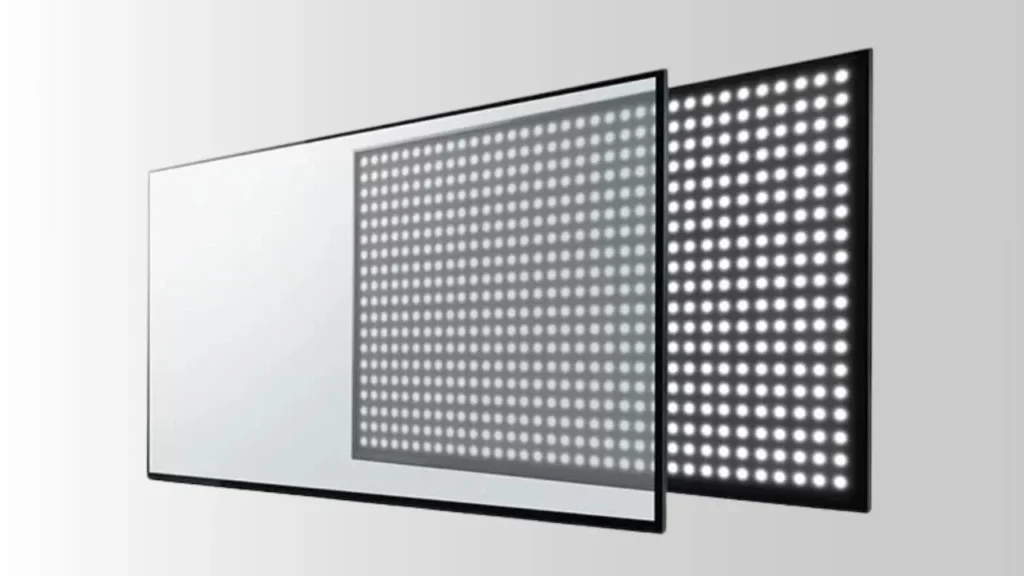
| Direct LED (Full Array) | LEDs behind entire screen | Standard TVs |
| FALD (Full Array Local Dimming) | Zones independently controlled | Mid-range to premium TVs |
| Mini-LED Backlight | Very small LEDs, many dimming zones | Premium TVs |
Note: These are backlights for LCDs – not the same as direct-view LED displays.
Part 3: Key Technology Features Explained
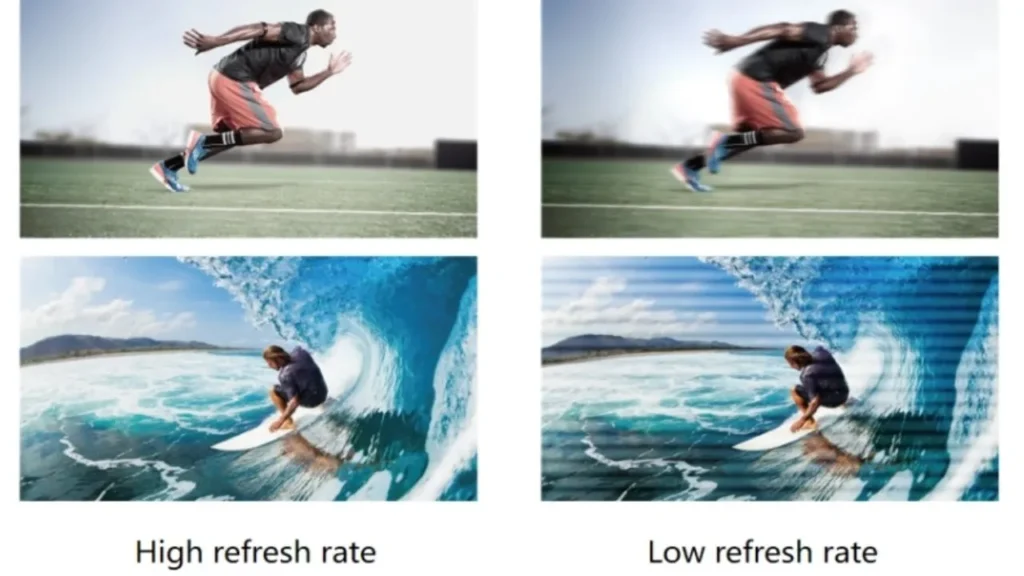
Refresh Rate
| Refresh rate | Best for | Notes |
| 60Hz | Standard content | Basic TV, signage |
| 120Hz | Sports, gaming | Smoother motion |
| 144Hz-240Hz | High-end gaming | Competitive gaming |
| 1,920-3,840Hz | LED displays | Camera-friendly (no flicker) |
Dimming Technologies
| Technology | How it works | Effect |
| PWM (Pulse-Width Modulation) | Rapidly turns LEDs on/off | Can cause eye strain for sensitive users |
| DC Dimming | Reduces current continuously | Smoother, more comfortable |
Heat Dissipation
| Method | Used for | Importance |
| PCB heat spread | Small screens (TVs, monitors) | Standard |
| Heatsinks | Medium screens | Good |
| Fans | Large outdoor displays | Critical |
| AC cooling | Extreme outdoor | High-end |
Part 4: How to Choose by Your Role
If You Are a System Integrator
| Priority | What to consider |
| 1 | Size, thickness, and installation method |
| 2 | Refresh rate, pixel pitch, resolution by scenario |
| 3 | Heat dissipation and LED lifespan (50,000-100,000 hours) |
If You Are a Brand Owner
| Priority | What to consider |
| 1 | Customer needs – high-end vs budget |
| 2 | Advanced technologies for premium positioning |
| 3 | Balance between cost and performance |
If You Are a Distributor
| Priority | What to consider |
| 1 | Low-cost screens = larger market, lower risk |
| 2 | Advanced tech = higher margin, higher risk |
| 3 | Assess customer needs before bulk ordering |
If You Are Buying for Your Company
| Priority | What to consider |
| 1 | Requirements and budget |
| 2 | Size, resolution, brightness, thickness |
| 3 | Installation method – work with manufacturer |
Part 5: Emerging Technologies
Flexible LED Screens
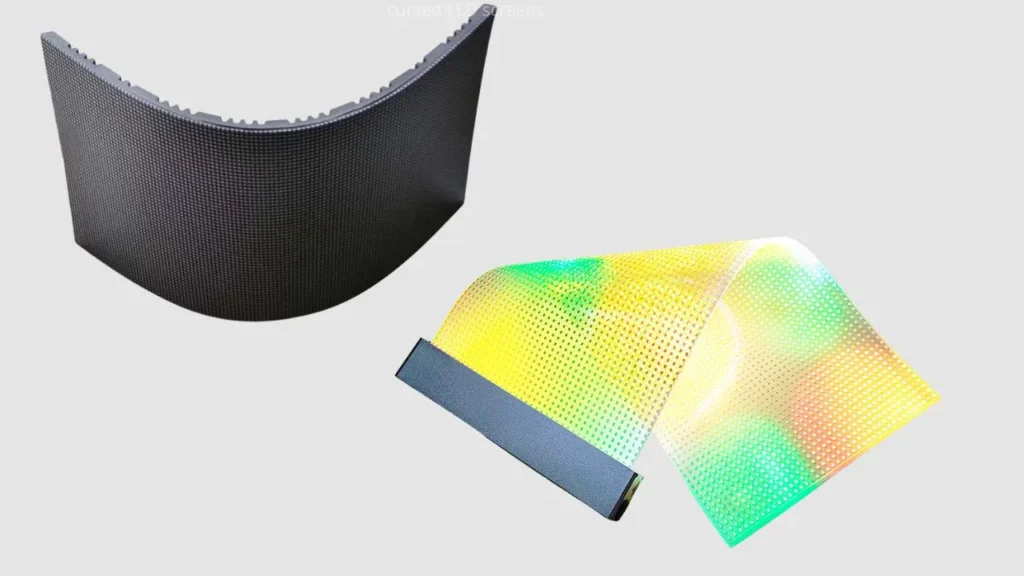
| Feature | Details |
| Technology | OLED, Micro-LED, or Mini-LED on FPCB |
| Benefits | Bendable, rollable, foldable |
| Cost | Higher than rigid |
| Best for | Creative installations, curved displays |
Transparent LED Screens
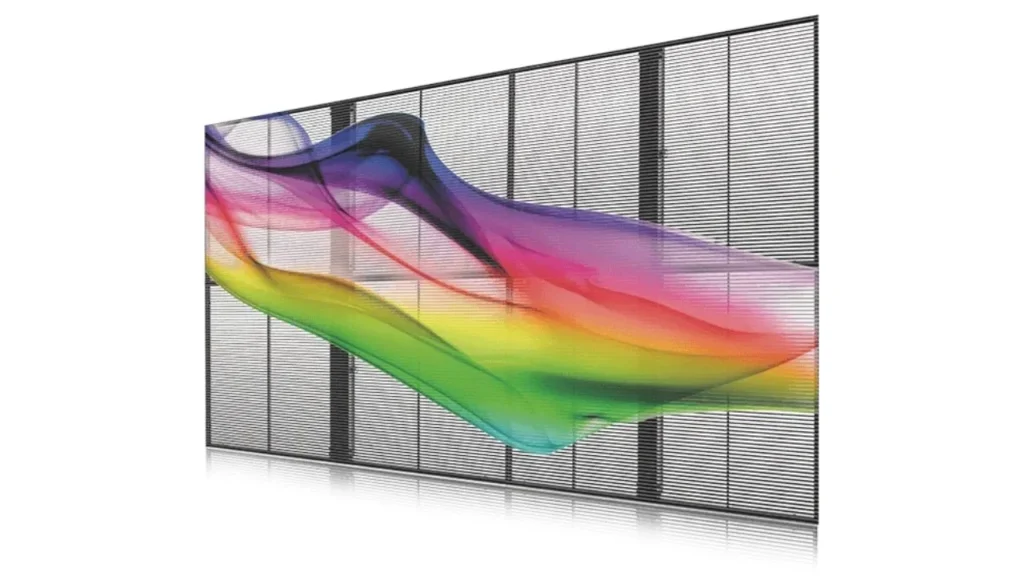
| Feature | Details |
| Transparency | 30-80% |
| Technology | Self-emissive LEDs with gaps between pixels |
| Cost | Much higher than standard |
| Best for | Shopping mall windows, exhibition halls |
Touch Technology
| Type | Best for |
| Capacitive | Smartphones, tablets (high sensitivity) |
| Resistive | Industrial, gloves (durable) |
| Infrared | Large displays (scalable) |
Intelligent Control
| Feature | Benefits |
| Remote operation | Turn on/off, change content from anywhere |
| Scheduling | Program content in advance |
| Brightness adjustment | Auto-dimming based on ambient light |
Part 6: Benefits of LED Technology Innovation
| Benefit | What it means for you |
| More realistic scenes | Higher resolution, faster refresh, better color |
| Thinner screens | Easier to handle, less space |
| More energy-efficient | Zone dimming reduces power consumption |
| Lower prices | Advanced manufacturing lowers costs |
| More scenarios | HDR for sunlight, smart control for city-wide networks |
Part 7: Cost Components of an LED Display
| Cost Component | What it includes |
| Hardware | LED chips, PCB, driver IC, power supply, cables |
| Manufacturing | Soldering, calibration, testing |
| R&D | Circuit design, structural design |
| Additional | Logistics, packaging, sales, marketing |
Our LED Displays
At IvanLED, we manufacture all major LED technologies:
- SMD displays – Most applications, best value
- COB displays – High-end indoor, touch-safe, durable
- Custom sizes and shapes – Curved, round, folding
- Pixel pitches – P0.6 to P20
- Indoor and outdoor – IP65 available
- 1-year warranty
Tell us your application, viewing distance, and budget. We will recommend the right technology and provide a free quote.
Frequently Asked Questions
Q: What is the difference between SMD and COB LED?
SMD has exposed LED chips and is best for outdoor or standard indoor use. COB has a protective epoxy coating, making it waterproof, impact-resistant, and easier to clean. COB is more expensive but better for close viewing and high-traffic areas.
Q: Which LED technology is best for outdoor billboards?
For most outdoor billboards, SMD is the best choice. It offers high brightness (5,000-6,000+ nits) and good weather resistance. For very long viewing distances (highway signs), DIP offers even higher brightness but lower resolution.
Q: What is the lifespan of different LED technologies?
SMD and COB: 100,000+ hours. DIP: 100,000+ hours. OLED: 50,000-70,000 hours (burn-in risk). Mini/Micro-LED: 100,000+ hours. Quality of components (LED brand, power supply) significantly affects actual lifespan.
Q: What installation methods are available for LED screens?
Fixed installation (wall or floor), suspended (hanging), mobile (rental with wheels), and custom for non-standard shapes. Your choice depends on application and venue.
Q: Does IvanLED offer all these technologies?
Yes. We manufacture SMD, COB, and fine-pitch LED displays. We also offer custom shapes (curved, round, folding). For OLED or Micro-LED, we can recommend trusted partners.
Q: What warranty do IvanLED displays have?
1-year warranty against manufacturing defects. We also provide technical support and spare parts.