








What Is a Viewing Angle?
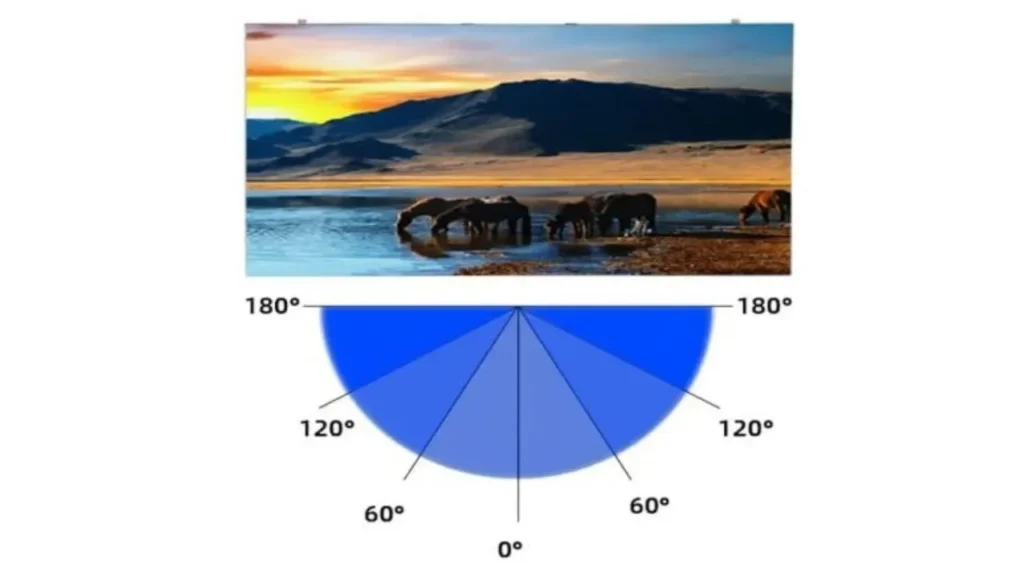
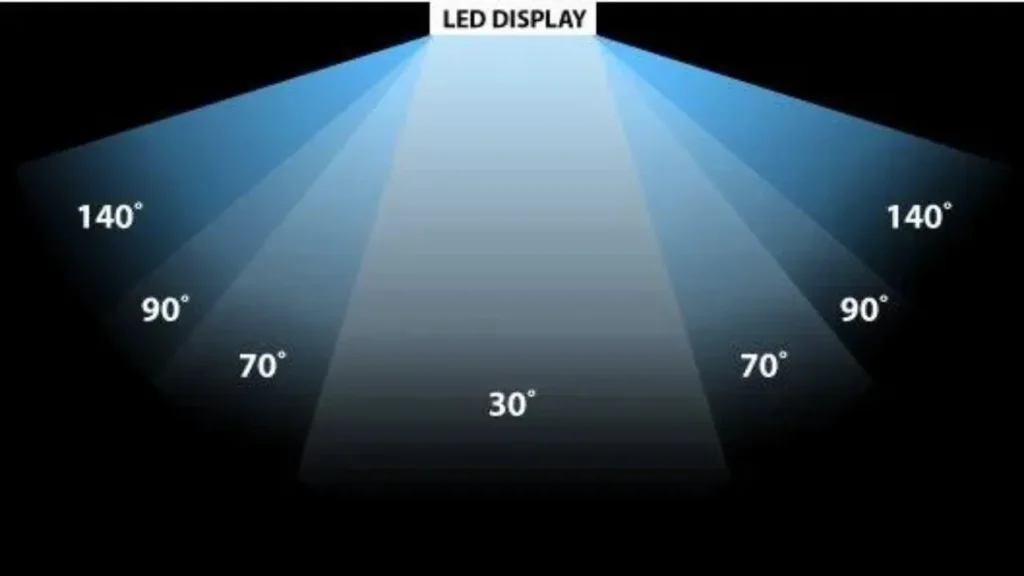
Technical definition: The maximum angle from center at which a display can be viewed without noticeable color shift or brightness loss.
Plain English: How far to the side can you stand and still see the screen clearly?
| Angle from center | What you see |
| 0° (dead center) | Perfect image |
| 30° to side | Still good |
| 60° to side | Starting to fade |
| 80°+ to side | Probably unreadable |
The industry standard: Most quality LED displays offer 140°-170° total viewing angle (70°-85° to each side).
Why Viewing Angle Matters for Your Project
For Fixed Installations (Malls, Airports, Lobbies)
Your audience moves. They walk past from different directions. They sit in different seats.
If viewing angle is too narrow:
- People at the edges see washed-out colors
- Text becomes unreadable
- Your message is missed
What to look for: 160°+ horizontal viewing angle
For Rental Screens (Events, Concerts, Weddings)
Every seat is a different angle. The left side. The right side. The front row looking up. The back row looking from far away.
If viewing angle is too narrow:
- Guests on the sides complain they cannot see
- Sponsors are unhappy with their ad visibility
- You get bad reviews
What to look for: 160°+ horizontal AND 140°+ vertical
For Outdoor Billboards
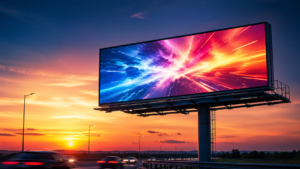
Most viewers see billboards from an angle – driving past, not stopped in front.
If viewing angle is too narrow:
- Drivers see a dim, faded image as they approach
- By the time they are in front, they have already passed
- Your ad spend is wasted
What to look for: 140°+ horizontal (wide enough for approach angle)
For Churches and Auditoriums
Seating is wide. Balconies are high. The front row looks up. The back row looks straight.
If viewing angle is too narrow:
- Side sections lose color accuracy
- Balcony viewers see dark images
- Your congregation is distracted
What to look for: 160° horizontal + 120°+ vertical
Factors That Affect Viewing Angle
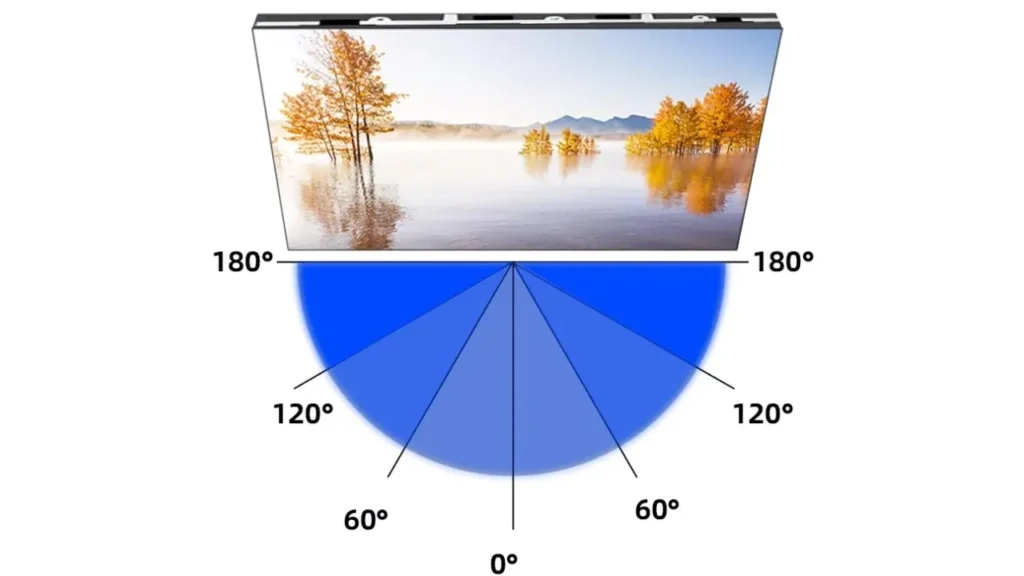
1. LED Package Type (SMD vs COB vs DIP)
| Package | Viewing Angle | Best for |
| SMD | 140°-160° | Most indoor and outdoor applications |
| COB | 160°-180° | Close viewing, ultra-wide coverage |
| DIP | 110°-130° | Long-distance outdoor (brightness prioritized) |
SMD (Surface Mount Device) is the industry standard for most applications. It offers good balance of viewing angle, brightness, and cost.
COB (Chip on Board) offers the widest viewing angles but at higher cost. Best for museums, retail, and close viewing.
DIP (Dual In-line Package) has narrower angles but higher brightness. Best for long-distance outdoor billboards where everyone is far away.
2. Pixel Pitch
| Pixel pitch | Effect on viewing angle |
| Small (P2.5-P3.9) | Better viewing angle (light blends well) |
| Large (P6-P10) | Narrower effective angle (gaps become visible from side) |
Why? With smaller pixel pitch, pixels are closer together. Light blends from multiple angles. With larger pitch, gaps between pixels become visible when viewed from the side.
3. Surface Mask
The black mask between LEDs affects glare and light diffusion.
Good mask design:
- Reduces glare from ambient light
- Improves contrast from all angles
- Makes text readable from sides
Poor mask design:
- Increases glare
- Reduces color accuracy off-center
- Makes the screen look washed out
4. Brightness and Calibration
| Brightness | Effect on viewing angle |
| Too high | Glare from sides, washed out at angles |
| Too low | Dim at center, invisible from sides |
| Properly calibrated | Consistent from center to edge |
Horizontal vs. Vertical Viewing Angle
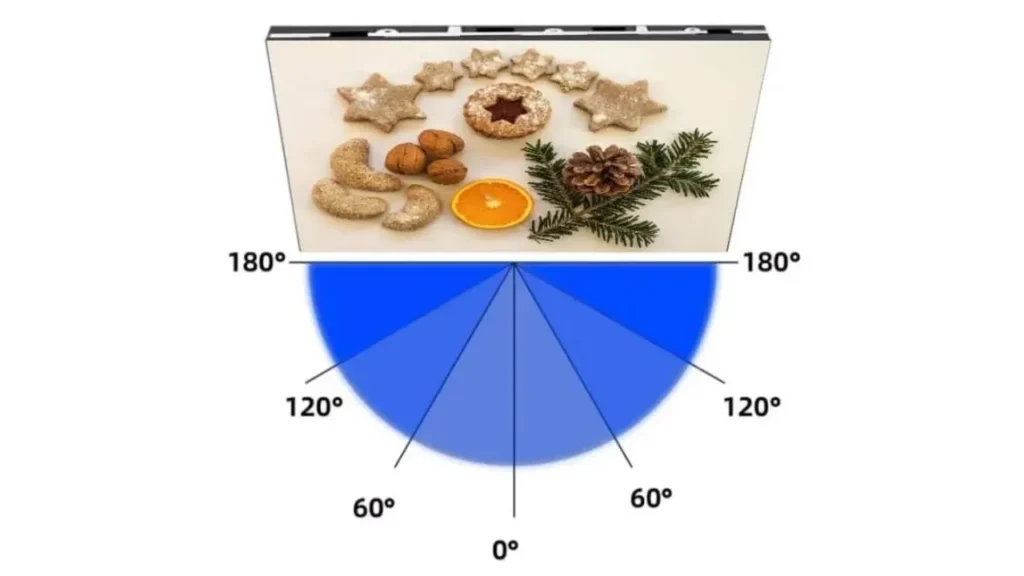
Horizontal Viewing Angle
Left to right. Most important for:
- Wide rooms
- Auditoriums
- Any space where people sit spread out
Recommendation: 140° minimum, 160° ideal
Vertical Viewing Angle
Up and down. Most important for:
- High-mounted screens (lobbies, stadiums)
- Floor-mounted screens (events, trade shows)
- Multi-level seating (balconies)
Recommendation: 120° minimum, 140° ideal
Quick Reference: Viewing Angle by Application
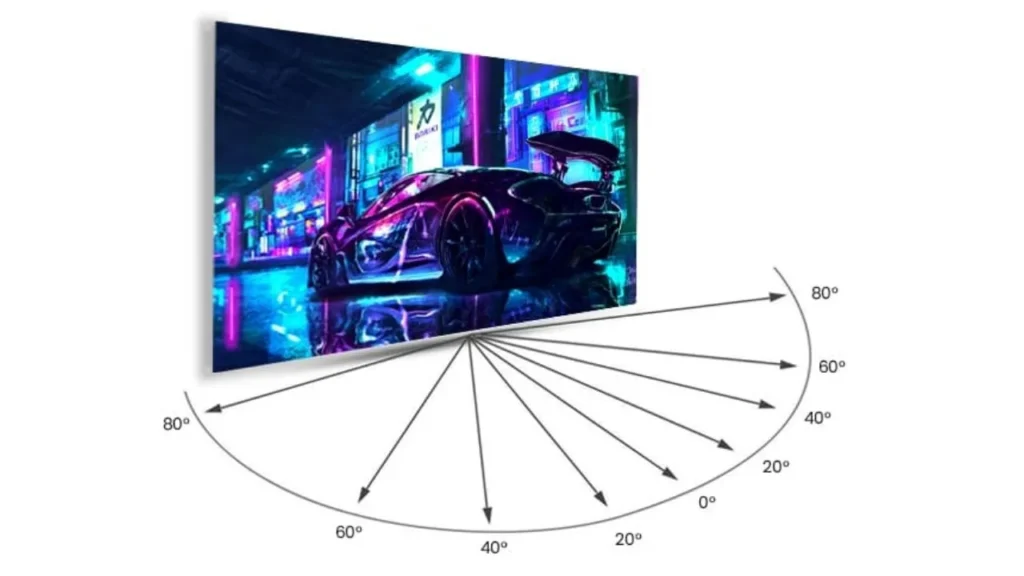
| Application | Horizontal | Vertical | Why |
| Shopping mall lobby | 160°+ | 120°+ | People walk past from all directions |
| Airport terminal | 160°+ | 120°+ | Wide walkways, high ceilings |
| Church sanctuary | 160°+ | 140°+ | Wide seating, balconies |
| Concert stage | 160°+ | 140°+ | Audience spreads left to right |
| Outdoor billboard | 140°+ | N/A | Drivers approach at angle |
| Rental events | 160°+ | 140°+ | Every seat matters |
| Conference room | 170°+ | 120°+ | Close viewing, edge seats |
| Museum exhibit | 170°+ | 140°+ | Close viewing, walk-around |
What Happens with Poor Viewing Angle?
| Problem | What you see | Business impact |
| Color shift | Whites look pink; colors change | Content looks unprofessional |
| Brightness drop | Screen gets dark from sides | People miss your message |
| Image washout | Looks faded, low contrast | Hard to read text or logos |
| Eye strain | Viewers squint to see | People leave the area |
How to Choose the Right Viewing Angle
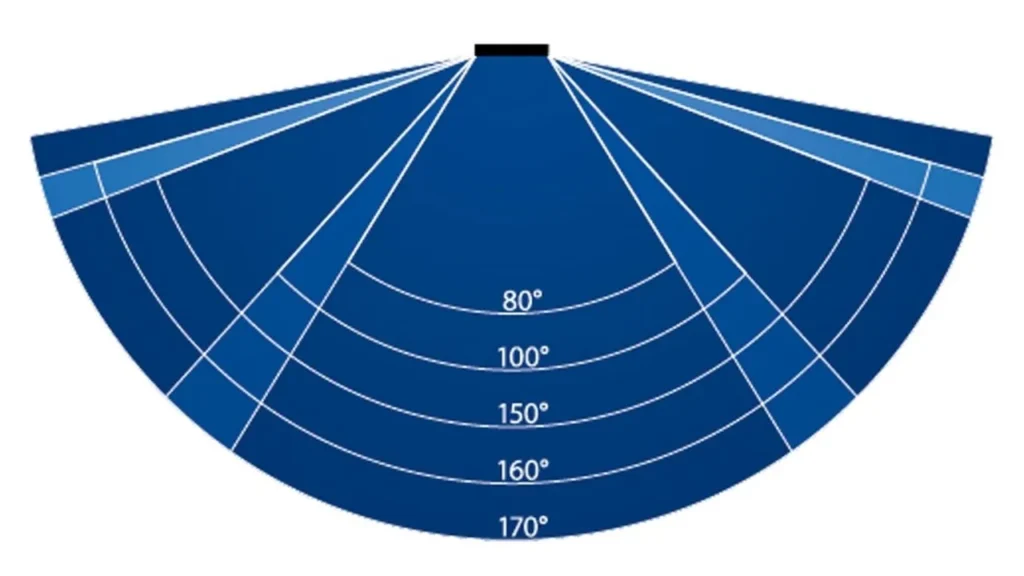
Step 1: Map Your Audience
Ask yourself:
- Where will people stand/sit?
- What is the farthest angle from center?
- Are there balconies or high mounting points?
Step 2: Consider Your Mounting Height
| Mounting height | Vertical angle priority |
| Eye level (1.5-2m) | Low (people look straight) |
| High (3-6m) | High (people look up) |
| Very high (6m+) | Very high (need wide vertical) |
Step 3: Choose Your LED Package
| Package | When to choose |
| SMD | Most applications – best balance |
| COB | Ultra-wide needed, close viewing |
| DIP | Long-distance outdoor only |
Step 4: Verify with Your Supplier
Ask your supplier for:
- Viewing angle spec sheet (should show brightness at different angles)
- Real photos from side angles (not just center shots)
- References from similar installations
Testing Viewing Angle (What Suppliers Should Do)
Professional manufacturers test viewing angles using:
| Tool | What it measures |
| Goniometer | Brightness at different angles |
| Colorimeter | Color accuracy at different angles |
| Camera-based system | Full angle performance map |
What to ask your supplier: “Can you provide viewing angle test data for this product?”
If they cannot, be careful. Quality manufacturers test and document angle performance.
Our LED Displays for Every Application
At IvanLED, we manufacture LED displays with optimized viewing angles for every use case:
- SMD technology – 160° horizontal viewing angle for most applications
- COB available – 170°+ for museums, retail, and close viewing
- Consistent calibration – stable color and brightness from center to edge
- 1-year warranty – peace of mind included
Our displays are used in malls, airports, churches, rental events, and outdoor billboards across Mexico and many other countries.
FAQs
Q: What is a good viewing angle for most applications?
A: 160° horizontal and 140° vertical is ideal for most indoor and rental applications.
Q: Does wider viewing angle mean lower brightness?
A: Slightly, but modern SMD and COB technology minimizes the trade-off. Quality displays balance both.
Q: Can I improve viewing angle after installation?
A: Minor improvements through calibration, but the hardware design determines the maximum. Choose correctly upfront.
Q: What viewing angle do I need for outdoor billboards?
A: 140° horizontal is usually sufficient. Drivers approach at an angle, not from the far sides.
Q: Which LED package has the widest viewing angle?
A: COB (Chip on Board) offers the widest, up to 180°. SMD is next at 140°-160°.
Q: Do you offer viewing angle test data?
A: Yes. Contact us for spec sheets and test reports for our SMD and COB displays.
Conclusion
Viewing angle is not just a technical spec. It is a business decision.
Poor viewing angle =
- Wasted ad spend (people cannot see your message)
- Unhappy event guests (side seats have bad views)
- Unprofessional appearance (color shifts, dark edges)
Good viewing angle =
- Every seat has a clear view
- Your message reaches everyone
- Professional appearance from any angle
Before you buy any LED display, ask about viewing angle. Test it. Verify it. Your audience will thank you.
Get a Quote for Your LED Display
Ready to buy an LED display with the right viewing angle for your project?
At IvanLED, we manufacture LED displays for:
- Shopping malls and airports
- Churches and auditoriums
- Rental and staging events
- Outdoor billboards
- Museums and retail
Tell us your application, mounting height, and audience layout. We will recommend the optimal viewing angle and provide a free quote within 24 hours.