








LED Screen For Sport
The sports field has always had a stable and directional audience. In the digital advertising era, the sports field has attracted many advertisers; LED display has become the digital advertising era’s carrier
Why Sports Venues Are Switching to LED Display
| Feature | LED Screen | Traditional Scoreboard | LCD Display |
| Brightness | 4,000-6,000+ nits | 1,000-2,000 nits | 300-700 nits |
| Sunlight visibility | Excellent | Poor | None |
| Refresh rate | 1,920-3,840 Hz | 60-120 Hz | 60 Hz |
| Video playback | Smooth, no ghosting | Poor | Limited |
| Lifespan | 100,000+ hours | 50,000 hours | 50,000 hours |
| Weatherproof | Yes (IP65) | Limited | No |
The bottom line: For any sports venue with outdoor games or bright lighting, LED screens are the only choice that delivers professional-grade performance.
5 Reasons Sports Venues Choose LED Screens
1. Sunlight Visibility – No More Washing Out
Outdoor stadiums face direct sunlight. Traditional scoreboards become unreadable. LED screens reach 4,000-6,000+ nits of brightness – visible even at noon on a sunny day.
Best for: Outdoor stadiums, baseball parks, football fields, racetracks.
2. Smooth Motion – Perfect for Instant Replay
LED screens offer 1,920-3,840 Hz refresh rates – that is 30-60 times faster than traditional displays. Fast-moving sports (basketball, hockey, soccer) look smooth with no ghosting or blur.
Best for: Instant replay, live action, slow-motion playback.
3. Dual Purpose – Scoreboard + Advertising
One LED screen can do it all:
Display scores and stats
Show instant replay
Run sponsor ads
Play hype videos
Show fan cams
Revenue potential: Sell ad time between plays. Many stadiums earn $10,000 – $100,000+ per game from LED screen advertising.
Best for: Any venue looking to maximize revenue.
4. Weatherproof – Rain, Snow, Heat
Outdoor LED screens come with IP65 rating – completely dust-tight and protected against low-pressure water jets. Rain, snow, and humidity won’t damage them.
Best for: Outdoor stadiums, open-air arenas, multi-purpose fields.
5. Seamless Splicing – Any Size, Any Shape
LED screens are modular. Connect multiple panels to create any size or shape – from a small 2m x 1m scoreboard to a massive 30m x 10m video wall. Curved, ribbon, or custom shapes available.
Best for: Center-hung scoreboards, ribbon boards, perimeter displays.
Types of Sports LED Screens
Scoreboard LED Screen
| Feature | Description |
| Purpose | Display scores, time, stats, player info |
| Typical size | 2m x 1m – 10m x 5m |
| Pixel pitch | P6 – P10 (far viewing distance) |
| Brightness | 4,000-6,000+ nits |
| Best for | Baseball, football, soccer, basketball |
Video Wall / Replay Screen
| Feature | Description |
| Purpose | Instant replay, live action, sponsor ads |
| Typical size | 5m x 3m – 30m x 10m |
| Pixel pitch | P3.9 – P6 |
| Brightness | 4,000-6,000+ nits |
| Best for | Large stadiums, arenas, professional sports |
Ribbon Board
| Feature | Description |
| Purpose | Scrolling ads, stats, animations |
| Typical size | Long, narrow strips (e.g., 30m x 0.5m) |
| Pixel pitch | P6 – P10 |
| Brightness | 4,000-6,000+ nits |
| Best for | Basketball arenas, hockey rinks, soccer stadiums |
Perimeter Display
| Feature | Description |
| Purpose | Digital advertising around the field |
| Typical size | 50m – 200m long, 0.5m – 1m high |
| Pixel pitch | P10 – P16 |
| Brightness | 5,000-6,000+ nits |
| Best for | Soccer, rugby, football fields |
Where Does The LED Screen Used For Sport
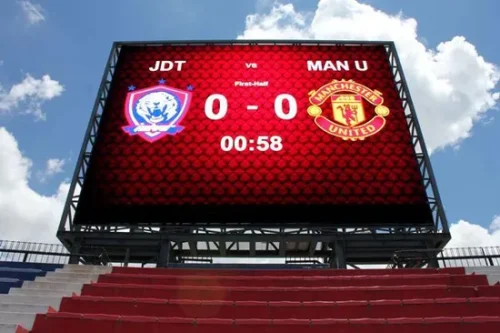
LED Scoreboard
LED scoreboards have evolved from simply displaying scores to becoming central hubs for both information and entertainment, playing a pivotal role in shaping the overall fan experience. Beyond presenting basic scoring updates, these screens now offer instant replays, detailed player statistics, and even interactive features designed to engage the fans.
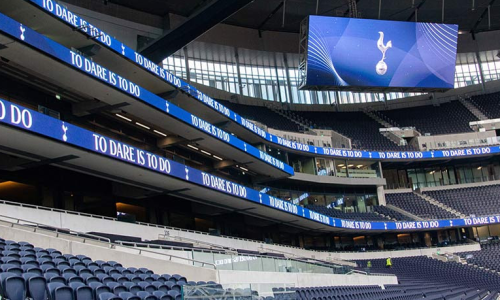
LED Ribbon Display
Concourse Screens
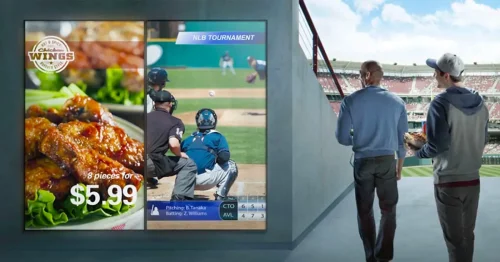
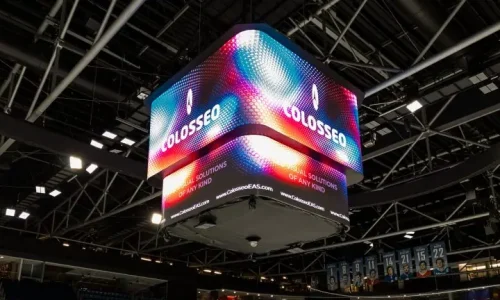
Cube LED Screens
The cube LED screens are suspended in the center or at various strategic points within the stadium, offering a comprehensive 360-degree viewing angle. Equipped with lift adjustment functions, they allow for vertical movement to optimize viewing for displaying advertisements, providing real-time scores, and broadcasting live game feeds, providing clear views to fans.
How to Choose the Right LED Screen for Your Sports Venue
Step 1: What Sport? What Venue Size?
| Venue Type | Recommended Screen Types | Typical Total Investment |
| High school field | Scoreboard + small video wall | $10,000 – $30,000 |
| College stadium | Scoreboard + video wall + ribbon board | $30,000 – $150,000 |
| Professional arena | Multiple video walls + ribbon boards + perimeter | $150,000 – $1,000,000+ |
Step 2: What Pixel Pitch?
Pixel pitch = distance between LEDs (in millimeters). For sports, larger pitch is fine because viewers are far away.
| Pixel Pitch | Best Viewing Distance | Best for |
| P3.9 – P4.8 | 4 – 15 meters | Close seating, lower level |
| P6 – P8 | 6 – 25 meters | Mid-level seating |
| P10 – P16 | 10 – 50+ meters | Upper decks, outfield, far seating |
For most stadiums, P6 or P8 offers the best balance of cost and quality.
Step 3: Refresh Rate – Critical for Sports
| Refresh Rate | Best for | Notes |
| 1,920 Hz | Standard sports, scoreboards | Good for most applications |
| 2,880 Hz | Fast sports (basketball, hockey) | Better motion clarity |
| 3,840 Hz | Professional broadcast, slow-mo | Best for TV replay |
Recommendation: Choose 2,880 Hz or higher for any venue that will show instant replay.
LED Screen vs. Traditional Scoreboard: ROI Comparison
| Factor | LED Screen | Traditional Scoreboard |
| Initial cost | Higher | Lower |
| Ad revenue potential | $10k-100k+/game | $0 – limited |
| Fan experience | Excellent | Poor |
| Sponsor appeal | High (dynamic ads) | Low (static) |
| Maintenance cost | Low | Medium |
| Lifespan | 100,000+ hours | 50,000 hours |
| 5-year total cost | Lower (due to ad revenue) | Higher |
Verdict: While LED screens cost more upfront, the ad revenue and sponsor appeal make them a better long-term investment.
How Much Does a Sports LED Screen Cost?
Prices for 2026 (estimate):
| Type | Size | Pixel Pitch | Estimated Cost |
| High school scoreboard | 3m x 2m | P10 | $5,000 – $10,000 |
| Small video wall | 4m x 3m | P6 | $15,000 – $25,000 |
| College scoreboard + video | 6m x 4m | P6 – P8 | $30,000 – $60,000 |
| Professional video wall | 10m x 6m | P4.8 – P6 | $80,000 – $150,000 |
| Ribbon board (per meter) | 30m x 0.5m | P10 | $500 – $800/meter |
| Perimeter display (per meter) | 100m x 0.5m | P10 – P16 | $400 – $700/meter |
Note: These are estimates. Final price includes controller, cables, structure, and shipping.
Sports LED screens FAQ
1. Does the LED display in the sports venue support remote control?
LED displays in sports venues support remote control. Through specialized control systems and software, administrators can remotely update content, adjust parameters, control brightness, etc., which not only improves management efficiency but also reduces costs and facilitates rapid response in emergencies.
2. What size should the LED display for an outdoor stadium be?
The outdoor stadium LED display size needs to be comprehensively considered based on the stadium size, number of spectators, viewing distance, and budget. You can communicate with us to customize the appropriate size to ensure visual effects and cost-effectiveness.
3. How do you choose the pixel pitch of LED displays in different sports venues?
When choosing the pixel pitch of LED screens in sports venues, you need to consider viewing distance, application scenarios, and costs. If the demand for high definition is high, choose small and large spaces for outdoor advertising. You can communicate with us to customize the appropriate spacing to ensure optimal effects and costs.
4. What is the viewing angle of the LED display in outdoor sports venues?
The viewing angles of LED displays in outdoor sports venues are usually larger. Generally, the horizontal and vertical viewing angles can reach more than 140 degrees, ensuring viewers can see clearly at different angles. However, it should be noted that in addition to the viewing angle, parameters such as brightness and resolution also need to be considered.
Still have some questions?
For Stadiums: LED That Performs
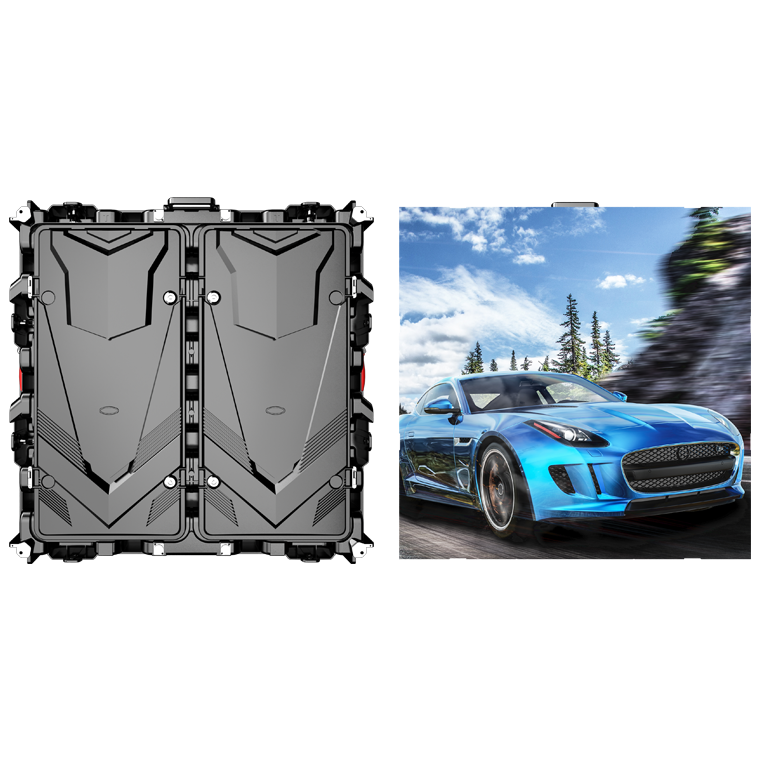
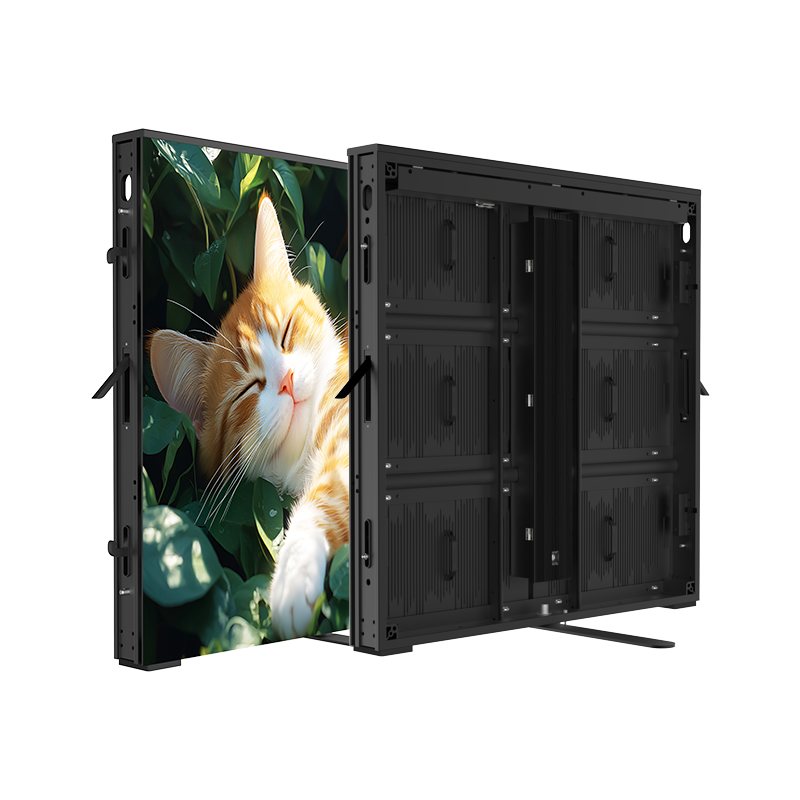
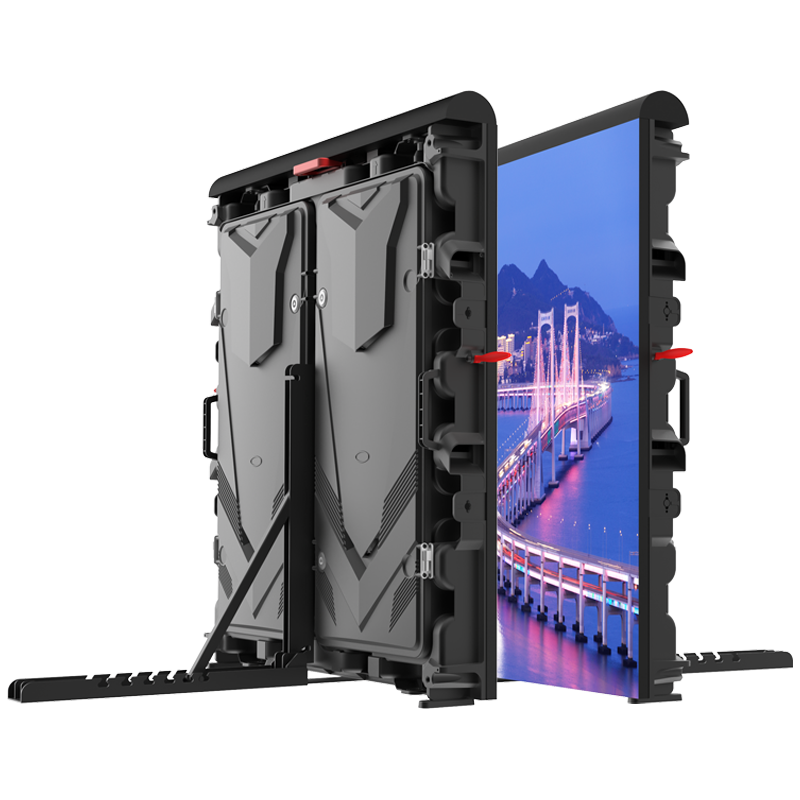
Front/Rear Maintenance
P4.44/P5.7/P6.67/P8/P10
SECTION HOUSING
Indoor/Outdoor
Front/Rear Maintenance
P2.5/P3.076/P4/P5/P5.926/P6.667/P8/P10
Iron or Alu
Indoor/Outdoor

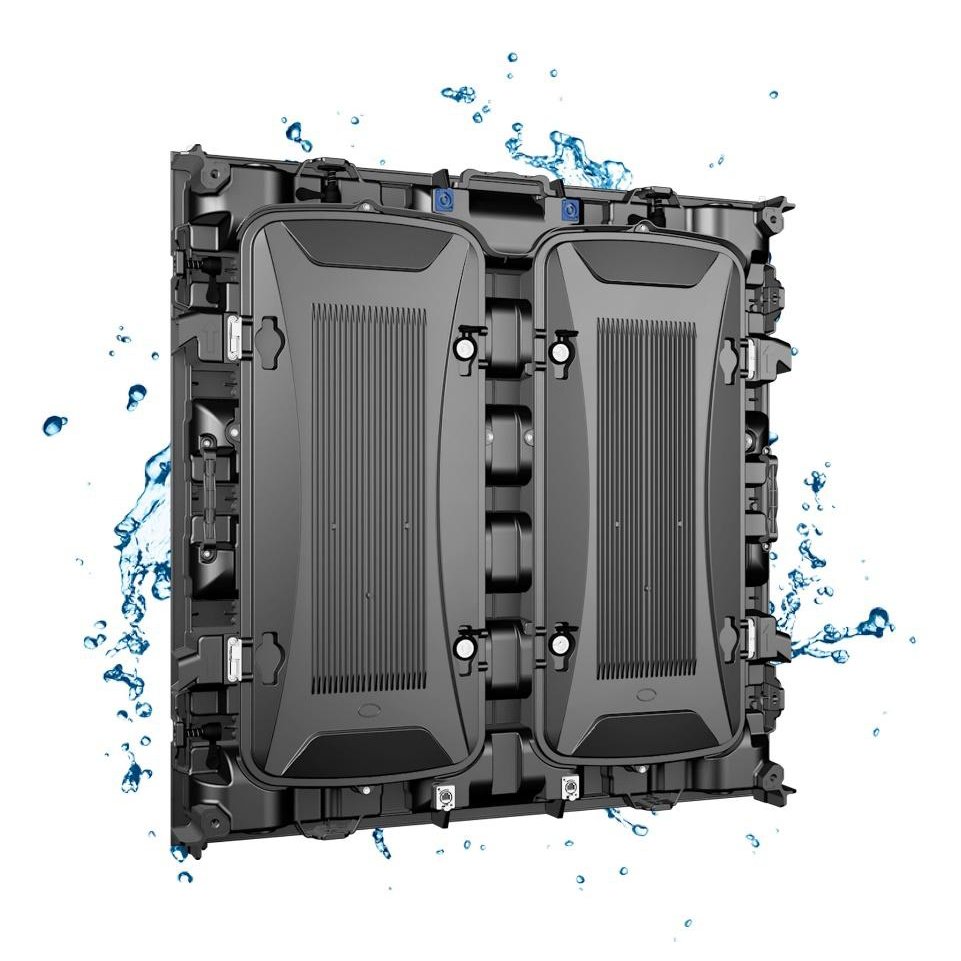
Front/Rear Maintenance
P4.81/P3.91/P2.976/P2.6/P1.95/P1.56
Die-cast aluminum
Indoor/Outdoor
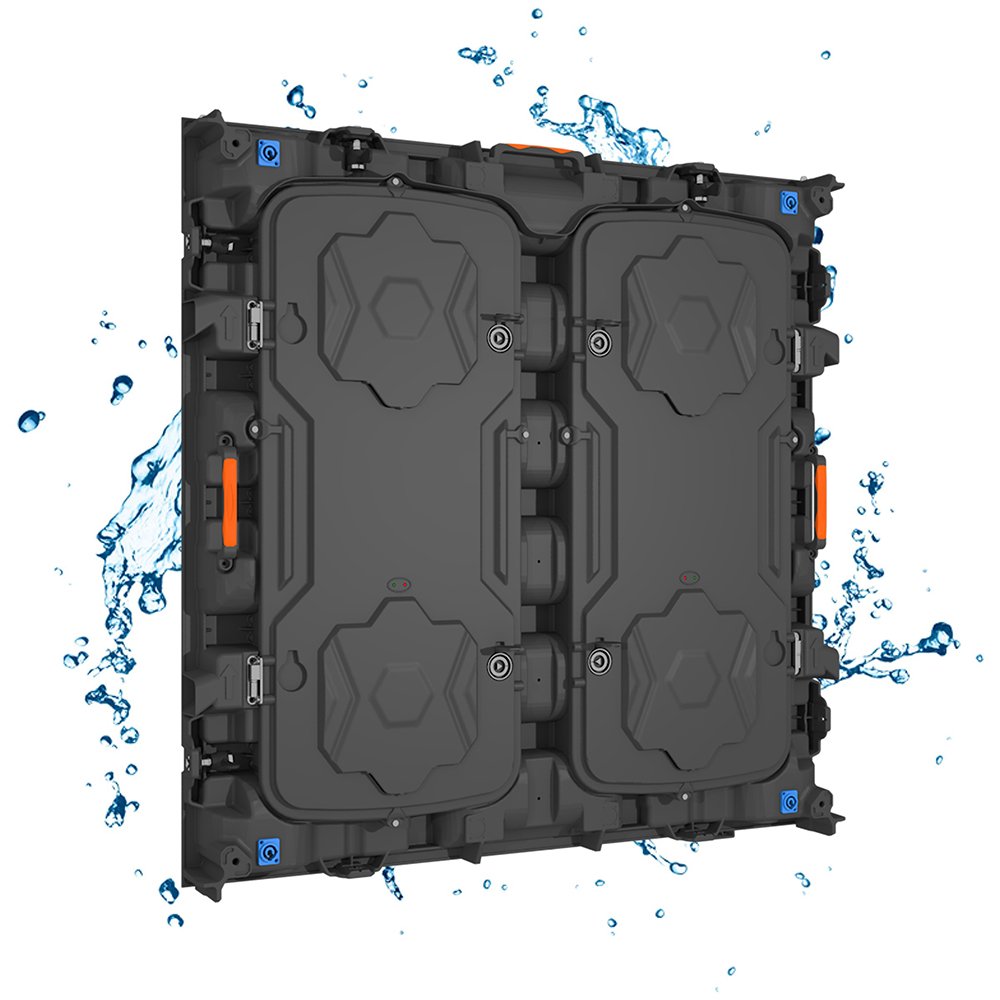
Rear Maintenance
P10/P8/P6.67/P5/P4/3.076/P2.5/P2
Die-cast aluminum
Indoor/Outdoor
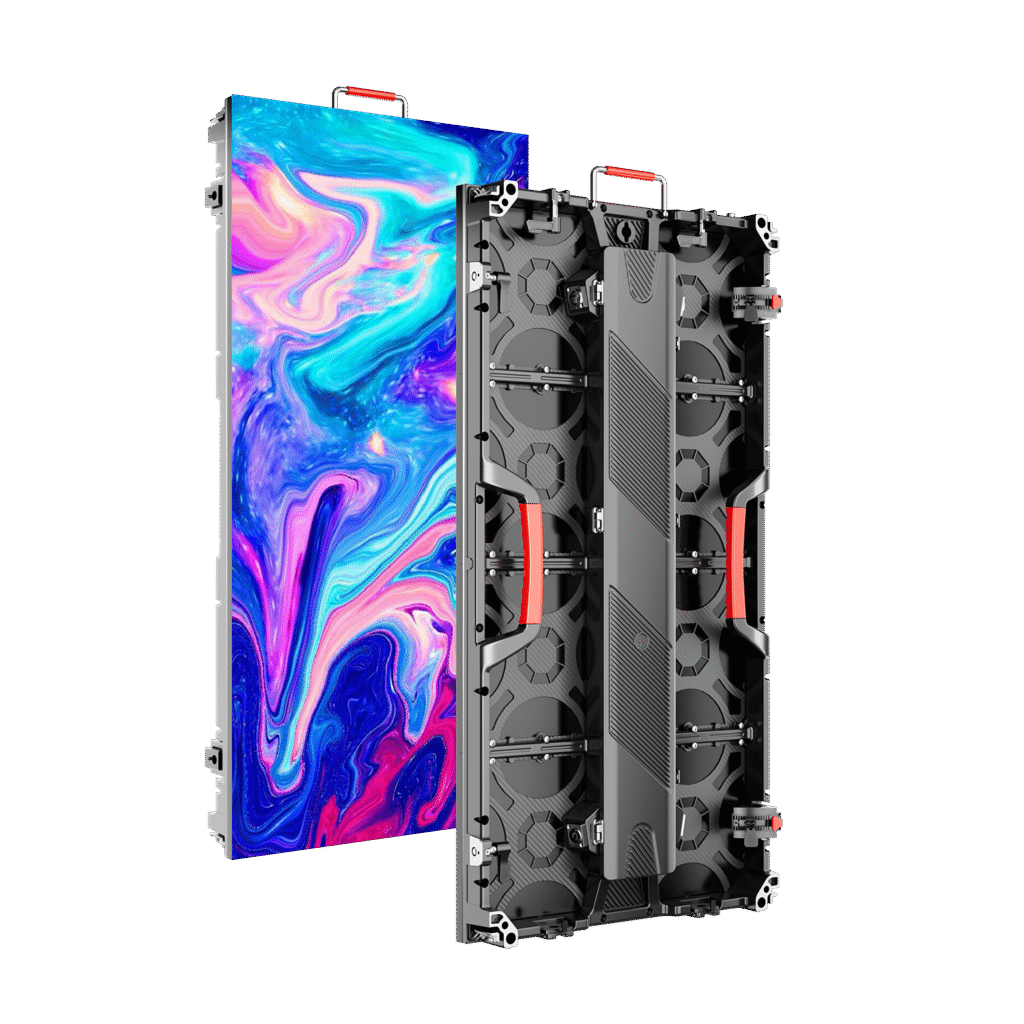
Rear Maintenance
P4/P5/P6.67/P8/P10/P13.33
Magnesium/Aluminum (alloy)
Indoor/Outdoor
Front/Rear Maintenance
P4.81/P3.91/P2.976/P2.604
Die-cast aluminum
Indoor/0utdoor

Front/Rear Maintenance
P4.81/P3.91/P2.976/P2.604
Die-casting aluminum
Indoor/0utdoor-lp65
Conclusion
Investing in an LED screen for sports transforms your venue. Unlike traditional scoreboards that only show basic stats, LED screens deliver:
✅ Sunlight visibility – 4,000-6,000+ nits
✅ Smooth motion – 1,920-3,840 Hz for instant replay
✅ Ad revenue – sell time to sponsors
✅ Weatherproof – IP65 for outdoor use
✅ Any size – from scoreboards to massive video walls
While the upfront investment is significant, the ROI from ad sales and increased fan engagement typically pays back within 12-36 months.
If you want to elevate your game-day experience and generate new revenue streams, LED screens are the smartest investment for your sports venue.
Get a Quote for Your Sports LED Screen
Ready to upgrade your sports venue with LED screens?
At IvanLED, we provide high-quality LED displays for:
Scoreboards
Ribbon boards
Tell us your venue size, sport, and budget. We will reply within 24 hours with a free quote.