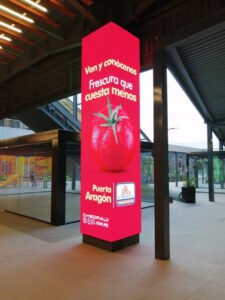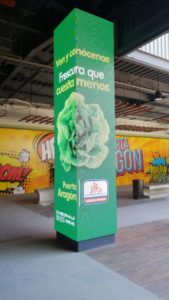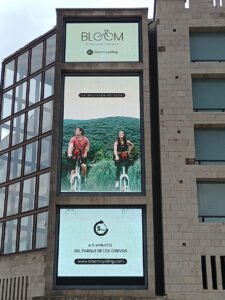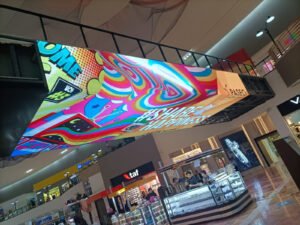














1. What is an Indoor LED Display?
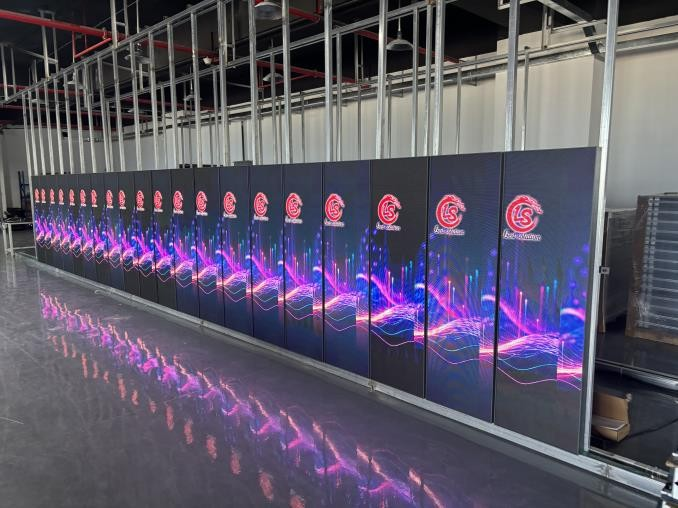
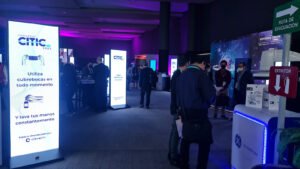
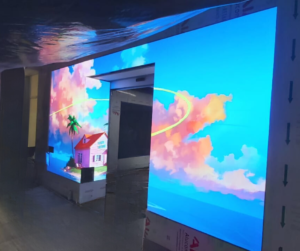
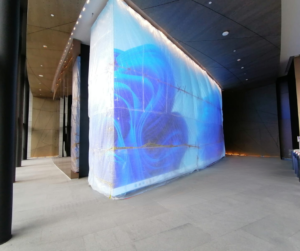
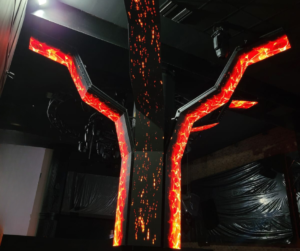
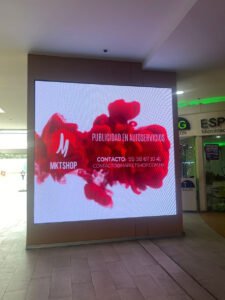
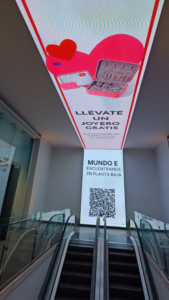
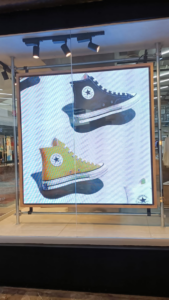
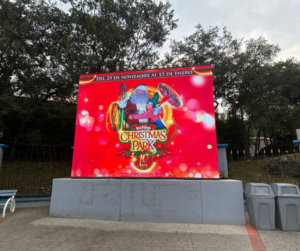
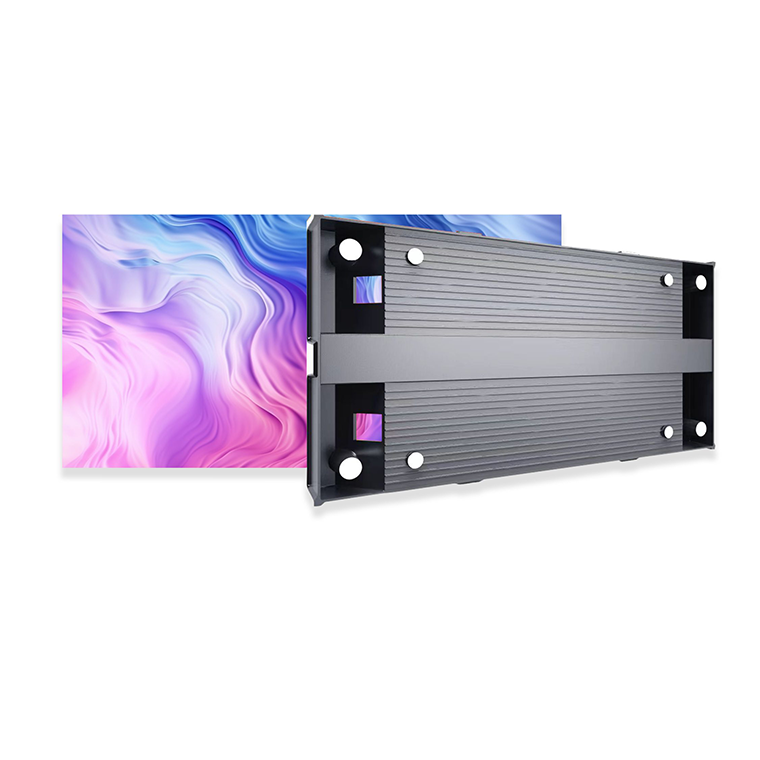
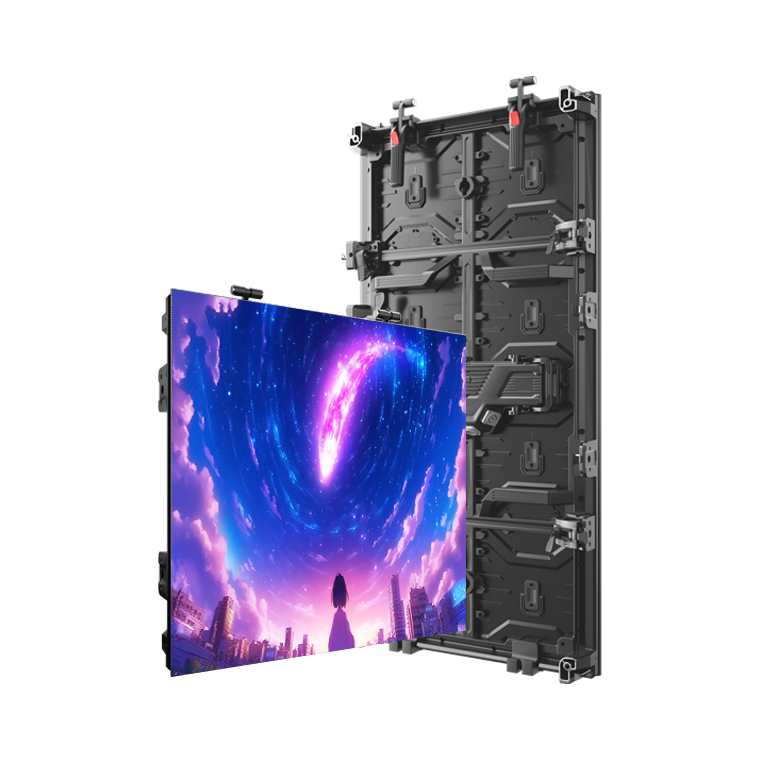
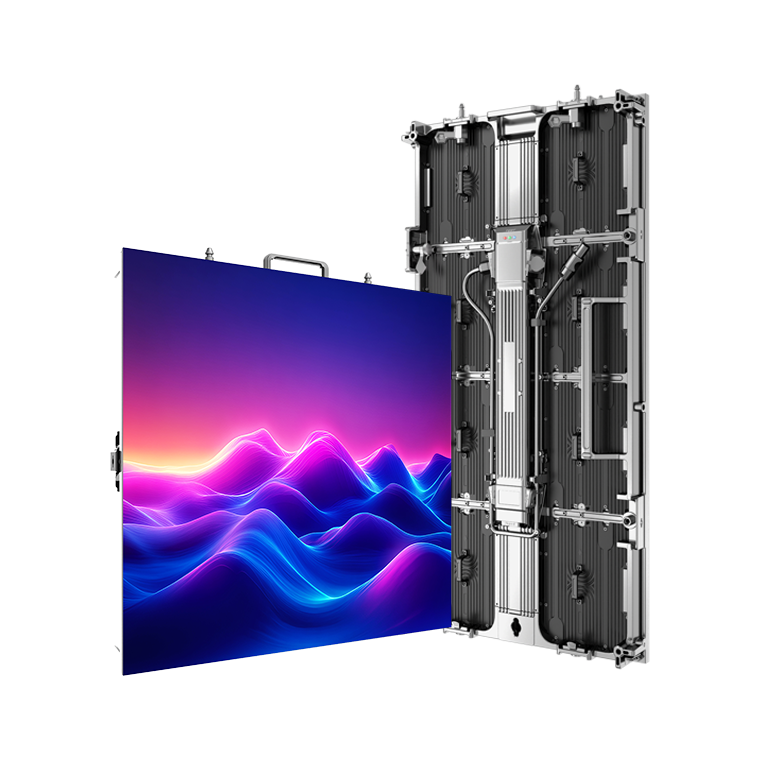
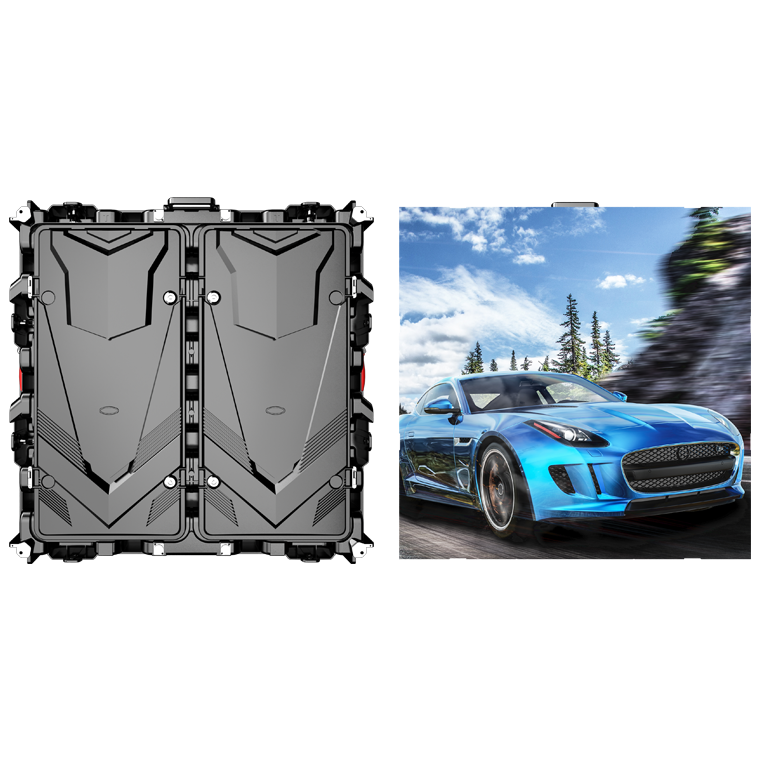
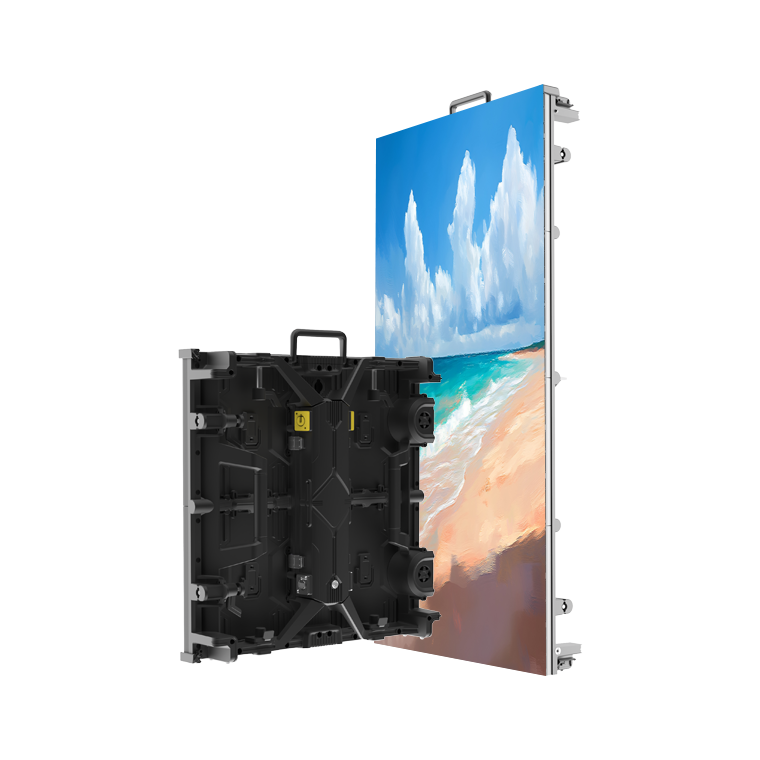
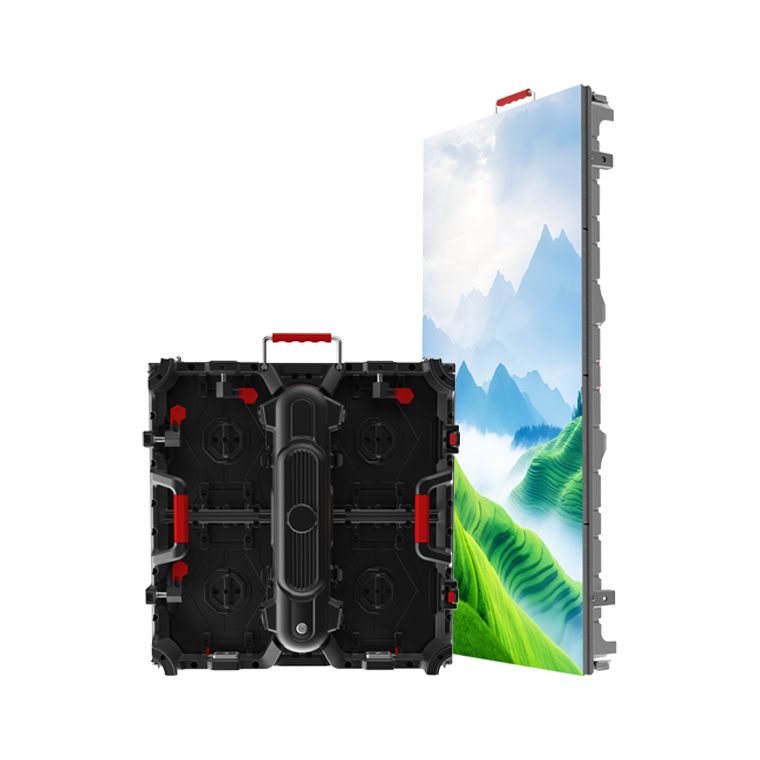
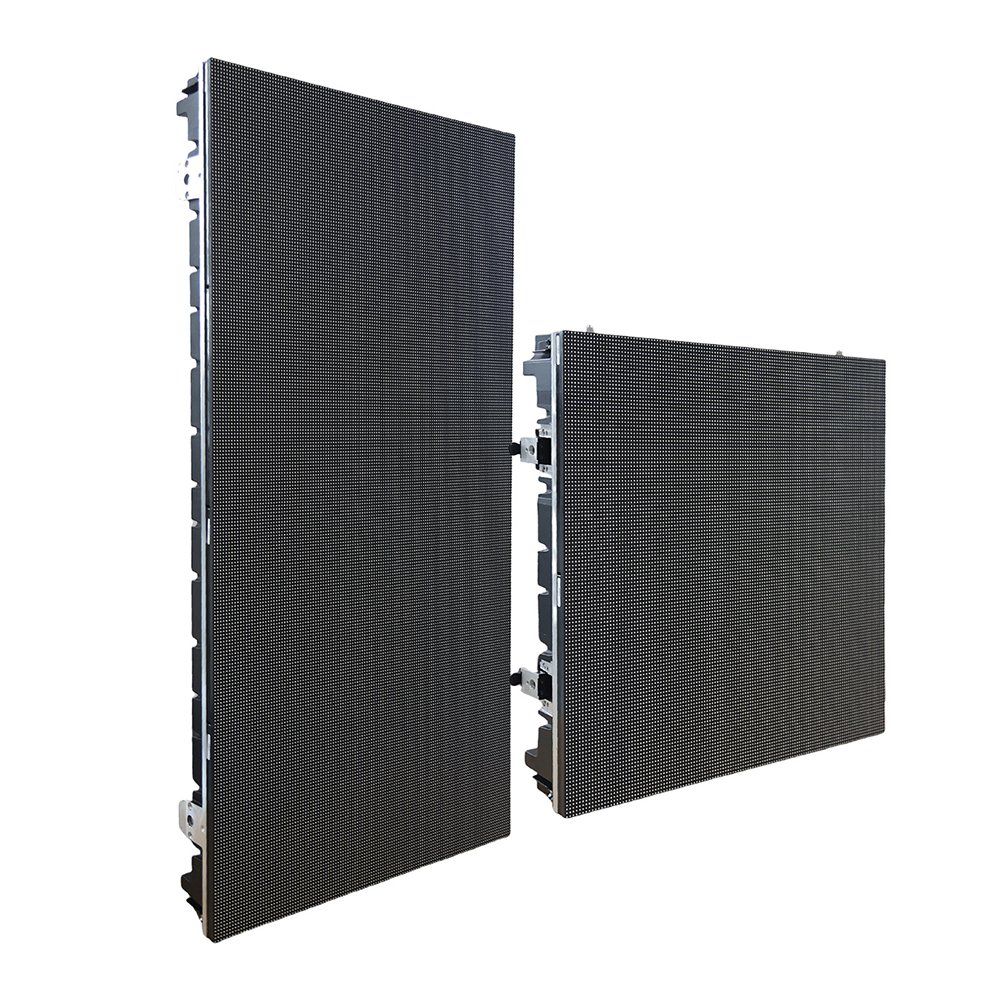
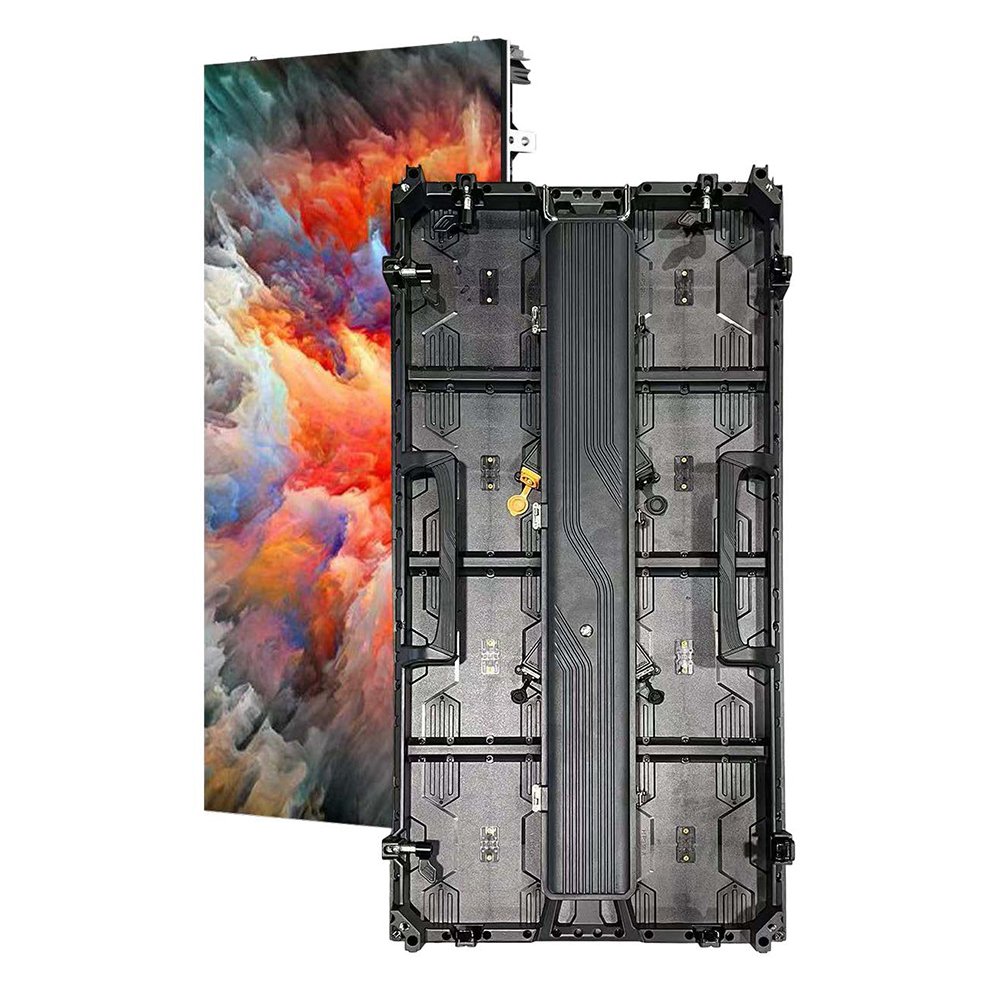
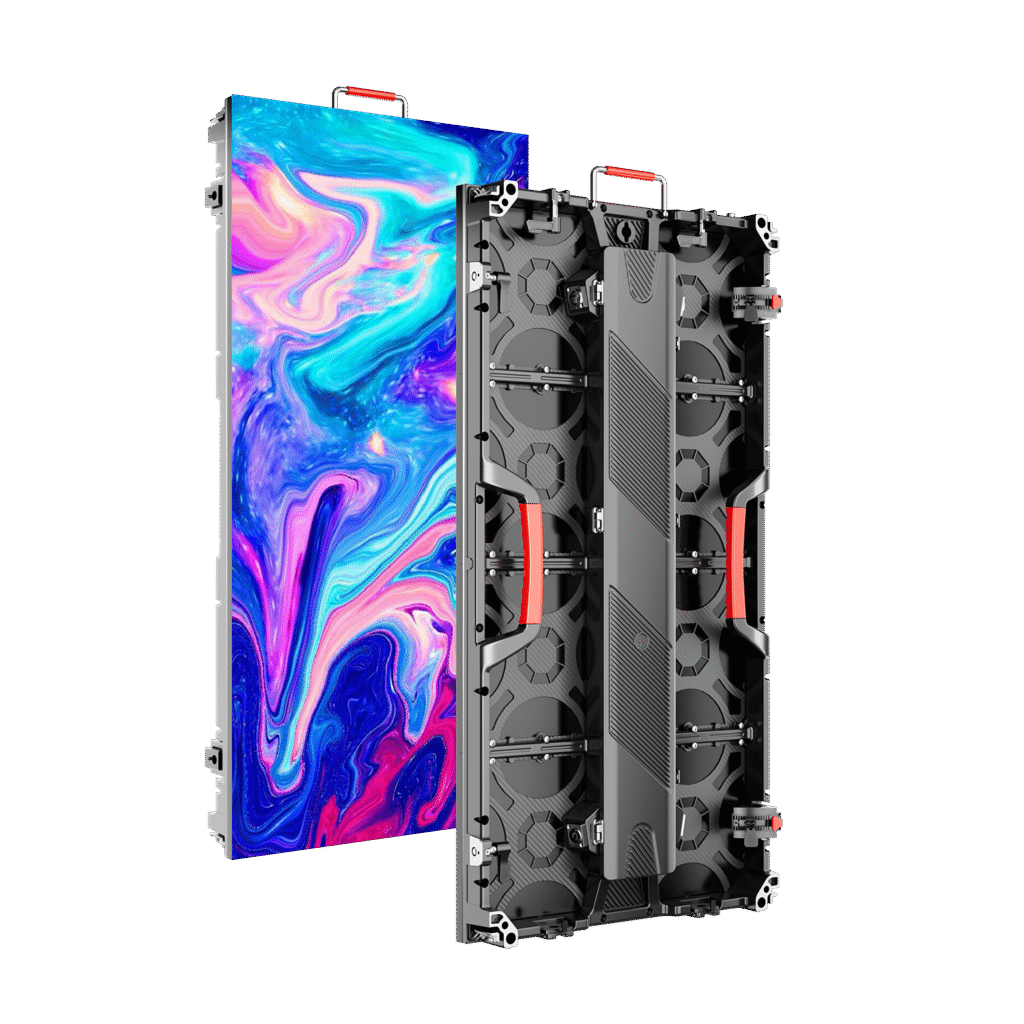
An indoor LED display is a high-resolution screen made of tiny LED modules, specially designed for indoor use. Unlike traditional monitors or projectors, it is self-emissive, so it doesn’t need a backlight.This design gives the screen brighter images, higher contrast, better energy efficiency, and wider viewing angles, making content clear and vibrant from different positions in the room.

1.1 Features
(1) 3 in 1 LED encapsulation technology provides wider viewing angle, extremely short viewing distance and wide grayscale.(2) Image feeds available in standard and high-definition formats.
(3) Advanced video processing produces sharp, detailed images with smooth motion reproduction.
(4) Integrates seamlessly LED display screens.
(5) Full-depth image calibration and color calibration at factory.
(6) Wide choice of pixel pitches from 1.2mm to 20mm for Ultra High Definition (UHD) screen.
2. Major Technical Specifications
2.1 Technical Specifications

2.2 Indoor VS Outdoor LED Display
| Feature | Indoor LED Display | Outdoor LED Display |
| Environment / Usage | Malls, offices, conference rooms, theaters | Billboards, outdoor stages, streets |
| Viewing Distance / Pixel Pitch | P1.25–P4 common | P8–P20 common |
| Resolution | High resolution for close viewing | Lower resolution acceptable for long-distance viewing |
| Brightness | ~600–1,200 nits | ≥5,500 nits |
| Cost | Medium, depends on pixel pitch and size | High, due to materials and protection requirements |
| Weight & Installation | Lightweight, easy to install | Heavier, requires secure mounting |
Outdoor LED displays prioritize durability and high brightness for clear visibility from a distance.
3. Types of Indoor LED Panel Displays
3.1 SMD vs COB vs GOB LED Technology
- SMD (Surface Mounted Device): The most widely used, offering good brightness, color, and cost balance.
- COB (Chip on Board): LEDs are packaged directly on the board, giving better durability, finer pixel pitch, and smoother viewing.
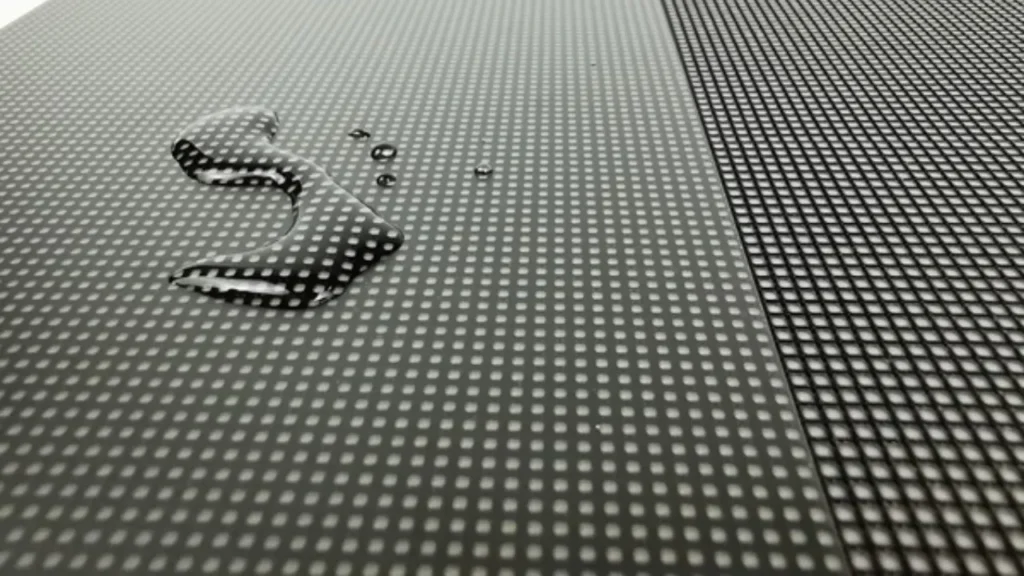
- GOB (Glue on Board): Adds a protective glue layer on SMD screens, making them stronger, dustproof, and resistant to damage.
3.2 Fixed vs Rental Indoor LED Displays
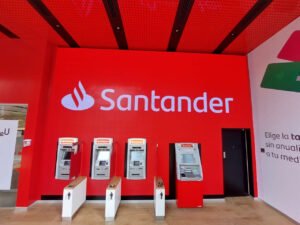
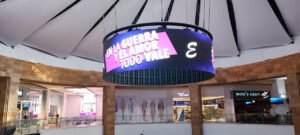
Indoor LED displays generally fall into two categories based on how they’re used:Fixed Indoor LED Displays: Installed permanently in one location, such as shopping malls, banks, or conference halls. They are stable, reliable, and often customized to fit the space.
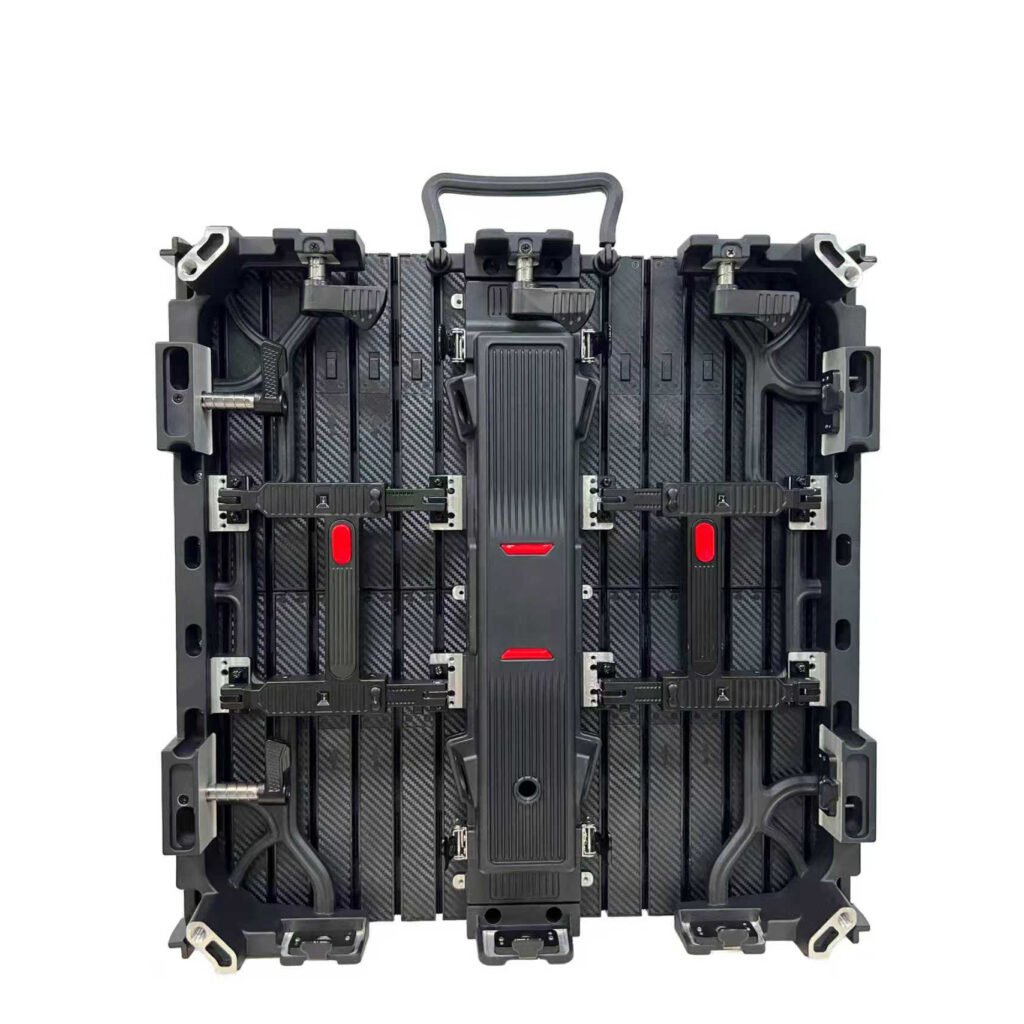
Rental Indoor LED Displays: Designed for quick setup and dismantling. Commonly used for events, exhibitions, and concerts. They are lightweight, portable, and easy to maintain.
In short, fixed screens are for long-term use, while rental screens are for flexibility and mobility.
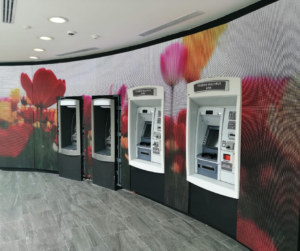
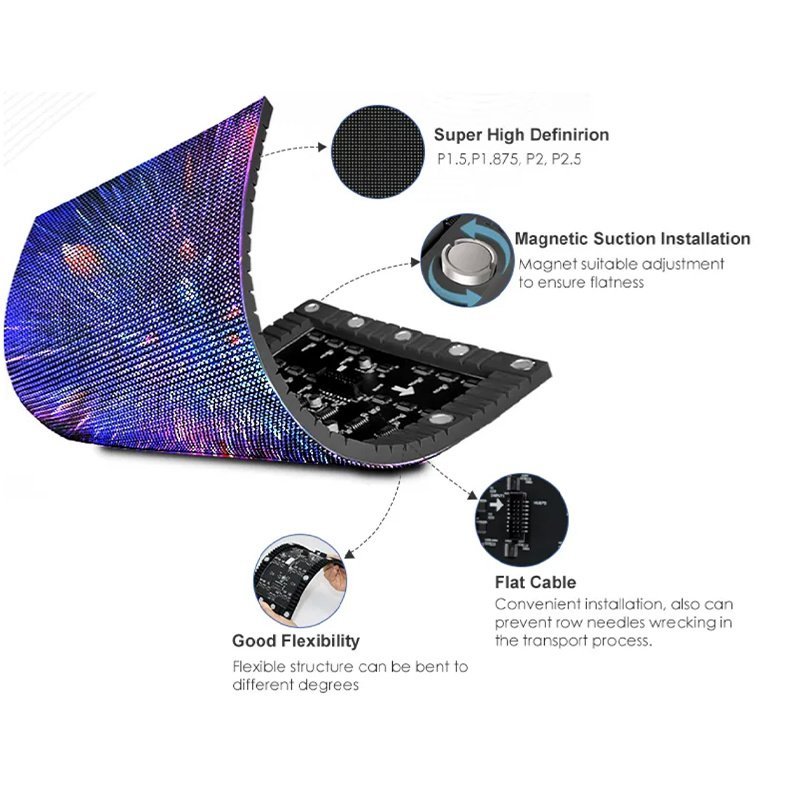
3.3 Indoor Flexible Curved LED Screens
4. Where are Indoor LED Displays Used?

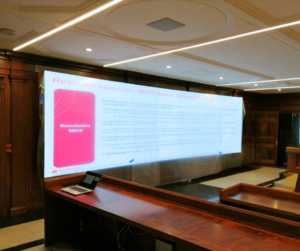
(2) Corporate Offices & Conference Rooms – Ideal for presentations, video conferences, and sharing company updates with employees or clients.
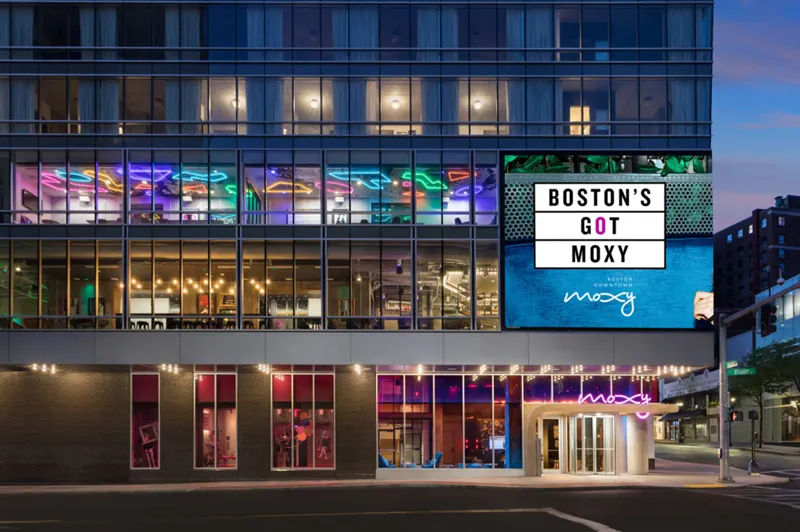
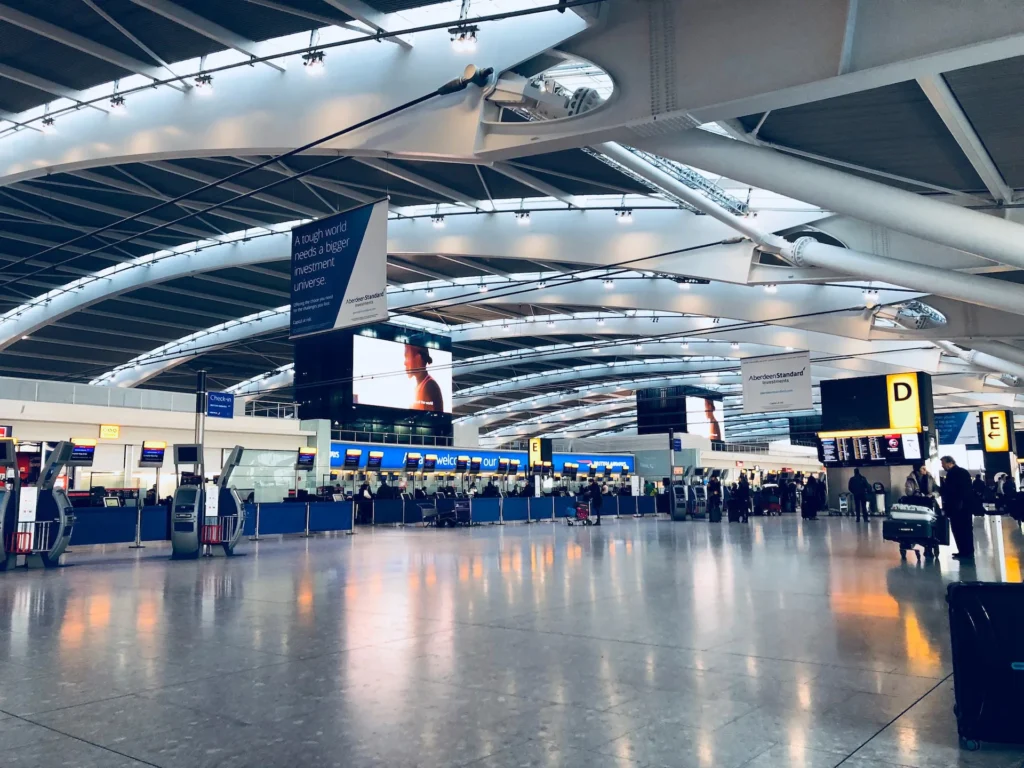
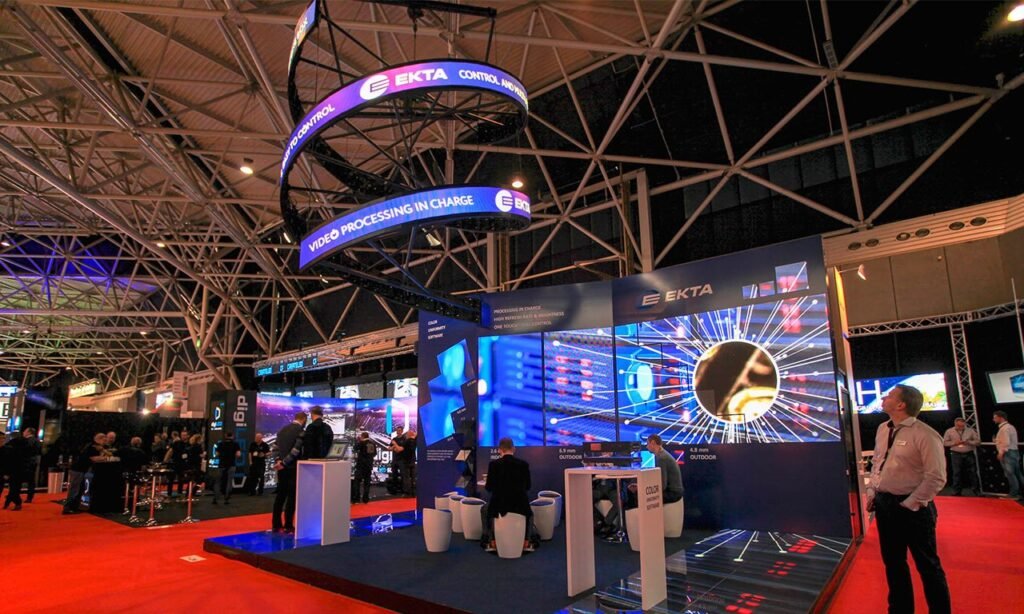
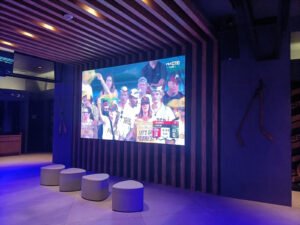
(6) Theaters & Entertainment Venues – Enhance shows with live feeds, stage effects, or promotional videos.
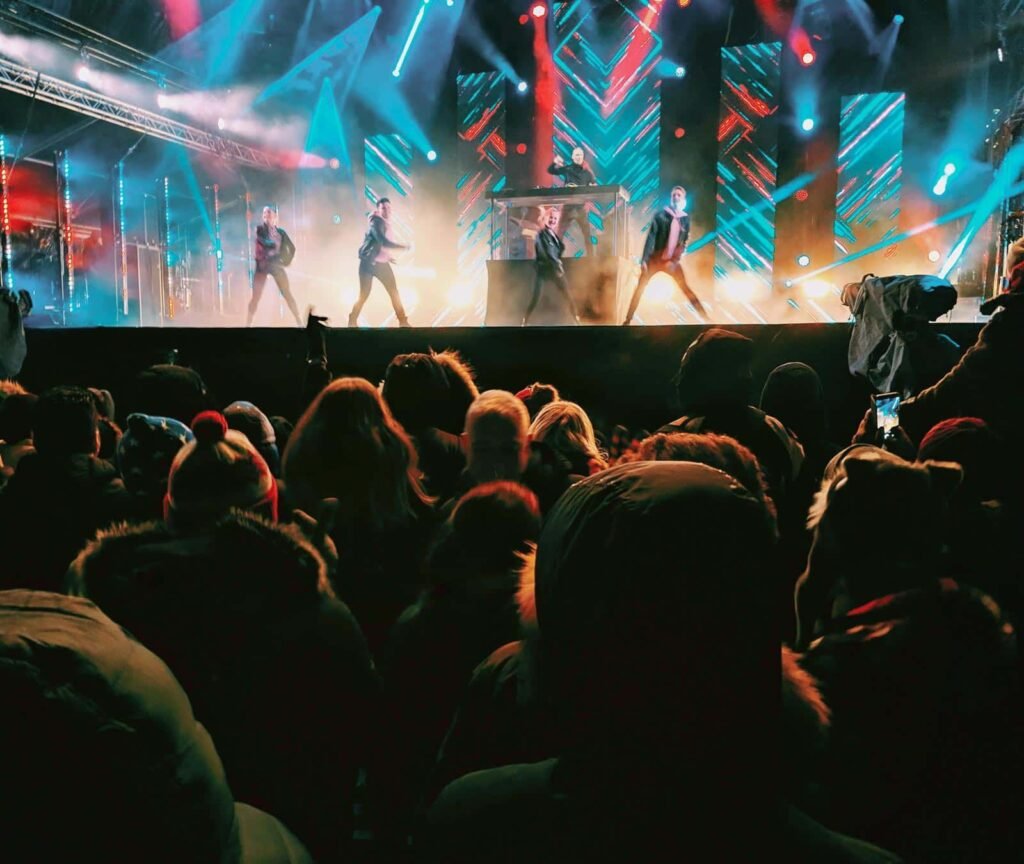
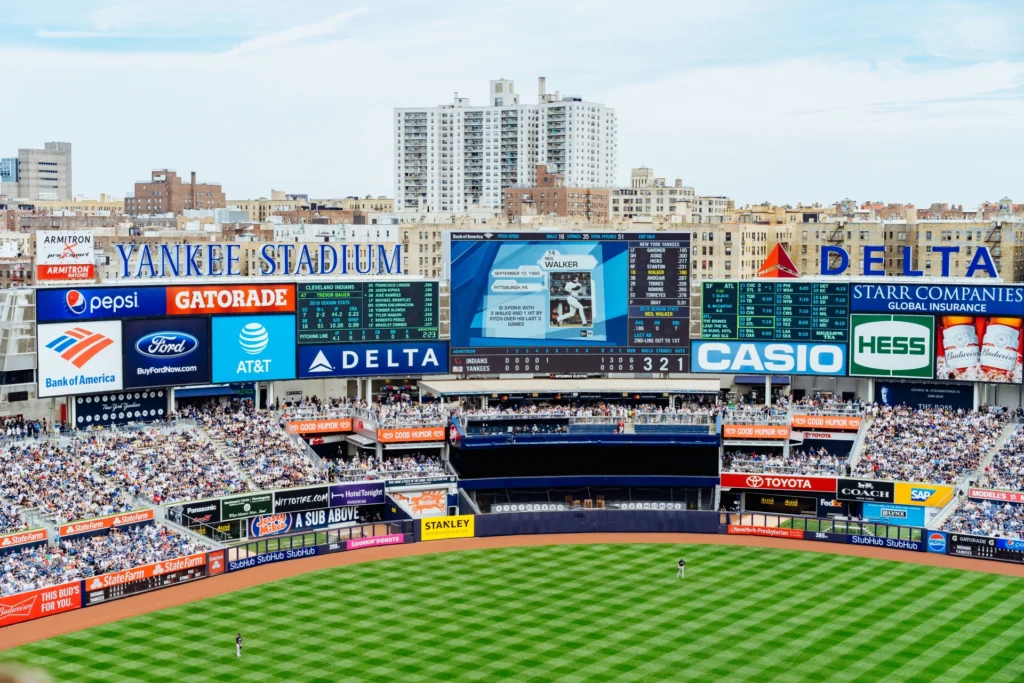
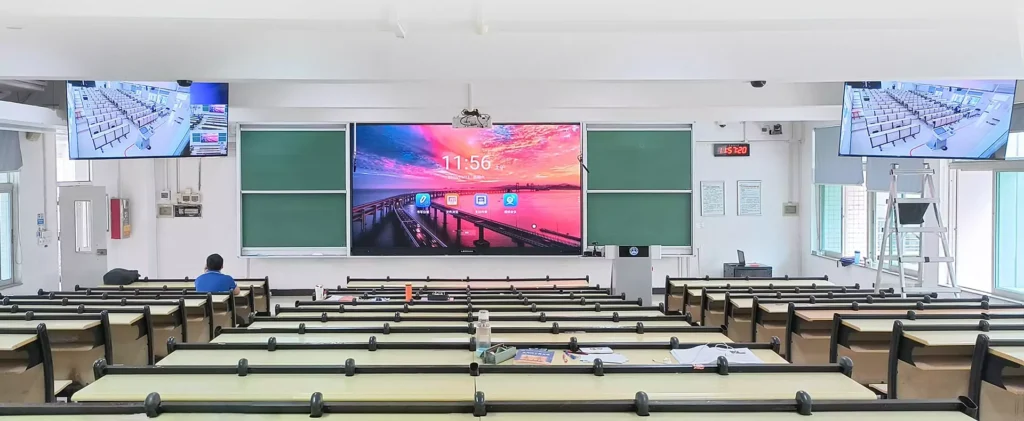
(8) Banks & Educational Institutions – Banks share interest rates, promotions, and updates, while schools and training centers show lesson materials, announcements, or interactive content.
5. Indoor LED Display vs Projector
| Feature | Indoor LED Display | Projector |
| Brightness | Clear and vivid even in well-lit rooms | Requires dim lighting for best visibility |
| Resolution & Clarity | Sharp text, detailed images at all distances | Can appear blurry or pixelated on large screens |
| Durability & Maintenance | Long-lasting, low maintenance | Lamps need regular replacement, more fragile |
| Installation & Space | Wall-mounted or freestanding, easy setup | Needs distance, mounts, and darkened area |
| Color & Contrast | Vibrant colors, high contrast | Colors may wash out in bright rooms |
| Viewing Angle | Clear from almost any angle | Limited viewing angle |
| Energy Efficiency | Lower energy consumption | Higher energy usage over time |
| Cost Efficiency | Higher upfront cost, but cost-effective long-term | Lower upfront cost, higher maintenance costs |
6. Advantages and Disadvantages
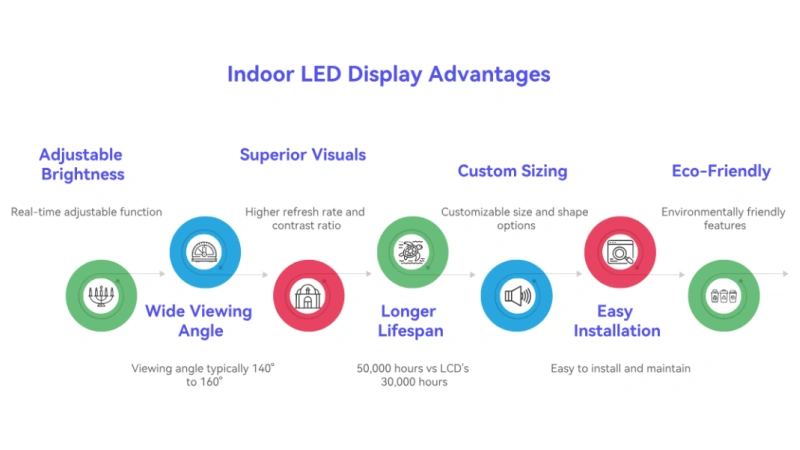
6.1 Advantages of Indoor LED Display Screen
Adjustable high brightness
Projectors and TV can all not meet the requirements of high brightness as their lighting methods.However, LED display can reach high brightness with real-time adjustable function.
Much wider viewing distance
The viewing angle of LED display screen is four or five times of ordinary projectors typically 140° to 160°.
Viewers sitting in almost all positions can see the contents on the screen clearly, which increases the visual effect and is also unattainable by other kinds of devices.
Better visual performance
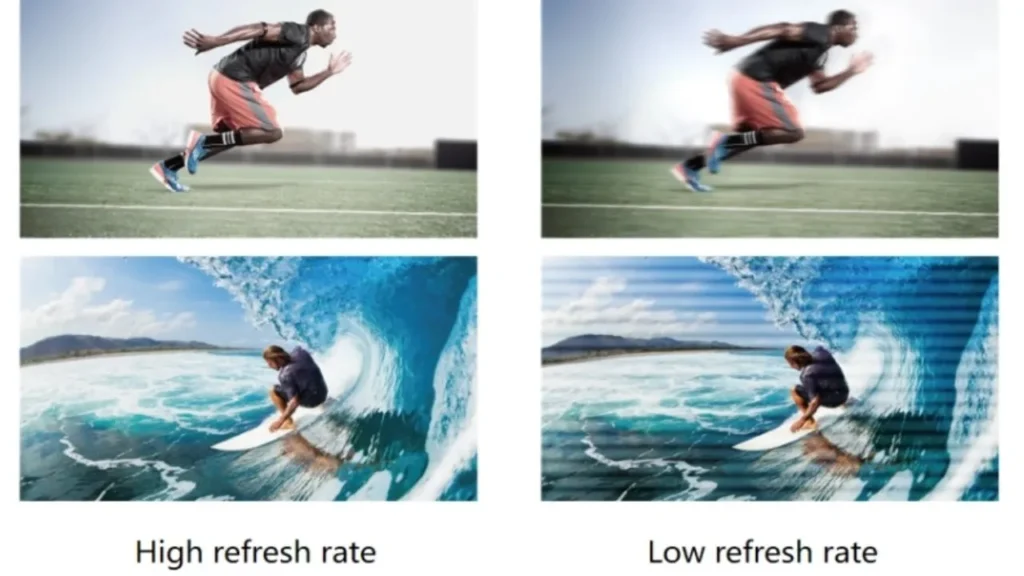
LED displays can convert electrical energy to optical energy, which contributes to a higher refresh rate.
In aspects of latency and avoidance of displaying errors like ghosting, it also has better performances.
Moreover, it has higher contrast ratio than LCD display as it can change the light intensity in a extremely short time.
Longer working life
The lifespan of an LED display screen can be 50,000 hours (15 years of use at 10 hours per day), whereas the lifespan of an LCD can be 30,000 hours (8 years of use at 10 hours per day).
Compared with other kinds of display devices like projectors and TV, LED screen display has obvious advantages in working life.
Customized size and shape
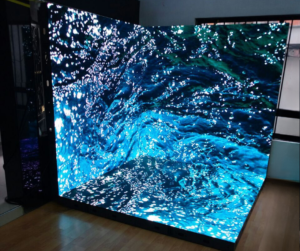
Different LED cabinets can be combined to construct large LED video wall of different sizes and shapes. For instance, creative LED displays like floor LED display, round LED screen, cube LED screen, etc.
Easy installation and maintenance
This will save you lots of labor and time consumption.
Environment-friendly
The lighter weight will consume less fuel when transporting, and no mercury is needed during production, but LCD displays need.
Moreover, indoor LED display board requires less energy and has a longer lifespan, which will also reduce waste.
6.2 Disadvantages of Indoor LED Display Board
High initial investment
LED display screens may need a higher initial price point. But the life span is longer, and maintenance will be much easier, thus in the long term, these user-friendly features will save you money.
Risk of light pollution
It may lead to light pollution. Sometimes the brightness level of the screen is too high which may cause light pollution.
However, we still have corresponding methods to deal with it: light sensor or setting the operating system to automatically adjust itself based on the environmental light.
7. Indoor LED Screen Price
7.1 6 Factors Affecting Indoor LED Display Price
Drive IC
- The most critical chip, accounting for about 90% of the cost.
- Affects LED current compensation, color uniformity, gray scale, and refresh rate.
LED Lamp Beads
- The core raw material; price depends on pixel pitch, lamp size, and brand.
- High-end brands (e.g., Kinglight, Nationstar, Sanan, Nichia, Episen, Cree, etc) offer more stable performance, while lower-cost brands are more price-competitive.
LED Power Supply
- Provides necessary working current, converting 110V/220V to 5V for modules.
- Higher power consumption requires more power supplies, increasing the overall cost.
LED Display Cabinet
- Price depends on cabinet material and density.
- Common materials: Steel (7.8 g/cm³), Aluminum (2.7 g/cm³), Magnesium Alloy (1.8 g/cm³), Die-cast Aluminum (2.7–2.84 g/cm³).
Pixel Pitch
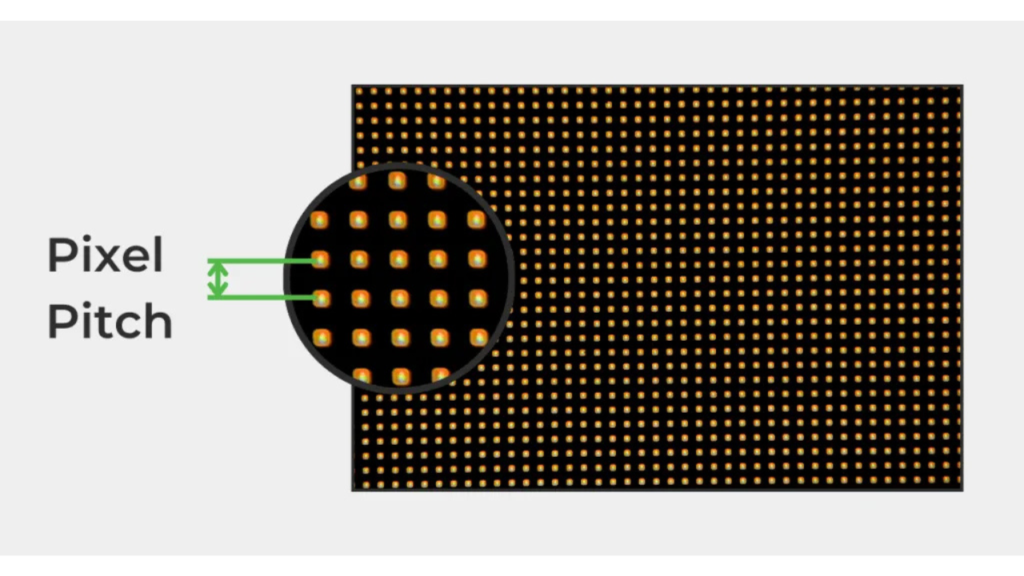
- Smaller pixel pitch = higher resolution = higher price.
- Common indoor screens: P1.25–P5; high-precision screens cost significantly more.
Display Size
- Larger screens require more modules and cabinets, increasing cost.
- Very large screens may also need extra support structures.
7.2 How to Calculate LED Display Screen Price?
First of all, just make sure the 5 factors below:
(1) Screen Size: You must know the size of your screen first.
(2) Installation environment: this determines the technical parameters of screen. For example, if you need to install your display outdoor, then IP65 is necessary.
(3) Viewing distance: this factor relates to pixel pitch. For instance, closer viewing distance always means finer pixel pitch.
(4) Control system: The choosing of the control system (such as sending card, receiving card, even video processor, and so on) depends on the specific size of your screen and control way.
(5) Packaging: Carton packing (Module or accessories); Plywood case packing (Fixed); Flight case packing (Rental).
The table above shows an example of outdoor LED display pricing, which mainly considers factors like waterproof cabinets, durability, and higher brightness.
For indoor LED displays, the focus is a bit different:
Higher Resolution: Smaller pixel pitch (P1.25, P2, P2.5, P3, etc.) for close viewing.
Lightweight Cabinets: Slim and elegant design instead of heavy waterproof housing.
Better Color Performance: Emphasis on vivid colors and smooth playback for presentations, retail, or events.
Lower Brightness Needs: Indoor environments don’t require ultra-high brightness like outdoor displays.
Flexible Installation: Wall-mounted, hanging, or embedded into interior spaces.
If you would like a detailed indoor LED display price calculation for your project, please contact us anytime.
8. How to Install an Indoor LED Screen?
Careful planning and following each step are key to installing an indoor LED screen. Proper installation ensures the screen works well and looks seamless. Below is a step-by-step guide to help you install an indoor LED screen efficiently and safely.
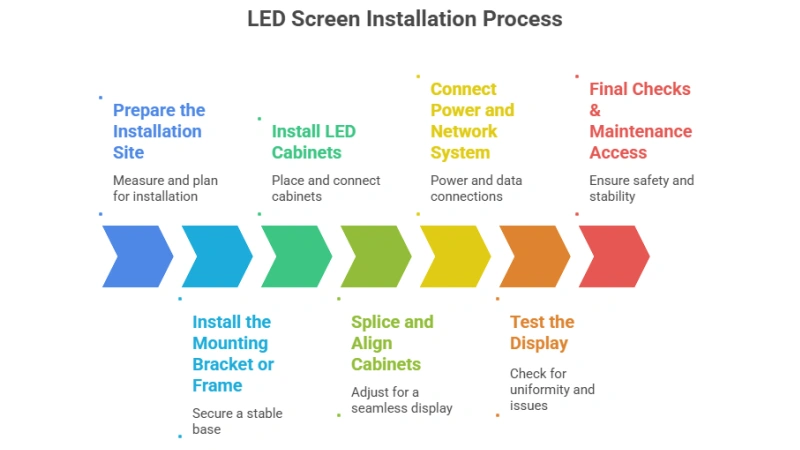
Step 1: Prepare the Installation Site
- Measure the wall or structure where the screen will be installed.
- Ensure the wall/frame can support the weight of the LED screen.
- Plan for ventilation, cable routing, and screen size.
Step 2: Install the Mounting Bracket or Frame
- Secure a stable and level bracket or frame to the wall.
- Double-check alignment to ensure a flat final display.
Step 3: Install LED Cabinets
- Place the first cabinet onto the bracket.
- Connect its power cable and network/data cable.
- Repeat for all cabinets, stacking and aligning them precisely.
Step 4: Splice and Align Cabinets
- Adjust all cabinets for a seamless, flat display.
- Check for gaps or misalignments and correct as needed.
Step 5: Connect Power and Network System
- Ensure all cabinets are properly powered.
- Connect all network/data cables to the control system.
- Verify that the sending card or controller is functioning.
Step 6: Test the Display
- Power on the screen and check for dead pixels, brightness, and color uniformity.
- Make any final adjustments to alignment and settings.
Step 7: Final Checks & Maintenance Access
- Secure all cables neatly.
- Confirm there is enough space for ventilation and future maintenance.
- Ensure safety and stability of the installation.
9. How to Choose an Indoor LED Screen Display?
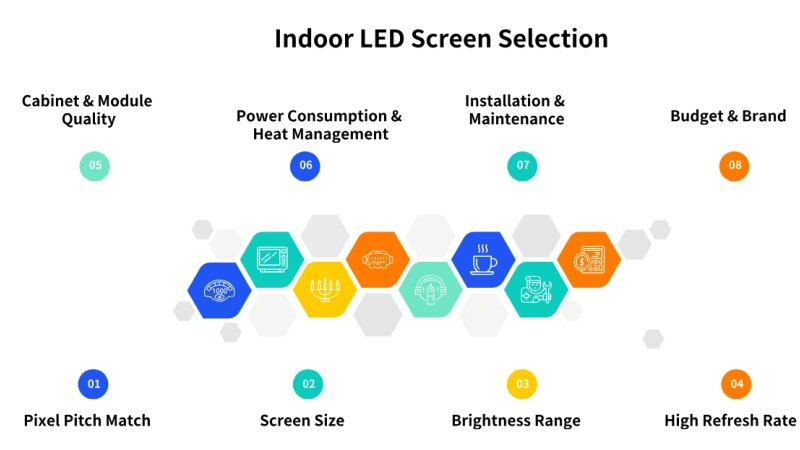
Step 1: Determine the Viewing Distance
- The pixel pitch should match how far viewers will be from the screen.
- Smaller pixel pitch (e.g., P1.25–P2.5) is ideal for close-up viewing.
- Larger pixel pitch (e.g., P3–P4) works for farther distances.
Step 2: Decide on Screen Size
- Consider the space where the screen will be installed and the size of the audience.
- The screen should be large enough for comfortable viewing without overwhelming the room.
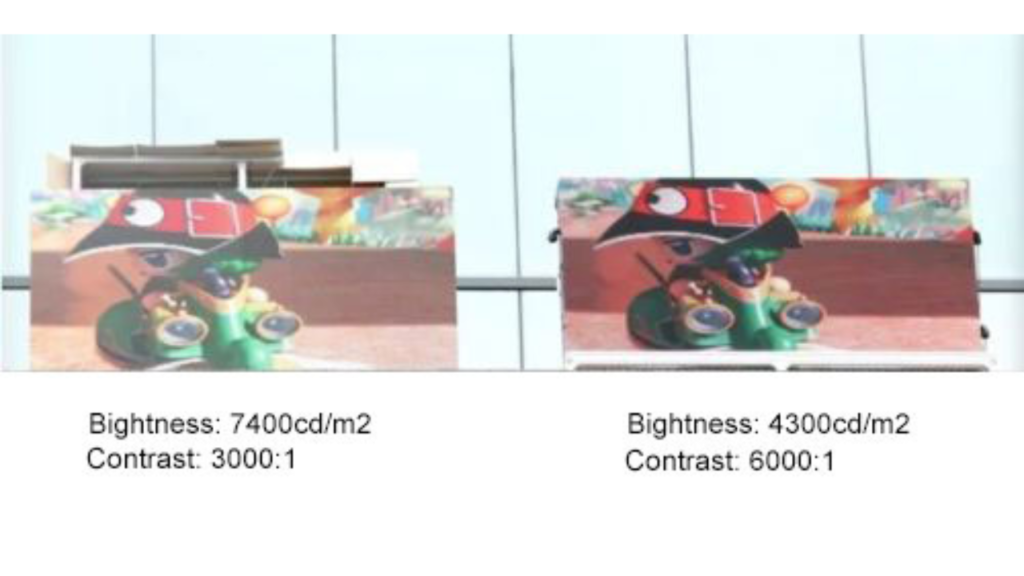
Step 3: Check Brightness & Contrast
- Indoor screens usually need 600–1200 nits of brightness.
- High contrast improves image clarity and color depth.
Step 4: Evaluate Refresh Rate & Gray Scale
- A high refresh rate (≥1920 Hz) ensures smooth video playback.
- Higher gray scale provides more detailed and natural images.
Step 5: Consider Cabinet & Module Quality
- Look at the materials, weight, and durability of the cabinets and LED modules.
- Reliable brands often offer better performance and a longer lifespan.
Step 6: Power Consumption & Heat Management
- Check the energy efficiency and cooling system of the screen.
- Lower power consumption reduces operating costs and prevents overheating.
Step 7: Installation & Maintenance
- Choose a screen that is easy to install and maintain.
- Front-access screens are especially convenient for tight spaces.
Step 8: Budget & Brand Reputation
- Balance performance with cost when making a choice.
- Select reputable brands that provide good after-sales support.
10. Future Trends
10.1 All-in-One LED Display Series

All-in-one LED display is a new-generation LED display screen with multiple functions including video communication, presentation display, collaborative whiteboard, wireless projection screen, and intelligent operation.
Due to the need for close distance, indoor fixed LED display becomes one of the best choices for AIO LED display.
Combined with advanced LED display technology, AIO LED display can bring customers an excellent, practical, effective, and user-friendly user experience.
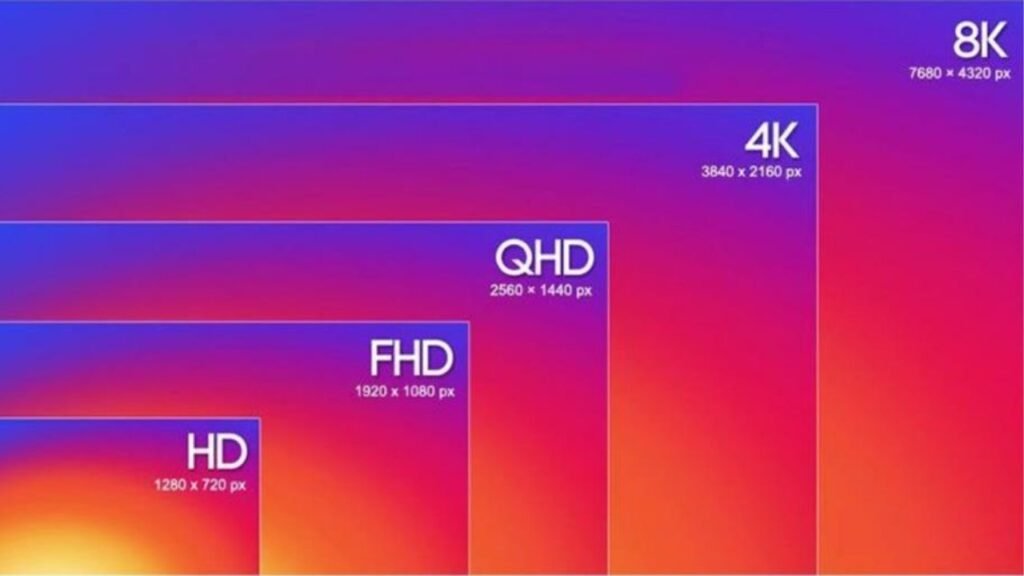
Ivan offers 2K/4K/8K high-standard image quality supported by a high refresh rate of 3840Hz, fine pixel pitch, adjustable brightness, and high grayscale.
10.2 Virtual Production LED Wall Series
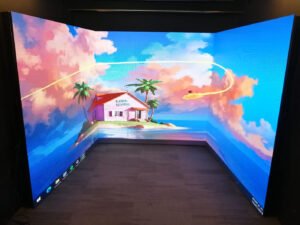
The virtual production LED wall, a new film technology that came out recently, is attracting more and more attention.
And for its requirement of pixel pitch is always fine pixel pitch, thus indoor LED screens are the reasonable choice.
It is an innovative and revolutionary concept that combines XR, the most advanced film production techniques, an LED display wall.
With a set of virtual production LED wall, people can interact with the creatures and nature there when filming in the workplace, and see the changes of light and shadow during the sunrise and sunset of the entire day by advanced move-capturing technology, and indoor full color LED display.
10.3 Curved LED Display Series
Ivan provides hot-sale curved LED display that supports customized curved or 90° LED screen.
This kind of screen is widely used in many creative display using scenarios such as sport perimeter LED display, shopping mall creative LED banner, indoor creative applications and so on.
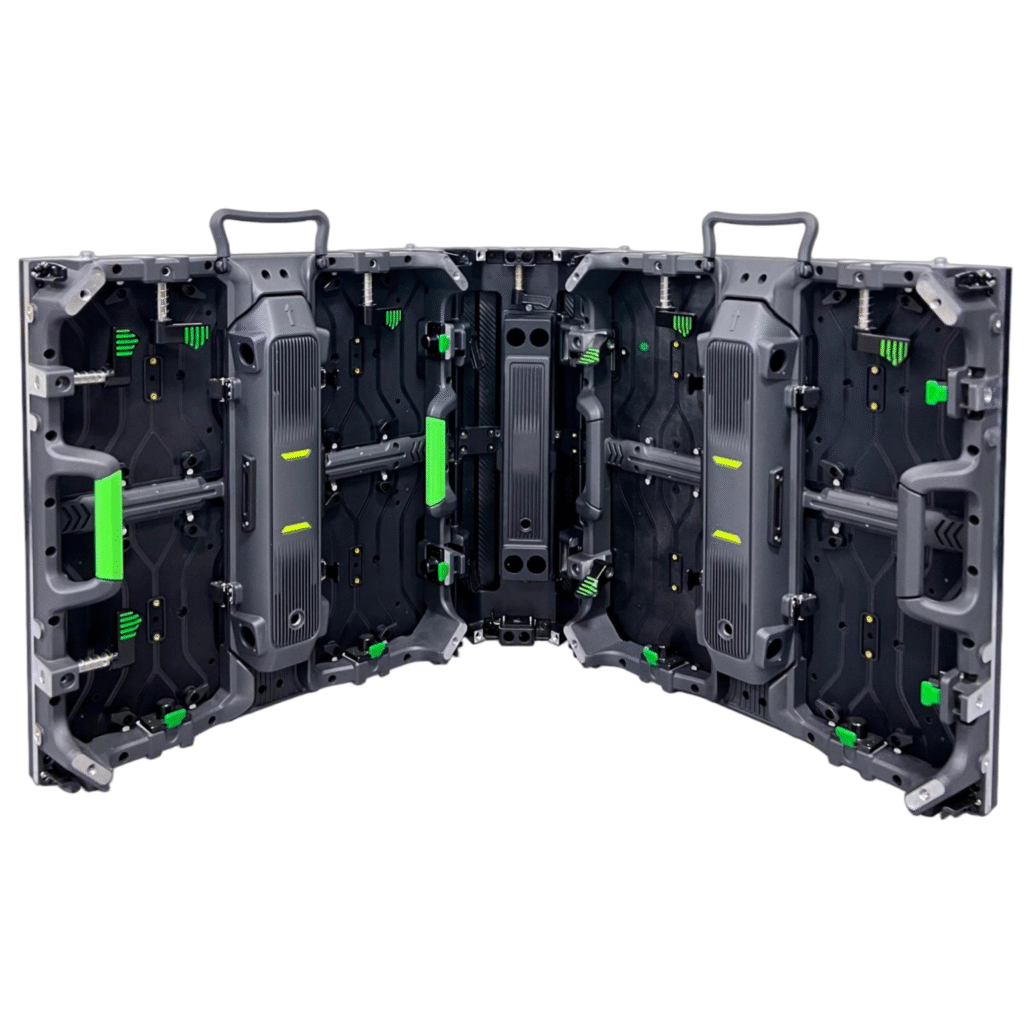
The curved LED screen has seamless splicing surface, sometimes the curve is achieved by the screen itself, but sometimes the combined installation of a common flat LED screen and a special 90 degree LED screen at the corner.
10.4 Stage LED Display
Stage LED display, also known as stage rental LED display or background LED screen, can create different vibe for stages, and can achieve seamless splicing and gigantic size that can not be brought by LCD display.
Due to the speciality of indoor LED cabinet, it is always the top-one choice for building high-standard stage LED screen.
10.5 Fine pixel pitch LED Display
Our fine pixel pitch LED display has high refresh rate, wide grayscale and high brightness level. Also, it can achieve no residual image, low power consumption, low EMI characteristics and no reflection for indoor applications.
Moreover, the super light weight, high precision all allow less consumption for transportation and installation.
Ivan LED always provides high-standard LED screen with clear images and videos to customers all over the world.
11. Top 5 Indoor LED Screen Suppliers
| Supplier | Headquarters | Key Products / Focus | Website |
| Leyard | Beijing, China | Small Pitch LED, conventional LED, LCD Products | https://en.leyard.com/ |
| Unilumin | Shenzhen, China | Indoor & outdoor LED displays, rental screens, custom solutions | https://www.unilumin.com/ |
| Absen | Shenzhen, China | Indoor & outdoor LED displays, rental & tailored display systems | https://www.absen.com/ |
| LianTronics | Shenzhen, China | Indoor & outdoor LED displays, rental solutions, control systems | https://www.liantronics.com/ |
| IvanLED | Huizhou, China | UHD small-pixel LED, rental & fixed, creative & sports displays | https://www.Ivanled.com/ |