










Museum LED Display: 3 Problems, 1 Solution
Modern museums installing the LED screen will help visitors understand the history, information, and knowledge through videos, pictures, and voice. The museum LED screens to make the visitors enjoyable and impressive of their journey
The 3 Problems Museums Face Every Day
Museums exist to educate, inspire, and preserve. But in 2026, many museums are struggling with the same three problems:
Problem 1: Low Visitor Engagement
Visitors walk through galleries, glance at labels, and move on. They spend 10-20 seconds per exhibit. They don’t read the long text panels. They don’t absorb the information. They leave without feeling connected.
The cost: Missed educational mission. Lower visitor satisfaction. Fewer return visits.
Problem 2: Outdated Exhibits Feel Static
A painting on a wall. A sculpture on a pedestal. A text panel next to it. This worked in 1950. It doesn’t work in 2026.
Today’s visitors — especially younger generations — expect interactivity, movement, and digital experiences. Static exhibits feel boring. Boring exhibits don’t get shared on social media. No social media = no free marketing.
The cost: Declining attendance. Aging visitor demographics. No word-of-mouth growth.
Problem 3: Missed Revenue Opportunities
Museum stores, cafes, and special exhibitions rely on visitor spending. But if visitors rush through, they don’t stop. If they don’t stop, they don’t buy.
The cost: Lower per-visitor revenue. Smaller budgets for new exhibits. Less funding for preservation.
The Solution: LED Displays for Museums
One technology solves all three problems: LED displays.
| Problem | How LED Solves It | Result |
| Low engagement | Motion catches attention. Visitors stop, watch, and stay longer. | 2x-3x longer dwell time |
| Static exhibits | Video, animation, and interactivity bring exhibits to life. | Higher visitor satisfaction |
| Missed revenue | Engaging displays lead to better moods → more spending. | Increased store and cafe sales |
The bottom line: LED displays turn passive viewers into active participants. They make museums memorable, shareable, and profitable.
Where Does The LED Screen Used For Education
Find the right place in your school to install the LED screen
Digital Exhibition
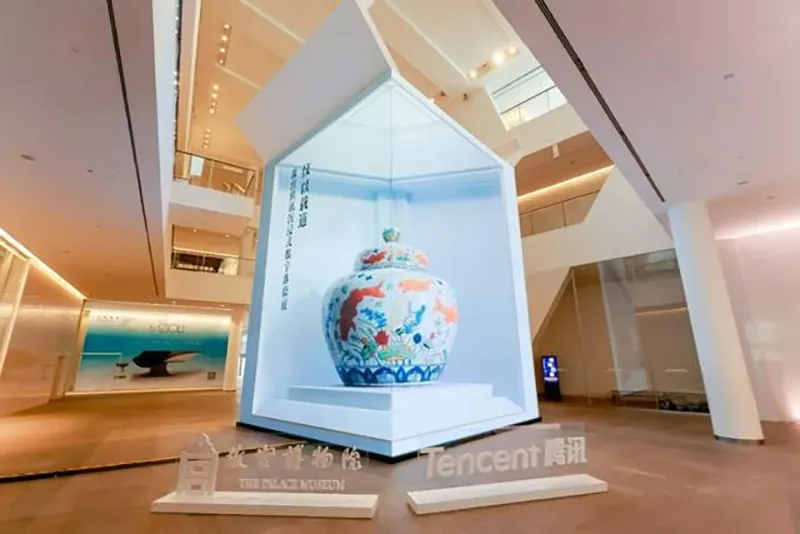
Digital exhibitions are inseparable from the support of display equipment. With the help of LED displays, static cultural relics or exhibits are presented in front of people.
This unique exhibition format provides a novel learning experience. The extensive interactive media wall fully displays the details of the exhibits. Immersive display solutions bring unlimited imagination.
Welcome Wall
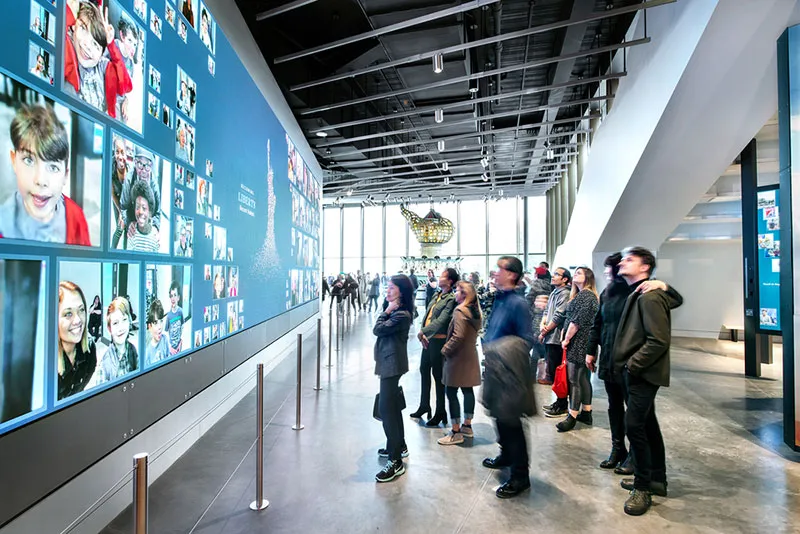
The large indoor LED display screen can broadcast museum introduction, exhibition information, exhibit information, and other information. It also provides guidance on how to get the best visiting experience.
Screens in the lobby or foyer create a unique atmosphere and set the tone for the space and building branding. When visitors enter the museum, LED displays can provide them with effective information such as exhibits.
Interactive Exhibition
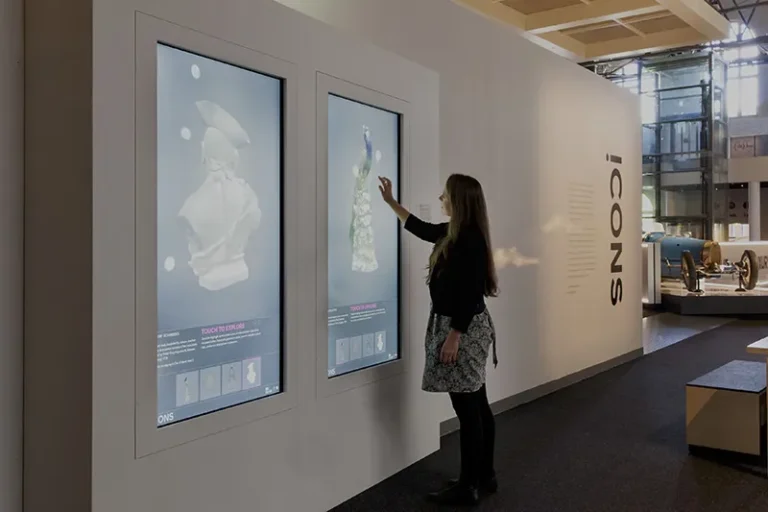
In museums, science museums, or other exhibition venues, full-color LED display is a good choice to create interactive exhibits.
Visitors can interact with the exhibition by touching the screen or other interactive ways to explore different themes and contents. LED screens can display information, images, and animations related to audience interaction.
Exhibits Introduction
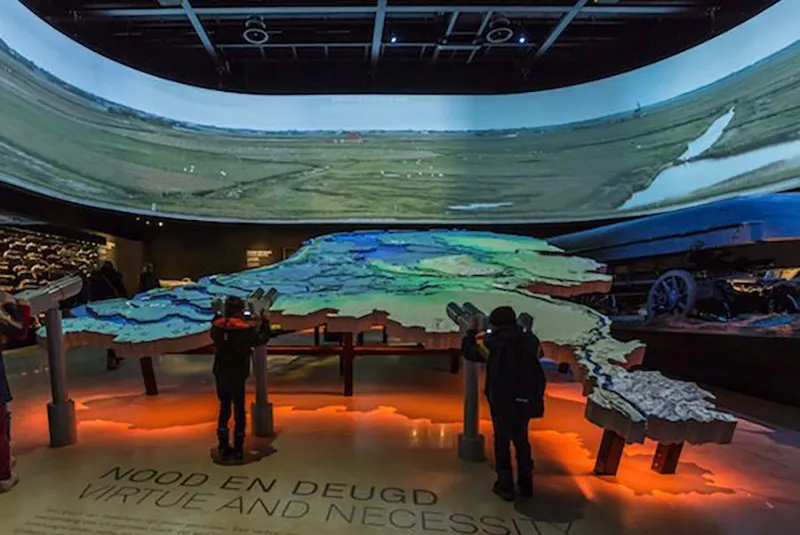
How to better introduce all information about exhibits to visitors? The LED display quickly attracts people’s attention with its high-definition and delicate pictures.
Imagine you stand in front of an exquisite handicraft, and the LED display next to it vividly describes its craft details and cultural stories behind it. Isn’t this more attractive than a simple verbal description?
How Museums Are Using LED Displays
1. Immersive Exhibition Walls
Imagine a 10m x 3m LED wall showing ancient Rome — with moving crowds, changing light from sunrise to sunset, and animated reconstructions of buildings.
Visitors don’t just read about history. They experience it.
Best for: History museums, cultural exhibits, archaeological displays.
2. Interactive Timeline Displays
Touch-enabled LED screens let visitors explore history at their own pace. Tap a year. Watch a video. Read a short description. Zoom in on artifacts.
Best for: Science museums, children’s museums, any chronological exhibit.
3. Digital Art Galleries
Rotating digital art on high-resolution LED screens. No framing costs. No shipping. No conservation concerns. Change the exhibit with a click.
Best for: Art museums, contemporary galleries, rotating exhibits.
4. Wayfinding & Information Kiosks
Large, bright LED screens at museum entrances and intersections help visitors navigate. Show current exhibits, restroom locations, cafe hours, and special events.
Best for: Large museums, multi-building campuses, science centers.
5. Donor Recognition Walls
A digital donor wall on LED displays rotates through donor names, photos, and thank-you messages. Far more engaging than a static brass plaque.
Best for: Development offices, museum lobbies, capital campaigns.
6. Social Media Integration
Display live social media feeds on lobby LED walls. “Tag us for a chance to be featured on our wall!” Visitors love seeing their photos appear.
Best for: Modern art museums, youth-focused exhibits, marketing campaigns.
How to Choose the Right Museum LED Display
Step 1: Identify Your Primary Use
| Use case | Recommended pixel pitch | Recommended brightness | Notes |
| Immersive wall (far viewing) | P3.9 – P4.8 | 1,000-1,500 nits | Viewers stand 3-10 meters away |
| Interactive touch screen (close) | P2.5 – P3 | 500-1,000 nits | Viewers touch and read up close |
| Wayfinding kiosk | P2.5 – P3 | 1,000-1,500 nits | Mixed viewing distances |
| Donor wall | P2.5 – P3.9 | 1,000-1,500 nits | Close and far viewing |
| Outdoor signage | P6 – P10 | 4,000-6,000+ nits | Sunlight visibility needed |
Step 2: Consider Conservation Requirements
Museums have unique environmental needs:
| Requirement | Why it matters | LED solution |
| Low heat emission | Heat damages artifacts | LED runs cooler than projectors |
| No UV radiation | UV fades colors and textiles | LED emits negligible UV |
| Low glare | Reflections distract visitors | Choose anti-glare finishes |
| Dimmable | Adjust for different exhibit lighting | All LED screens are dimmable |
Pro tip: For exhibits with light-sensitive artifacts (textiles, watercolors, photographs), keep LED brightness low (300-500 nits) and use motion sensors to activate only when visitors approach.
Step 3: Plan for Interactivity
If you want touch interaction, you need:
| Component | Purpose | Estimated cost add |
| Touch overlay | Adds touch sensitivity to LED | $500 – $2,000 |
| Interactive software | Content responds to touch | $1,000 – $10,000 |
| Computer / media player | Runs the interactive content | $500 – $1,500 |
Pro tip: For budget-conscious museums, start with non-interactive LED walls (display only). Add touch later as funding allows.
Cost Breakdown for Museum LED Displays (2026)
| Type | Size | Pixel Pitch | Estimated Cost (USD) |
| Small interactive display | 1.5m x 1m | P2.5 | $1,200 – $2,000 |
| Standard exhibit wall | 3m x 2m | P3.9 | $3,600 – $5,400 |
| Large immersive wall | 6m x 3m | P3.9 – P4.8 | $10,800 – $16,000 |
| Donor recognition wall | 2m x 1.5m | P2.5 – P3.9 | $2,400 – $4,000 |
| Outdoor signage | 2m x 1.5m | P6 | $3,000 – $5,000 |
Note: Costs include panels, processor, and cables. Does not include installation, touch overlays, or software.
Warranty: IvanLED offers 1-year warranty against manufacturing defects.
Success Story (Example)
Museo de Arte Contemporáneo, Mexico City
Problem: Low engagement in contemporary art galleries. Visitors spent less than 15 minutes in a 500m² space.
Solution: Installed three 3m x 2m LED walls showing rotating digital art and artist interviews.
Result: Average dwell time increased to 35 minutes. Visitor satisfaction scores up 40%. Social media mentions tripled.
This is an example. Your results may vary.
Creative Applications Of LED Displays In Museum Exhibitions
These creative applications not only enrich the display format of museum exhibitions but also improve the audience’s participation and experience, making museum exhibitions more vivid, interesting, and technologically rich.
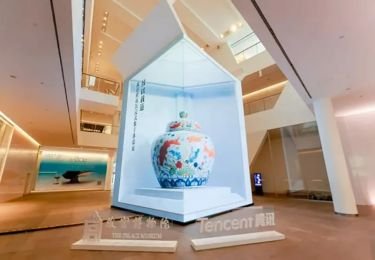
Immersive narrative
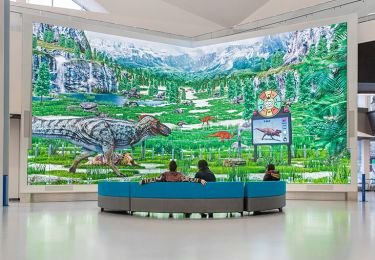
Virtual reality and augmented reality
LED displays can be combined with VR/AR equipment to provide viewers with virtual or augmented reality experiences. Audiences can wear VR glasses and see virtual exhibits or scenes through the LED display.
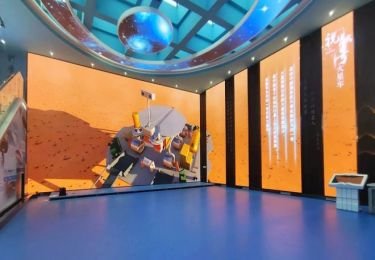
Cross-media integration
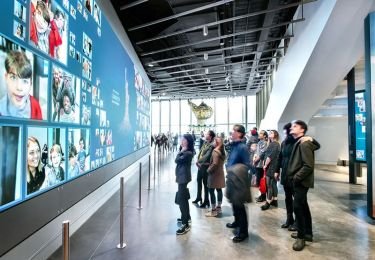
Dynamic art display
The dynamic picture effect of LED display can display some works of art that are difficult to present through traditional display methods. For example, the creative process of a painting or sculpture can be shown through moving images and animations.
LED Screens For Museum FAQ
If you still have questions about the LED display, it’s okay! We’ll help you answer it now! If you want to know more details about the museum LED display, please contact us.
Still have some questions?
1. Can the floor LED screen in the museum be controlled remotely?
2. How compatible are museum LED displays with dimming systems?
The compatibility of museum LED displays with dimming systems mainly depends on the design of the display and the type of dimming system. For specific information, please consult the LED display supplier.
3. Regarding the color rendering index, what is the performance of museum LED displays?
In a museum environment, the color rendering index (CRI) of LED displays is often very demanding to ensure that the colors and textures of exhibits can be accurately and realistically displayed. LED displays with a high color rendering index (CRI 80 or above) can better restore the true colors of exhibits, making them more vivid and natural.
4. What is the general point spacing of LED display screens in museums?
The point spacing of LED display screens in museums is generally determined based on the screen size and viewing distance. In places like museums that require fine display and a clear visual experience, the pixel pitch of the LED display is usually chosen to be smaller to ensure that the audience can clearly see the content on the screen.
For Museums: LED That Preserves & Engages
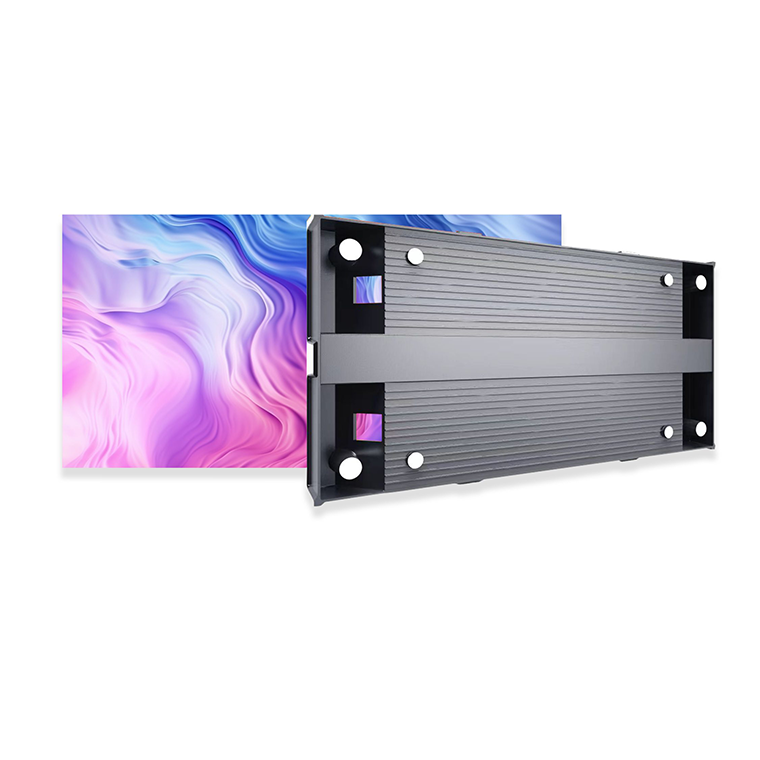
Front Maintenance
P1.56/P1.95/P2.6/P2.9/P3.9
Die Casting Aluminum
Indoor
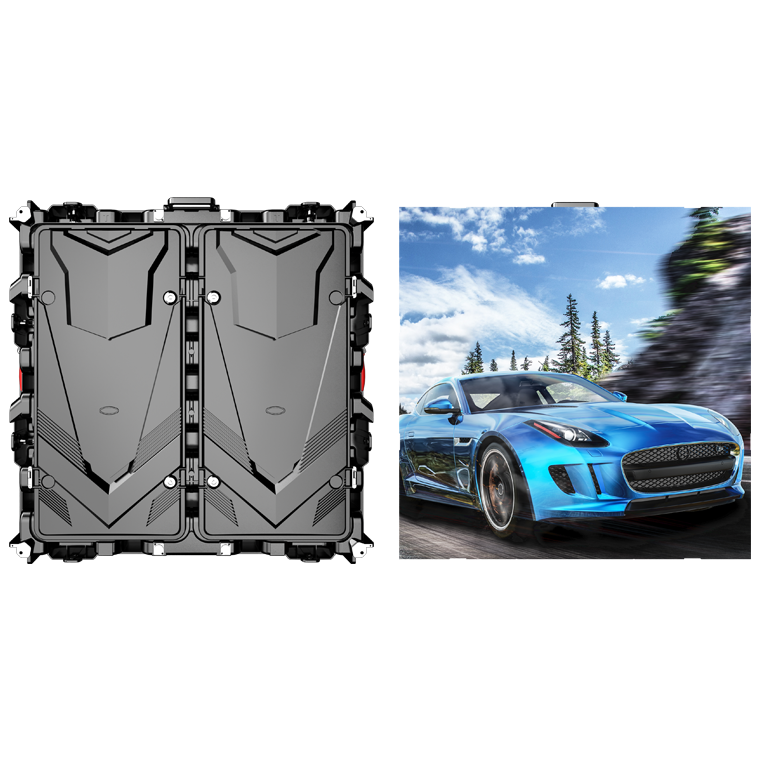


Front Maintenance
P4/P3.076/P2.5/P2/P1.86/P1.53/P1.25
Die-cast aluminum
Indoor
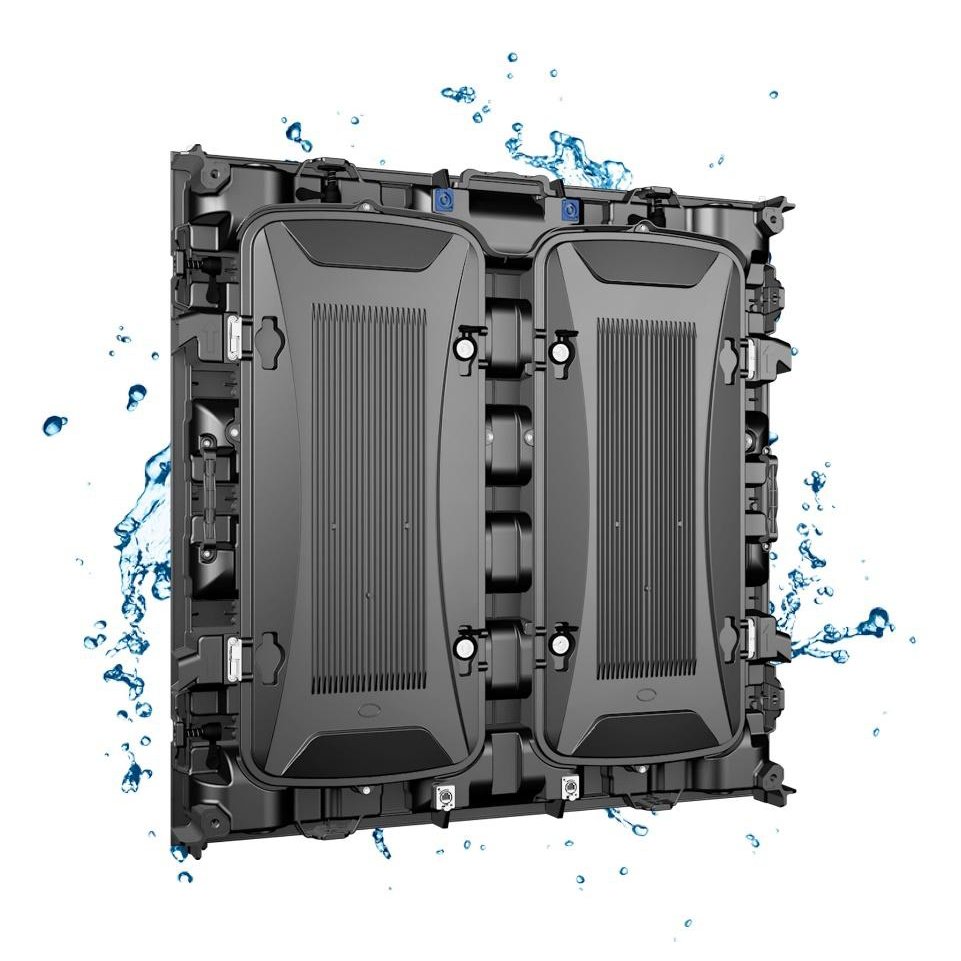
Rear Maintenance
P10/P8/P6.67/P5/P4/3.076/P2.5/P2
Die-cast aluminum
Indoor/Outdoor
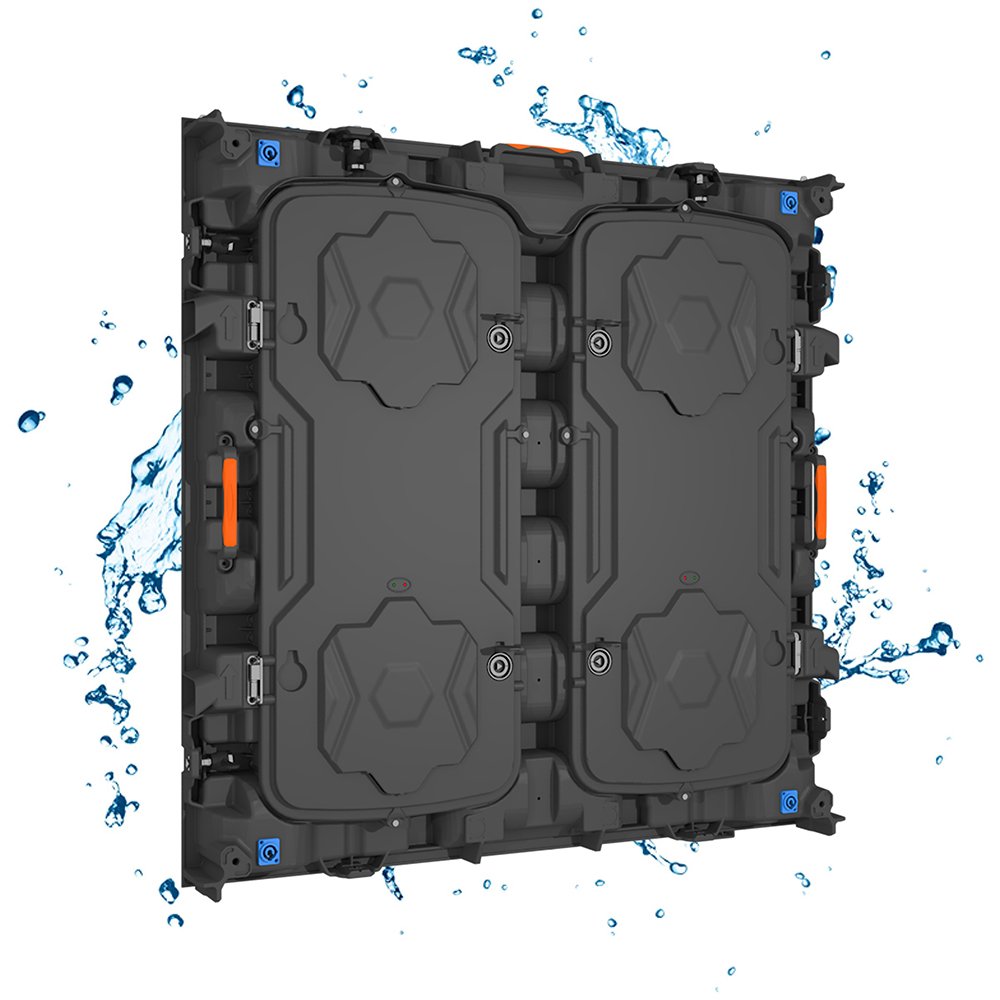
Rear Maintenance
P4/P5/P6.67/P8/P10/P13.33
Magnesium/Aluminum (alloy)
Indoor/Outdoor

Front Maintenance
P0.625/P0.78/P0.93/P1.25/P1.56/1.87
Die-casting aluminum
Indoor

Rear Maintenance
P3.91/P4.81/P6.25/P7.81/P10.42
Hoisting and fixed installation
Outdoor
Conclusion
Museums face three persistent problems: low engagement, static exhibits, and missed revenue.
LED displays solve all three.
- ✅ Increase dwell time – motion catches attention, keeps visitors longer
- ✅ Bring exhibits to life – video, animation, and interactivity
- ✅ Generate revenue – happier visitors spend more in stores and cafes
- ✅ Protect artifacts – low heat, no UV, dimmable
- ✅ Create shareable moments – social media buzz, free marketing
Whether you run a history museum, science center, art gallery, or children’s museum, LED displays are the most effective way to engage modern visitors.
At IvanLED, we have supplied LED displays to museums across Mexico and many other countries. We understand the unique requirements of cultural institutions — low heat, UV-free, conservation-safe. We can help you choose the right display for your next exhibition.
Get a Quote for Your Museum LED Display
Ready to transform your museum exhibits?
At IvanLED, we manufacture high-quality LED displays for museums, galleries, and cultural institutions.
What we offer:
Immersive exhibition walls
Interactive timeline displays
Digital art galleries
Wayfinding kiosks
Donor recognition walls
Tell us about your exhibit space, desired interactivity level, and budget. We will reply within 24 hours with a free quote.