






Classification by LED Packaging Technology
· DIP (Dual In-line Package)
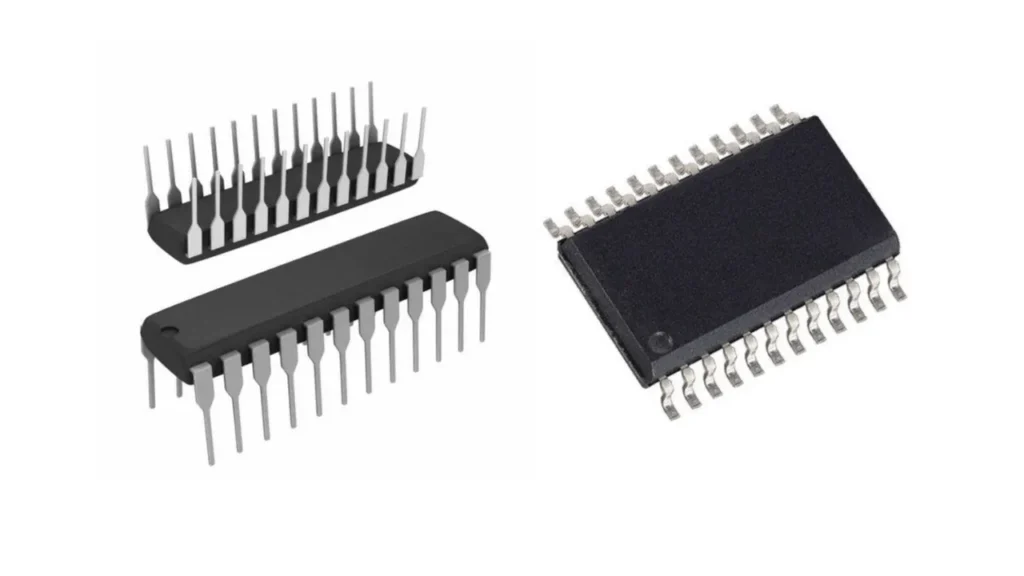
The individual bulbs are used in DIP LED for high brightness and durability. You used them for outdoors, especially in billboards and stadium displays. They are perfect for long-range visibility, work well in direct sunlight and harsh conditions, and have excellent weather resistance.
· SMD (Surface-Mounted Device)
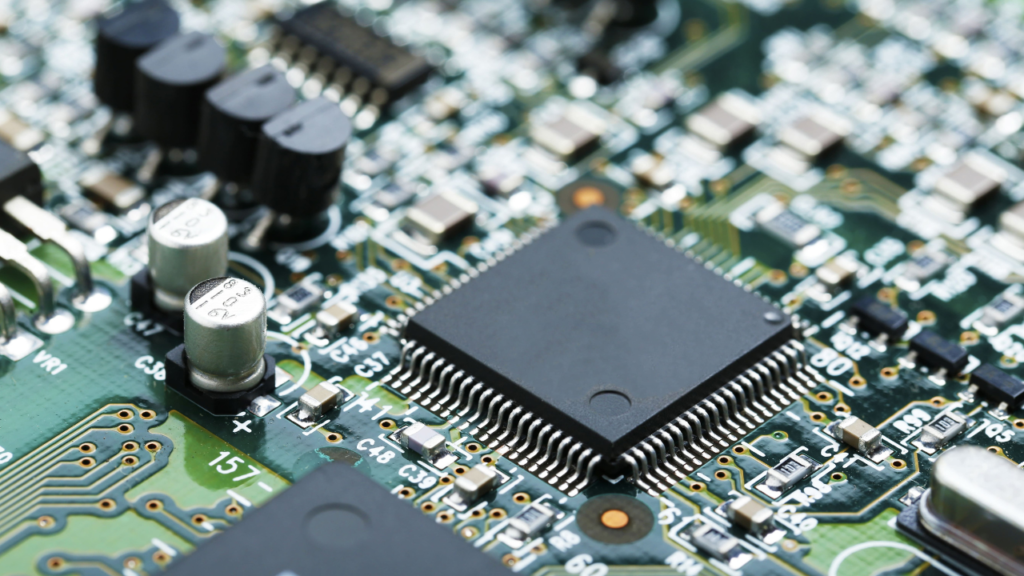
SMD modules come with compact and high-resolution displays with wider viewing angles. Color mixing and image clarity are better with the LEDs mounted on the board. SMD is good when you’re going to use them inside or semi-outside, good for retail spaces, control rooms, or as backdrops at events where you want vibrant visuals.
· COB (Chip on Board)
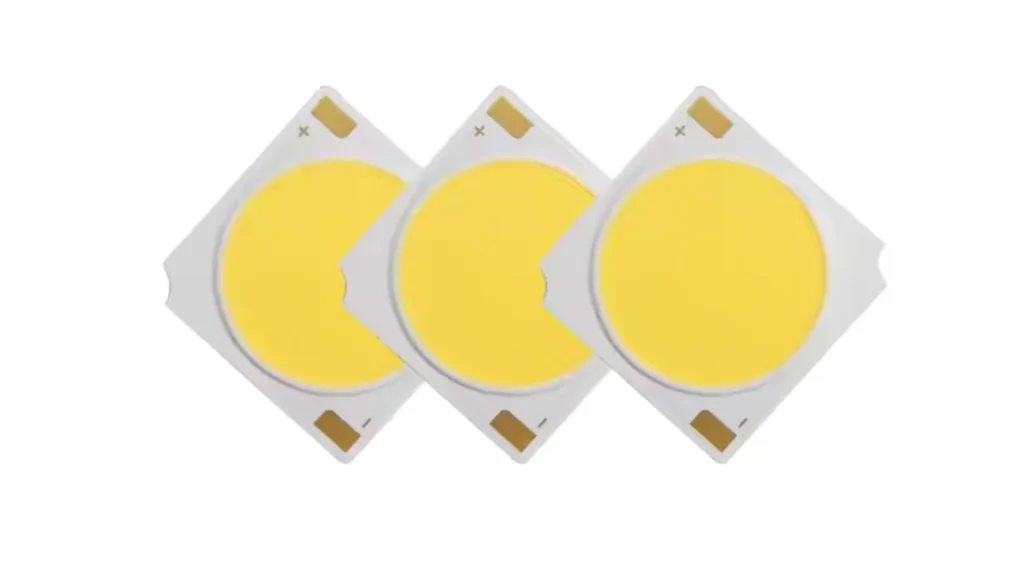
COB technology allows multiple LED chips can be directly packaged with a substrate to decrease glare and improve thermal efficiency. COB modules are superior for use in situations where you require rugged, lightweight displays for indoor digital signage in moderately to heavily traffic commercial locations in which reliability is a paramount concern.
· GOB (Glue on Board)
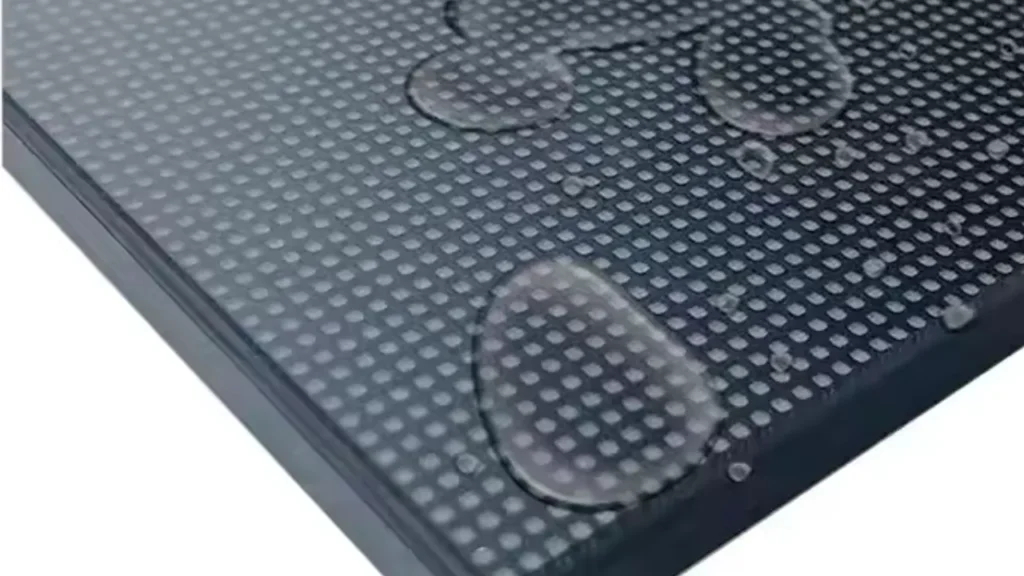
You need extra protection thanks to the transparent glue layer across the LEDs with a GOB. It’s impact resistant and waterproof, so your displays will be more rugged. GOB is helpful for visual quality and durability. It is safe in rental setups and where you have interactive LED floors.
· IMD (Integrated Matrix Devices)

The IMD packages use multiple LEDs in a matrix, improving the number of pixels per unit area and reliability. In high-definition displays, it gives you a smoother image with fewer gaps. When building fine pitch LED screens for use in corporate boardrooms or broadcast studios, IMD should be your first choice.
· Mini LED
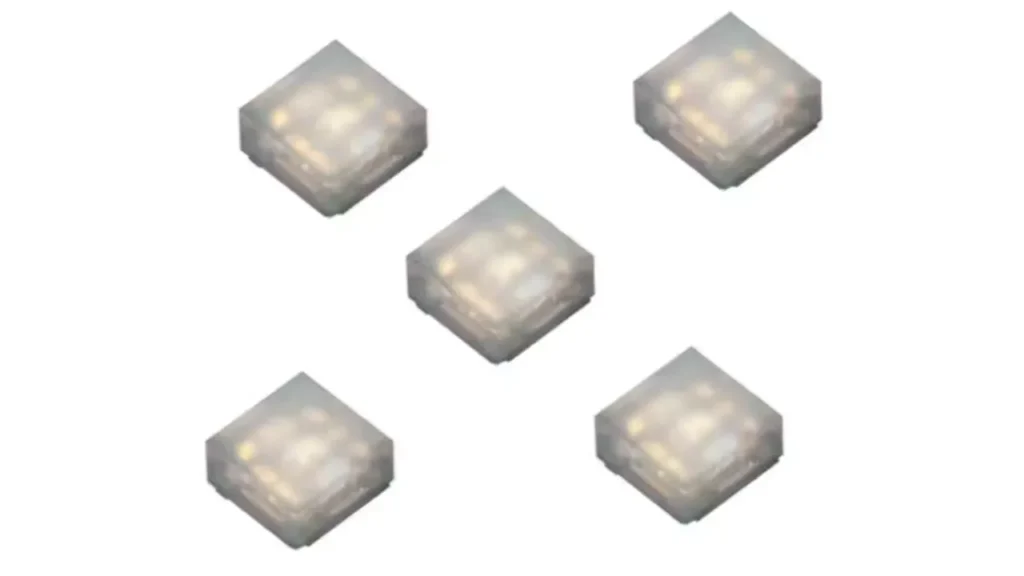
It implies the smallest type of LED. Mini LED strikes a balance between traditional LED and micro LED. This provides you with increased brightness, contrast, and longevity. Mini LED modules provide a sleek, precise light when creating premium displays for showrooms and retail environments as they demand high-end visuals.
· Micro LED

Micro LED produces perfect brightness, contrast and is very efficient in energy efficient. Intended to deliver advanced clarity, long life, and without compromise on visual excellence, your micro LED modules are ideal for creating the perfect luxury signage or immersive video wall.
Classification by Color Capability
· Single-Color Modules

When your content only involves text or alerts, its single-color modules that you will use. For simple messages, you should typically see red or green LEDs. They are quite cost-effective and quite easy to handle, and they are ideal for banks, transportation signs, or industrial setups where you just need clear, direct communication.
· Dual-Color Modules
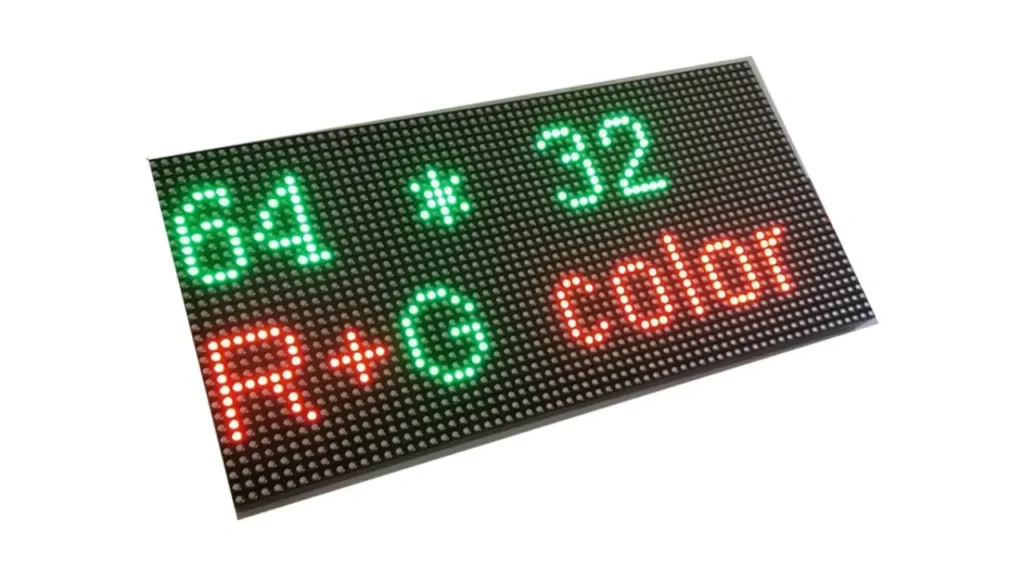
Dual color modules contain more dynamic messages as they contain two LED colors: red and green. You can also create amber tones and highlight specific content for better engagement. They are ideal for situations where you want to enhance communication on public signs, queues, and notification boards.
· Full-Color Modules (RGB)
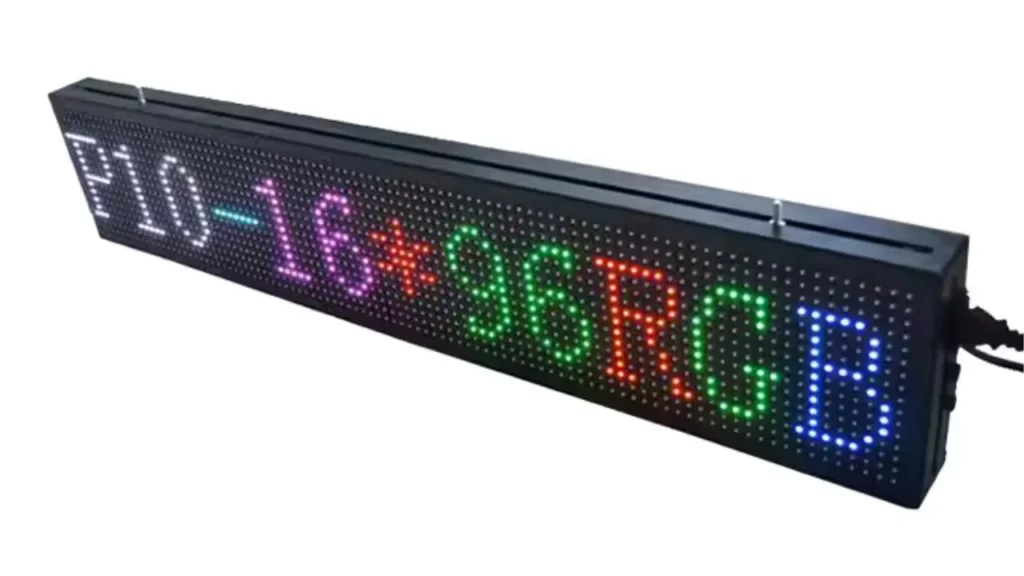
In cases where you need vivid, lifelike visuals, RGB modules should be your choice. Combined, the red, green, and blue LEDs make millions of colors. They are ideal for use in advertising, events and digital signage as they will help you captivate the audience wherever you install them.
Classification by Installation Environment
· Indoor LED Modules
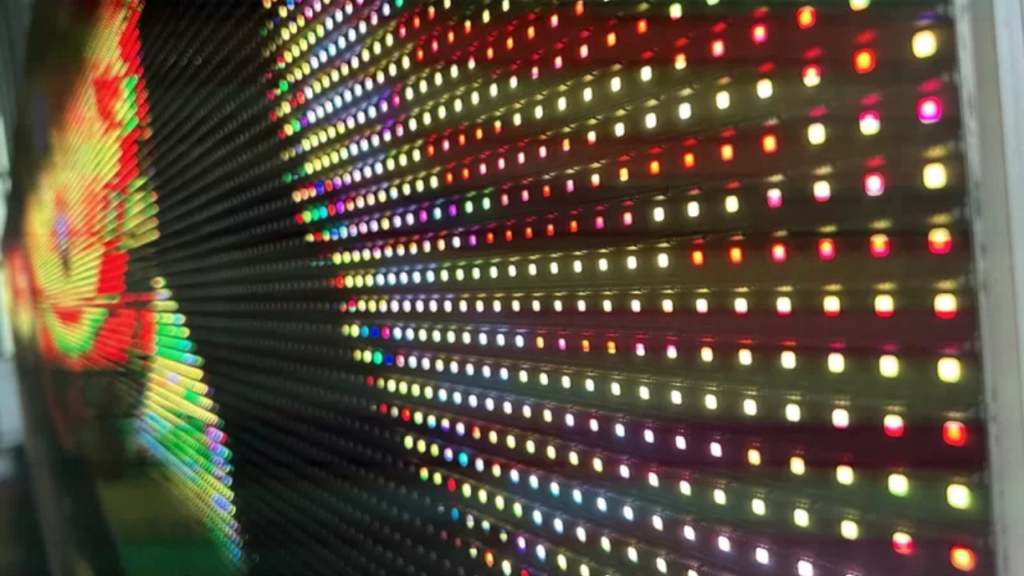
High resolution and low brightness are used in retail, events, and control room settings where indoor LED modules are good options. The visuals are smooth, and you don’t need weather protection in case the audience is well-lit, but it does you well for close-range clarity.
· Outdoor LED Modules
The outdoor LED modules are high in brightness, have waterproof casings, and are also UV resistant. You will use them in billboards, stadiums, etc., or you can project them digitally using hoardings. They have a clear visibility in sunlight and also stand up in harsh weather, thus ideal choice for permanent or large-scale outdoor installations.
· Semi-Outdoor LED Modules
You can use semi-outdoors modules to fulfill the protective and brightening function if you are installing entrances, shop fronts, and window displays. You have moderate weather resistance and improved visibility under ambient light. They are cost-effective if the area is sheltered and still subject to limited environmental exposure.
Classification by Pixel Pitch and Resolution
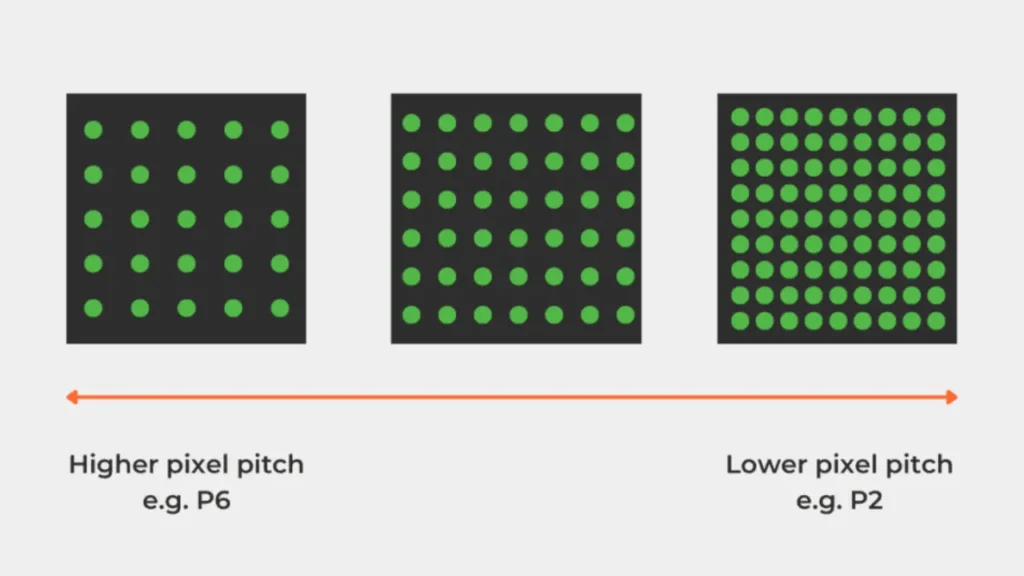
· Coarse Pixel Pitch (P10 and above)
For viewers who can view from some distance, choose a coarse pixel pitch. Your P10 and above lights work well for highways, stadiums, and building exteriors. Its high brightness with low cost per square meter will further help save cost and consider visual impact more than fine detail.
· Medium Pixel Pitch (P3–P10)
Medium pixel pitch (P3-P10) is suitable for versatile indoor and outdoor displays where there is a good balance between detail and visibility. These modules will be used for malls, transport hubs, or stage backdrops for any environments where viewers are at a normal distance. Good resolution and cost-efficiency are this sweet spot.
· Fine Pixel Pitch (P0.9–P2.5)
Fine pixel pitch modules deliver stunning clarity with great precision from close. They are being used in board rooms, studios, and luxury retail spaces. You will experience crisp, macro-level, high-definition visuals as good as an LCD screen in an environment where image detail and an immersive experience matter most.
Classification by Application and Form Factor
· Rental LED Displays
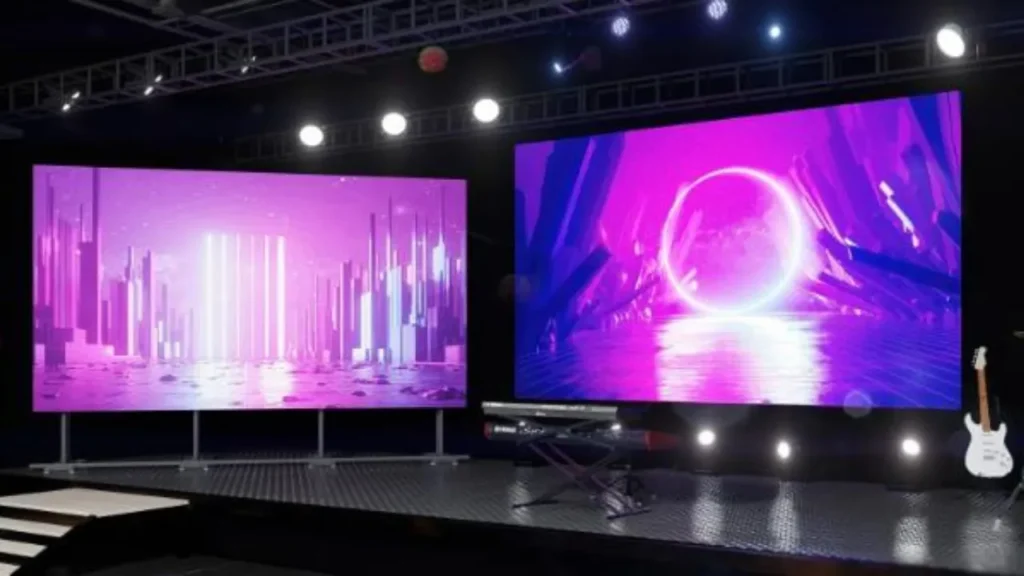
Rental LED displays have great attributes like their rapid assembly and disassembly. They are portable, reusable, and best for events, concerts, and trade shows. Easy setup and teardown and light weight. It saves time by providing professional visuals.
· Fixed Installation Displays
Permanent setups lead you to fixed LED displays. These modules provide a level of stability and performance that can be applied to storefronts, control rooms, and corporate lobbies. Custom sizing, weather resistance (for outdoor use), and minimal maintenance are all that you’ll get in return to have a reliable, always-on visual solution.
· Flexible LED Modules
Flexible LED modules provide the possibility to bend and shape displays in the form of pillars, arches, or other unique structures if your requirement is a curved or a creative screen design. For museums or where regular screens can’t be used in your creative vision as stage designs, or artistic installations, etc., you’ll use them.
· Transparent LED Displays
Dynamic content is shown without blocking visibility on transparent LED displays. These have good bright interiors, which can serve as perfect retail windows and glass facades for brand presence. You will attract attention while not spoiling the originality of the area and still is great for futuristic, aesthetic-forward installations.
· Poster LED Displays
Poster LED displays are convenient for plug-and-play promotions, especially in retail. You will get high-resolution visuals will be put in a sleek, freestanding format, which is perfect for dynamically updating content. You can use them in showrooms, malls, or exhibitions to exhibit branding as well as ads with minimal setup.
· Mobile LED Trailers
Need flexibility on the move? Mobile LED trailers are pre-mounted screens on wheeled platforms that are suitable for use as outdoor advertising, political rallies, and public announcements. If you need instant, mobile visual impact, their quick deployment, ability to tow to any location, and immediate start broadcasting is a good one.
· Sports Perimeter LED Displays
Sports arenas and stadiums can use sports perimeter LED displays to engage audiences in ads, scores, and animations. You will get a shockproof layout and high rates of refresh. These modules resist impact and weather, these are must-haves for having live sports events with the maximum attention from audiences.
· Creative LED Displays
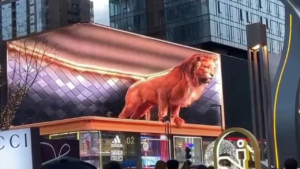
Thinking outside the box? The Creative LED Displays are your way to create 3D visuals, distorted shapes, and artistic installations. They will impress and gain the attention of audiences to immerse form and function and powerful imagery. They will be used for Stage productions, Theme parks, and anywhere for big visual statements.
Classification by Maintenance Access
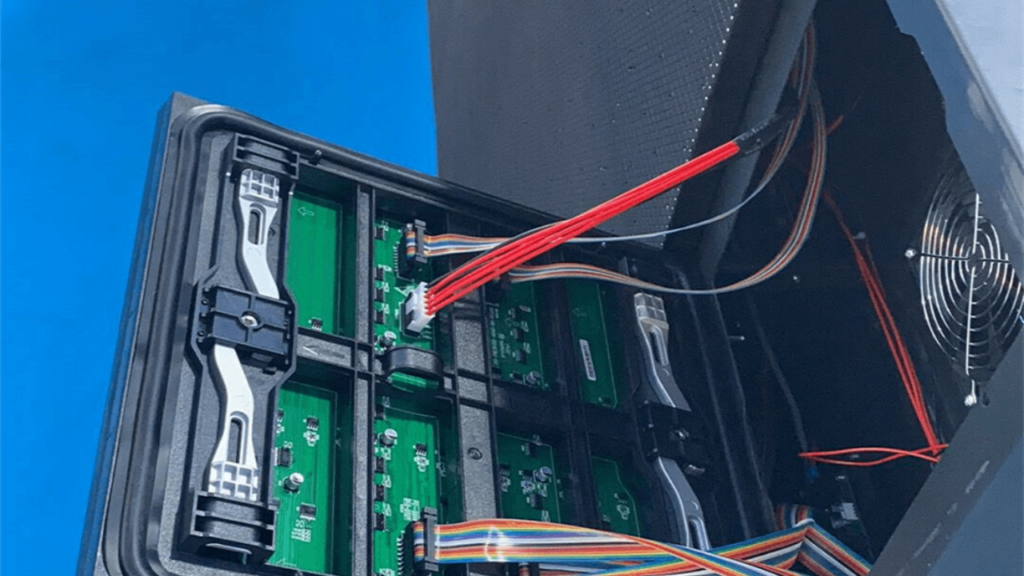
· Front Maintenance Modules
The front maintenance modules make it easy to access from the front of the display. This is an excellent thing to use on wall mount or tight-space installations. You do not need rear access thus permitting more design flexibility, especially when it is for an indoor, embedded display environment.
· Rear Maintenance Modules
Rear maintenance modules can give you an easy way to maintain equipment if space isn’t an issue. They will often be used in larger outdoor displays where technicians can work from behind. These can be simple, cheap, and reliable for installations offering good backside access.
Classification by Control System
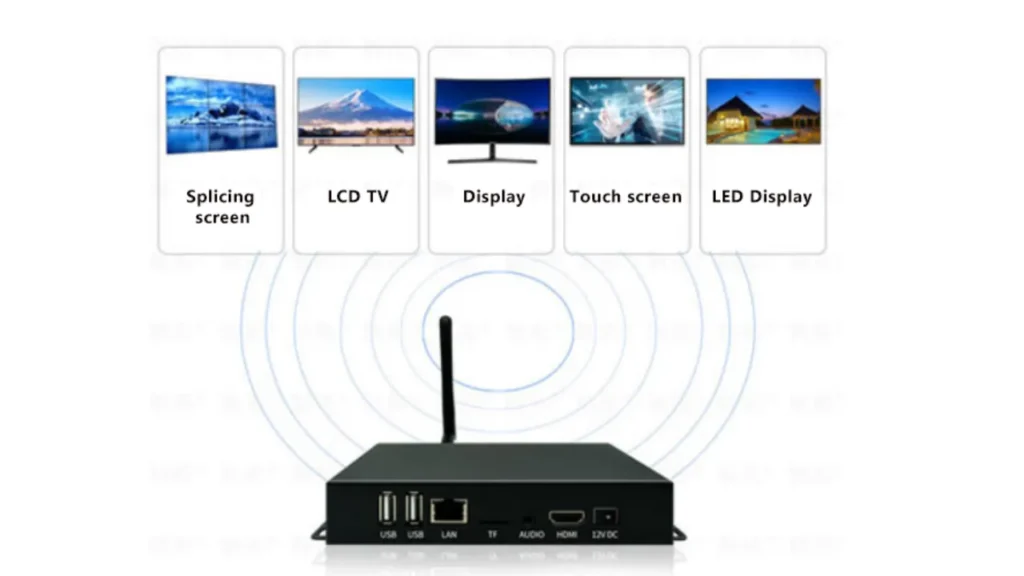
· Synchronous LED Displays
Real-time content displayed on synchronous LED displays is updated with the help of a computer or a media server. This is a very reliable system if you are running live events, concerts, or broadcasts and so everything flows smoothly, and you have direct control. The precision will come in handy for time-sensitive, high-impact visual applications.
· Asynchronous LED Displays
An asynchronous LED display runs content without a continuous external connection. It supports preloading ads, messages, and schedules, ideal for digital signage in retail, transportation, or public spaces. You will get reliable playback during 24 hours of operation with no or minimal human intervention.
Conclusion
Ivanled is a trustworthy LED display partner if you are looking for one. They have more than a decade of experience offering a variety of certified indoor and outdoor LED modules. You can be sure that quality and customer satisfaction are their top priority.
FAQs
· What is the lifespan of a typical LED display module?
With proper use, you can expect most of the LED display modules to last 50,000 to 100,000 hours of constant use. With the right maintenance, minimal use of harsh conditions, your display will operate well for years with little problems.
· Can LED display modules be repaired individually if damaged?
Your display may be comprised of several modules; it is possible to fix or replace individual modules without altering the full display. The first thing you need to do is just find the faulty unit and change that out.