








1. What Is a Stadium LED Display?
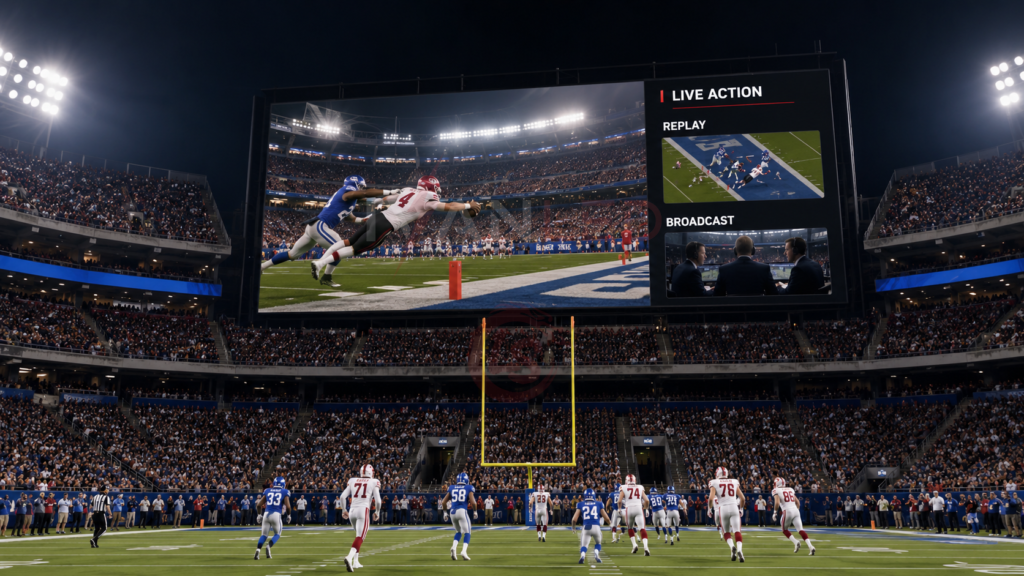
A stadium LED display is a large-format LED screen specifically designed for sports venues. These displays are engineered to deliver high brightness, exceptional clarity, and reliable performance in challenging outdoor or indoor environments. They serve multiple functions:
- Live event broadcasting and replays
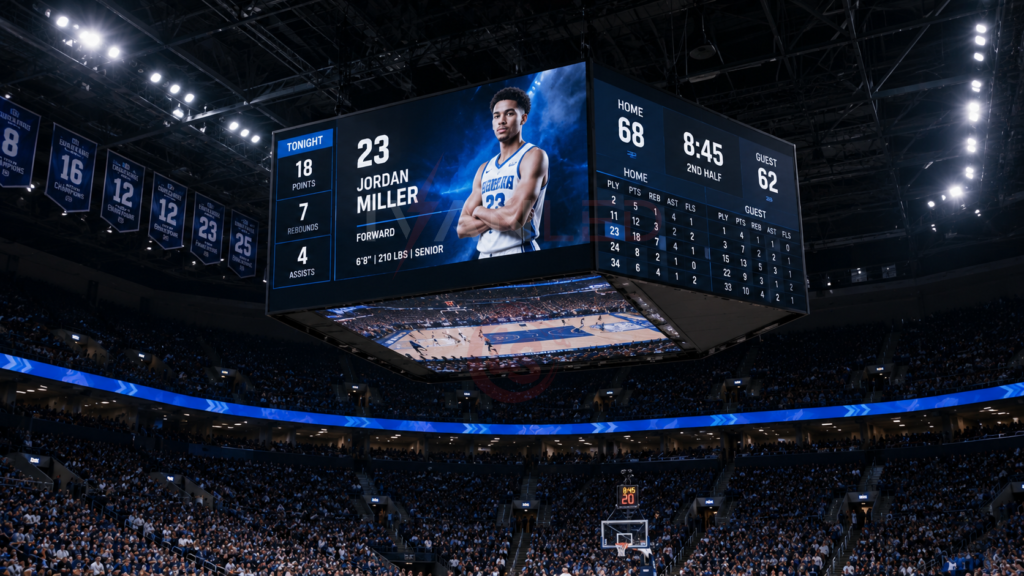
- Score and statistics display
- Commercial advertising and sponsorship
- Fan engagement and atmosphere enhancement
- Instant replay and referee review support
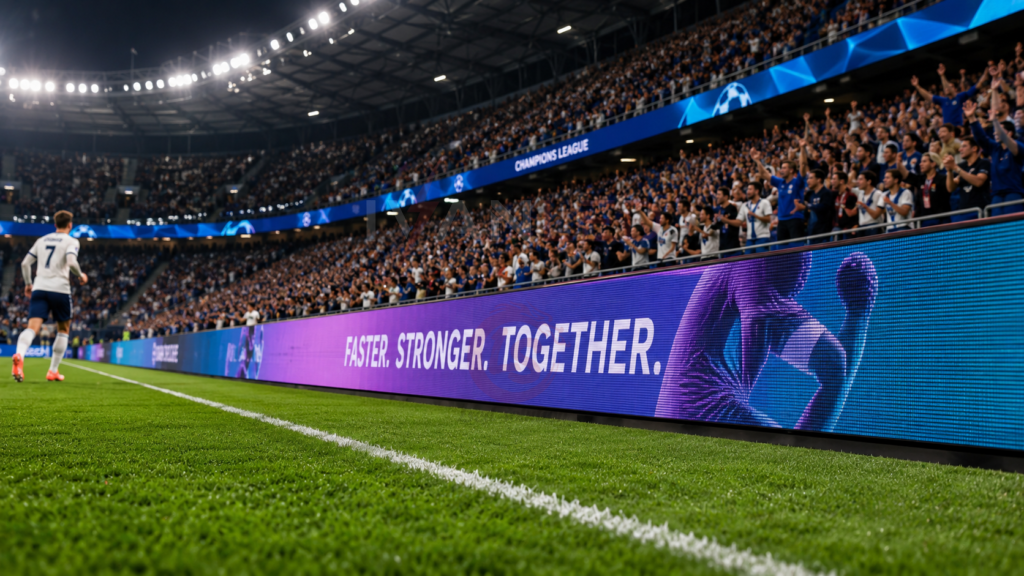
Stadium LED displays are typically installed in perimeter walls, center-hung configurations, end-zone walls, or exterior columns, depending on the venue layout and fan sightlines.
2. Key Features of Stadium LED Displays
| Feature | Description | Why It Matters for Stadiums |
| High refresh rate | 1,920Hz – 3,840Hz | Ensures flicker-free slow-motion replays and broadcast-quality video |
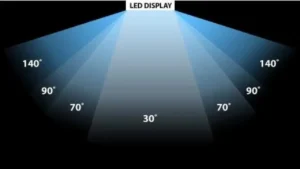
| Wide viewing angle | 140° – 160° horizontal and vertical | Ensures clear visibility from every seat in the stadium |
| High brightness | 5,000 – 7,500+ nits (outdoor) | Maintains visibility in direct sunlight and bright conditions |
| Weatherproofing | IP65 – IP67 | Protects against rain, dust, and extreme temperatures |
| Impact resistance | Protective masks and padding | Protects athletes and spectators from injury in case of impact |
| Durability | 50,000 – 100,000 hours lifespan | Withstands 24/7 operation and harsh outdoor conditions |
2.1. High Refresh Rate for Broadcast Quality
Stadium LED displays require refresh rates of at least 1,920Hz and preferably 3,840Hz for broadcast applications. This ensures that slow-motion replays are free of flicker and motion blur, providing a professional viewing experience for both in-stadium audiences and television viewers.
2.2. Wide Viewing Angle for Large Venues
With viewing angles of 140° or more, stadium LED displays ensure that fans seated anywhere in the venue — from center court to the upper deck — can clearly see the content. This is critical for large stadiums where sightlines vary significantly.
2.3. Enhanced Protection and Safety
Stadium displays face unique risks: impact from balls, collisions with athletes, and environmental exposure. Protective features include:
- Soft masks and padding – Reduce injury risk in case of impact
- IP65+ weatherproofing – Protect against rain, snow, and humidity
- UV-resistant materials – Prevent yellowing and degradation from sunlight
3. Why Sports Venues Need LED Displays
3.1. Extended Lifespan and Reliability
Stadium LED displays are built to last. With rated lifespans of 80,000–100,000 hours, they outlast traditional display technologies by years. Their robust construction withstands weather extremes — rain, snow, heat, and strong sunlight — ensuring reliable operation season after season.
3.2. Professional-Grade Visual Quality
Modern LED technology delivers superior color reproduction, brightness, and contrast. This ensures that every pass, goal, and celebration is captured with stunning clarity, enhancing the viewing experience for fans and broadcasters alike.
3.3. Flexible and Modular Installation
LED displays use a modular cabinet design, allowing for flexible sizing, curved configurations, and easy expansion. This makes installation faster and more adaptable to different venue layouts, from small arenas to massive outdoor stadiums.
3.4. Programmable Lighting and Atmosphere Control
Beyond displaying content, stadium LED screens can be programmed for dynamic lighting effects. They can synchronize with music, pre-game shows, and post-game celebrations to create immersive fan experiences that build excitement and loyalty.
3.5. A Powerful Advertising Channel
Stadium LED displays offer sponsors a high-visibility, high-impact advertising medium. Dynamic ad content can be updated instantly, enabling targeted campaigns and multiple sponsorship rotations during a single event. This creates significant revenue opportunities for venue operators.
4. Types of Stadium LED Displays by Application
| Display Type | Description | Primary Function |
| Full-color main screen (end-zone) | Large-format screen at one end of the stadium | Live action, replays, event information, sponsorship |
| Perimeter LED screen | Low-profile screens along the field perimeter | Commercial advertising, sponsor branding |
| LED scoring screen | Dedicated display for real-time scores and stats | Player statistics, team information, game clock |
| Center-hung / Funnel LED screen | Multi-sided screen suspended above the court | Athlete introductions, live action, replays, stats |
| Stadium wall LED display | Large screen mounted on an end-zone wall | Live event broadcasting, real-time updates |
| Outdoor column LED display | Screens mounted on exterior stadium columns | External advertising, event promotion, wayfinding |
5. Stadium LED Displays by Installation Environment
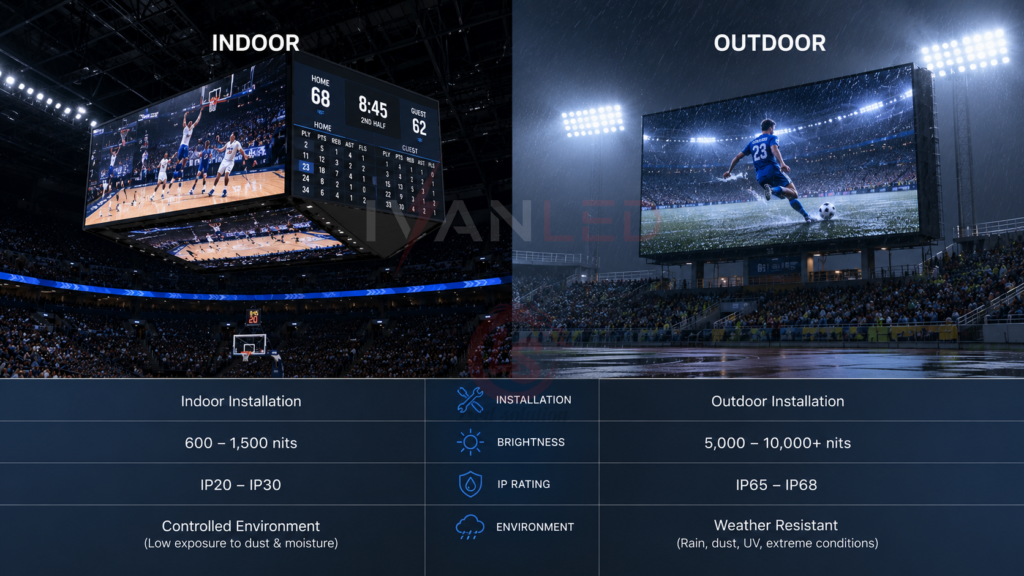
5.1. Indoor Stadium LED Screens
Indoor screens require high resolution (fine pixel pitch) and excellent color accuracy for close viewing. They typically operate in controlled lighting environments and do not require weatherproofing.
Examples: Center-hung scoreboards, wall-mounted end-zone screens, ribbon displays.
5.2. Outdoor Stadium LED Screens
Outdoor screens demand high brightness (5,000–7,500+ nits), IP65+ weatherproofing, and robust cooling systems. They must withstand direct sunlight, rain, and temperature extremes.
Examples: Perimeter advertising boards, column-mounted exterior screens, large-format billboards.
6. How to Choose the Right Stadium LED Display
6.1. Assess Viewing Distance and Sightlines
Determine the distance from the screen to the furthest seats. For distances over 20 meters, a larger pixel pitch (P6–P10) is sufficient. For closer viewing (under 10 meters), finer pitch (P3–P5) is recommended.
6.2. Evaluate Environmental Conditions
Is the screen indoor or outdoor? Outdoor screens require IP65+ weatherproofing, high brightness (5,000+ nits), and UV-resistant materials. Indoor screens prioritize resolution and color accuracy.
6.3. Consider Safety and Impact Protection
For screens near the playing field, choose displays with soft padding and impact-resistant masks to protect athletes and officials. This is particularly important for perimeter boards and end-zone screens.
6.4. Determine Refresh Rate Requirements
If the screen will be used for broadcast or slow-motion replays, choose a refresh rate of 3,840Hz. For basic scoreboard and advertising functions, 1,920Hz is sufficient.
6.5. Plan for Integration with Scoring and AV Systems
Stadium LED displays must integrate seamlessly with timing and scoring systems, video servers, and broadcast equipment. Choose a display solution that supports standard interfaces (HDMI, SDI, IP-based control).
6.6. Protect Against Environmental Extremes
For outdoor installations, verify that the display has:
- IP65+ rating for water and dust protection
- V0 flame retardant rating for fire safety
- UV-resistant coating to prevent discoloration
- Temperature management (active cooling for hot climates)
7. Expert Tips for Stadium LED Display Buyers
Tip 1: Prioritize high refresh rate for broadcast.
If your stadium hosts televised events, invest in a 3,840Hz refresh rate. This ensures flicker-free slow-motion replays and professional broadcast quality.
Tip 2: Choose the right brightness for outdoor visibility.
Outdoor stadium displays need a minimum of 5,000 nits for direct sunlight visibility. For covered or shaded areas, 3,500–4,500 nits is sufficient.
Tip 3: Plan for future expansion.
Choose a modular LED system that allows for future screen enlargement, resolution upgrades, or reconfiguration as venue needs evolve.
Tip 4: Verify safety certifications.
For perimeter and end-zone screens, ensure they meet relevant safety standards for impact resistance and fire retardancy.
Tip 5: Order spare modules with your initial purchase.
Color and brightness vary between production batches. Spare modules purchased with your order ensure a perfect match for future repairs.
8. Frequently Asked Questions (FAQ)
Q1: What is the typical lifespan of a stadium LED display?
Quality stadium LED displays have a rated lifespan of 80,000–100,000 hours (L70). With proper operation (70–80% current) and adequate cooling, they can last 8–12+ years in commercial use.
Q2: What refresh rate do I need for a stadium LED display?
For broadcast and slow-motion replays, choose 3,840Hz. For basic scoreboard and advertising functions, 1,920Hz is sufficient. The higher refresh rate ensures flicker-free video on television broadcasts.
Q3: Can stadium LED displays be used in all weather conditions?
Outdoor stadium LED displays with IP65+ weatherproofing, UV-resistant materials, and robust thermal management can operate in rain, snow, heat, and direct sunlight. Always verify the IP rating and temperature range for your specific climate.
Q4: How much does a stadium LED display cost?
Costs vary widely based on size, pixel pitch, brightness, and installation complexity. As a general guide, outdoor stadium displays range from $1,500 to $5,000+ per m². Perimeter and scoring displays are typically less expensive. Contact us for a custom quote.
Q5: Does IvanLED offer stadium LED display solutions?
Yes. IvanLED provides custom stadium LED display solutions, including main screens, perimeter boards, center-hung displays, and scoring systems. Our displays feature high refresh rates, wide viewing angles, and robust weatherproofing. Contact us to discuss your venue requirements.
9. Conclusion: Elevate Your Stadium with LED Technology
Stadium LED displays are essential investments for modern sports venues. They enhance the fan experience, create new revenue streams through advertising, and deliver professional-grade visuals for broadcast and replay.
IvanLED’s straightforward advice for 2026:
– For outdoor stadiums, prioritize high brightness (5,000+ nits), IP65+ weatherproofing, and 3,840Hz refresh rate.
– For indoor arenas, focus on fine pixel pitch (P3–P5), high contrast, and seamless integration with scoring systems.
– Plan for modular expansion and future upgrades to adapt to changing technology and venue needs.
– Always work with a supplier that understands safety requirements, impact protection, and broadcast standards.
At IvanLED, we manufacture high-quality stadium LED displays designed for the rigors of live sports and broadcast. Our solutions are engineered for durability, performance, and fan engagement. Contact us to discuss your venue requirements.
Ready to upgrade your stadium with LED technology?
👉 Contact IvanLED for a free consultation and customized stadium LED display quote.