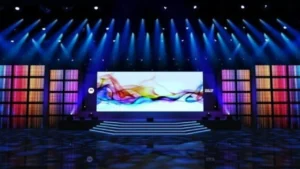









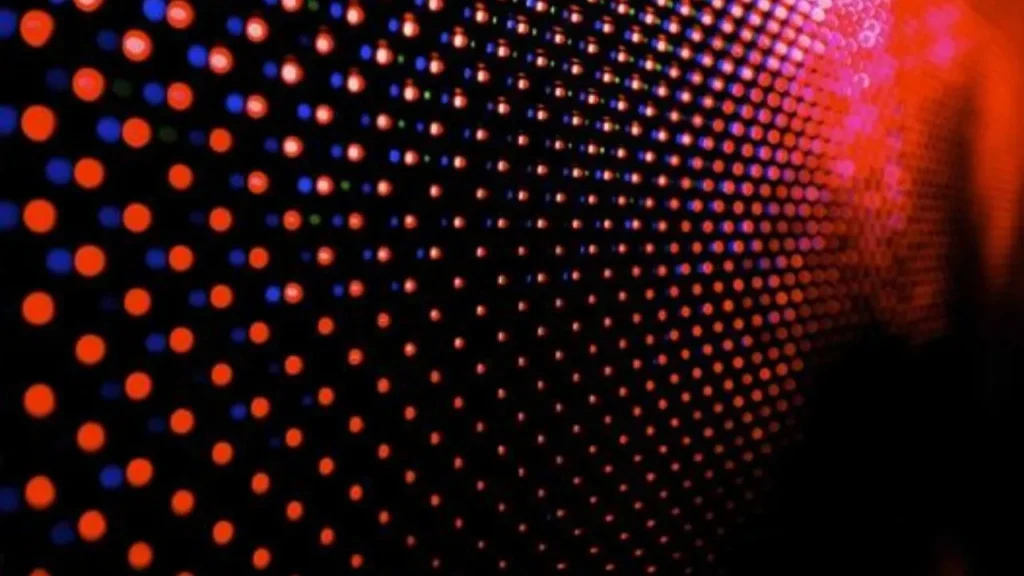
What is LED Display Texture?
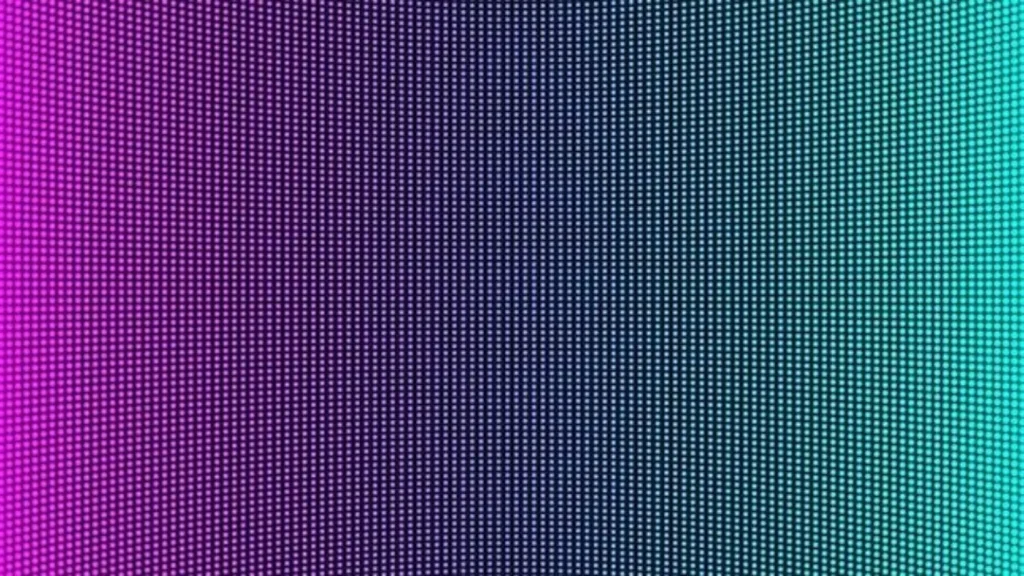
LED display texture describes the physical surface characteristics of an LED display panel. This includes pixel arrangement, surface smoothness, protective layers, and surface smoothness. These features affect how light emits and reflects.
The color accuracy, brightness consistency, and contrast of your LED depends on texture. Therefore, texture plays an important role in durability and visual quality of LED screens in different environments.
What Components Influence the LED Display Texture?
There are different components that contribute to the texture of your LED displays. These components include;
LED Lamp Type and Encapsulation Materials
LED lamps are available in different types like GOB, SMD, or COB. Each type affects light diffusion and surface texture differently. Encapsulation materials can affect how light discharges from the lamp, which can also impact color consistency and glare.
Some encapsulation systems protect your LED panels against impact and moisture, thereby improving surface uniformity.
Pixel Pitch and Pixel Density
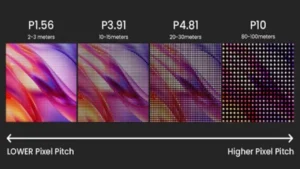
Pixel pitch is the gap between each LEDs, while pixel density describes how close the LEDs are. Smaller gaps between LEDs give a finer texture with better image detail, particularly at loose viewing. Larger pitches may affect surface continuity and visual sharpness.
Module Surface Materials
Surface materials can also affect perceived reflection and tactile smoothness. Materials like matte coatings or epoxy resin can enhance contrast and reduce glare. They can as well offer better resistance to environmental stress, thereby ensuring improved display texture.
Coating Layers and Pixel Mask
Coating layers and pixel masks control how light reflects between pixels. Quality coatings can enhance surface durability and anti-glare performance. Pixel masks can improve contrast, while improving the quality of the visual display.
Manufacturing Processes that Determine LED Display Texture Quality
The quality of an LED display texture depends on techniques integrated during the manufacturing processes.
Surface Finishing Techniques
The type of surface finishing technique integrated contributes to the final texture of your LED display. For example, processes like precision polishing and matte treatment improve how light disperses and minimize reflections. These surface finishing techniques provide a smoother and more even surface, thereby improving visual display. Manufacturers use these techniques for LED displays exposed to strong ambient lighting conditions.
Uniformity Control during Module Assembly
Manufacturers ensure proper alignment and control over LED placement during module assembly to ensure uniform surface texture across the whole display.
LED displays can have uneven brightness if there are differences in the spacing and height of encapsulation. It is possible to achieve uniform texture through precision tooling and automated assembly. This helps to achieve a perfect visual appearance.
Calibration Processes
Calibration helps to maintain the consistency of your LED display texture and its visual display. Color and brightness calibration reduced pixel-to-pixel differences. You can identify common defects like protrusions by carrying out surface inspections. These processes ensure accurate color reproduction and uniform texture in displays across various operating conditions.
Types of LED Display Textures

Smooth Texture
LED displays featuring smooth textures have smooth, even surfaces that ensure light reflects properly. Smooth textures allow sharp image detail and consistent brightness, making it suitable for indoor applications like conference spaces and studios. In very bright environments l, smooth surfaces may increase glare.
Matte Textures
Matte textures provide good viewing comfort because they soften reflections. They ensure light disperses evenly, thereby improving contrast and minimizing hotspots in mixed light conditions. Matte-textured display is useful in environments where there is a need for clear visuals e.g indoor commercial settings.
Anti-glare Texture
Anti-glare texture tones down reflections coming from my intense light sources. This texture uses specialized coatings to redirect light and ensure readability in very bright settings. Displays with this type of texture are ideal for use in outdoor environments where you can’t predict lighting conditions. Therefore, this texture is applicable for displays used in transportation hubs or retail signage.
Micro-textured Surfaces
Micro-textured surfaces control light diffusion by using engineered patterns. This is an advanced texture type that enhances viewing angles and contrast. It reduces glare and ensures great visual performance. Micro textures are suitable for high -end LED displays that require excellent image quality.
Effect of LED Display Texture on Visual Performance
Effect on Brightness Uniformity
LED display texture contributes to the brightness consistency across the screen. Light will disperse evenly if the surface texture is properly engineered. This also reduces hotspot areas and dark areas between pixels
Micro-textured surfaces with perfect finishing ensures light diffusion, which allows brightness level to be even across big display areas.
However, poor texture can affect the consistency of brightness, particularly if your display is high-resolution.
Impact on Contrast Ratio
Perceived contrast ratio depends on some factors like surface texture. Textures like anti-glare and matte usually minimize how ambient light reflects, which makes brighter whites and darker blacks to stand out.
These textures reduce unnecessary reflections, make image depth better and enhance readability, especially in bright settings. On the other hand, overly smooth surfaces may decrease effective contrast.
Effect on Color Consistency
LED display texture can also affect the color uniformity across the screen. With uniform surface finishing, light wavelengths disperse evenly, thereby preventing color shifts between adjacent pixels.
Advanced coating technologies and micro textures can ensure optimal color performance and uniform color reproduction across the whole screen.
Role in Reducing Moiré and Visual Noise
When interference occurs between viewing devices and pixel structures, this usually generates visual noise or moiré patterns. It is possible to stop such patterns with well-designed textures and optimized mask designs.
Micro-textured surfaces can enhance image quality, minimize visual noise, and maintain better content presentation across the screen.
Understanding LED Display Texture in Several Environments

Indoor LED Displays
These displays focus more on visual comfort compared to image clarity when dealing with viewing distances that are close. Textures that are smooth and usually used for delivering sharp details and reducing glare that could result from ambient lighting. A surface texture that is refined also plays a role in maintaining uniform brightness and color accuracy. This makes indoor displays suitable for retail spaces, offices, etc.
Outdoor LED Displays
Outdoor environments seek strong textures which have the ability to survive dust, weather, and sunlight. To maintain readability as well as reduce reflection when under sunlight, you should use micro-textured anti-glare surfaces. Also, these textures ensure greater levels of brightness as well as protect the surface of the display. This ensures a consistent performance even during harsh conditions.
Staging and Rental Displays
Staging and rental LED displays need versatile textures which function effectively under varying lighting conditions. Hybrid or anti-glare matte textures are great at reducing camera and stage light reflections, Furthermore, surface treatments that are durable help in offering protection against frequent assembly, transportation, as well as handling, thereby preserving the visual quality.
Broadcast Studios and Control Rooms
In broadcast studios and control rooms, accurate visual performance is important. Surfaces that are finely matte are preferable as they help to reduce studio lighting reflections as well as prevent camera moiré effects. The textures help in enhancing contrast, improve the comfort of viewing, as well as ensure the consistency of color during long hours of operation, offering support to standards of professional broadcast and precise monitoring.
Generally, choosing the most suitable LED display texture with respect to the environment delivers the best user experience, durability, and quality of visual.
Design Implications of LED Display Texture
Architectural Integration and Texture
LED display texture is important in the way the screen blends into a space. The surface finish affects the interaction of the display with the design elements, lighting, and surrounding materials. Matte surfaces blend in modern interiors naturally through the reduction of visual distractions and reflections. This ensures that LED displays function as easy design features.
Eye Fatigue and Viewing Comfort
Texture has a direct effect on viewer comfort, most especially during long hours of viewing. Surfaces which diffuse light evenly and reduce glare help in reducing eye fatigue and strain. Anti-glare and matte textures help in softening harsh reflections, as well as stabilize the levels of brightness; this creates a visual experience that is very comfortable. This is very useful in environments like control rooms, offices, as well as other places where displays are usually viewed for long periods.
Role of Texture in Display Appearance
Surface textures of high quality have a significant contribution to the perceived value of a display. Finely engineered, smooth, finishes, help in creating a refined, high-quality look through the enhancement of uniformity, color depth, and contrast. Furthermore, advanced textures help in concealing the structure of the pixel closely, offering a great and clean appearance, which aligns with professional standards of visual representation and high-end branding.
Final Thoughts: Partner with IvanLED
Selecting the most suitable LED display texture is important to achieve a great visual performance as well as long-term reliability. Forming a partnership with IvanLED provides you with access to top-level surface technologies, professional support, and precise manufacturing that suits user applications and needs. IvanLED provides top-notch LED display solutions that integrate great texture, design excellence, and performance for all environments.
FAQs
Can you customize LED display texture during manufacturing?
Yes, you can customize LED display texture via mask design, surface coatings, and choice of lamp to meet some application, environmental, and visual requirements, during the stage of manufacturing.
Does texture affect the dissipation of heat in LED displays?
The effect of texture on dissipation of heat is minimal. Though surface texture might affect airflow a bit, thermal performance is largely dependent on materials, heat sinks, PCB design, as well as the structural engineering.
How does texture affect touch interaction on the LED display panels?
Texture has an effect on the feel and touch sensitivity. Smooth surfaces offer better responsiveness to touch, while anti-glare or matte textures might reduce the sensitivity slightly, but improve fingerprint resistance, durability, and comfort.
Are there industry standards when assessing the LED display texture?
No industry standards exist in this regard. However, the evaluation of texture is usually done via related standards, covering reflectivity, contrast, glare, uniformity of brightness, as well as surface finish, which is defined by visual performance regulations and LED display.
Can you restore or repair damaged LED display texture?
Minor damages to a surface could be repaired at times, making use of recoating or protective films. Serious texture damage usually needs replacement of the modules to deliver a uniform appearance as well as maintain visual performance.
How does texture differ between large-pitch and fine-pitch LED displays?
Fine-pitch displays make use of smoother surfaces to achieve better close viewing, and conceal pixels, while large-pitch displays usually make use of anti-glare and more robust textures for long-distance visibility and durability.
Is consumption of power affected by LED display texture?
Texture doesn’t have a direct effect on the consumption of power. Moreover, matte or anti-glare textures could help to improve brightness, which allows for lower brightness levels for operation. This could also reduce the use of energy overall.