










Classification By Technology
LED displays come in different forms, and this is primarily because they utilize different technologies. This distinction in display technology explains the existence of distinct LED screens as illustrated beneath.
1. Chip-on-Board LED Displays

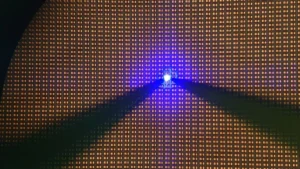
These boards are commonly known as COB LED screens, and this is because they utilize individually packaged LED chips. These chips are extremely small and they often resemble the size of a grain of sand. They are integrated onto a circuit board and this makes your COB LED display very clear.
With a chip-on-board LED display you get to enjoy vivid colors even when you are in extremely lit spaces such as outdoor spaces during the day. This makes chip-on-boardon LED screens ideal for both indoor and outdoor applications.
2. Surface Mounted Device LED Displays
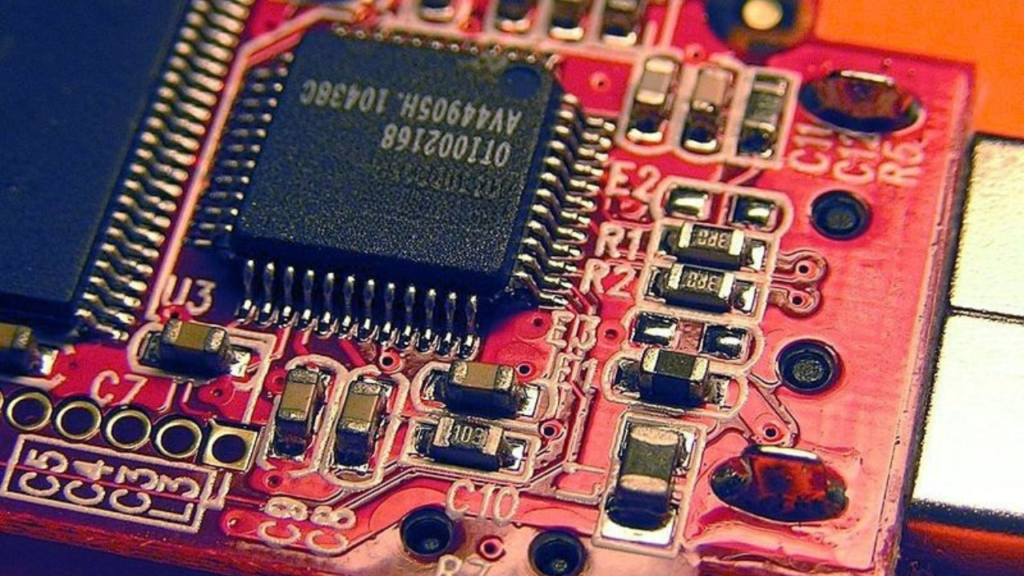
Renowned for their great brightness and impressive viewing angles, these LED displays have found become a staple in countless outdoor and indoor applications. They are made unique by the distinct technology they exploit, surface-mount technology. They feature a printed circuit board onto which the LED chips are installed onto.
This makes them relatively more compact than most other LED displays. It also improves their resolution and color uniformity. Surface mounted technology on LED screens are a common feature in sports stadiums, retail stores and conference rooms mainly due to their high resolution and broad viewing angle.
3. Mini LED Displays
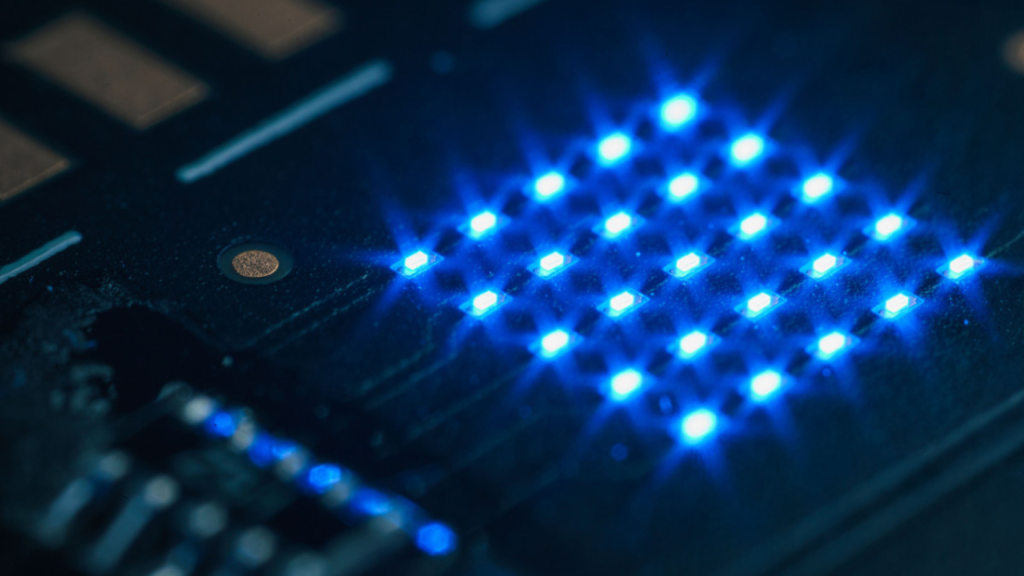
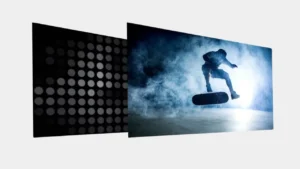
These screens utilize some of the smallest LED chips giving them better contrast. To be specific, they rely on chips measuring between 100 to 200 microns hence they boast of a superior pixel density. A typical mini LED screen can feature thousands of LED chips and they are typically integrated with LCD panels.
Mini LED displays have dominated HDR content and this is mainly because of the superior peak brightness they offer. Additionally, they consume less power than most other LED displays meaning you can save a lot on your electricity bill. The small size of their chips translates into a thinner design.
4. Dual in Line Package LED Displays
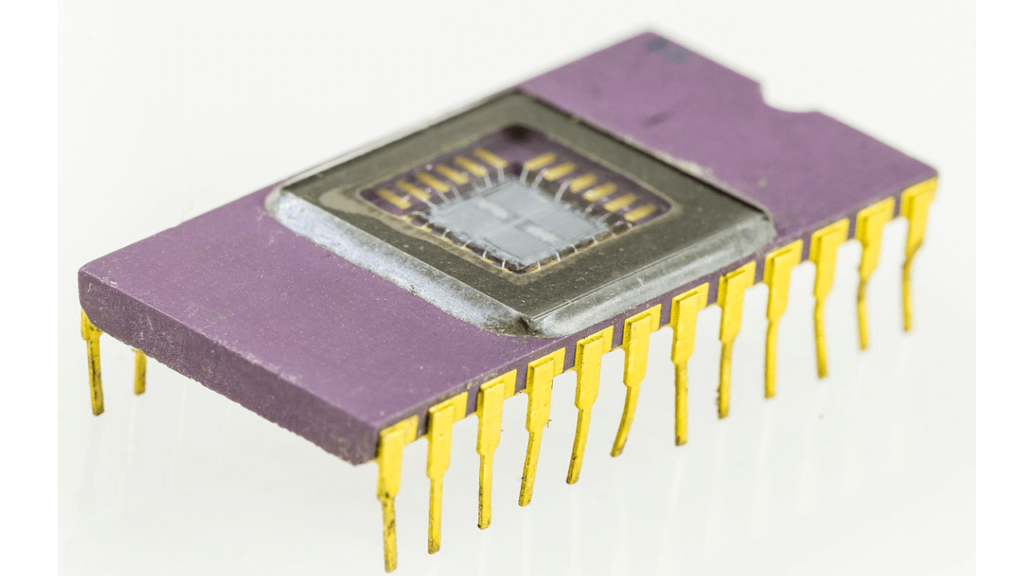
These displays have been in existence for ages and they utilize two pin rows mounted on circuit boards. They boast of high brightness meaning you can view them clearly even from a distance. For this reason, they are mostly used in outdoor spaces mainly as signages.
However, their prominence has been dwindling due to the emergence of newer technologies such as surface mounted device and COB LED displays. Dual in line package LED displays demonstrate relatively low resolution and their color range is quite limited. They are also comparatively heavier.
5. OLED Displays

These displays boast a high contrast ratio and vibrant colors, which has seen them dominate the world of wearable devices and televisions. Furthermore, they feature pixels capable of emitting lights individually, meaning these lights can be turned on or off individually. This makes OLED displays perfect for applications that prioritize high contrast ratios.
When using OLED displays, your viewing experience will remain top-notch even when watching fast-moving visuals. They also respond faster than their LCD counterparts meaning you are less likely to experience motion blur.
6. LED Backlight Displays

These LED displays are primarily designed and tasked with illuminating your screen or display. They are typically positioned along the edges of your screen or behind it hence they generate more light compared to traditional CCFL backlighting. You can utilize either of the following LED backlight displays:
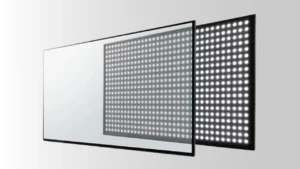
Mini-LED backlight Displays: These displays rely on tiny LED chips placed behind your screen to illuminate it. Typically, they have thousands of these chips meaning that offer greater contrast and better brightness regulation.
Direct LED Backlight Display: Comes with numerous LEDs all uniformly positioned at the back of your screen. Most direct LED backlights are endowed with local dimming, which allows you to dim the brightness in certain sections of your display screen.
Edge-Lit LED Backlight Display: Similarly, these backlight displays rely on LEDs but these LEDs are placed along the edges of your display. They diffuse light onto your screen by utilizing light guides and they can either be top-lit or bottom-lit. However, some edge-lit LED backlights are both.
Classification by Application
Be it concerts, billboards or your home TV, LED display technology plays a pivotal role. However, to suit the different demands of applications like airport displays or smartphone display, different types of LED displays have popped up. They include:
7. Retail LED Displays
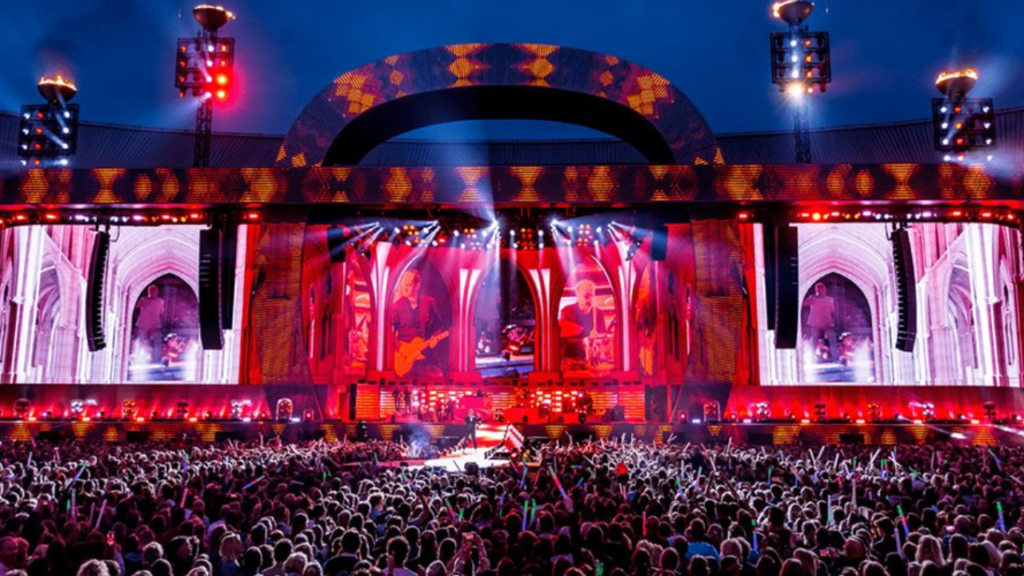
These displays are typically used in events and concerts. They are simply built, making it easier for you to transport to your event. Most retail LED displays are, for instance, manufactured using aluminum making them pretty lightweight. They support different synchronization features, meaning that you can set them up using varying input signals.
Retail LED displays utilize P3.91 and P4.81 pixel pitch among others and they are often equipped with fast-locking features. In addition to being easy to assemble, they are also affordable, especially when it comes to temporary use.
8. Digital Signage LED Displays
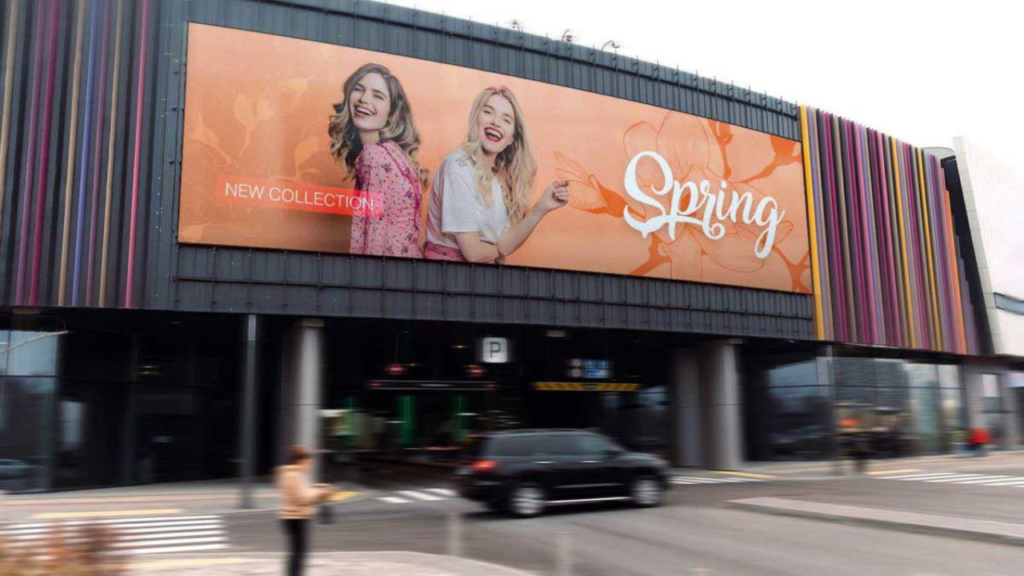
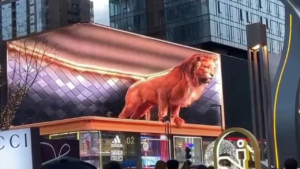
These LED displays thrive in displaying real-time information or advertisements for retail or corporate entities. They come with extremely high degrees of brightness meaning you can capture the eyes of prospective buyers even from a distance. With a digital signage LED display you can advertise or make your announcements in indoor and outdoor spaces.
They can operate in settings with fluctuating temperatures hence they are often deployed in outdoor spaces such as highways. Furthermore, a typical LED digital signage display can serve you for up to 100, 000 hours optimally.
9. Sports LED Displays
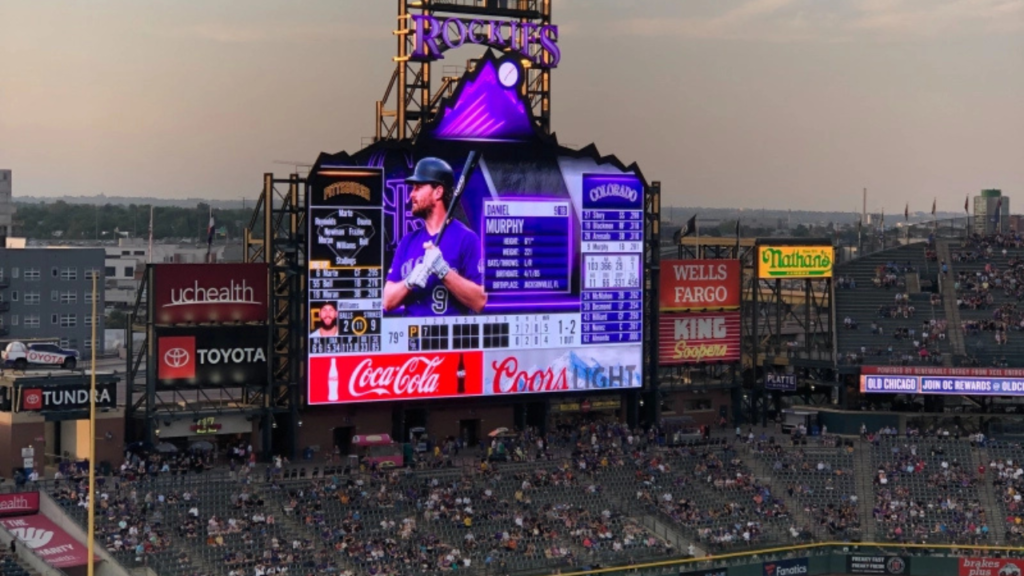
Sporting event holders are constantly exploring ways to improve fan experience in stadiums and sporting venues. Sport LED displays are fitted with high clarity, which allows them to display dynamic content in high brightness. These are mainly the screens you see in football stadiums and basketball courts showcasing replays and game statistics.
Their prominence in present days has been mainly propelled by their efficient energy consumption and vibrant colors. One of their biggest advantages is their ability to keep fans engaged throughout the sporting event. Additionally, they present sponsorship opportunities for you as a sporting event organizer.
10. Traffic LED Displays

Pedestrians and motorists always need traffic information to get to their destination safely and in time. Many a times, this information is conveyed to them using traffic LED screens often placed on highways and roundabouts. Some are often utilized to convey information such as road closure and traffic conditions while others are exploited to show which lanes are open.
Although traffic LED displays are commonly installed on urban roads and highways, they are gradually getting adopted in railway stations and airports. In railways stations, they primarily display essential information such as train schedules. In airports, they display which routes you are supposed to take and information about flight delays.
11. Control Room LED Displays
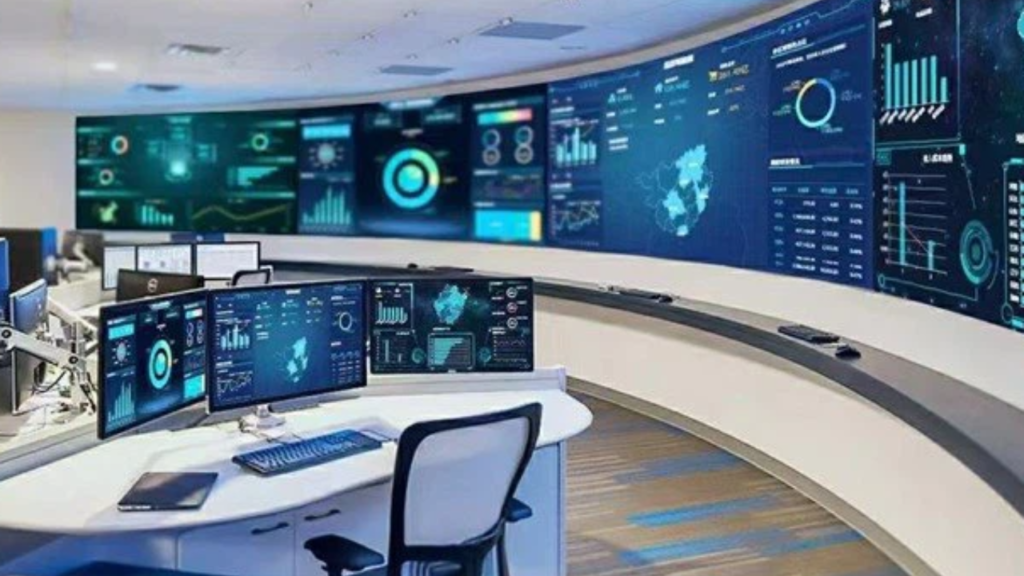
Control room LED displays facilitate real-time data visualization making them indispensable tools for control rooms. They have become a common feature in entities dealing with transportation and security mainly due to their high resolution, which allows operators to reduces their chances of making costly errors.
These LED displays are easily customizable meaning that you can choose an aspect ratio or screen size that suits best your specific application. They are also built to be compatible with different control room software meaning you can use them in multiple industries.
12. Transit LED Displays
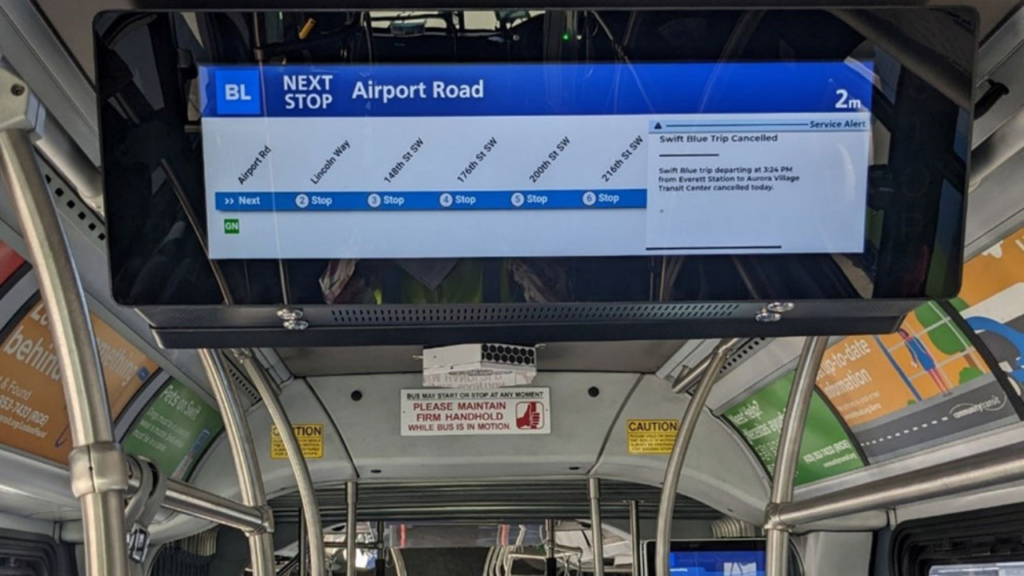
These displays are installed in transport mediums such as private and public service vehicles with the intention of improving your driving experience as well as passenger experience. It ranges from the small screens that showcase the time in your cars to the big bus stop displays. Here are the main sub-divisions of transit LED displays:
Mobile Transit LED Displays: These are the displays you can move with much ease. They can range from small screens to large screens meant to serve large crowds in transit stations.
Onboard Transit LED Displays: These are transit displays fitted inside your car or inside public transport systems including planes, trains and buses. They display service announcements as well as entertaining digital content.
Transit Station LED Displays: They are fitted inside major transit station including bus stations and airports. Primarily, they display departure times and service alerts among other essential information.
13. Outdoor Displays

Outdoor LED displays are the conquerors of outdoor spaces and they serve purposes such as displaying essential traffic information for motorists. As such, they are further enhanced to ensure that they can withstand the rough weather conditions synonymous with outdoor settings.
For instance, they can tolerate temperature fluctuations allowing you to use them when its hot and when its cold. Their brightness, which ranges between 5000 and 10,000 nits is also comparatively higher meaning that you can still view the content on display from long distances without much struggle.
14. Indoor LED Displays

Unlike their outdoor counterparts, indoor LED displays are not fitted with weatherproofing capabilities and this is because they are designed for indoor spaces. Instead, they are customized to give you the ultimate viewing experience from a close range. Their brightness levels are comparatively lower but their image clarity if often higher.
Indoor LED displays have become a common feature in indoor stages, where they act as dynamic backgrounds. They also thrive in indoor advertising, exhibition events and household use among others.
Classification By Shape
If you are looking for an LED display whose design will match your space’s style. Luckily, there is a whole catalogue of LED screens differentiated by shape. Although, the respective shape hugely impacts the aesthetic value, it also has a huge say on the functionality of your LED display. Common types include:
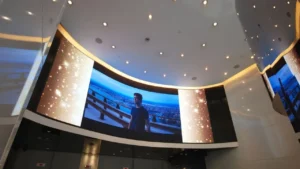
15. Curved LED Displays

Curved LED displays are known and revered for the immersive viewing experience they treat you to. They have a curved shape giving them a unique aesthetic unlike your traditional LED displays. They come in two primary shapes, namely:
Convex LED Displays: These displays flourish in advertising displays thanks to their unique curved design, which curves outwards. As such, you get t enjoy a wider viewing angle and this can also attract more customers.
Concave LED Displays: Whereas convex LED displays thrive in advertisements, these displays are revered greatly in cinemas. They boast an inward curve meaning you are more likely to create an immersive experience for your viewers.
16. Flat LED Displays
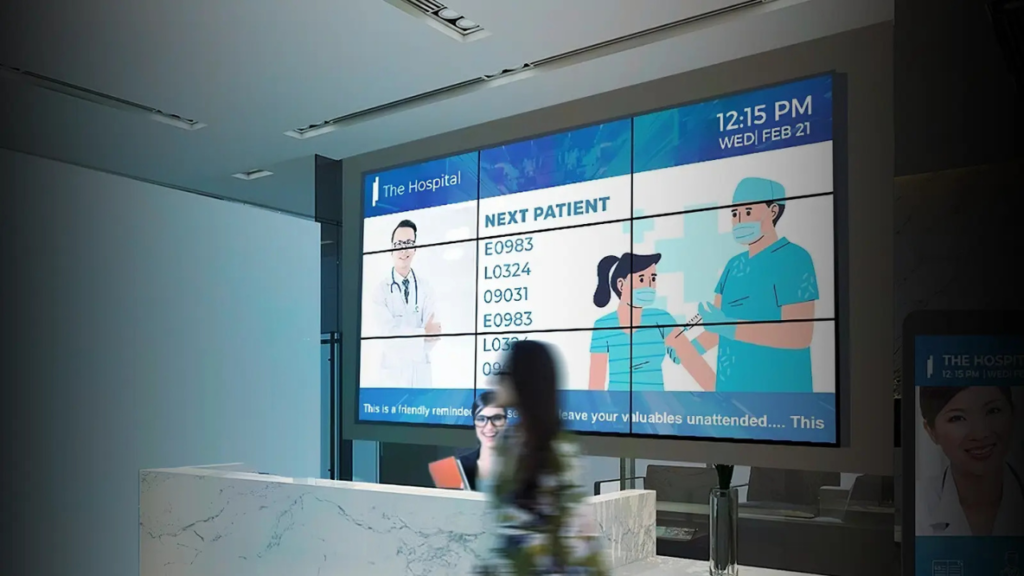
Identifiable by their ultra-thin design, these LED displays have cemented their place in modern screens. The majority of displays used in entertainment and advertising are flat LED displays and this is mainly because of their simple and sleek appearance.
They are capable of consistently delivering high brightness levels and their energy consumption is incomparable to that of traditional LED displays. They come in different size ranges and can be customized to suit indoor or outdoor use.
17. LED Ball Displays

These displays have a 360-degree viewing area meaning that you can display content to your audience from multiple angles. You can find LED cylindrical displays in stadiums and museums mainly. However, due to their wide viewing angles, they are becoming a common entity in retail spaces, especially supermarkets.
LED ball displays, typically come in distinct pixels ranges but the most common ones are P2 and P5. You can also opt for small or large LED spherical displays since they are available in sizes ranging from 0.5m to 5m.
18. Modular LED Displays

Modular LED Displays allow you to scale the size of your display depending on the size of your audience. They come with standalone LED modules, which you can interconnect to make your display bigger. If your audience is smaller or you are looking to reduce your viewing angle, you can simply detach some of the LED panels to create a smaller display.
Modular LED displays have found great usage in modern sporting arenas, retail shops and signages. They allow you to be creative with your set-up since you can configure them into irregular shapes or even cylindrical shapes.
19. Irregularly-Shaped LED Displays

These unconventional LED displays are quickly gaining prominence due to their unique design, which captures the attention of target audiences unlike regularly-shaped LED displays. They are quite prominent in shopping malls due to their unmatched ability to draw crowds.
They have also been deeply absorbed in event staging, where event organizers utilize them to create stunning backdrops. You should look for an irregularly-shaped LED display that complements your existing architecture.
Classification By Color
The color features of your display impacts hugely your viewing experience. It is therefore, important that you factor in the color production of LED displays before making a purchase. SMD and GOB LED displays, which are the most popular LED displays boast varying color features thus creating a category of distinct displays. They include:
20. Full-Color LED Displays

Under this category, full-coclor LED displays are the most prominent types of LED displays and they are revered for the unmatched number of colors they can generate. They simply play with the primary colors to generate a whole range of different colors. This has made them a common feature in retail advertising and entertainment spaces, particularly concerts.
Typical full-color LED displays can support pixel pitches of up to P20, meaning you can utilize them to convey messages to crowds from a far. The dynamism of their color production also allows you to showcase different types of content to your audience.
21. Monochrome LED Displays

Monochrome LED displays come in handy when you are looking to convey simple messages, especially messages in text form. They only support and produce one color rather than multiple colors as is with full-color LED displays. They are commonly utilized as displays for basic information, especially in transit stations and traffic signages.
For instance, if you are looking to convey your message in simple text such as departure time, using a monochrome LED display, you can only do so using one color. These displays allow you to save a fortune since they are comparatively easier to maintain.
22. Dual-Color LED Displays
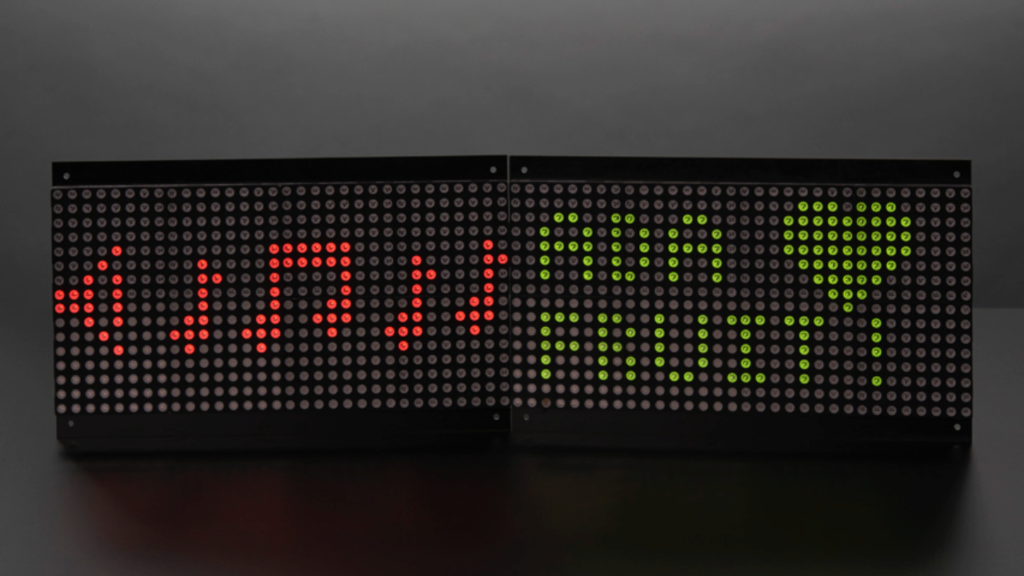
These LED displays are more advanced than monochrome displays. However, they are not as advanced as full-color LED displays. They only produce two colors meaning you can convey your message in varying colors. This opens the door for presenting visually appealing content such as advertisements for your retail store.
Most signages displayed in banks and transportation systems are displayed on dual-color LED displays. This is because they are less costly than full-color displays and they still posses the capability of conveying visual content.
Classification By Resolution
Resolution determines the quality of visuals displayed on your display. Luckily, LED displays are available in a range of different resolutions. Whether you are looking for a high resolution display for your event or a low resolution display for a transit system, you are assured of a custom-made LED screen.
23. High-Resolution LED Displays
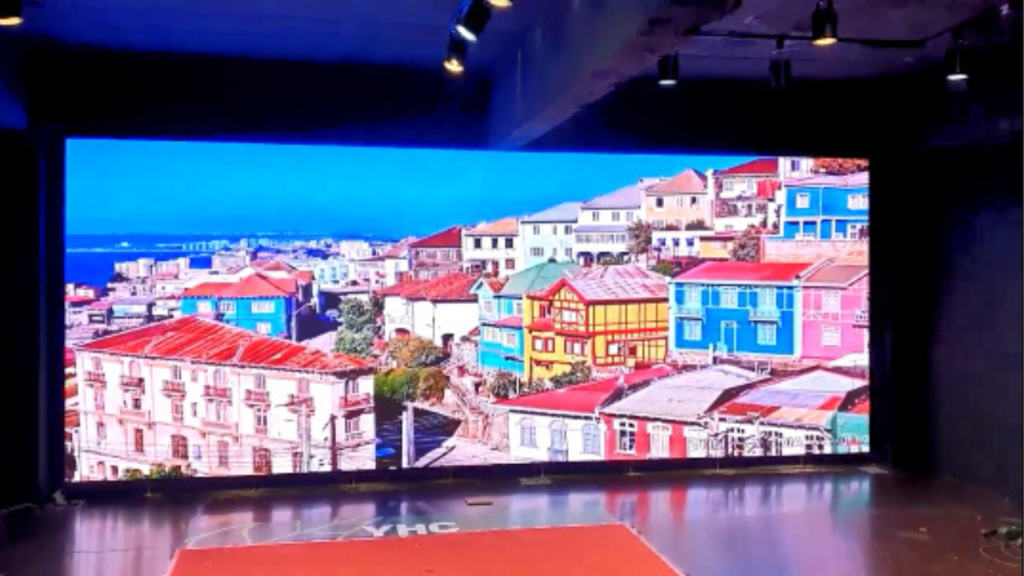
These displays offer the best image clarity making them your go-to solution for displays that must showcase stunning details to your target audience. They boast of a higher pixel density, which allows them to display sharper images.
You can deploy your high-resolution LED display in corporate lobbies, retail stores or even outside public spaces. This is because they boast high brightness and a superior refresh rate. Furthermore, they come with a broadened color gamut, which treats your audience to lifelike visuals.
24. Low-Resolution LED Displays

Although these displays do not offer the stunning images synonymous with their high-resolution counterparts, they are perfect for applications whose resolution needs are not as high. Their pixels are less concentrated and less dense meaning that they produce images with reduced sharpness.
If you are looking to display simple visuals to a large audience, these LED displays would be the perfect solution. They are comparatively cheaper and they still boast a high visibility. This explains their massive utilization in public spaces such as stadiums, shopping malls and transport stations.
25. Ultra-High Definition LED Displays
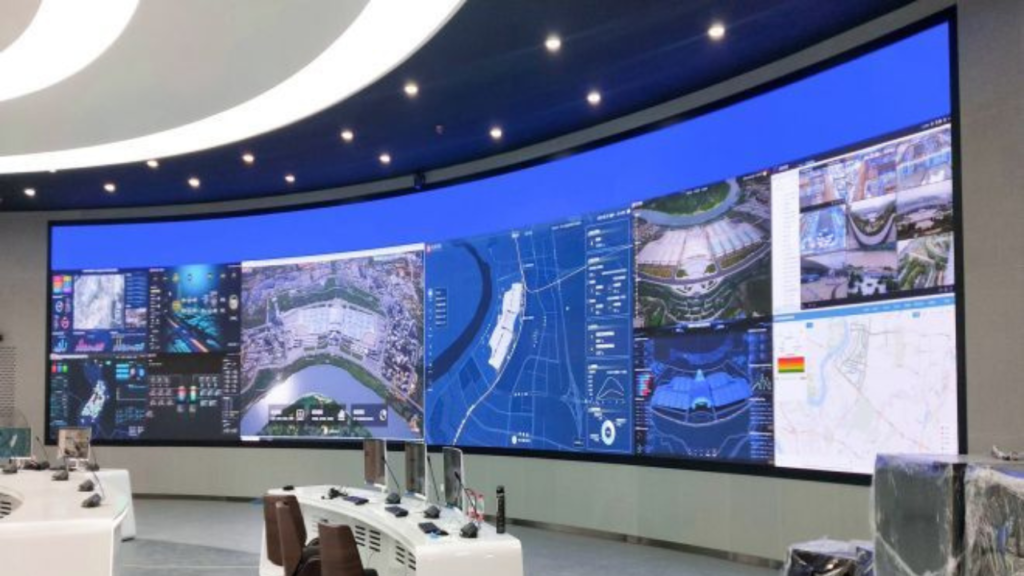
These displays take the sharpness of images delivered by high resolution LED displays a notch higher. To be specific, their definition is 3840 x 2160, which qualifies their use in home entertainment displays as well as professional displays. Their pixel density is relatively denser compared to that of low and high resolution displays.
They are also equipped with color technologies, allowing them to deliver images that appear virtually life-like. Furthermore, if you intend to communicate to audience from multiple viewing angles, they come in handy due to their broadened viewing angle.
Classification By Installation Method
You must have come across LED displays with different set ups. This is because different displays are personalized to be installed differently in different settings. Here are the distinct LED displays and their respective installation methods.
26. Mobile LED Displays
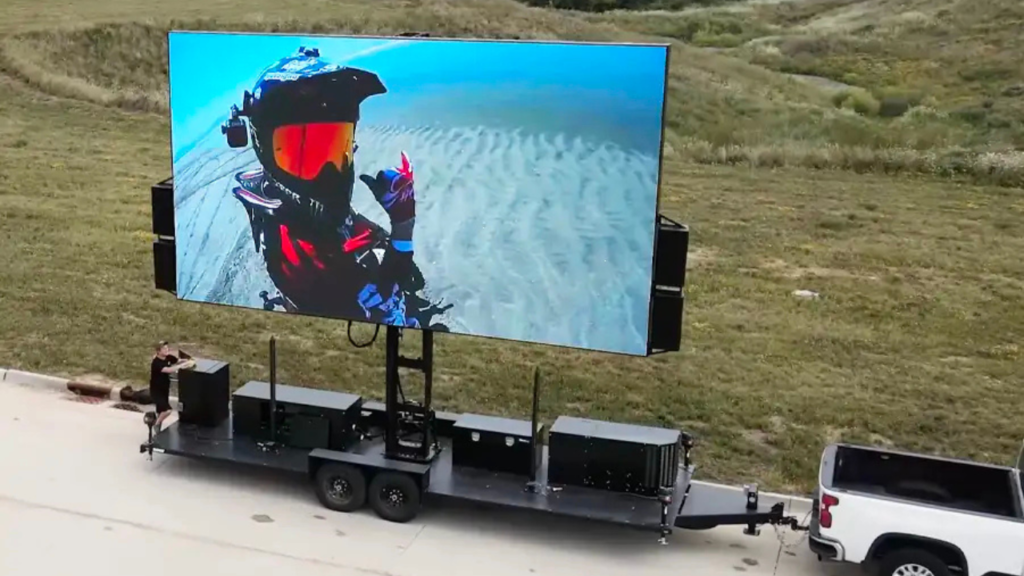
Mobile LED displays are customized to offer display solutions in applications that involve constant changes in setting. They are fitted on mobile trailers or movable trucks making it easier for you to move them around.
Alternatively, they are manufacturing using lightweight materials making them easier to carry around. They allow you to upload new content without necessarily having to move them. They also allow you to move as your target audience moves.
27. Wall-Mounted LED Displays

These LED displays are simply meant to be mounted on walls or immovable installation poles. They are sleek and this installation mode allows you to give your venue or setting a modern aesthetic. Additionally, if you are short on space, mounting your LED screen on a wall leaves you with additional space.
They can be customized to utilize different technologies including SMD and DIP. Furthermore, Contemporary wall-mounted LED displays are endowed with mounting brackets, which are quite straightforward to work with.
28. Fixed LED Displays

If you are looking for LED displays for a permanent setting, these displays are your ideal fit. They are manufactured from robust materials and might be comparatively thicker than your typical LED displays. This unique makeup makes them tolerant to abrasiveness and tough weather elements like rain and high temperatures.
Fixed installation LED screens are also commonly fitted with enclosures that protects them from moisture and water. You can mount them on pillars or walls depending on your location. However, they cost relatively more and you can hardly change their setup.
29. Hanging LED Displays

Otherwise known as suspended LED displays, hanging LED displays have redefined the way we consume information and other visual displays. They necessitate a load-bearing structure, which supports your LED display thus allowing you to enjoy good visual displays floating in the air.
The suspended display not only creates a sense of suspension for your content but also gives your presentation an added aesthetic value. However, this installation method demands costly installation equipment as well as skilled installation labor. This, however does not overwhelm the floor saving benefits of hanging LED displays.
Classification By Pixel Pitch
Pixel pitch essentially determines how clear and sharp the visuals shown on your display are. LED displays are manufactured with varying degrees of pixel pitch and this determines how stunning your motionless images or text will appear. Here are the LED displays you can choose and their pixel pitch degree.
30. Standard-Pitch LED Displays
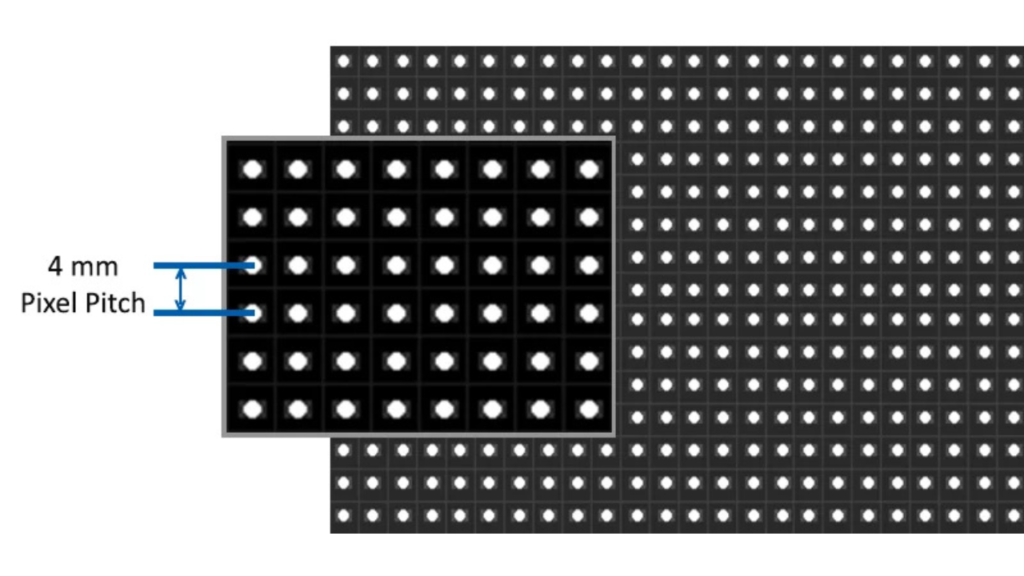
These LED displays boast a lower pixel pitch, which makes them ideal for indoor settings. These displays have a high resolution, especially when viewed from close distances. You will often find them in conference halls and retail stores connoted with pixel pitch values ranging from P2.5 to P5.
The pixel pitch in these LED displays reflect the small distance shared between adjacent pixels. When viewing these displays from a close range, you get to appreciate the quality of their visions. However, from a distance, you are likely to struggle to view what is being displayed.
31. Fine-Pitch LED Displays

Fine-Ptich LED displays deliver detailed images and this is a testament to their extremely small pixel pitch. They are labelled with pixel pitches ranging from approximately P0.9 to P1.9. Fine pitch LED displays have found a home in control rooms and broadcast studios designed for close-up viewing.
32. Large-Pitch LED Displays
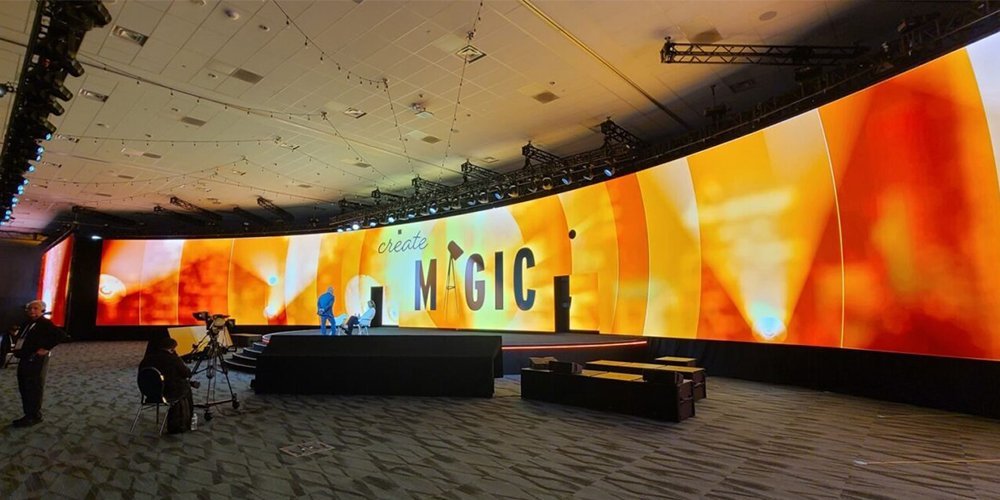
Large-pitch LED screens thrive in both indoor and outdoor settings with audiences located between moderate and large viewing distances. They come with a pixel pitch ranging between P6 and P25.
The P6 LED displays thrive in indoor spaces where your target audience is positioned at moderate distances. The P25 displays in contrast, flourish in settings where your target audience is positioned at relatively longer distances. They work best in large LED screens.
Other LED Display Types
33. LED Floor Displays
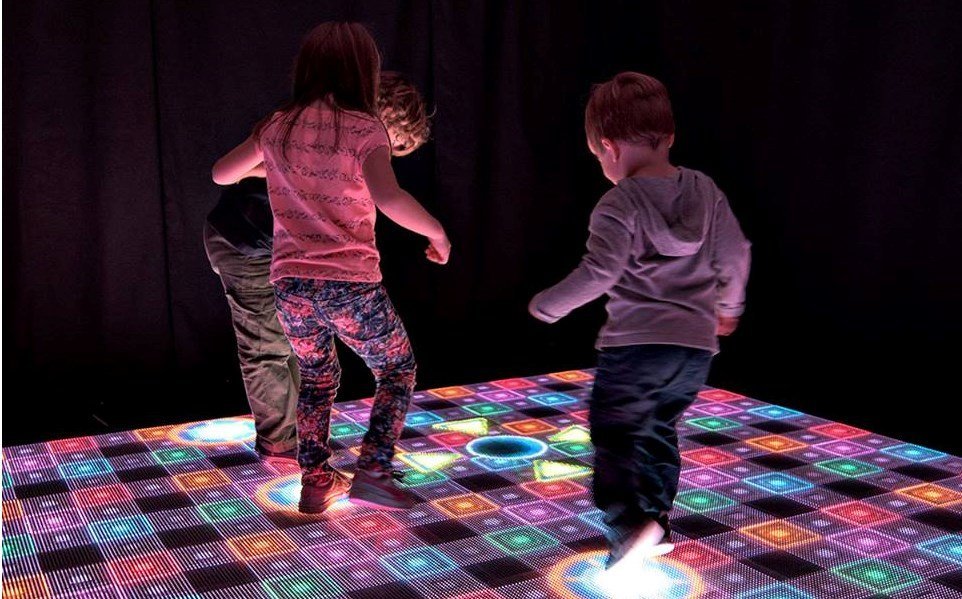
These displays are specially made to be installed on stage floors. As such, they are made from materials that can withstand heavy foot traffic. They also come with additional protection measures including water protection making it tolerant to frequent and through cleaning.
In addition to having these advanced protection features, these LED displays still possess the dynamic and impressive features of ordinary LED displays. Advanced LED floor screens also come fitted with sensor technology allowing you to track movement.
34. Transparent LED Displays

Transparent LED displays have not been in the market for long but their uniqueness has made them an instant hit. They are as transparent as glass and this reflects the light bar technology they adopted.
They allow you to integrate your background or larger surrounding into your presentation thus creating a more immersive experience for your audience. You can find transparent LED screens with transmission rates as high as 70%. They are also relatively more lightweight and their sizes can be customized to fit your space.
Conclusion
The only way to getting the best out of your LED display is by choosing a display that suits your respective application perfectly. Whether you are looking for a robust display for your floor or a lightweight and sleek display for your wall, there is a custom-made LED screen for you.