









What Are LED Display Modules and Advertising Screens?
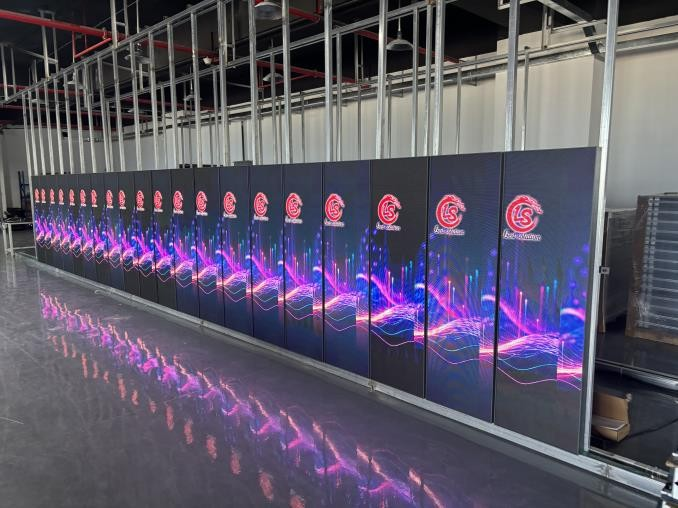
LED display modules are the building blocks of LED screens — individual panels containing arrays of LEDs. LED advertising screens are complete displays made by combining multiple modules, designed for commercial advertising and information display.
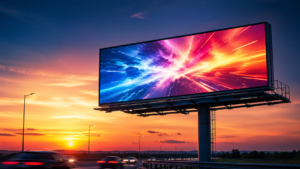
Modules come in various pixel pitches (P1.2 to P10+) and sizes. When combined, they form seamless screens of any dimension. Advertising screens are typically larger, higher-brightness displays used for outdoor billboards, retail signage, and event backdrops.
For more on display types, see our LED display types guide.
Buyer Pain Points: Common Sourcing Challenges
Procurement professionals face specific challenges when sourcing LED display modules and advertising screens:
Pixel pitch confusion: Choosing the wrong pixel pitch for the viewing distance — too small wastes budget; too large looks pixelated.
Brightness misjudgment: Indoor screens used outdoors are invisible in sunlight; outdoor screens indoors cause eye strain and waste energy.
Hidden costs: Controllers, cabling, installation, and maintenance often add 20-40% to the screen price — many buyers forget this.
Supplier verification: Distinguishing real factories from trading companies is essential for quality and pricing.
Maintenance planning: Without spare modules, future repairs will have color mismatch.
Key Factors for Choosing LED Display Modules
When selecting LED display modules, evaluate five factors: pixel pitch (viewing distance), brightness (environment), module size and shape, IP rating (indoor vs outdoor), and refresh rate (video quality).
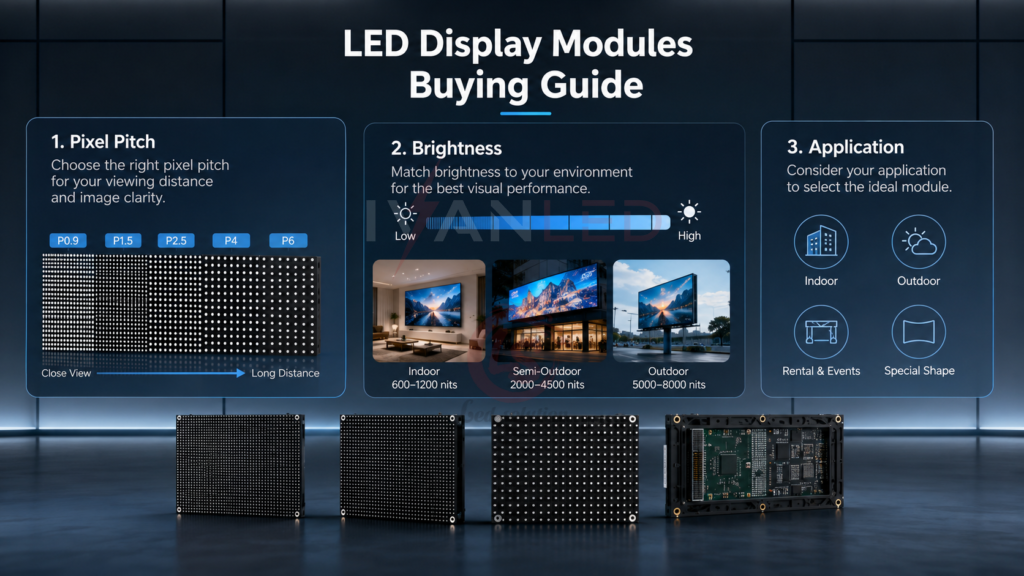
Pixel pitch: The distance between adjacent pixels (in mm). Smaller pitch = higher resolution = closer viewing distance. Use the rule: pixel pitch (mm) = closest viewing distance (meters). For indoor retail, P2.5-P4 is typical; for outdoor billboards, P6-P10 is sufficient.
Brightness: Indoor screens need 800-1,500 nits; outdoor screens need 4,500-6,000+ nits for sunlight visibility. Choosing incorrectly means either invisible content (too dim) or wasted energy and eye strain (too bright).
Module size and shape: Standard modules are 500×500mm or 640×640mm. Flexible modules allow curved or custom shapes. Choose based on installation requirements and space constraints.
IP rating: Indoor modules typically have IP20-IP40 (dust protection only). Outdoor modules require IP65+ (waterproof, dustproof). Using indoor modules outdoors will lead to rapid failure from moisture and dust.
Refresh rate: For standard video content, 1,920Hz is sufficient. For broadcast and camera recording, 3,840Hz is recommended to avoid flicker.
For more on pixel pitch, see our pixel pitch guide.
LED Advertising Screens: Indoor vs Outdoor
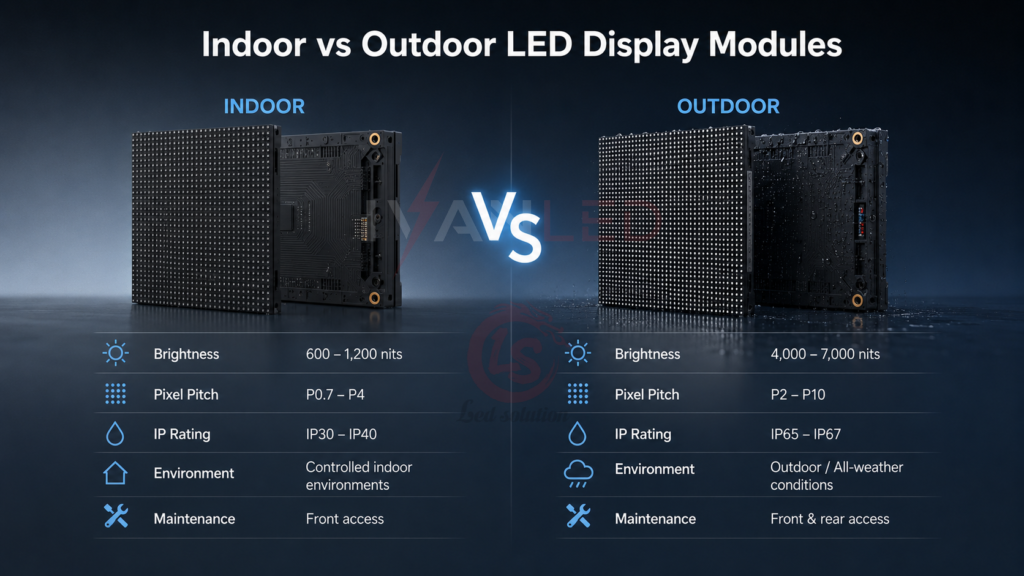
The choice between indoor and outdoor LED advertising screens depends on installation location, viewing distance, and environmental conditions. Indoor screens prioritize resolution and color accuracy; outdoor screens prioritize brightness and weather resistance.
| Factor | Indoor LED Advertising Screen | Outdoor LED Advertising Screen |
| Brightness | 600-1,200 nits | 4,000-7,000+ nits |
| IP rating | IP30-IP40 | IP65+ |
| Typical pixel pitch | P0.7-P4 | P2-P10 |
| Cooling | Passive (natural airflow) | Active (fans or AC) |
| Typical applications | Retail, malls, corporate lobbies | Billboards, building facades, stadiums |
For more on indoor vs outdoor, see our indoor vs outdoor LED display guide.
How to Choose the Right Pixel Pitch
Pixel pitch determines the sharpness and optimal viewing distance of your LED display. Match pixel pitch to the closest viewer distance using the formula: pixel pitch (mm) = closest viewing distance (meters).
Common pixel pitch applications:
- P1.2-P1.9: Control rooms, broadcast studios (viewing distance 1-3 meters)
- P2.5-P3.9: Retail, corporate lobbies, conference rooms (viewing distance 2-5 meters)
- P4-P6: Indoor events, rental displays (viewing distance 4-10 meters)
- P6-P10: Outdoor billboards, stadiums (viewing distance 8-30+ meters)
Selecting a pixel pitch that is too small for the viewing distance wastes budget. Selecting a pitch that is too large results in visible pixels and poor image quality.
IvanLED LED Display Modules: Reliable Performance
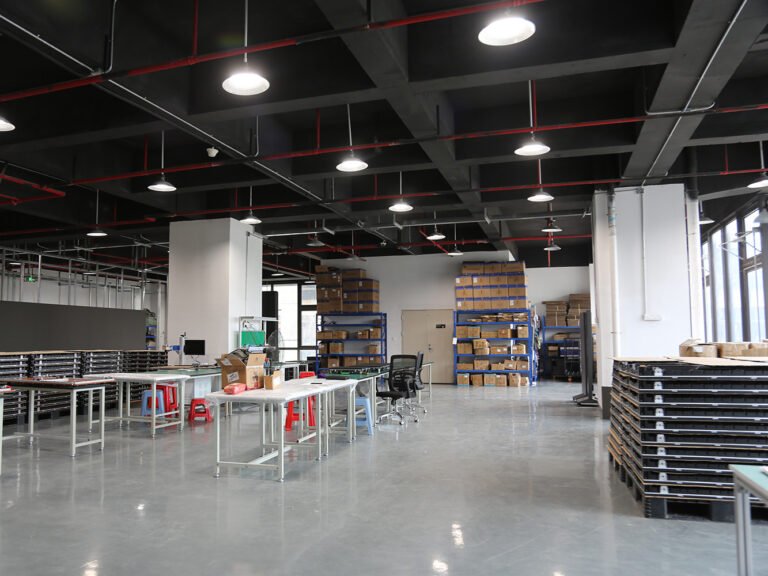
With over a decade of experience in LED display manufacturing, IvanLED offers a comprehensive range of LED display modules designed for durability, high performance, and easy maintenance. Our modules are engineered with several key features that deliver consistent performance across diverse applications.
Wide pixel pitch range: From P0.9 to P16, covering indoor, outdoor, and rental applications. This ensures you can find the right resolution for your specific viewing distance and application.
High refresh rate (3,840Hz+): Our modules support refresh rates up to 3,840Hz and beyond, ensuring flicker-free recording and smooth motion rendering for broadcast, events, and camera-friendly applications.
Front and rear maintenance options: Our modules support both front and rear maintenance. Front maintenance is ideal for wall-mounted installations where rear access is limited; rear maintenance is suitable for freestanding rental setups. The hard-connection design allows for quick plug-and-play module replacement, minimizing downtime.
Die-cast aluminum cabinets: Lightweight yet durable construction reduces shipping costs and installation time. Cabinets weigh as little as 6.5kg, making transport and setup easier.
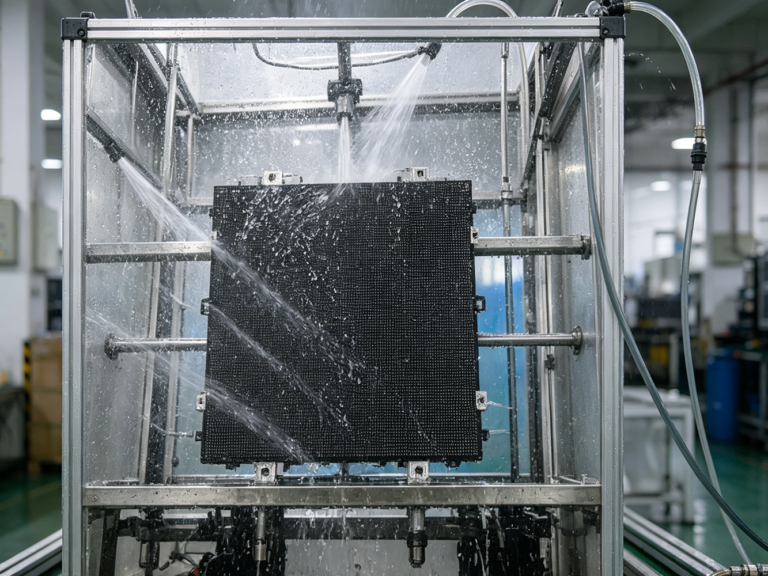
IP65-rated outdoor modules: Weatherproofing ensures reliable operation in rain, dust, and extreme temperatures. Combined with brightness levels up to 5,000 nits, these modules remain visible even in direct sunlight.
Quality assurance: Every IvanLED module undergoes a 72-hour aging test before shipment. We use components from internationally recognized brands such as Nationstar, Kinglight, and Meanwell. With a 3-year warranty and free spare modules (5% of order quantity) included, we stand behind the quality of our products.