






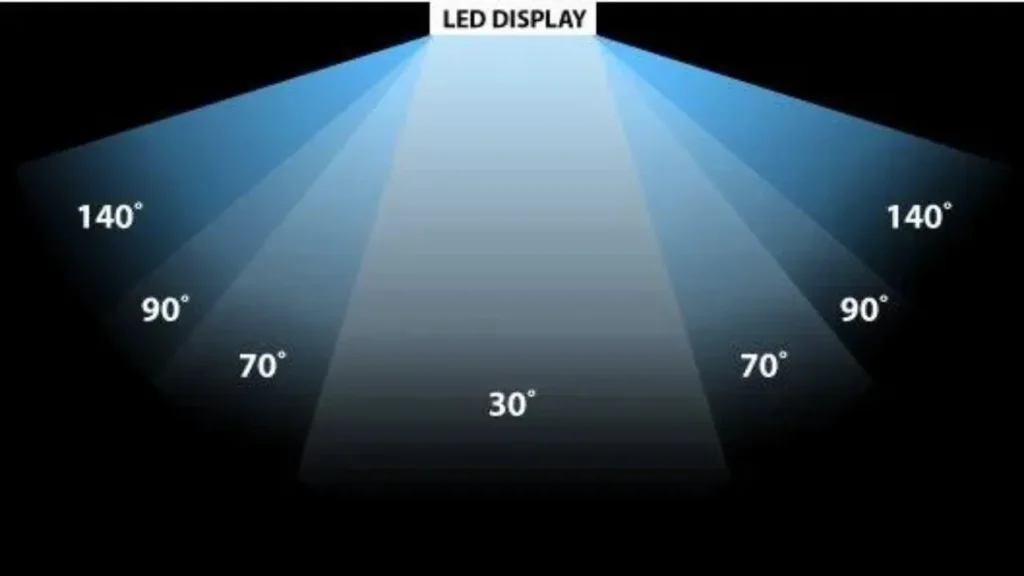
What Is a Viewing Angle?
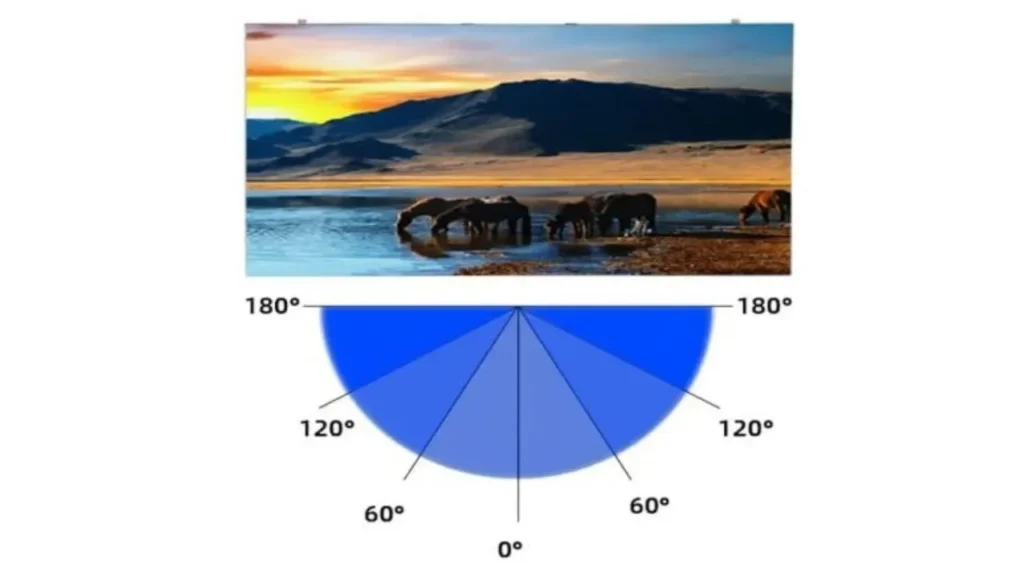
A viewing angle is a measurement of the distance at which a screen remains clear when viewed from the off-center position. Image clarity varies when brightness diminishes and when color changeovers occur beyond set viewing angles.
Factors Affecting LED Display Viewing Angles
The viewing angles of LED displays are influenced by several factors including:
· Type of LED Packaging
Different designs of LED packaging affect the way light from each pixel is emitted in various directions. Some designs emit light in a forward direction while other designs emit light in a scattered, wider direction. This variation contributes to how well the colors appear and how consistent they are during side viewing.
· Pixel Pitch
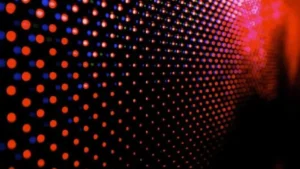
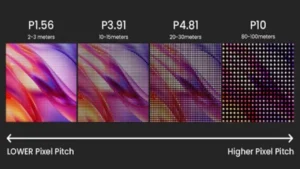
Each surface of the display contains LED pixels, and the spacing in-between each pixel is referred to as pixel pitch. When spacing is smaller, light blending is increased from multiple angles. When spacing is larger, there are gaps in brightness, and during viewing from off-center positions, there is a lack of consistency in the colors.
· Surface Mask Construction
Surface masks indirectly regulate the diffusion of light and hence non-desired reflections are minimized. A well-executed mask is able to provide coverage of light across viewing angles evenly. However, a poorly executed mask can cause an increase in glare as well as a reduction in color accuracy.
· Calibration of Brightness
With brightness calibration, the light of different pixels and angles are made to balance each other. When brightness is too high, there is glare, and side viewing looks washed out. Good calibration creates viewing which is consistent, and makes it easy for people to see.
· Control of Color Uniformity
The function of color uniformity is to ensure that the color emitted is consistent on the display. If control is weak, there are color shifts that are difficult to see from different angles. Strong control keeps the visuals stable.
Effects of Poor Viewing Angles
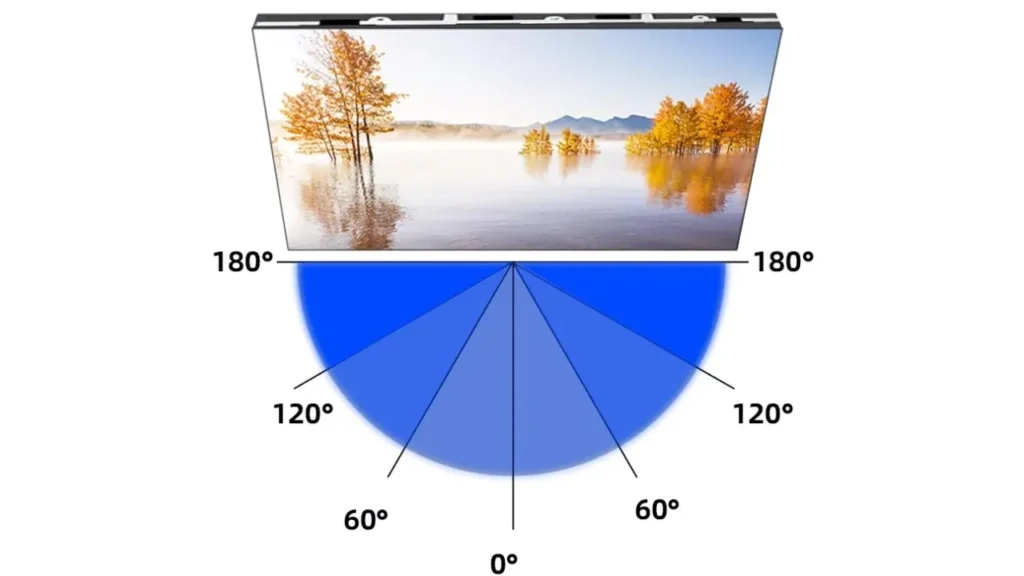
The poor viewing angle of an LED display has a significant effect on the performance of its images when viewed at angles other than the center.
- Color Shifting: The colors are less accurate the more you move away from the center position. The whites appear to be tinted, and the contrast is reduced. Thus, the shift makes the visual information less credible.
- Brightness Drop-Off: The brightness of LED fades as the viewing angle shifts towards the edge of the display. The dim areas make it hard to read and lessen the impact of the visuals. Unbalanced light makes the audience focus less on the content displayed.
- Image Washout: Screens with poor wide angle viewing projection show less detail as they are more likely to display ‘washed out’ images. What is displayed loses its clarity and effectiveness.
- Viewer Eye Strain: The difference in brightness makes it necessary to make constant visual adjustments. The eyes are put under strain as they try to keep the focus. Therefore, viewing for long periods of time becomes difficult and uncomfortable.
Viewing Angles in Different LED Display Types
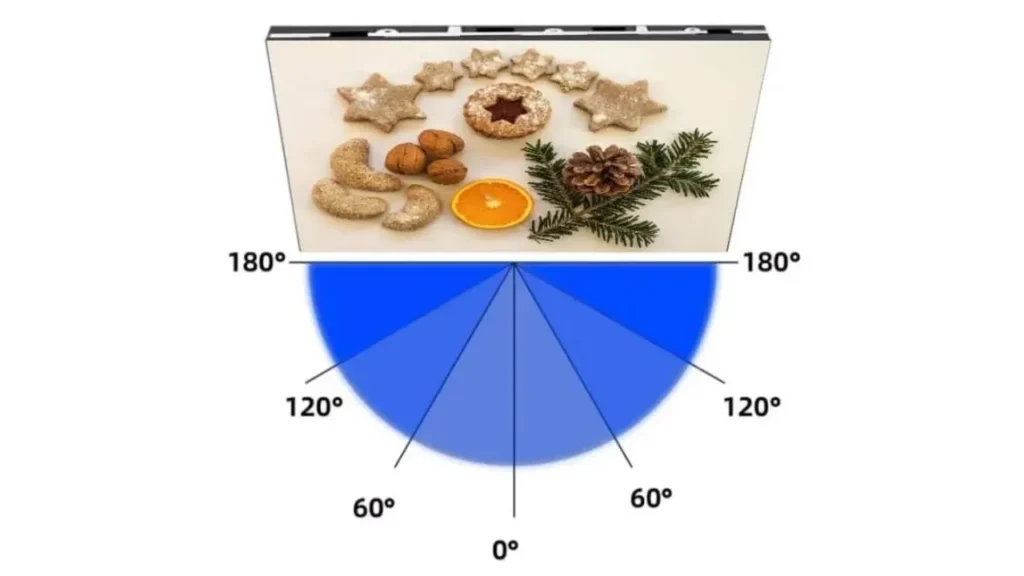
| LED Technology | Viewing Angle Characteristics | Performance Summary |
| DIP LED | Narrower angles of vision with brightness drop seen from sides | Best option for outdoor viewing at a long distance where frontal visibility is more important |
| COB LED | Ultra-wide angles with good light diffusion | Perfect for applications where uniform brightness and low glare are needed at close distances |
| SMD LED | Wider horizontal and vertical angles with color consistency improved. | Suitable for indoor and outdoor places where audiences are present at all angles. |
Types of Viewing Angle on LED Display
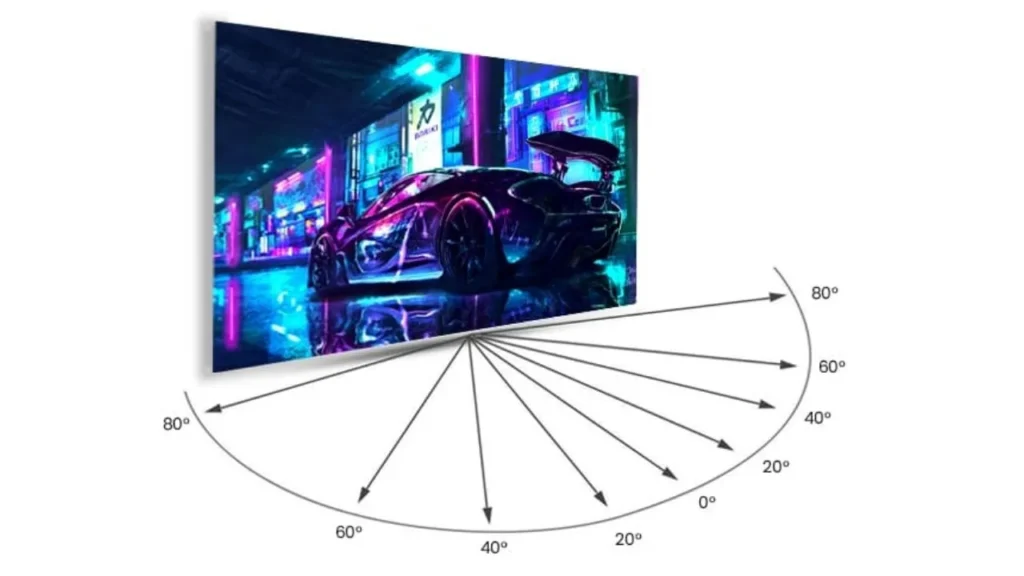
The viewing angles for LED displays are categorized into different types based on the direction from which the display is viewed.
· Horizontal Viewing Angle
Horizontal viewing angle impacts how clear the image is when the screens are viewed from the left and the right. This angle is critical for the audience coverage in large rooms, auditoriums, and other public gathering areas. If the horizontal angle is not good, the edges of the screens lose brightness, and the colors start to fade.
· Vertical Viewing Angle
Vertical viewing angle describes how the images look when the screens are viewed from above or below. This angle’s significance in practical situations is directly linked to the height at which the screens are installed. If the vertical viewing angle is poor, images lose contrast. This is especially true for the audience positioned above or below the ideal viewing angle.
How to Choose the Right Viewing Angle
Choosing the correct viewing angle can greatly benefit how well you can view a video on an LED screen. There are a few practical details to consider to ensure that the content is displayed properly at the intended viewing location.
- Understand Audience Spread: The audience distribution determines the viewing angle that should be covered. Larger areas need screens that display color consistency from the side viewing angles. Your content should be clear from all the viewing angles.
- Evaluate Installation Height: The viewing angles that are to be considered are influenced by the mounting height of the display. If the height is higher, the vertical viewing angles must be strong to ensure clarity at lower viewing angles. Poor vertical clarity decreases the visibility of your images from the lower viewing positions.
- Analyze Viewing Distance: The angle restrictions can vary in visibility based on the viewing distances. From a short distance, any color-shift or brightness changes become apparent very quickly. For good visual stability, you can consider wider viewing angles.
- Match Display Technology: Every LED technology has its own viewing angle limitations. SMD and COB layouts allow for wider and more uniform visibility. Correct selection makes a big difference in how your display performs at different angles.
- Balance Brightness Levels: Brightness levels have a very close interaction when it comes to angle performance. High brightness, in addition, causes more glare and washout at wider angles. Correct settings give comfort and at the same time, protect the clarity of the visuals.
Testing and Measuring Viewing Angles
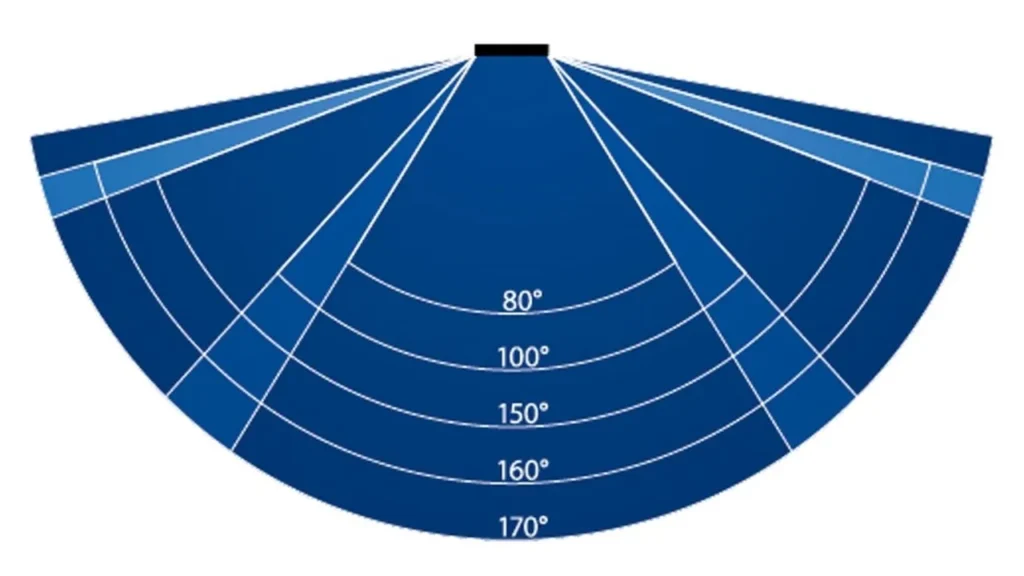
Evaluating and measuring viewing angles provides information about how LED screens work from different viewing angles. It also assess the stability of brightness and consistency of color as the viewing position shifts. Reliable testing reveals whether the images are still dependable even at positions furthest from the center.
Goniometers, luminance meters, and colorimeters are used by technicians to document performance where angles are concerned. Camera-based systems document brightness and color as viewing angles shift around the display. All these instruments help to make sure that the display meet the visibility requirements based on how it is designed to be used.
FAQs
What is a good viewing angle for LED displays?
The optimal viewing angle is between 140 and 170 degrees which supports clear sights even in a wide position.
How does viewing angle differ for indoor and outdoor displays?
The display of indoors has to be wider and more close as compared to outdoor display which concentrates on the frontal brightness.
Can viewing angle be improved after installation?
Minor enhancement is made by calibration, however, the main viewing angle boundaries are determined by hardware design.
Do wider viewing angles affect brightness?
Wider viewing angles do reduce the peak brightness slightly but at the same time increase the visibility across the different positions to be uniform.
How can you improve viewing angle on LED display?
Advancement is achieved by the choice of suitable LED technology, its correct calibration, and the equal brightness levels.
Which LED display has the widest viewing angle?
COB LED displays have the highest viewing angles and light distribution is smooth and uniform.
IvanLED is your Trusted LED Display Manufacturer in China
At IvanLED, we design and manufacture a range of LED displays with varying pixel pitch, size and configuration. Our engineers ensure every LED display conforms to struct quality standards and testing.
So far, we have supplied many LED display rental businesses both in Mexico and Europe with different LED wall displays, totaling over 60 units.
Partner with IvanLED today, for all your custom LED displays – Get a quote now.