


What are Foldable displays?
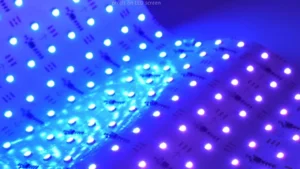
There are two ways to make an LED screen foldable: using flexible materials and adding mechanical hinges. Flexible LED screens use flexible materials to support the circuit boards, allowing the screen to bend or roll. Screens built in this way can make for better visual performance. However, their production and maintenance costs are both high.
The other folding method is to add hinges to the edges of rigid LED displays to connect them together and expand the screen size. In this way, transportation can be easier and allow each panel to be serviced individually.

The Usage Scenarios of Foldable Displays
Temporary Advertisement
Because of their lightweight and easy transport, foldable LED screens are commonly used in temporary events, such as pop-up stores, weddings, music festivals, or short-term offline brand events for promotional displays.
Stages
Using foldable LED screens on stage fully leverages their flexibility. By adjusting the folding structure, the stage can achieve diverse visual designs, giving the audience a more immersive experience.
Large Conference Hall
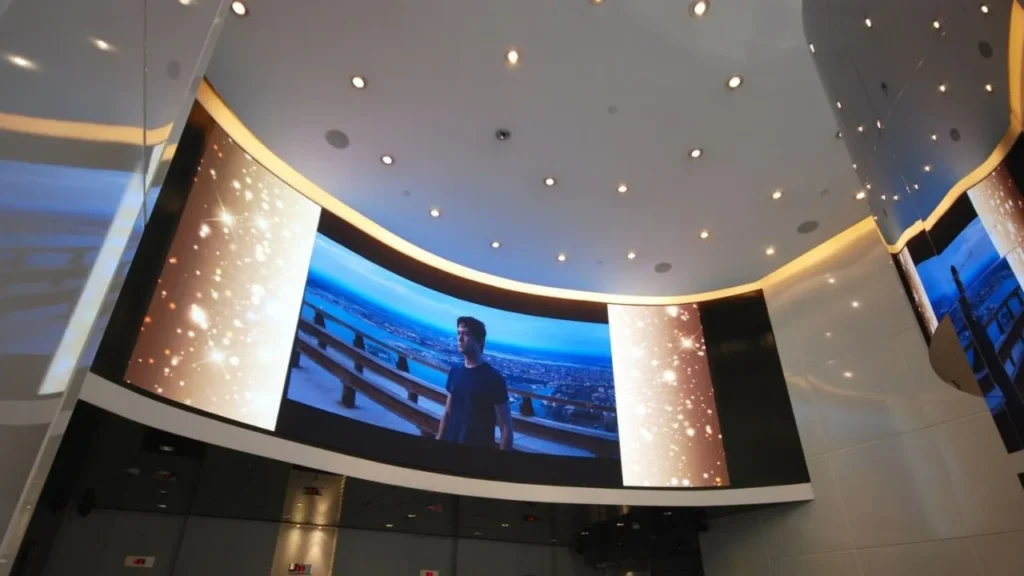
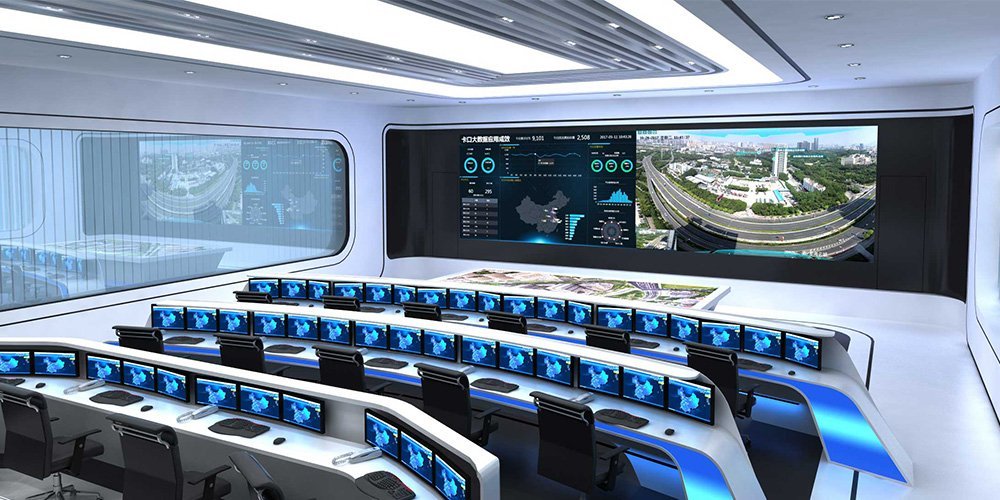
In large conference halls, foldable LED screens can be used as the main display, making it easier to showcase products from multiple angles during press events. They can also serve as navigation or wayfinding screens throughout the venue.
Mobile Media
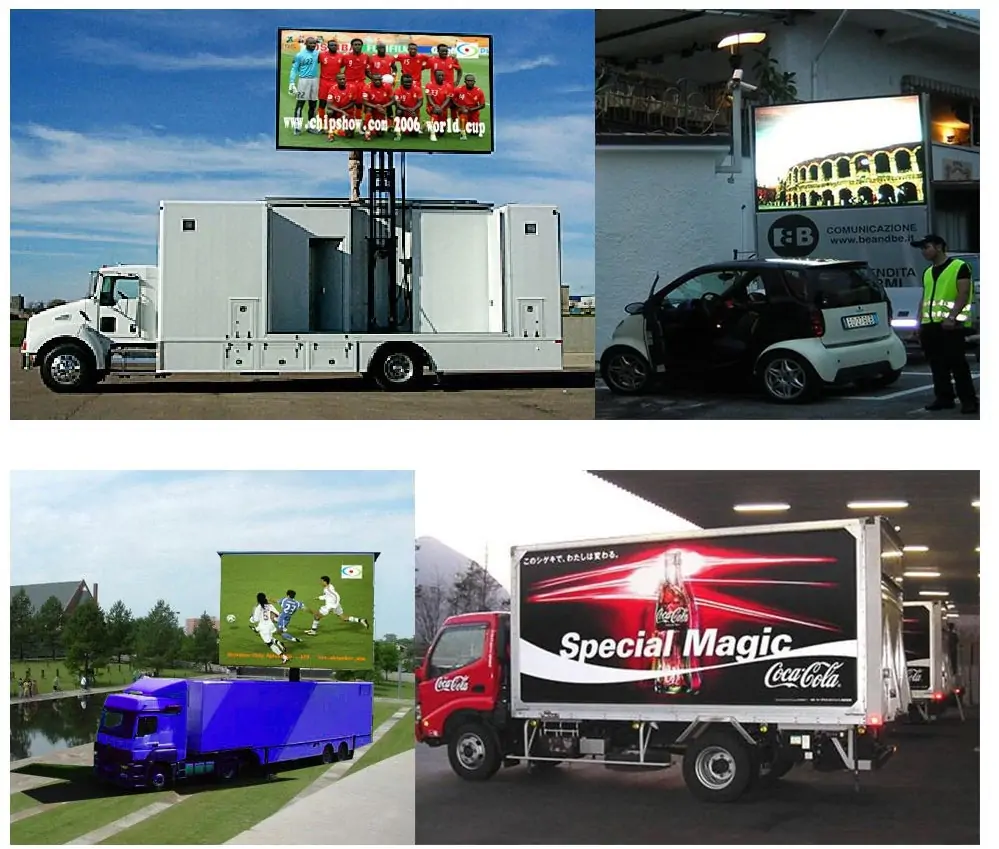
Some mobile LED screens, such as those on advertising or stage vehicles, often use foldable displays to provide multi-directional visibility from the front, rear, and sides.
The Factors Should Be Considered During Renting or Buying
Pixel Pitch
An LED screen is made up of individual pixels, and the distance between these pixels is called the pixel pitch. The common pixel pitch ranges from 0.5mm to 20mm. The smaller the pixel pitch, the clearer you will feel.
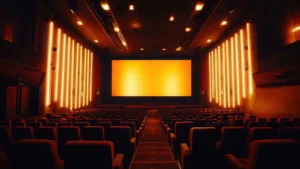
When the screen is large enough, or the viewing distance is close enough, the difference in resolution becomes noticeable, and it is important to adopt a smaller pixel pitch. For example, for similarly sized screens, a cinema screen typically requires a pixel pitch of around 5 mm, while an outdoor advertising LED screen generally has a pixel pitch of about 15 mm.
Brightness and Refresh Rate
The brightness of the screen is determined by the ambient light and the viewing distance. The unit of brightness is nits, which refers to candela per square meter. The outdoor foldable screens require higher brightness compared to those used indoors.
For instance, an LED screen used in an indoor showroom requires 800–1,500 nits of brightness, while mobile screens on vehicles need 5,000–8,000 nits because of the strong sunlight.
Refresh rate refers to the number of times a screen updates its image per second. Under a higher refresh rate, you will see the video playback smoother. If you plan to use foldable screens for professional exhibitions or stages, opting for a high refresh rate is necessary.
Grayscale and Contrast
Grayscale refers to the number of brightness levels each pixel can display. Higher grayscale allows smoother color transitions on the screen. For some indoor exhibition or advertising screens, 12-bit grayscale is sufficient. If you want to display more refined content, you can choose 14-bit or 16-bit grayscale.
Contrast means the ratio between the brightest and darkest parts of a screen. The higher the contrast, the more vivid the images you will see. For those outdoor screens, contrast is greatly affected by ambient light, so higher brightness is more important.
The Folding Angle
Folding angle refers to the angle formed when the screen is folded. At 180 degrees, the screen becomes a flat surface. If the folding angle is too small, the image may suffer from uneven brightness. Moreover, A larger folding angle allows the screen to appear with smoother transitions.
Except for some vehicle-mounted mobile screens, you’d better choose a larger folding angle that is close to 180° for an improved visual effect.
Number of Folds and Lifespan
The number of times a foldable LED screen can be safely folded is limited. After exceeding the safe fold limit, fold marks or uneven color may appear, reducing the screen’s visual performance. Screens that are folded and unfolded frequently require a higher number of safe folding cycles. For example, the LED screens used in concerts that need to be folded daily or weekly should have a minimum safe fold count of 50,000 to ensure smooth operation over 2–3 years.
When purchasing a folding LED screen, you also need to take its lifespan into account. Once the screen’s brightness drops below a certain level or defects appear, it should be replaced. If you want to use the screen for a long time every day after purchase, you should choose those with a longer expected lifespan, such as 50,000–100,000 hours.
Maintenance Cost
For flexible screens, FPC fatigue or breakage may occur. For hinge-connected foldable screens, although they are cheaper, the maintenance costs are higher than those of flexible screens. Their hinges may rust, and solder joints may come loose. Moreover, higher folding frequency will correspondingly result in higher maintenance costs.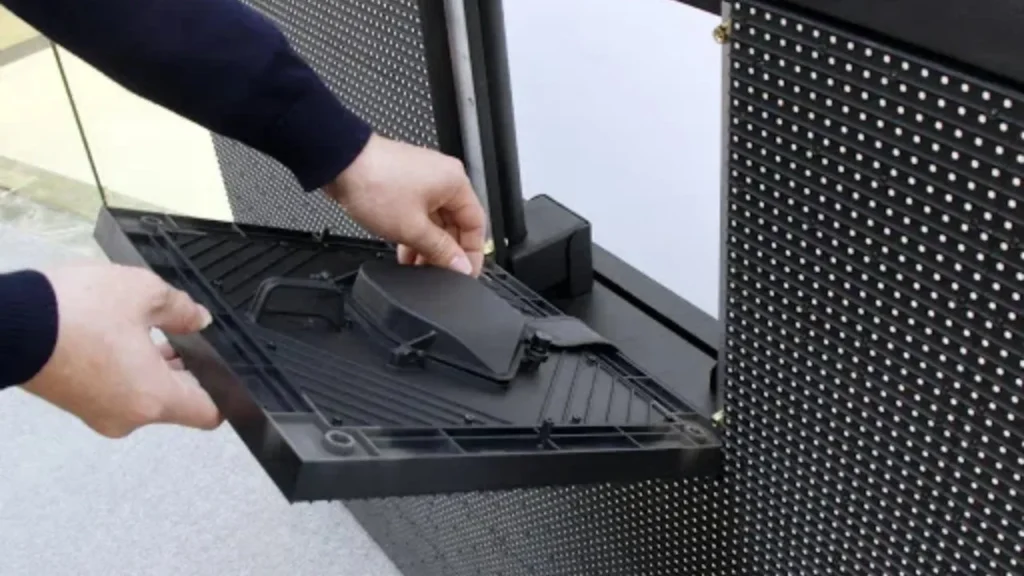
Tips for choosing a Foldable LED Display
Choose a Reliable Supplier
Compared with regular LED screens, foldable screens require more advanced technology, especially the flexible ones. An experienced manufacturer not only has more mature expertise but can also offer a competitive price. Moreover, if you are unclear about LED screen installation or maintenance, a professional supplier can also provide technical support and long-term after-sales service.
Proper Transportation Method
Foldable LED screens are expensive, fragile, and structurally complex, so ensuring they remain intact during transportation is essential. Before transportation, you should use waterproof, dustproof, and shockproof packaging. The screen also needs to be fixed with brackets to prevent damage from bumps during transit.
Prepare Backup Folding Components
As mentioned before, LED foldable screens are easily damaged, especially those connected by hinges, which need modules or hinges to be replaced frequently. To prevent complete screen repairs and other unforeseen issues, you can request the manufacturer to provide spare parts, including the hinge assemblies, LED modules, and power cables.
FAQs
What is brightness washout, and when does it occur?
Brightness washout refers to the phenomenon where, as the folding frequency increases, the LED pixels in the folded areas lose brightness, resulting in uneven local luminance. It tends to appear as the folding count nears the screen’s designed limit or if the screen is subjected to uneven pressure.
What factors should rental businesses pay the most attention to when picking foldable LED screens?
As a rental provider, the factors you should focus on most are the screen’s fold endurance and lifespan, as these directly determine how many times you can rent out a single screen.
Next, consider the ease and frequency of screen maintenance. Rental screens are often assembled, disassembled, transported, and folded. If issues occur, you need to repair them promptly. Therefore, it’s wise for you to prioritize foldable screens that are easier to maintain.
What safety issues may arise when using a foldable screen?
The most common safety issues during the use of LED foldable screens are getting fingers pinched by the hinges and screen drops caused by hinge breakage. Other risks include short circuits and electric shocks. You’d better regularly inspect the hinges, power supply, and modules to prevent potential safety problems.
Do high or low temperature environments affect the performance of a folding LED screen?
Yes. High or low temperature environments can both affect the performance and lifespan of foldable LED screens. In high-temperature environments, the hinge material may expand due to heat, and FPC fatigue can accelerate. In low-temperature environments, the FPC can become brittle and prone to cracking, and the LED’s luminous efficiency may decrease.
If you want to use a foldable screen under extreme conditions, you can request the manufacturer to use materials resistant to high and low temperatures and provide protection during use, such as heat sinks or insulation covers.
IvanLED: Customizing the Best Foldable Displays for You
IvanLED is a professional manufacturer that has over ten years of experience in producing LED displays. We can customize folding LED displays of various sizes, multiple pixel pitches, and both manual and automated ones. Whether it is for industries ranging from hospitality to entertainment, corporate, retail, and more, we have excellent manufacturing capabilities. Feel free to contact us if you want to customize or purchase a screen!