










What is GOB LED?
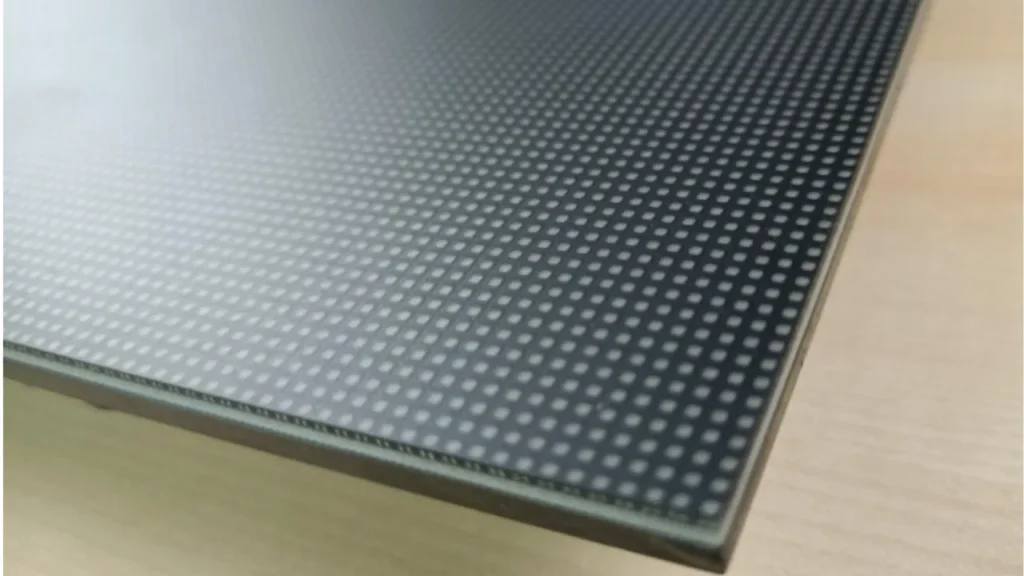
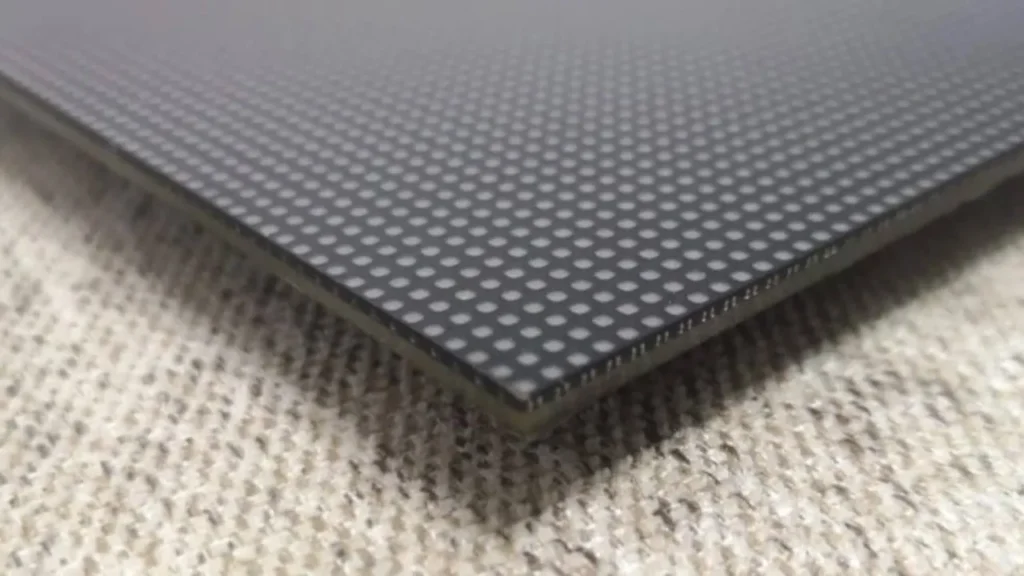
Glue on Board LED is a distinct technology that sees an epoxy resin applied on the base and top of regular SMD LED modules. This adds a layer of protection to your GOB LED screen thus allowing you to deploy it in outdoor settings or public spaces.
In addition to adding a layer of protection, this epoxy resin also ensures that your display lasts longer while demonstrating optimal performance.
What is a GOB LED Module?
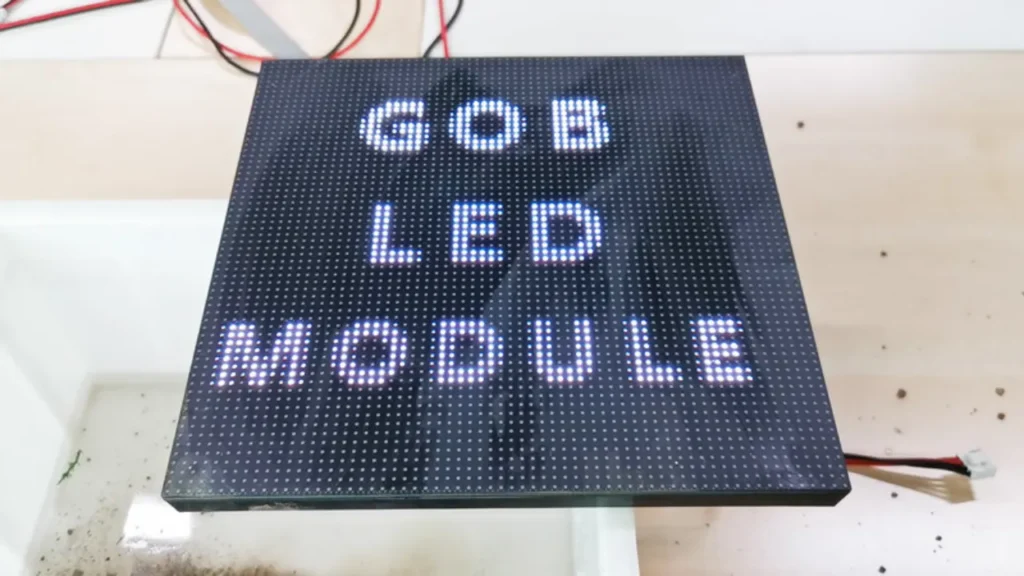
A GOB LED module is a self-contained unit comprised of numerous LEDs coated with epoxy resin, which adds a layer of protection. These LED modules work in tandem to generate light in electronic devices and lighting systems.
GOB LED modules are at present a common feature in fine-pitch LED screens and outdoor LED displays due to the superior resistance to weather elements they offer.
What is a GOB LED Display?
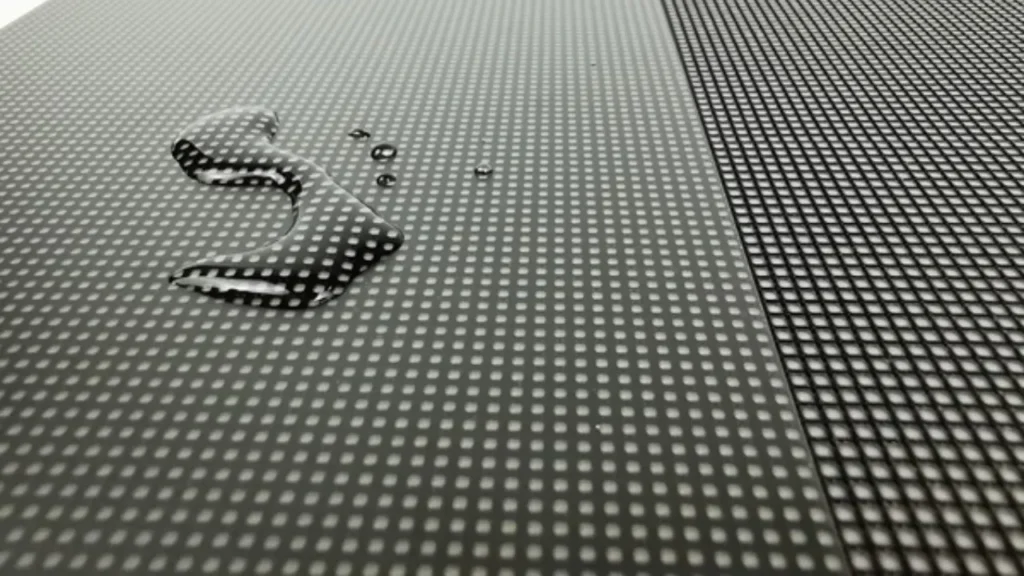
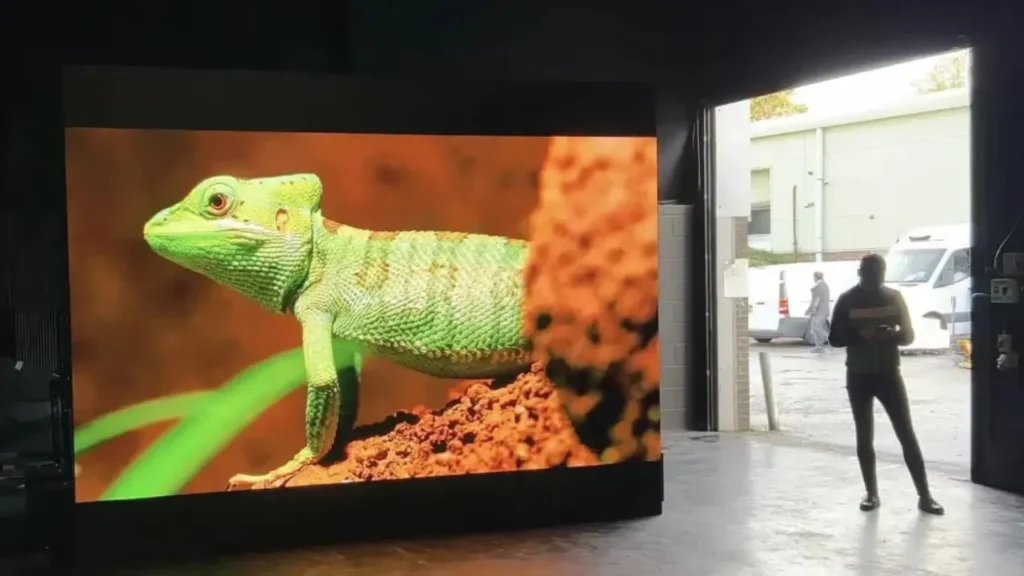
Glue-on-board LED displays are not your everyday LED displays. They boast an extra layer of epoxy resin on their exterior thus making them more resistant to harsh weather elements, and physical impact.
Furthermore, GOB LED displays demonstrate better heat dissipation meaning you can keep them running for longer hours without risking overheating. These displays also have a relatively smaller pixel gap hence they deliver uniform brightness.
GOB LED Features
Whereas traditional LED technologies leave their modules exposed, GOB LED encapsulates its modules. This gives GOB LED displays quite the edge over conventional SMD LED screens. They boast a series of unique features including:
- Waterproof: GOB LED screens are characterized by a transparent epoxy resin cover, which ensures that water and moisture do not reach the LED modules. This allows you to utilize these displays in outdoor spaces prone to rain and snow.
- Heat-Resistant: The addition of a glue layer also helps improve the heat dissipation of your GOB LED display. This averts overheating thus making your LEDs more durable.
- Small Pixel Pitch: The LEDs in GOB LED displays are comparatively more closely packed and this gives you a higher pixel density. This ultimately gives your GOB LED screen more detail and clarity.
- Impact-Resistant: Thanks to the added layer of glue or epoxy resin, GOB LED modules are able to withstand relatively higher degrees of shock and impact. This makes them ideal for use in floor LED displays.
- Dust-proof: The inclusion of a transparent glue layer further seals off any entry points dust and debris may have. This keeps the LEDs in your display bright and in tip-top condition.
GOB LED Display Components
Glue-on-board LED technology is gradually becoming the prevalent technology in LED displays. It is preferred primarily due to its self-protecting feature, which is a consequence of the added protection layer. Although GOB LED displays feature all the components featured in traditional LED displays, they also pack some unique components.
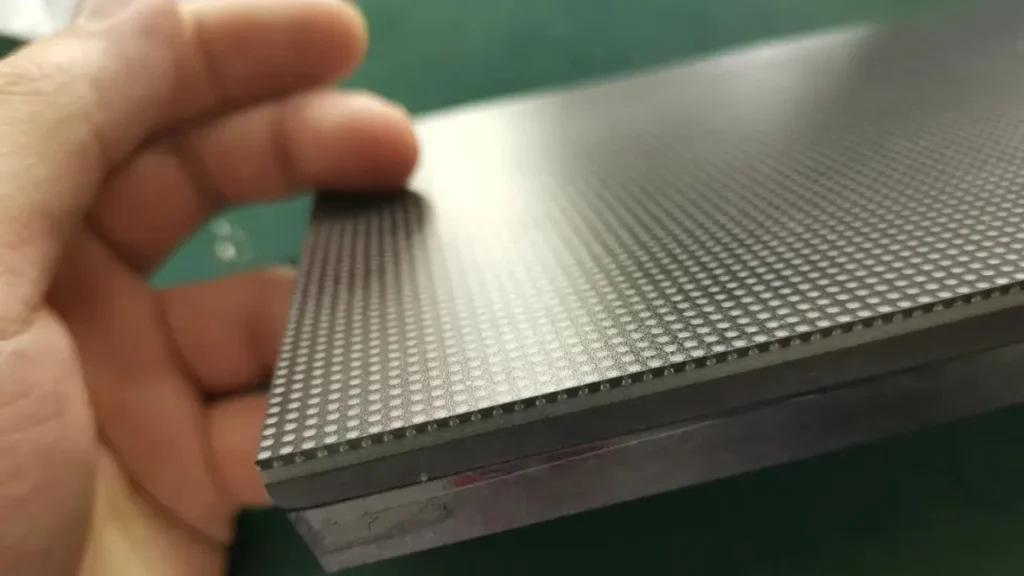
· LED Chips
At the centerpiece of your LED display lies LED chips, which act as your display’s main light source. These are essentially SMD LEDs, which are typically mounted on a printed circuit board. In GOB LED screens, these chips are encapsulated with epoxy resin making them impervious to moisture, physical impact, and dirt.
· Driving Integrated Circuits
Driving integrated circuits are typically fitted on the backside of your printed board circuit and they are mainly tasked with controlling signal and current flow. They simply regulate the powering on and off of your pixels as well as their brightness levels. GOB LED displays boast a high refresh rate and great visual performance.
· Printed Circuit Boards
This is a multi-layered board that houses other key components of your GOB LED module. For instance, they hold your glue-on-board LEDs. The printed circuit board also supports the conductive copper, which is tasked with transmitting signal and power to the individual GOB LED pixels.
· Transparent Epoxy Glue
Unlike conventional LED displays, GOB LED screens boast a layer of epoxy glue that is characteristically transparent. Alternatively, highly transparent polyutherane glue is utilized. Transparency is key since it does not dim the brightness or colorfulness of your LEDs. The transparent glue layer simply makes your LED module impervious to liquid spills and physical impact.
· Control System
Every GOB LED screen comes with a special display control system made up of a processor and a receiving card. The processor is primarily presented with video signals, which it formats into a format that can be conveyed to your display. The receiving card, in contrast, intercepts the translated data conveyed by the processor before transmitting it onto the driving integrated circuits.
· Power Supply Cables
Any typical GOB LED display features an elaborate power cable line tasked with relaying AC power as well as DC power to the respective components. The internal power supply wires convey DC power to the LED modules while the power cables supply DC energy to the power supply unit.
GOB LED Packaging Process
Digital displays have taken a significant leap in recent years and GOB LED displays have stamped their mark as one of the most reliable and advanced LED display technologies. But how does this technology differ from earlier technologies such as SMD LED?
Here is an overview of this distinct LED packaging technique.
· Preparing the Printed Circuit Board
Begin by settling on an ideal printed circuit board. One whose material demonstrates high thermal conductivity and strength. This board will support key components of your glue-on-board LED display. Common PCB boards include aluminum and FR4 boards.
· LEDs Beads Mounting
Subsequently, connect your LED chips to the printed circuit board using thin aluminum wires. Thin gold wires are also as effective. For a stronger connection, consider utilizing thermosonic bonding or ultrasonic bonding. Before winding up, make certain that all LED chips are securely connected.
· Gluing
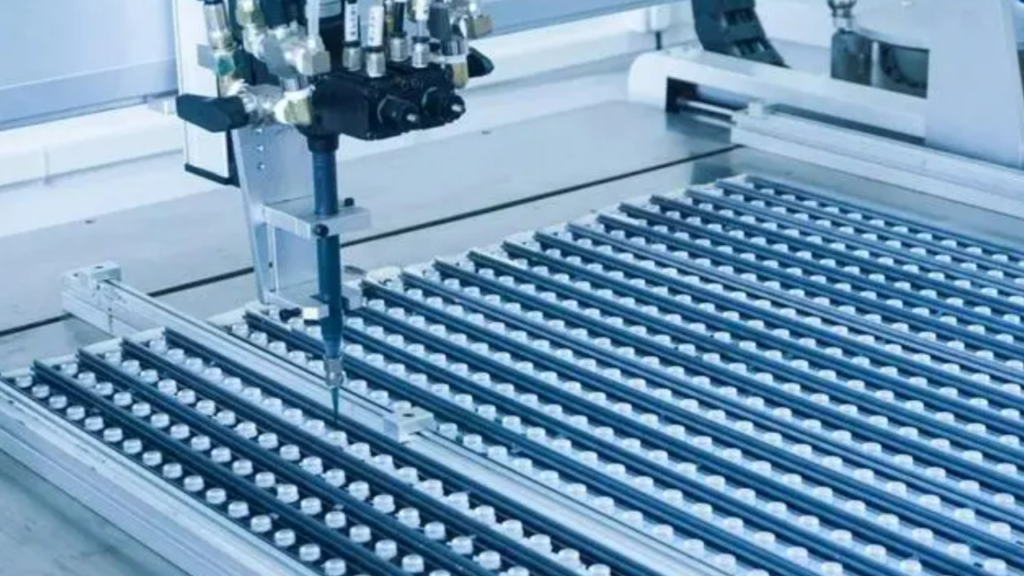
Now, proceed to transform your ordinary SMD LED chips or beads into GOB LED chips by encapsulating them with a befitting gluing material. First, mix your silicon or epoxy resin with a hardener then apply the resulting gluing material using a specialized machine evenly. Finally, de-gas the applied glue to get rid of any trapped air.
· Vacuum De-bubbling
While applying the transparent gluing material on your LED modules, air can get trapped and this can reduce the quality of your GOB LED display. If you spot some airbags, simply place your glued LED modules on a vacuum chamber to dislodge the trapped air.
· Curing
Once the gluing material is uniformly applied over the LED chips and bonding wires, proceed to cure this material. This will ultimately leave you with a hard protective layer impervious to dust and liquids. You can either utilize thermal curing, which will simply involve placing your PCB in an oven and subjecting it to controlled heat, or UV curing, which will involve curing using UV light.
· Testing
Conclude the GOB LED packaging process by testing the state and performance of your GOB LED module or display. Undertake the luminance test to gauge how bright your LEDs are and the thermal test to measure the heat dissipation abilities.
Benefits of GOB LED
Typical LED displays boast great brightness levels, clarity, and detail. However, they are likely to deteriorate when exposed to dust, accidental bumps, or liquids. GOB LED screens boast a strong resistance to these harsh elements in addition to exhibiting great clarity and detail. They promise the following rewards.
- Moisture-Proofing
- Easy Cleaning
- Impact Protection
- Dust-Proofing
- Improved Durability
- Anti-static Protection
- High Light Uniformity
- UV Resistance
- Easy installation
How Does GOB LED Compare to COB LED
Both chip-on-board LED and glue-on-board LED technologies have taken digital displays by storm thanks to their superior brightness uniformity and clarity. They are however, distinct LED packaging technologies, and their differences are summarized in the underlying table.
| Feature | Chip on Board (COB) LED | Glue on Board (GOB) LED |
| Structure | Configuration involves numerous LED beads or chips installed directly on your PCB’s substrate. | Configuration involves multiple LED modules covered by a see-through gluing material such as epoxy resin. |
| Brightness | Boast of closely packed LED chips and this makes COB LED displays comparatively brighter. | The addition of a transparent gluing material slightly depreciates the brightness levels of GOB LED displays. |
| Visual Quality | Delivers comparatively higher resolution visuals thanks to the closely packed LED beads. | Delivers high resolution visuals, however, the quality of these visuals is slightly inferior to that of COB LED. |
| Type of LED Component | Relies on unpackaged LED chips or beads. | Relies on SMD LED chips, which are packaged in advance. |
| Protection Level | Boasts protection against moisture and shock. | Boasts great protection against accidental bumps, rain, snow, and dirt. |
| Heat Dissipation | Comparatively superior heat dissipation. | Comparatively slightly inferior heat dissipation. |
| Durability | Do not last longer than GOB LED displays. | Lasts longer than COB LED displays. |
Maintaining a GOB LED Display
GOB LED displays are renowned for their superior resistance against dirt, moisture, and physical force and this often translates into prolonged durability. However, this does not mean that you are absolved from undertaking regular maintenance. Here are some of the practices you must undertake to keep your glue-on-board LED display running optimally.
- Create the display gently every once in a while, to mitigate the excessive build-up of dirt and debris.
- Regularly check your cables to secure any loose ones.
- Keep your GOB LED screen away from direct sources of heat including direct sunlight.
- Always update the display’s software whenever there is an update from the manufacturer.
- When idle, always preserve your GOB LED display in a cool and dry place.
Common Applications of GOB LED
GOB LED is an LED packaging technology that has not been around for ages. However, in the short time it has been in existence, it has found its way into countless lighting systems and digital displays. Some of these include;
- Outdoor Billboards
- Floor LED Displays
- Rental LED Displays
- Shelf LED Displays
- Stage Backgrounds
- Advertising Displays
- Flexible LED Displays
- Transparent LED Displays
FAQs
1. Why Should You Use GOB LED Over SMD LED?
If you are looking for an outdoor display, GOB LED should be your go-to LED Packaging solution. This LED packaging technology employs an additional protection layer comprised of a transparent gluing material, which gives your display unmatched resistance to shocks, moisture, and dirt. SMD LED in contrast, does not feature this protection layer making it ideal for indoor displays.
2. Can You Use GOB LED Displays in Outdoor Settings?
Yes. As a matter of fact, GOB LED displays are tailor-made for outdoor applications such as roadside advertising and floor displays. This is because these displays come equipped with a weatherproof coating of a gluing material that can tolerate the shocks of physical force as well as liquid spills and dirt.
3. Is GOB LED Better than COB LED?
Glue-on-board LED is not necessarily better than chip-on-board LED. However, GOB LED displays tend to thrive better in demanding applications such as outdoor and floor displays. This is because these displays are fitted with a self-protective layer. COB LED displays, in contrast, flourish in indoor applications such as control room LED displays.
4. Do GOB LED Displays Overheat?
GOB LED displays boast comparatively better heat dissipation thanks to the transparent layer of gluing material encapsulating their LED chips. This allows them to run continually over prolonged periods without overheating. However, they are not entirely immune to overheating.
Conclusion
LED technology in general has taken digital displays to newer heights over the years. However, the introduction of glue-on-board LED technology has unlocked newer heights. This technology has taken the consistently high-quality visuals attained by traditional LED packaging technologies and merged them with greater protection and durability. This has given rise to highly durable LED displays that can hold out against tough weather elements and physical shocks.