










What is P2 LED Screen?
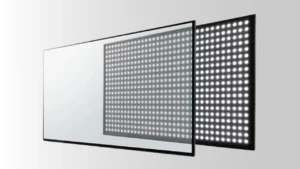
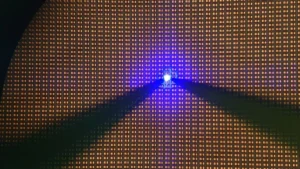
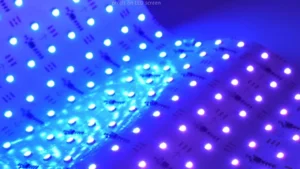
P is an initial for the word pixel pitch. The pixel pitch corresponds to thedistance between a pair of pixels. It is measured from the centers and is given in millimeters. An LED designated P2 has a 2mm pixel pitch. A lower pixel pitch value corresponds to a higher density. LED displays with high pixel density produce sharper images allowing close viewing.
What is LED Screen P3?
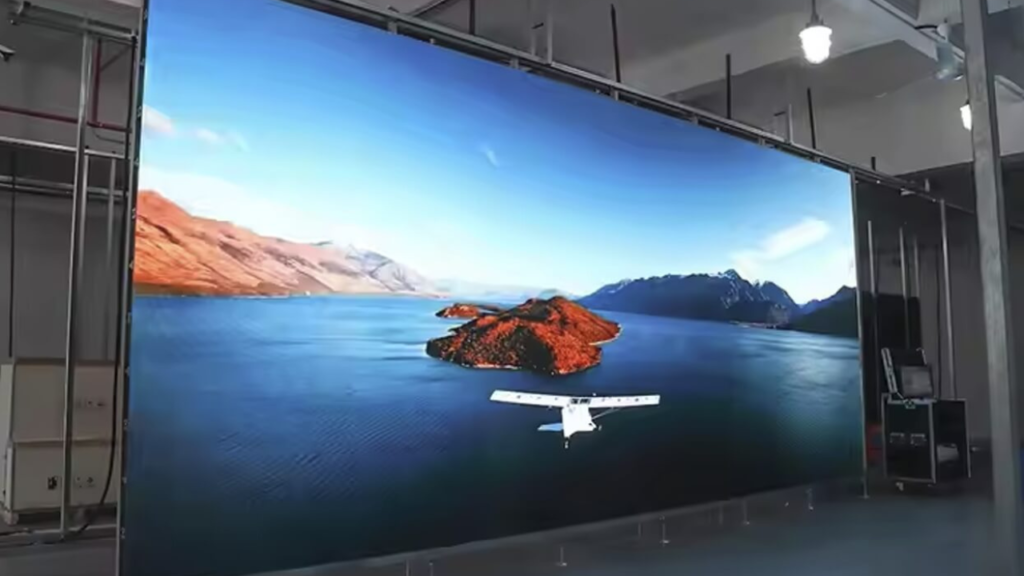
Adjacent pixels in an LED designated P3 have their centres 3mm apart. Such a metric denotes a small value pixel pitch. As a result, you can conclude that this type of LED display has a high pixel density. However, the resolution is lower than that of a P2 LED screen.
Differences between P2 and P3 LED Screens
Both P2 and P3 LED screens offer you high-resolution displays ideal for indoor viewing. Here are some of the differences between the two specific screen types:
Pixel Pitch
This is the most apparent difference. With P2 LEDs, separation is 2 mm, P3 LED’s its 3 mm. This means pixels in a P3 screen are farther apart by a millimeter compared to those in a P2 screen. The latter thus provides a higher resolution and sharper visuals when viewing is close.
Resolution
Screen resolution affects an LED display’s image quality. Given the pixel separation, you can conclude P2 LED to be of higher density than P3 displays. The result is much sharper image reproduction.
Viewing Distance
Another aspect influenced by the pixel pitch, the viewing distance for P2 LED screens is between 2m and 4m. On the other hand, that of P3 LED screens is between 3m and 6m. Consequently, you benefit from much closer viewing with P2 screens as opposed to P3 screens.
Contrast Ratio
You can say the contrast ratio of the two LED screens is considerably high. However, you will have a better experience viewing detailed presentations from a P2 screen compared to a P3 screen. This is thanks to the slightly higher pixel density it possesses.
Similarities between P2 LED Wall and P3 LED Wall
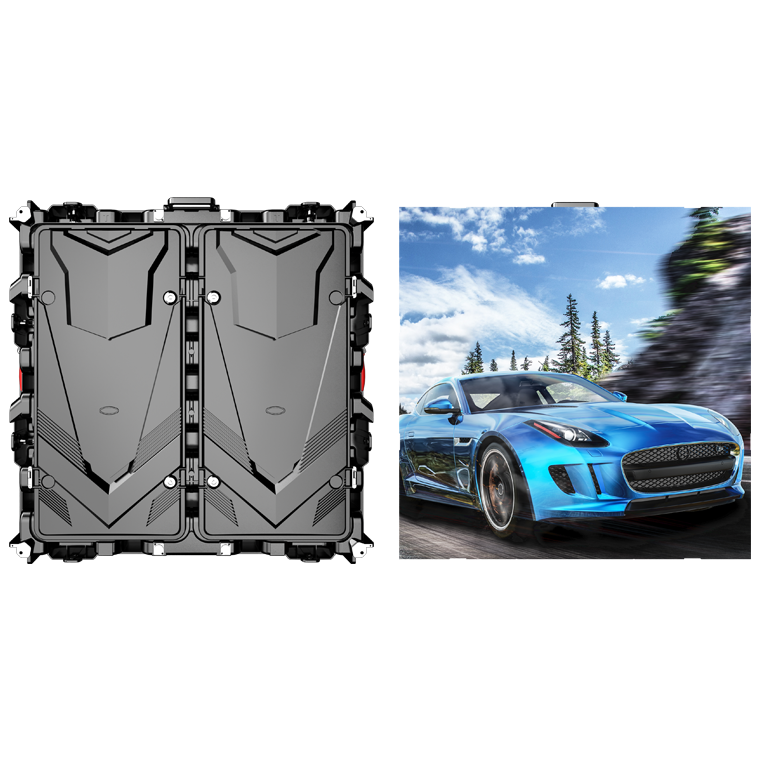
A common denominator you find with theses screen types is the use of light emitting diodes. As a result, the produced image is superior to that of LCD displays. Here, we capture more similarities between these two:
Indoor Application
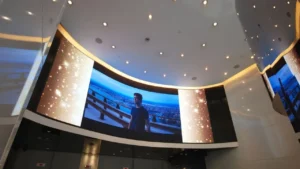
Owing to the small pixel pitch, P2 and P3 walls are a good fit for use in indoor environments. This is because they have a reduced viewing distance between 2m and 6m.
High Brightness and Contrast
P2 and P3 LED walls present the same brightness levels ranging between 800 to 1200 nits. They are well visible when used in indoor spaces. Additionally, you can capture intricate details in displays due to the screens’ deep blacks.
Wide Viewing Angle
With P2 and P3 LED displays, you can have a clear view from wide angles ranging between 140° – 160°. As such, you can be positioned as much as 160° from the screen center and still capture the displayed content.
High Refresh Rate
P2 and P3 LED walls have similar refresh rates between 1920Hz – 3840Hz. The result is smooth playback devoid of glitches and flickers in images displayed. A notable advantage of this feature is suitability in broadcasting or streaming live happenings.
Customizable
With the modular feature of P2 and P3 LED walls, you can customized your display size to suit your application. Remember you can only use one type of display screen for decent image projection.
When to Choose P2 LED Screen or P3 LED Screen
Sometimes, you can be faced with a decision to choose between P2 or P3 LED screen. Certain factors can help make your decision easier.
Go with a P2 LED Screen:
- Where you require close-range viewing not exceeding 4m.
- Where there is emphasis on resolution levels such as graphic presentations.
Go with a P3 LED Screen:
- Where there’s a considerable but moderate viewing distance between 3m and 6m.
- Where cost influences the decision but quality is still a major concern.
- When you expect to serve a relatively larger audience
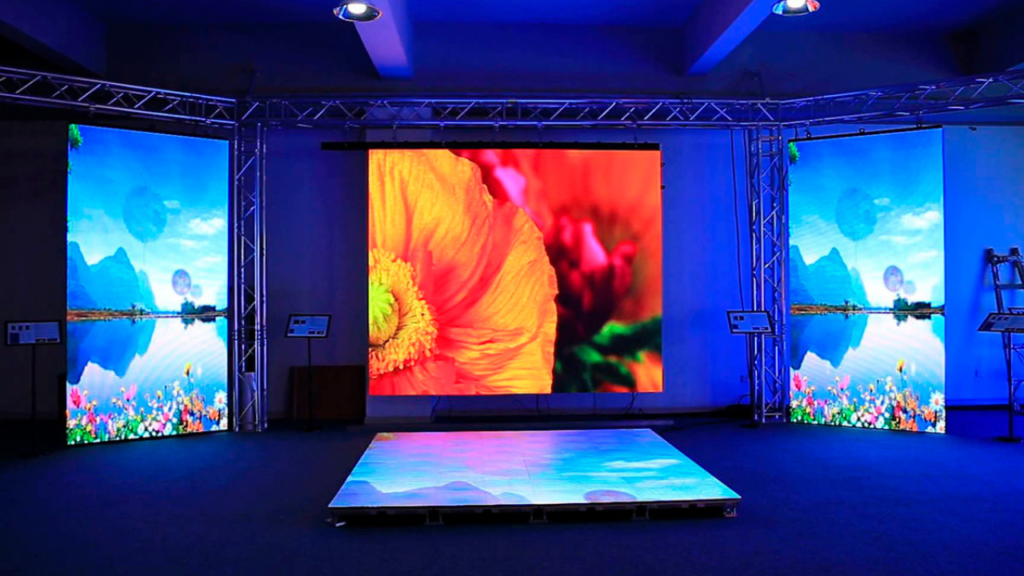
Applications of P2 vs. P3 LED Screens
P2 and P3 LED screens can find similar usage across the following applications:
- Advertising: Retail centres like shopping malls and showrooms use P2 and P3 LED screens as digital billboards for engaging content.
- Broadcasting: Modern newsrooms and television stations utilize LED displays as backdrops and as primary displays. This way, they can broadcast pictures and other details in high quality to viewers.
- Conferencing: These screens are ideal in meetings and workshops done indoors requiring image or video display. They high clarity offered by P2 and P3 displays makes for an engaging experience.
- Control Rooms: Central command centers for traffic control, CCTV monitoring and emergency response centers use these displays for real-time data visualization.
- Entertainment Venues: P2 and P3 LED screens are implemented for concerts, auditoriums, and indoor stages offering background visuals.
- Exhibitions: Used where interactive content is ideal such as in museums, trade shows and art exhibitions. They provide high-quality visuals.
- Sports Arenas: Indoor sports arenas use these displays to provide real-time updates such as scores as well as replays for live-action.
FAQs
1. Which is better between P2 and P3 LED?
Your needs will be central to your display choice. These needs will be guided by the application, viewing distance, resolution and budget. Where you need the best resolution and clarity go for a P2 LED. If you can sacrifice some of the quality in exchange of cost savings, then a P3 LED will serve you.
2. What does P mean in LED Screens?
P is an initial for the word pixel pitch. It corresponds to thedistance between a pair of pixels. Measured from the centers, it is given in millimeters. For instance, a P2 LED Screen has adjacent pixel centres 2mm apart.
3. How does P2 and P3 LED Screen Price Compare?
While price is relative to external factors like brand and market, a more realistic determinant is screen size. That is, a forty inch screen will ideally cost more than thirty inch one. Generally, P2 LED’s fetch higher prices than their P3 counterparts. Other factors that can influence the price are subjective factors like brand and model.
Conclusion
You will enjoy decent viewership sitting in front of either a P2 or P3 screens. Nonetheless, for best clarity and resolution P2 LED screen takes the win. You however find that P3 offers you a great balance between resolution and price.