









Buyer Pain Points: 4K vs 1080p Confusion
Distributors and buyers face specific challenges when choosing between 4K and 1080p:
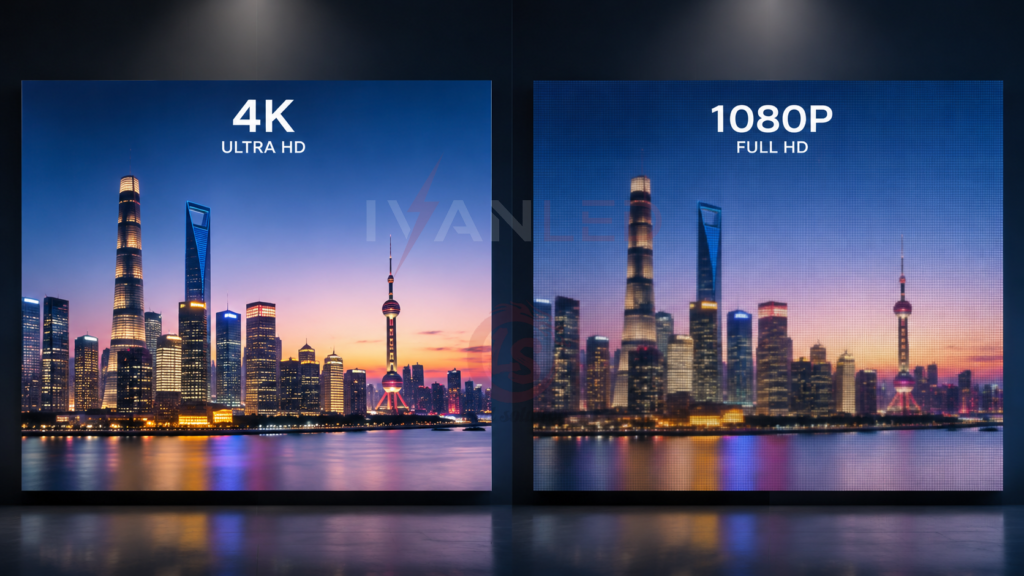
Is 4K really better than 1080p for LED displays? In terms of pixel count, yes — 4K has four times the pixels of 1080p. But the human eye can only see the difference at close viewing distances. For many commercial applications, the extra pixels are wasted.
How much more does 4K cost? A 4K LED display typically costs 2-3x more than a 1080p display of the same size. The screen is only part of the cost — 4K also requires more powerful controllers, higher bandwidth, and more storage.
Will my client notice the difference? At typical commercial viewing distances (3-5 meters), most viewers cannot distinguish 4K from 1080p on screens under 100 inches. The difference only becomes visible at very close distances or on very large screens.
Is 1080p becoming obsolete? While 4K and 8K are gaining traction, 1080p remains the most widely used resolution for commercial LED displays. Most content is still produced in 1080p, and it will remain relevant for years.
What about future-proofing? Choosing 4K may seem like future-proofing, but the premium cost and infrastructure requirements often outweigh the benefits for most commercial projects. For more on resolution comparisons, see our HD vs UHD guide.
What Is 4K Resolution?
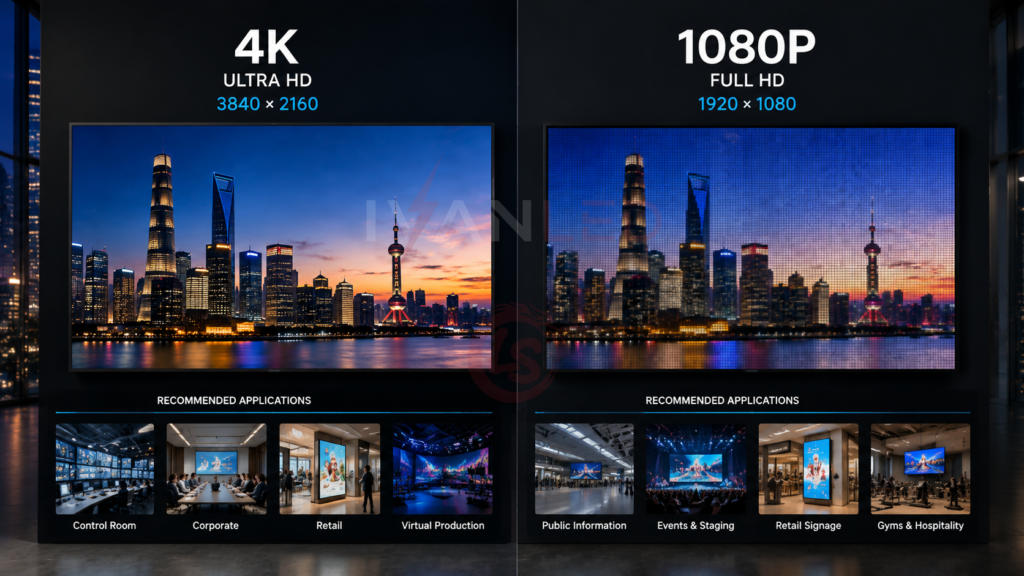
4K resolution (3840×2160 pixels) contains approximately 8.3 million pixels — four times the pixel count of 1080p. The “4K” refers to the approximately 4,000 horizontal pixels.
Key characteristics:
- 3840 horizontal pixels × 2160 vertical pixels
- Approximately 8.3 million total pixels
- 16:9 aspect ratio (standard widescreen)
- Also known as 4K UHD (Ultra High Definition)
- Requires HDMI 2.0 or higher for full playback
4K is widely used in luxury retail, control rooms, broadcast studios, and premium corporate environments where image quality is paramount and budgets allow.
What Is 1080p Resolution?
1080p resolution (1920×1080 pixels) contains approximately 2.1 million pixels — one-quarter of 4K’s pixel count. The “p” stands for progressive scan, indicating that all lines are drawn sequentially.
Key characteristics:
- 1920 horizontal pixels × 1080 vertical pixels
- Approximately 2.1 million total pixels
- 16:9 aspect ratio (standard widescreen)
- Also known as Full HD (FHD)
- Works with standard HDMI and most existing infrastructure
1080p remains the most widely used resolution for commercial LED displays, digital signage, and most professional applications.
4K vs 1080p: The Real Differences
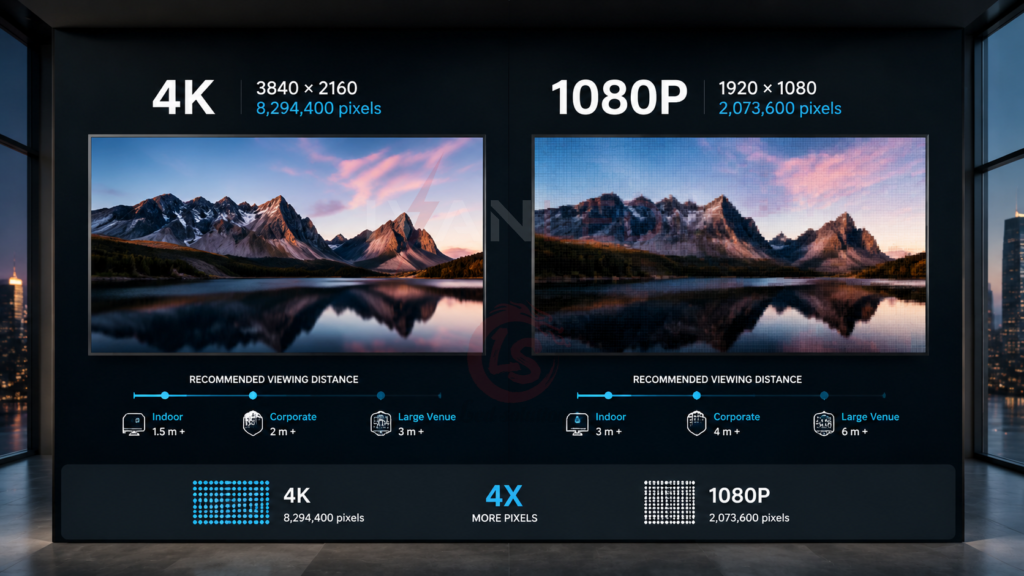
The key difference between 4K and 1080p is pixel count — 4K has four times the pixels of 1080p, which enables sharper images at close viewing distances and on large screens.
| Factor | 4K (UHD) | 1080p (Full HD) |
| Resolution | 3840 × 2160 | 1920 × 1080 |
| Total pixels | 8.3 million | 2.1 million |
| Pixel pitch equivalent (LED) | P1.2 – P1.5 | P2.5 – P4 |
| Min viewing distance | Under 2 meters | 2-4 meters |
| Relative cost | 2-3x higher | Lower |
| Bandwidth requirement | ≥15 Mbps | 5-10 Mbps |
| Storage requirement | 3-5x larger files | Smaller files |
| Best for | Close viewing, large screens, premium applications | Standard commercial use, long viewing distances |
When Does 4K Make Sense?
4K delivers visible benefits in three specific scenarios: ultra-close viewing (under 2 meters), very large screens (over 100 inches), and professional content production where cropping is required.
Consider 4K for:
- Control rooms and command centers: Operators sit close to the screen and need to see fine text and data details
- Luxury retail and showrooms: Close-up product displays where image perfection is critical for brand image
- Broadcast studios and virtual production: Where cameras zoom in and crop footage, 4K provides flexibility
- High-end corporate lobbies: Where the display is a focal point and viewed from close distances
Premium 4K Solution: IvanLED BYH V1 Series COB Display
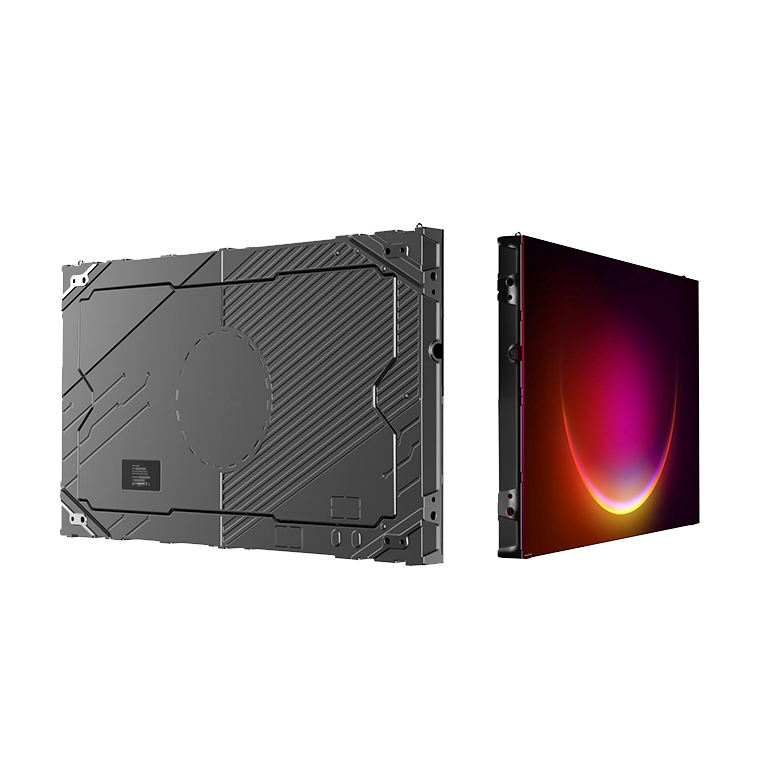
For projects that demand true 4K performance with exceptional image quality and durability, the IvanLED BYH V1 Series offers a premium COB (Chip on Board) display solution. With an ultra-thin cabinet depth of just 32.3mm, it delivers a flush, seamless surface that blends perfectly into high-end environments.
Key features of the BYH V1 Series:
- COB technology: Superior protection against moisture, dust, and impact — ideal for high-traffic installations
- Ultra-thin profile: 32.3mm cabinet depth for sleek, space-saving installations
- High refresh rate: 3,840Hz for flicker-free camera recording and smooth motion
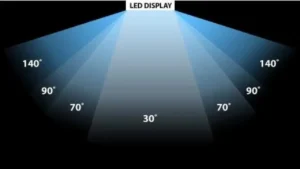
- Wide viewing angle: 178° ensures consistent image quality from any position
- Front maintenance: Quick and easy module replacement without rear access
For complete specifications and pricing, view the BYH V1 Series product page.
When Does 1080p Make Sense?
1080p is the practical choice for most commercial LED display projects, delivering excellent image quality at a fraction of the cost of 4K.
Stick with 1080p for:
- Digital signage (retail, malls, airports): Viewing distances typically 3-5 meters
- Corporate lobbies and conference rooms: Standard viewing distances over 2 meters
- Churches and event venues: Audiences sit at varying distances, but rarely under 2 meters
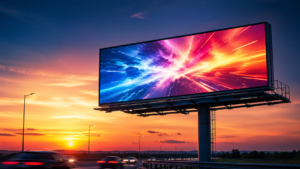
- Outdoor billboards: Viewing distances over 10 meters make 4K completely wasted
- Rental and staging: Cost-effective solutions for temporary installations
4K vs 1080p on Different Devices
The visible difference between 4K and 1080p varies significantly depending on the device type, screen size, and viewing distance.
| Device | Typical Viewing Distance | 4K Benefit | Recommendation |
| LED display (commercial) | 2-5 meters | Visible only under 2 meters | 1080p for most; 4K for close viewing |
| TV (large screen) | 2-3 meters | Noticeable on 65″+ screens | 4K for premium home theater |
| Stadium / concert screen | 10-50+ meters | Not noticeable | 1080p or lower |
| Computer monitor | 0.5-1 meter | Noticeable on 27″+ screens | 4K for professional work |
| Mobile phone | 0.3-0.5 meters | Minimal visible difference | 1080p is sufficient |
Cost Comparison: 4K vs 1080p
A 4K LED display typically costs 2-3x more than a 1080p display of the same size, and the total system cost is even higher when you factor in controllers, cabling, and content creation.
Cost breakdown for a 10m² LED display:
- 1080p (P2.5–P4): $8,000 – $15,000 for hardware; $3,000 – $5,000 for controller and cabling; total $11,000 – $20,000
- 4K (P1.2–P1.5): $18,000 – $35,000 for hardware; $5,000 – $10,000 for controller and cabling; total $23,000 – $45,000
For a complete LED display price guide 2026, see our detailed breakdown.
Common Mistakes When Choosing Resolution
The most common mistake is buying 4K for applications where the viewing distance makes the extra resolution invisible.
Other frequent errors:
- Overestimating human eye capability: At 3 meters, most viewers cannot distinguish 4K from 1080p on screens under 100 inches
- Underestimating infrastructure costs: 4K requires more powerful controllers, higher bandwidth, and more storage
- Not considering content availability: Most commercial content is still produced in 1080p
- Forgetting about pixel pitch: 4K on an LED wall requires P1.2–P1.5 pixel pitch, which is significantly more expensive
- Not calculating total cost of ownership: The premium for 4K often does not translate into proportional business value
Expert Tips for Distributors
Tip 1: Help clients calculate viewing distance first.
Measure the distance from screen to closest viewer. If it is over 3 meters, 4K offers no visible benefit over 1080p. Save your client the premium. For guidance on this, see our pixel pitch selection guide.
Tip 2: Match resolution to pixel pitch.
4K on an LED wall requires P1.2–P1.5 pixel pitch. 1080p requires P2.5–P4. Ensure your client understands the pixel pitch requirements before pricing 4K.
Tip 3: Quote the complete system, not just the screen.
4K requires controllers, cables, and infrastructure that most clients do not have. Always quote the complete system to avoid budget surprises.
Tip 4: Discuss content availability.
Ask clients: “What content will you display in 4K?” If the answer is “mostly 1080p,” recommend 1080p and save them money.
Tip 5: Recommend 1080p for 80% of projects.
For most commercial LED display projects, 1080p delivers excellent image quality at a fraction of the cost of 4K. Position 4K as a premium solution for specific use cases.
Frequently Asked Questions (FAQ)
Is 4K better than 1080p for LED displays?
4K offers four times the pixel count of 1080p, but the human eye can only see the difference at close viewing distances (under 2 meters) or on very large screens (over 100 inches). For most commercial applications with viewing distances over 3 meters, 1080p provides excellent image quality at a much lower cost.
What pixel pitch do I need for 4K vs 1080p?
4K resolution on an LED display requires P1.2–P1.5 pixel pitch. 1080p requires P2.5–P4. The smaller the pixel pitch, the higher the resolution — and the higher the cost. Match pixel pitch to your resolution requirements and viewing distance.
How much more does 4K cost than 1080p?
A 4K LED display typically costs 2-3x more than a 1080p display of the same size. The total system cost is even higher once you add 4K-capable controllers, cables, and infrastructure. For most commercial projects, the premium for 4K does not translate into proportional business value.
Is 1080p becoming obsolete?
No. While 4K and 8K are gaining traction, 1080p remains the most widely used resolution for commercial LED displays. Most content is still produced in 1080p, and it will remain relevant for many years. 1080p is a practical, cost-effective choice for most commercial applications.
Can a 1080p LED display show 4K content?
Yes, but the 4K content will be downscaled to 1080p. The display will show the content at its native resolution (1080p), so you will not see the full detail of the 4K source. For 4K content to be fully visible, you need a 4K display with the appropriate pixel pitch.
Does IvanLED offer both 4K and 1080p LED displays?
Yes. IvanLED manufactures LED displays in both 4K and 1080p resolutions, with pixel pitches ranging from P1.2 to P10. For premium 4K applications, the BYH V1 Series COB display offers ultra-thin design and superior durability. Contact us to discuss your project requirements.
Conclusion: Which Resolution Is Right for Your Project?
4K and 1080p both have their place in the LED display market. The right choice depends on viewing distance, screen size, budget, and content requirements.
Our straightforward advice:
– For 80% of commercial projects: 1080p is the sweet spot — excellent image quality at a reasonable cost.
– For close-viewing applications (under 2 meters) or premium installations: 4K delivers visible benefits.
– Always consider total system cost — not just the screen.
– Help clients understand that 1080p content on a 4K screen looks like 1080p, not 4K.
At IvanLED, we manufacture LED displays in both 4K and 1080p resolutions. For premium 4K applications, the BYH V1 Series COB display combines ultra-thin design with superior durability. We help distributors and resellers select the right resolution for each project based on viewing distance, budget, and content requirements. Browse our commercial LED display solutions or contact us to discuss your project.
Ready to specify the right resolution for your client?
👉 Contact IvanLED for a free consultation and customized quote.