









How Does an LCD TV Work?
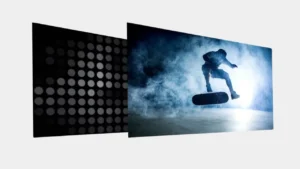
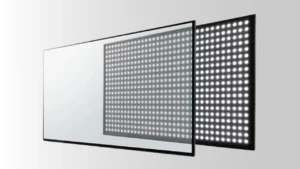
LCD means Liquid Crystal Display. The LCD panel does not emit light, it relies on LED backlights to provide illumination, which passes through the liquid crystal layer and color filters to produce images. With technological advancement, LCD has evolved into QLED, Neo QLED, NanoCell, Crystal UHD, and other technologies.
What is Crystal UHD?
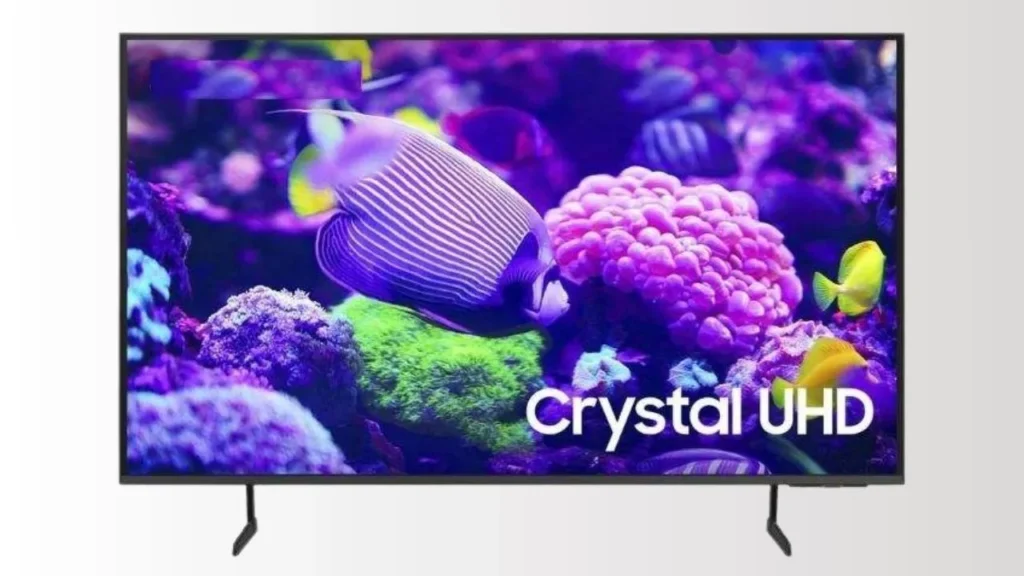
UHD refers to Ultra High Definition, which is a more advanced standard than HD formats like 720p and 1080p, delivering clearer images with 4K or 8K resolution. Whether for home televisions, shopping mall displays, or commercial VR and AR applications, UHD has been extensively adopted.
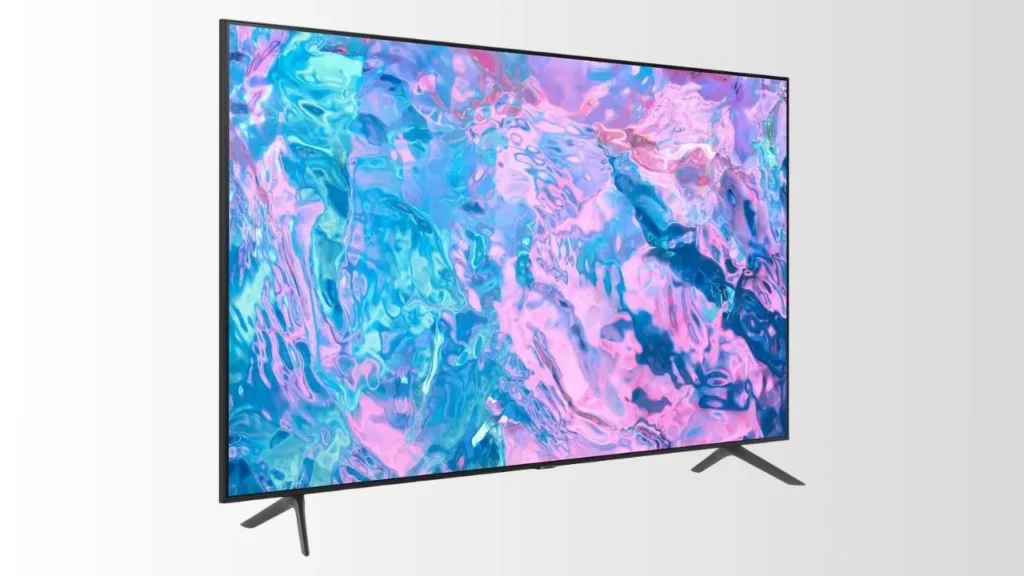
Crystal UHD is a type of LCD TV that was introduced by Samsung to emphasize the high-definition quality of UHD TVs. Compared to traditional UHD TVs, it achieves richer color reproduction and higher contrast through Dynamic Crystal Color.
What is QLED?
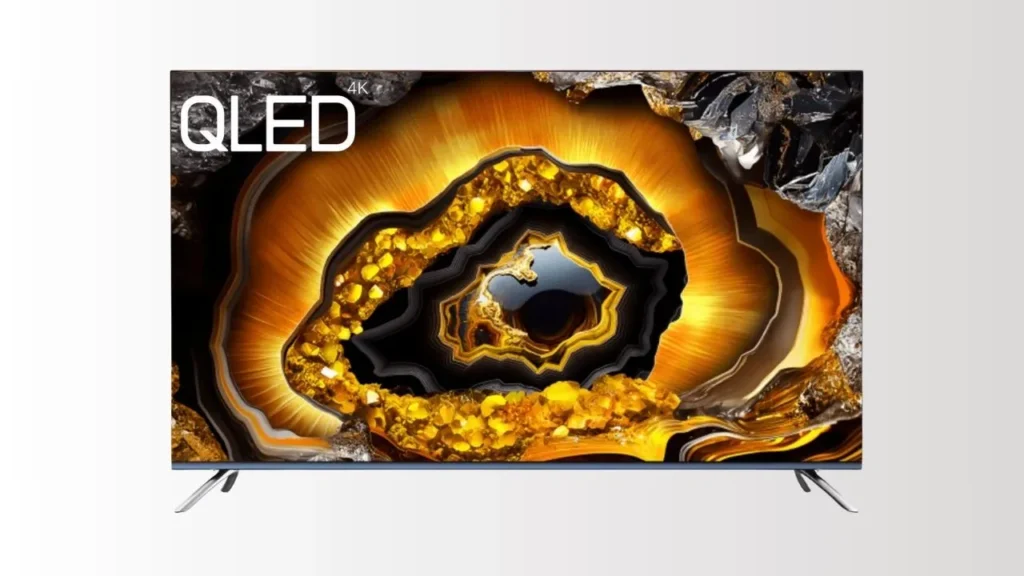
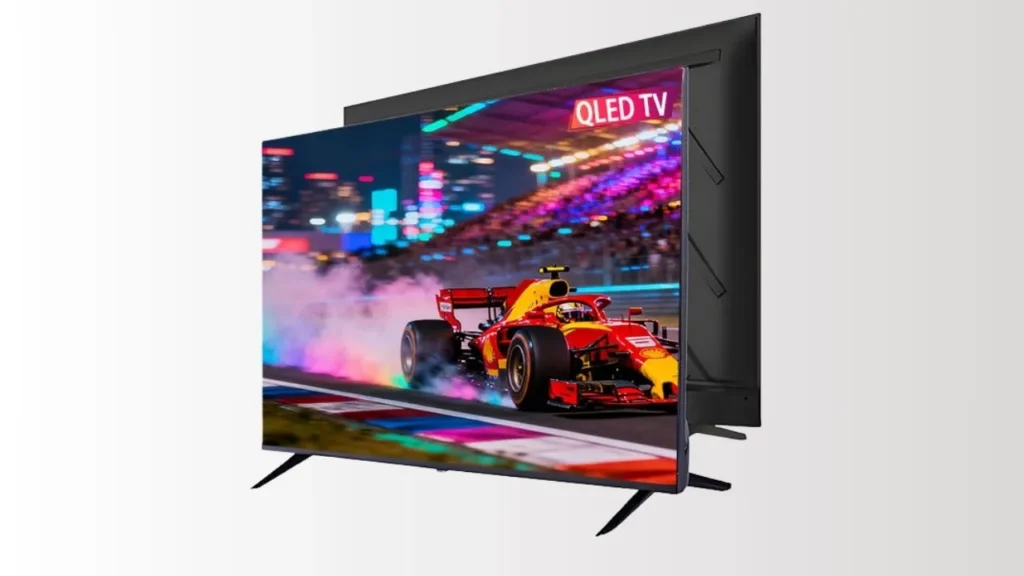
QLED is also a type of LCD TV. The letter ‘Q’ means Quantum Dot, which is a technology that adds a quantum dot film between the LCD panel and the LED backlight, enhancing color accuracy and expanding the color range. The quantum dot film not only filters the light emitted by the LEDs into purer, more saturated colors, but also enhances the LEDs’ luminous efficiency.
Key Differences Between Crystal UHD and QLED
LCD Backlighting
Compared to Crystal UHD screens, QLED screens include an additional layer of quantum dots, which is a plastic film made of PET or fiberglass. This film allows QLED to deliver superior color performance compared to Crystal UHD, which also results in higher costs.
Brightness
Due to the backlight-based emission of LCD screens, their brightness is lower than that of self-emissive LED displays. Entry-level Crystal UHD TVs typically reach a brightness of 300–400 nits (Candela per square meter), which is suitable only for indoor viewing. Thanks to the QD film, QLED screens can reach 1,000 nits or even higher.
Local Dimming
For presenting richer details, LCD TVs are usually divided into multiple zones with independently adjustable brightness. Crystal UHD TVs have limited local dimming capability, usually providing only a few zones or just full-screen dimming, while QLED TVs typically have tens to hundreds of local dimming zones, which allow you to see clearer dark details without making bright areas uncomfortably glaring.
HDR and Grayscale
HDR is the abbreviation of High Dynamic Range, which is a technology that can expand the displays’ brightness range and grayscale levels. With HDR, you can see images that are closer to what your eyes perceive in the real world.
Current technology supports HDR formats such as HDR10, HDR10+, and Dolby Vision, which can achieve up to 12-bit color depth. Crystal UHD typically supports only HDR10, while QLED generally supports all types of HDR technology.
Refresh Rate
Refresh rate refers to the number of times a screen updates its image per second. TV refresh rates are generally 60Hz, 120Hz, or 240Hz. Crystal UHD TVs typically support 60Hz, and those high-end models can achieve 120Hz. Most mainstream QLED displays are high-end and typically have refresh rates exceeding 120Hz.
Additionally, QLED also supports high-speed driven TFTs (Thin-Film Transistors), which ensure that images maintain image integrity even at fast refresh rates.
Resolution
The resolution of a screen defines its sharpness, and 4K resolution means the screen has approximately 3840×2160 pixels. The higher the resolution, the clearer the images displayed on the screen. The typical resolution for Crystal UHD is 4K, while QLED often comes in 4K or 8K UHD and provides more detailed visuals than Crystal UHD.
Color Gamut
Color gamut refers to the range of colors a display device can show. Common color gamuts include sRGB, the wider DCI-P3, and the widest BT.2020. Generally, Crystal UHD can cover the full sRGB gamut and around 80% of DCI-P3, while QLED can cover nearly the entire DCI-P3 gamut and over 70% of BT.2020.
Contrast Ratio
Contrast ratio is the ratio between the screen’s brightest luminance and its darkest luminance. High contrast means the image is more vivid and more three-dimensional. Commonly, Crystal UHD has a contrast range of 1,200:1 to 3,000:1 and lacks some depth, while QLED has a contrast ratio of 3,000:1 to 8,000:1 or even higher, owing to the quantum dot film and more local dimming zones.
Price
As mentioned, QLED uses a quantum dot film during production, and it also has more advanced local dimming zones and better materials and processes. Therefore, it is generally far more expensive than Crystal UHD. For instance, a 55-inch 4K Crystal UHD TV from Samsung is priced at about $1,000, whereas a QLED model with the same size and resolution costs around $2,000.
| Feature | Crystal UHD | QLED |
| LCD Backlighting | LED-backlit LCD | QD Film Between LED Backlight and LCD Panel |
| Brightness | Usually below 500 nits | Typically between 1,000- 2,000 nits |
| Local Dimming | Only several areas or not supported | More segmented areas |
| HDR and Grayscale | Only support HDR10 | Support HDR10/ HDR10+/ Dolby Vision |
| Refresh Rate | Typically 60Hz | Most are 120Hz or 240Hz |
| Resolution | Most are 4K UHD | Typically 4K or 8K UHD |
| Color Gamut | Cover about 80% DCI-P3 | Cover the entire DCI-P3 and over 70% of BT.2020. |
| Contrast Ratio | Standard sense of depth | High and more three-dimensional |
| Price | Inexpensive | High |
Maintenance Cost of Crystal UHD and QLED
Compared to OLED, which uses self-emissive pixels and may suffer from organic material degradation or burn-in, the LCD layer in backlit displays hardly degrades and is at no risk of burn-in. Therefore, in daily use, both Crystal UHD and QLED have very low failure rates, with a typical lifespan of 10 years or more.
Furthermore, their repair costs are also low, usually involving only the replacement of LED modules and driver boards. Especially, the components of Crystal UHD are more affordable.
How do Quantum Dots Lengthen the Lifespan of a Display?
Inorganic Materials
Organic light-emitting materials are usually affected by temperature and humidity, causing their brightness to degrade over time. Quantum dots are typically made from structurally stable inorganic semiconductor materials such as CdSe and InP, which are resistant to degradation, oxidation, and moisture. Therefore, even after prolonged use, the screen’s red, green, and blue colors remain very pure.
High Luminous Efficiency
In traditional LCD screens, due to the obstruction of the LCD panel, the backlight LEDs often operate at higher power, which accelerates LED heating and aging. In QLED technology, the LED light has higher conversion efficiency because of the QD film, so high-power operation is not required, extending the LED lifespan.
QLED and QD‑MiniLED
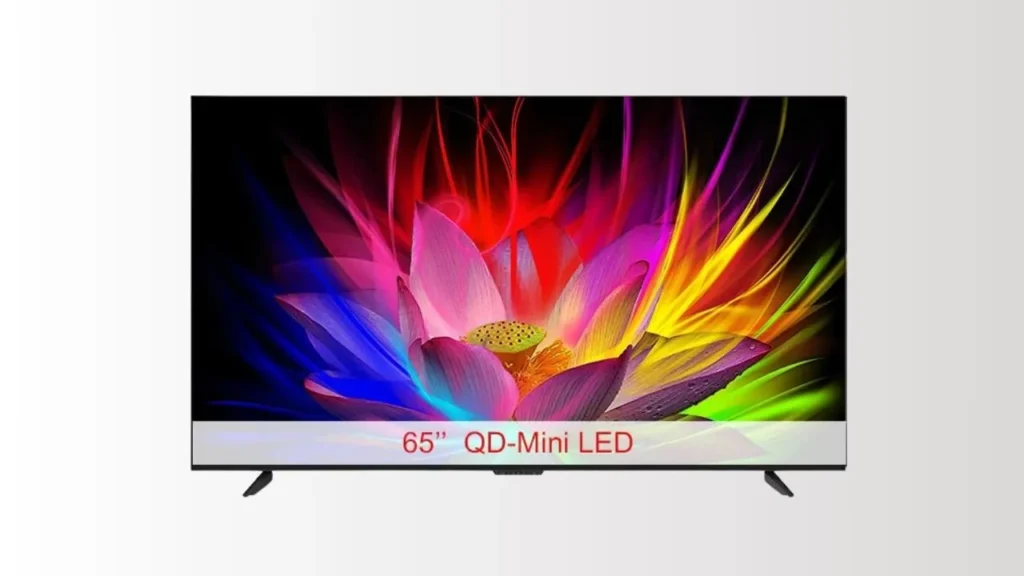
QD‑MiniLED, developed on the basis of QLED, is currently the most advanced technology for LCD backlit displays. Compared to QLED, it uses Mini‑LED backlighting with smaller and more numerous LEDs, enabling thousands of local dimming zones and the highest precision. It is now almost the top-tier product for major TV manufacturers, such as Samsung’s Neo QLED and TCL’s QD‑MiniLED TV.
How to Choose Between Crystal UHD and QLED?
For Distributors and Retailers:
- If you prefer greater scale, stable sales, and lower costs, Crystal UHD is the better choice.
- If you want a larger profit margin or target users with high demand for image quality, then choose QLED.
For Integrators and Companies:
- If you have a limited budget or do not require the ultimate picture quality, such as using it in a church or an airport, Crystal UHD will suffice.
- If you have a sufficient budget and want finer image quality and richer colors, such as using in a high-end conference, choose QLED.
- If the display is used in a very bright environment, Crystal UHD screens may appear dim, then QLED is the better choice.
FAQs
Does prolonged operation at high brightness shorten the lifespan of QLED?
There may be a slight impact on the lifespan when running a QLED TV at high brightness for extended periods. This is because prolonged high temperatures accelerate the aging of the LED layer, but the quantum dot layer distributes heat evenly and does not degrade faster due to high temperatures.
What’s the difference between Crystal UHD and QLED when playing games?
In terms of refresh rate, QLED typically supports 120Hz, higher than the common 60Hz of Crystal UHD, resulting in smoother fast-moving scenes, less motion blur and ghosting, making it better suited for action and competitive games.
For resolution and color performance, QLED can provide you with a more immersive gaming experience with clearer visuals, vibrant colors, and better depth.
Does the color performance of Crystal UHD degrade over time?
Generally speaking, the color performance of Crystal UHD generally does not degrade after using it for several years. Its brightness may decline gradually, but the color degradation is extremely slow. Under normal usage, the screen’s color performance will remain virtually unchanged even after more than a decade.
Do Crystal UHD and QLED screens differ in thickness?
Crystal UHD and QLED screens have very similar thickness, typically around 2–5 cm, and you can hardly distinguish them by appearance. This is because they both use LCD backlight technology, and the quantum-dot film used in QLED is so thin that its thickness is almost negligible.
IvanLED: Your Reliable Partner in LED Display Customisation
IvanLED is a professional manufacturer with over ten years of experience in LED display production. We can customize both LCD backlit displays and LED self-emissive screens in a wide range of sizes and resolutions, suitable for nearly all indoor and outdoor scenarios, including shopping malls, churches, airports, and stadiums. If you want to customise an LED screen, feel free to contact IvanLED!