









What is a P3 LED Display?
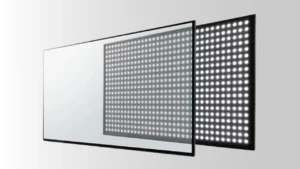
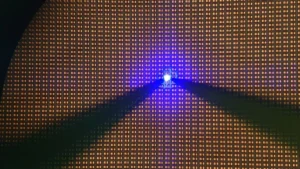
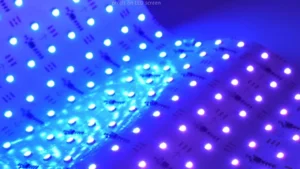
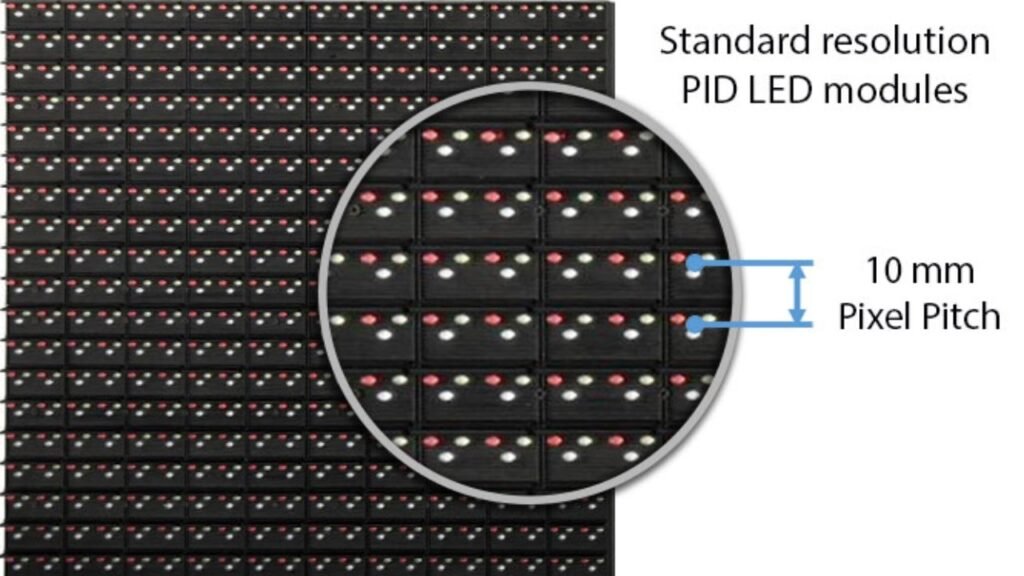
A P3 LED display features a pixel pitch of 3mm. In this case, the center-to-center distance between pixels on the panel is three millimeters. A shorter pixel pitch allows for having higher pixel-density in the display area.
What is a P6 LED Display?
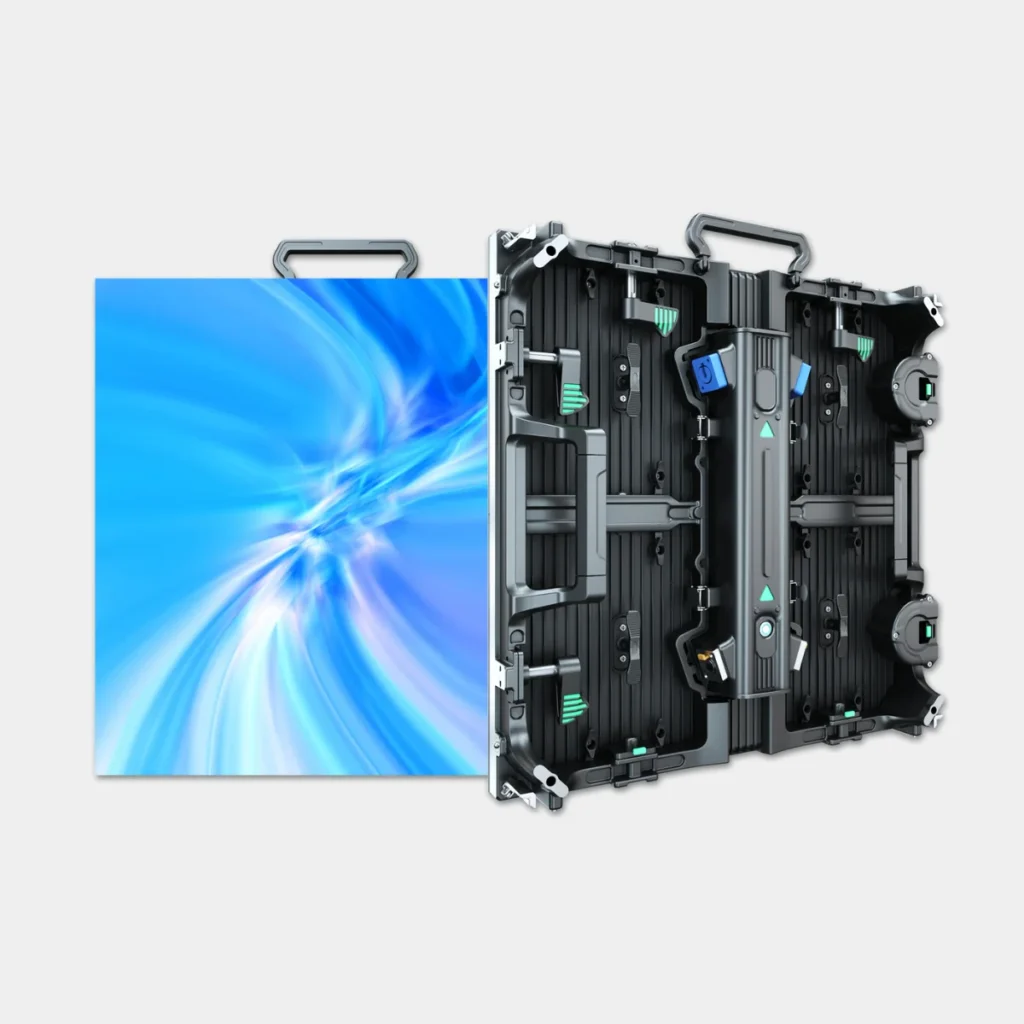
A P6 LED display has a pixel pitch of 6 millimeters. Therefore, the center-to-center spacing between neighboring LED pixels is 6mm. Due to the higher pixel pitch, the pixel density for such a display is lower in relation to the pixel density for the same-sized P3 display.
Key Differences Between P3 and P6 LED Displays
The inherent difference in pixel pitch between P3 and P6 LED displays creates several differences between their performance as well as their applicability in different applications.
Pixel Pitch
The biggest difference between P3 and P6 LED displays is their pixel pitch. Pixel pitch just describes how close together two adjacent pixels are on the screen. In a P3 LED screen, the distance is only 3 millimeters.
It is as long as 6 millimeters in a P6 LED display. If you opt for a lower pixel pitch like P3, you have higher pixels that are in close proximity to each other. This close fit ensures you have a clearer and smoother picture.
But as you opt for a P6 display with higher pixel pitch, the picture will not be as clear at a close distance since the pixels are farther apart. That is why your viewing distance is directly related to pixel pitch.
If they will stand near the screen, you should opt for P3. If they’ll be at a distance, P6 is great without compromising on picture quality.
Resolution and Image Quality
Pixel pitch directly influences resolution as well as picture quality. Because the P3 display has less space between pixels, it will be higher in resolution in comparison with the P6 display.
If you wish for your target audience to view crisp imaging, clear text, or high-resolution graphics even in close proximity to the screen, then P3 is your ideal choice. P3 produces clear, vibrant imagery without any pixelation in plain sight.
Conversely, the P6 display has lower resolution due to its broader pixel pitch. However, that does not render it inappropriate.
Indeed, if your screen is big in size and people sit at a distance in front of it, they will not even notice the lower LED screen resolution at all. Therefore, while P3 is superior for close-up picture resolution, P6 is adequate for big screen and distance viewability.
Viewing Distance
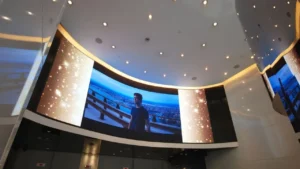
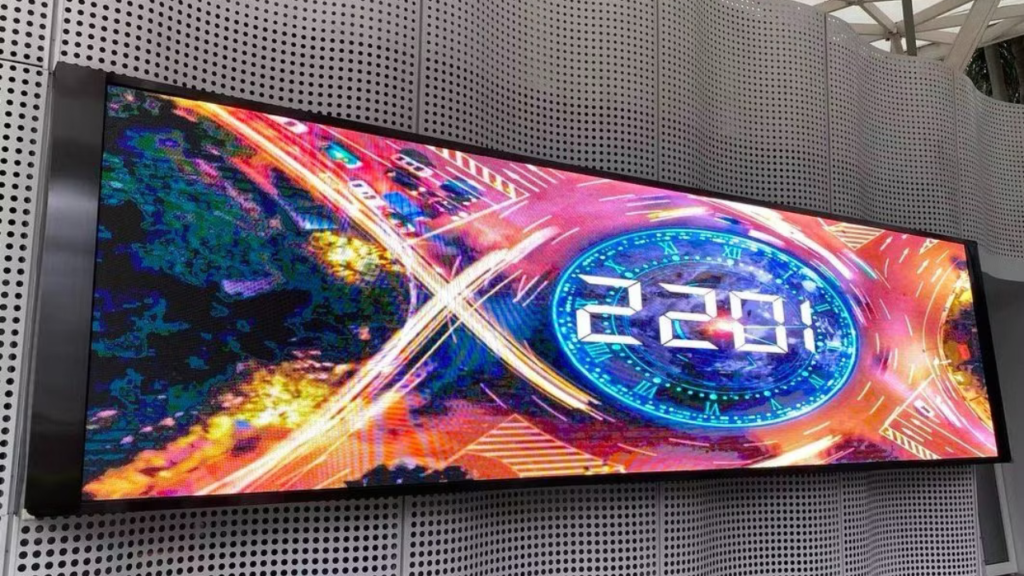
Viewing distance is one of the major differences in P3 and P6 LED displays. If your screen will be located indoors or in sites where people will be standing close in front of it such as in meeting rooms, shops, or exhibition centers you require the P3 display.
It is best at close viewing ranges between 2 and 10 feet. The images are clear, the text is readable, and the details stand out.
But if your LED display is for outdoor advertising, sports fields, or special events where your spectators will be at least 15 feet away or even farther out, then the P6 screen is the intelligent decision. At that distance, the pixel pitch difference is negligible, yet you still have bright, clear images without breaking the bank on higher resolution.
Brightness and Power Consumption
Power consumption and brightness levels differ between P3 and P6 LED screens as well. Outdoor screens such as P6 require higher levels of brightness in order to remain viewable in sunlight or severe lights. For this reason, P6 screens tend to be brighter than P3 screens.
But in terms of power consumption, you do have to consider that the P3 display consumes more power per area. Why is this the case? More pixels translate into more LEDs, and LEDs consume power.
So, for stunning close-up clarity, P3 will deliver that, but be prepared for greater power consumption. If your screen is going out outdoors or you need it to illuminate sites across broad areas with people observing it in the distance, P6 offers higher brightness at lower power consumption.
Cost and Budget Considerations
Cost is an area where you’ll see an evident difference between P3 and P6 LED displays. Because P3 displays contain higher pixel density and provide higher resolution, they are going to be more expensive to produce and install. If your project requires higher-quality images at close distances, you’re going to have to spend more on a P3 display.
Conversely, P6 displays are considerably lower in cost, particularly for big screens. Since fewer LEDs are used per square meter, the cost of production is reduced, as is your eventual cost. Therefore, if you have a tight budget but your audience will be in the distance when they see the display, opting for P6 saves you without sacrificing your visibility outdoors.
Display Area
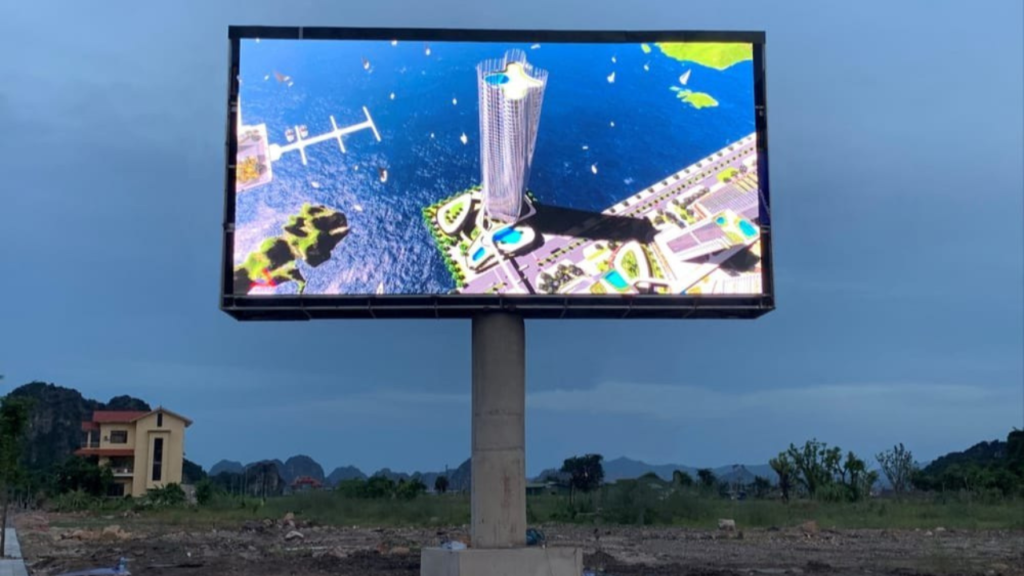
As far as the display area is concerned, P6 LED displays tend to cover broader areas than P3 displays. In case you are planning on doing a massive outdoor billboard or stadium screen, P6 allows you the capability of having a larger screen at an affordable price.
But if your display space is tighter such as an in-store stage, meeting room, or shopping mall space P3 is better suited because its higher resolution is appropriate for tight spaces. Both your display size and pixel pitch should be matched at all times in order for your content to be at its best.

Applications
P3 displays and P6 displays differ in function according to their specifications. If you require an indoor screen in which individuals will be standing or sitting very close and high picture details are important, you should opt for a P3 display. P3 displays are in high demand in:
- Indoor shopping mall advertising and retail store advertising
- Television studios, control rooms, and monitoring centers
- Trade show booths and corporate functions
- High-end home theaters
On the other hand, P6 LED displays are designed for outdoor or vast indoor settings in which the distance for viewing is farther and cost-effectiveness is paramount. P6 LED displays are mostly utilized for:
- Outdoor advertising billboards
- Building façade and sports stadiums
- Public concerts and events
Your selection is based wholly on your particular application and target distance.
FAQs
Which LED Screen Display is better, P3 or P6?
That is dependent on your requirements. If you are in need of high-resolution images for close observation, P3 is preferred. However, if your viewer will be at a distance, yet at a lower expense for the display, P6 is suitable.
What does P mean in LED?
In LED screens, P is the designation for Pixel Pitch. It is the measurement (in millimeters) between two pixels. The lower the value following P, the clearer the picture.
What is Pixel Pitch in LED Displays?
Pixel pitch is the distance between center-to-center discrete pixels on the display panel measured in units of millimeters. More pixels per area implies lower pixel pitch, higher resolution, and better picture quality at close observation distance. Higher pixel pitch implies fewer pixels per unit area, making it better suited for observation at farther distances.
Conclusion
You decide on P3 vs P6 LED displays based on viewing distance, picture quality requirements, and budget. If your viewers are close and picture clarity is paramount, opt for P3. But for big displays outdoors at faraway distances, P6 is the affordable answer without visually compromising on visibility.