










What Are LED Screens?
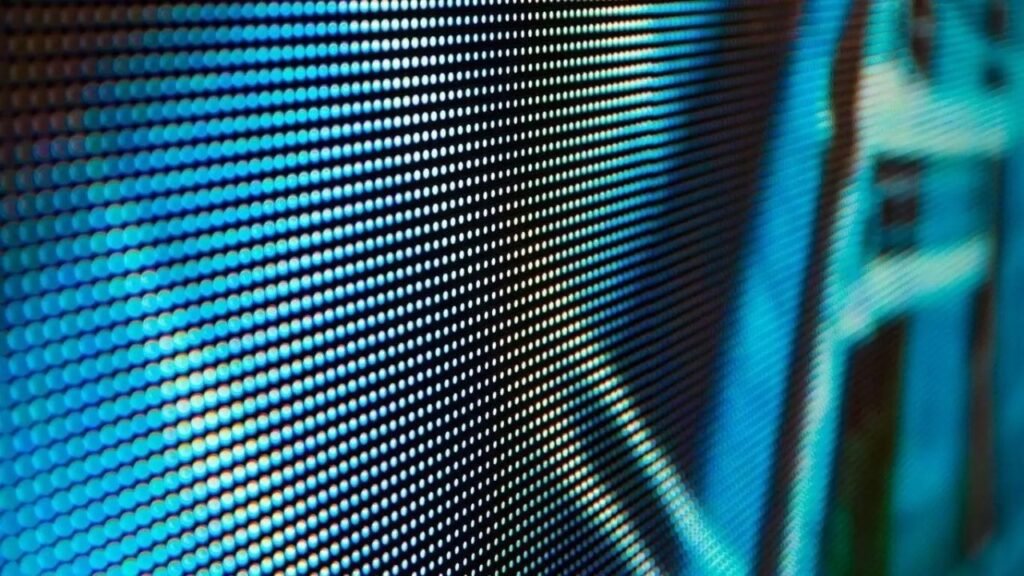
LEDs are widely known for their brightness, vivid colors, and efficiency in terms of energy consumption. Common display screens for smartphones, televisions, and computer monitors have LED screens. As a result of LED’s advanced technology, it can provide you with sharp visuals and great color accuracy which elevates the view experience even more.
How LED Screens Produce Colors?

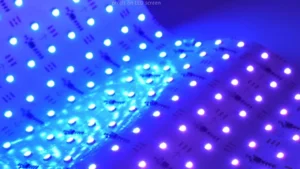
The elementary colors of LED screens are achieved through the process of electroluminescence. In this process, the semiconductor material gives off light upon the delivery of energy in the form of electric current. The observable colors vary based on the band gap of the energy level of the semiconductor material used.
For example, gallium arsenide has a red emission while gallium nitride’s emission is blue. White LEDs are made by placing yellow phosphor over blue LEDs to make white light.
Types of LED Displays and Their Color Performance

There are several types of LED displays available, each having its unique claim on the color performance range.
Direct-View LED (DIP & SMD LEDs)
The most direct forms use Direct View LEDs and SMD (Surface Mount Device) or DIP (Dual Inline Package) LEDs. Direct view provides greater color reproduction and primary brightness levels. For example, outdoor displays use DIP LEDs while SMD LEDs are more suited for indoor displays as higher image quality and color reproduction are preferred.
Mini-LED vs. Micro-LED
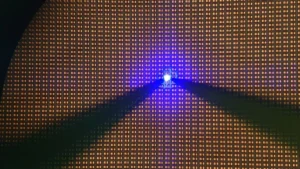
Color quality can be enhanced with the use of newer technologies Mini-LED and Micro-LED. Mini-LED’s increase in the number of LEDs enhances the control of contrast and brightness, enabling super black and color depiction. Micro-LED takes it a step further by utilizing Microscopic LEDS that can form independent pixels for each color.
OLED vs. QLED vs. LED
Each pixel in OLED emits its light, providing superior color rendering and true blacks. Quantum dots contribute to greater brightness and color accuracy, whereas OLED does not exhibit the same blackness level. LED displays are cheaper, and have higher brightness and color, but lack depth.
Key Factors Affecting LED Screen Colors

It is important to understand the factors that affect the colors in an LED screen for purposes like selecting a display that matches your criteria.
Color Gamut & Accuracy
The spectrum of color a display can reproduce is known as the color gamut. The wider the color gamut, the more vivid and diverse colors are reproduced. Color accuracy is the measure of whether the given colors are true to the colors they are supposed to portray.
Brightness & Contrast Ratio
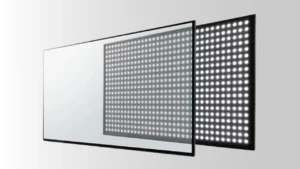
Brightness is the light emitted from the screen while the screen is on. It influences how easy the screen is to see in different lighting. Mini LED backlighting is a new technology that improves the brightness and contrast of displays. The use of thousands of dimming zones results in deeper black levels and higher contrast ratios.
Bit Depth & Color Depth
Bit depth is a measure of the number of bits needed to store each color channel. Each color channel contains multiple colors and bit depth determines how many colors for each channel can be saved. Screens with higher bit and color depth can show more sophisticated and detailed images.
Refresh Rate & Color Stability
Refresh rate indicates the number of times a screen image is refreshed per second and is quantified in hertz (Hz). Higher refresh rates help produce smoother motion. This is greatly beneficial in gaming and fast-paced videos.
Advanced Color Technologies in LED Displays

Quantum Dot Technology (QLED)
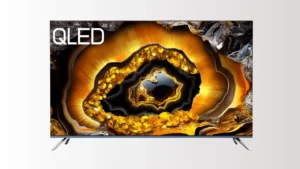
Your viewing experience is further enhanced by the development of improved color technologies in LED displays. An example of this is Quantum Dot Technology or QLED which takes advantage of the use of tiny particles of a semiconductor to emit pure color along with great intensity.
High Dynamic Range (HDR) & Color Depth
In simple words, HDR improves color performance by expanding the difference between bright and dark colors. This allows your screen to depict brighter colors and more details in boastfully bright, and faint dark scenes. When paired with higher color depth, it provides smoother gradients to make it more lifelike.
Local Dimming & Color Enhancement
With local dimming, the brightness of certain regions of the screen is reduced to achieve better contrast. This helps ensure crisp dark scenes and prevents bright areas from being overly exposed. Combined with color enhancement, it improves the overall image quality, leading to enhanced color accuracy and more realism.
Challenges in LED Screen Color Reproduction
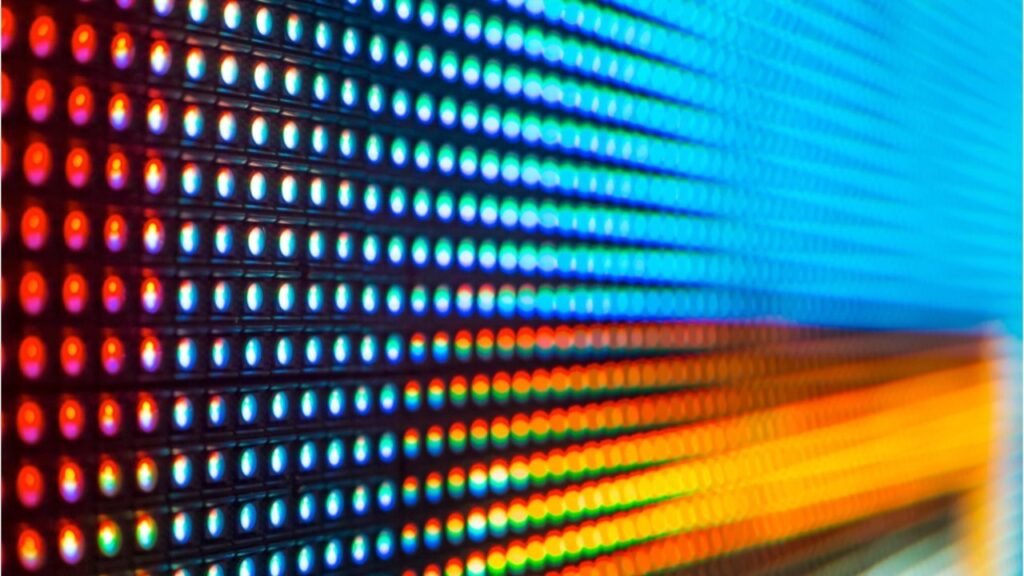
Although LED screens are capable of featuring complex color displays, there is always a chance of running into issues with color reproduction.
Color Banding
Although LED screens are capable of featuring complex color displays, there is always a chance of running into issues with color reproduction. Familiarizing yourself with these challenges can aid in making more informed choices about an LED screen’s selection or usage.
Posterization
During the reproduction of an image, the color gradation is separated into steps instead of blended. The problem is noticed especially in dark regions or subtle shades of color. Inadequate quality video or low color depth can result in posterization.
Viewing Angles
Many LED displays, particularly of the lower tier, also suffer from poor viewing angles. When not seen from the center, colors can look washed out due to distance. More advanced displays tend to use IPS or OLED technologies to counter this effect and provide a consistent color display at wider angles.
Color Shifting
Color shifting is an optical illusion where the colors on displays shift with the viewing position. This usually happens due to the lack of uniformity in the screen. With older or low-quality LED screens, people notice the colors appearing differently based on their sitting position.
Color Calibration Issues
Appropriate color calibration is always an issue of concern in LED displays. Most of the time, your screen will not come with accurate or consistent colors. Self-calibration is necessary if your screen is required to display real colors, particularly for those working within the fields of design or editing.
These issues can limit your visuals and experience. If addressed, these common issues can be avoided while purchasing LED screens.
LED Screen Colors in Different Applications

Identifying the way the colors on an LED screen operate in those specific settings will help in choosing the best display technology.
TV & Home Theater Displays
For television and home theater systems, color accuracy and contrast are instrumental. LED televisions such as OLED or QLED with extreme color gamut’s offer excellent imagery. The vivid imagery is aided by the deeper blacks and rich colors. It is crucial to get a display that has the appropriate color reproduction and distortion level for the range of colors it can produce.
Professional Monitors for Editing & Design
Professional monitors tailored for design or video editing are quite complex in precise color reproduction. These screens rely on fine LED technology, which consists of color-accurate IPS panels. It is common for these advanced screens to undergo color calibration with industry-standard tools to ensure they meet tier-one color reproduction.
Outdoor LED Displays & Digital Signage
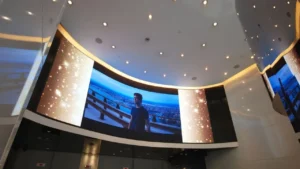
LED display screens for outdoor viewing need to be suited for sunlight and variable weather conditions, thus having a distinct look. The effective use of outdoor LED screens is found in billboards, public advertisements, and information boards making their use necessary for clear visibility of the colors even when the sun is out.
Gaming Monitors & High-Refresh Rate Screens
Refresh rates and color reproduction are significant for gamers. High-refresh monitors guarantee smooth gameplay and LED displays refresh at a fast pace to prevent blurring. The accuracy of colors further improves the virtual world in gaming.
Knowing these differences helps in choosing a suitable LED screen for every requirement.
Conclusion
In conclusion, LED screen colors have a major importance in a large variety of situations from home theaters and design to professional gaming. Understanding these differences ensures you achieve maximum contrast, accuracy, and performance. Whenever you need a new television, game, or edit and post videos, those LED screens will help you make a wise choice.
Consider LED products from Ivanled for your project as they provide exceptional color capabilities and dependability. Contact us now and get information about our premium color displays.
FAQ’s

How does the color accuracy of LED screens compare to other display types?
While LED screens are great in color accuracy, they are beaten by OLED panels and IPS which are more accurate when it comes to reproduction of colors.
What is color gamut, and why is it important for LED screens?
Color Gamut defines the colors capable of being captured, displayed, or reproduced by a screen. This is especially important in designing work and video editing where color execution is extremely valuable.
How does the refresh rate impact the color performance of LED displays?
Clarity of motion improves with an increase in refresh rate but does not have an impact on color performance. On the other hand, a fast refresh rate on LED screens helps consistent color reproduction in fast-moving scenes aiding in gaming and action-packed movies.
What are the benefits of using Full-Array LED backlighting over Edge-Lit LED?
Contrary to Edge-Lit LED, Full-Array LED backlighting has higher local dimming and uniform brightness which enhances color impression.
Can LED screens reproduce true black, and how do they handle dark scenes?
LED screens still struggle to achieve an LED screen performance in dark scenes. It greatly improves due to local dimming which helps by dimming certain areas.
How do LED screens handle color saturation and color reproduction in gaming?
LED screens are capable of producing bright and saturated colors during gameplay. This is especially true when HDR and other features like higher refresh rates are enabled.
What is the role of local dimming in improving the color contrast of LED displays?
Local dimming affects color contrast as it is capable of adjusting the brightness of certain zones on the display to improve the dark and light levels on the screen.