









What is Pixel Pitch?
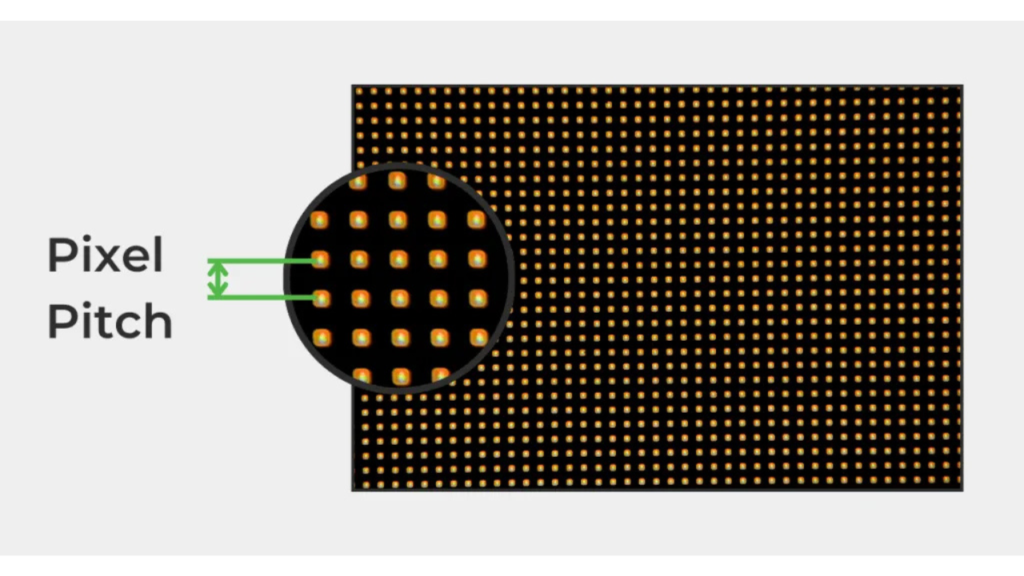
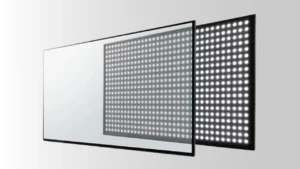
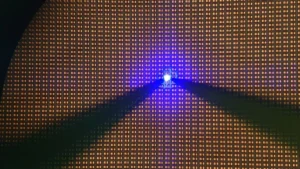
Pixel pitch (P) which is commonly known as dot pitch signifies the distance at the center point between two neighboring pixels observed on a display. You determine this measurement through millimeter (mm) units.
The image quality improves with a smaller pixel pitch because it creates a denser display. Displays with large pixel distance between pixels demonstrate decreased screen resolution which enables better observation at extended viewing distances.
What is a P4 LED Display?
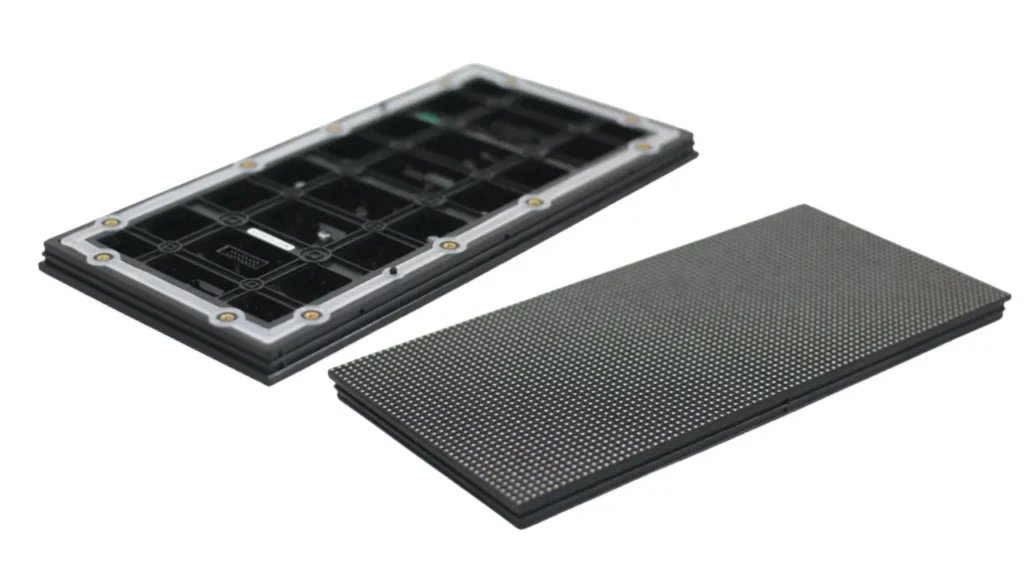
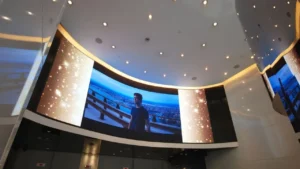
A P4 LED display features 4mm pixel pitch which indicates a 4mm spacing between each LED pixel element. This display presents high visual clarity because of its high resolution which suits indoor scenarios with your viewers positioned near the screen.
High definition along with precise color representation results from the close pixel alignment on P4 LED displays.
What is a P6 LED Display?
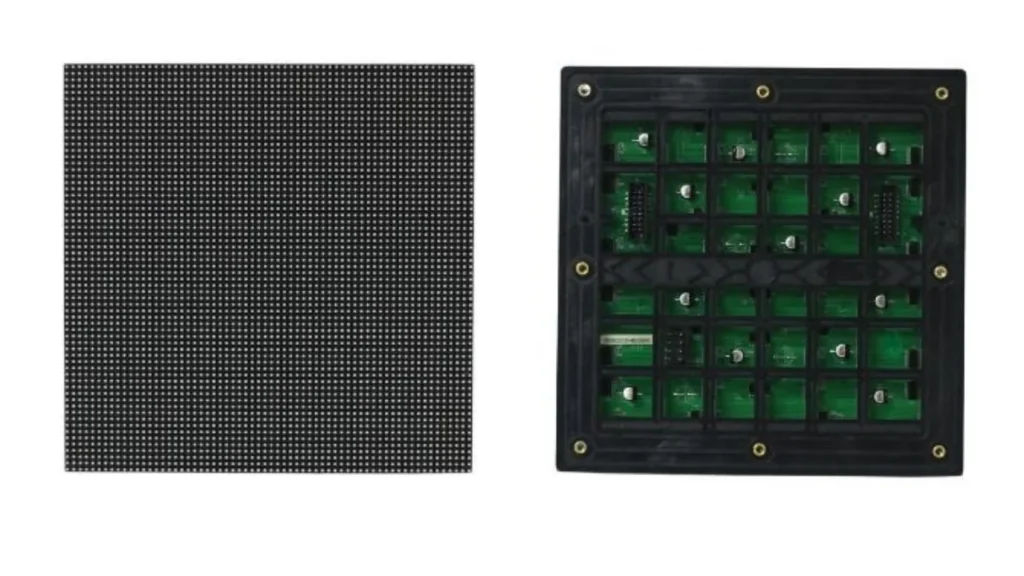
A P6 LED display maintains a pixel pitch distance of 6mm where each LED element stands at 6mm separation. This display delivers reduced resolution when compared to P4 yet achieves optimal performance in locations where your viewers watch from moderate to far distances. Large-format displays as well as outdoor advertising utilize P6 LED screens frequently.
Key Differences Between P4 and P6 LED Displays
Selecting between P4 and P6 LED displays requires consideration of your specific application as well as your required resolution and budget and the distance your viewers will see from.
· Pixel Pitch
The pixel pitch measurement (P) describes the exact distance in millimeters (mm) between two neighboring pixels at their centers. The pixel density and image clarity together with viewing distance depend on the pixel pitch of the display.
- P4 LED displays possess 4mm pixel pitch which creates high pixel density because its pixels occupy small distances from each other.
- The P6 LED system features 6mm pixel spacing which results in more space between pixels.
Impact:
- A P4 Pixel arrangement provides better image resolution and superior detail which makes it suitable for near-view applications.
- Using P6 pixel pitch results in reduced pixel density which works well for distant viewers because their eyes cannot distinguish individual pixels at a distance.
· Resolution and Image Quality
Resolutions signify the entire number of pixels found within an LED display arrangement. The number of pixels determines how well-defined and detailed an LED display will appear to your viewers.
- Each square meter of P4 LED displays 62,500 pixels with a specific pixel density of 250 by 250 pixels.
- P6 LED displays 27,777 pixels throughout each square meter (166×166 pixels per sqm).
Impact:
- P4 LED displays superior resolution because it contains more pixels per square meter of the screen. This resolution produces clear and detailed images with good text quality making it suitable for close-up viewer applications.
- The low resolution of P6 LED displays allows clear presentation of graphics and videos when observing from an appropriate distance.
Example:
Displaying small texts or detailed images with P4 LED technology will maintain superior quality in the details. However, when you select P6 as your display option the close-up view produces text pixelation.
· Viewing Distance
Every screen requires a specific minimum distance between the viewer’s position and the display that matches its pixel pitch by a ratio of one meter for each unit of pixel pitch.
- P4 LED displays their best quality from a distance of 4 meters or beyond.
- The P6 LED display offers the best viewing quality when the viewer stands 6 meters or beyond.
Impact:
- You will enjoy pixel-free visibility with P4 LED when your audience stays within 4 meters of the display.
- When your audience stands beyond 6 meters from the display P6 LED proves more economical while maintaining visibility standards.
Example:
Your shopping mall LED screen must use P4 since viewers stand near it. A stadium LED screen requires P6 because audiences are positioned at a far distance from the screen.
· Brightness and Power Consumption
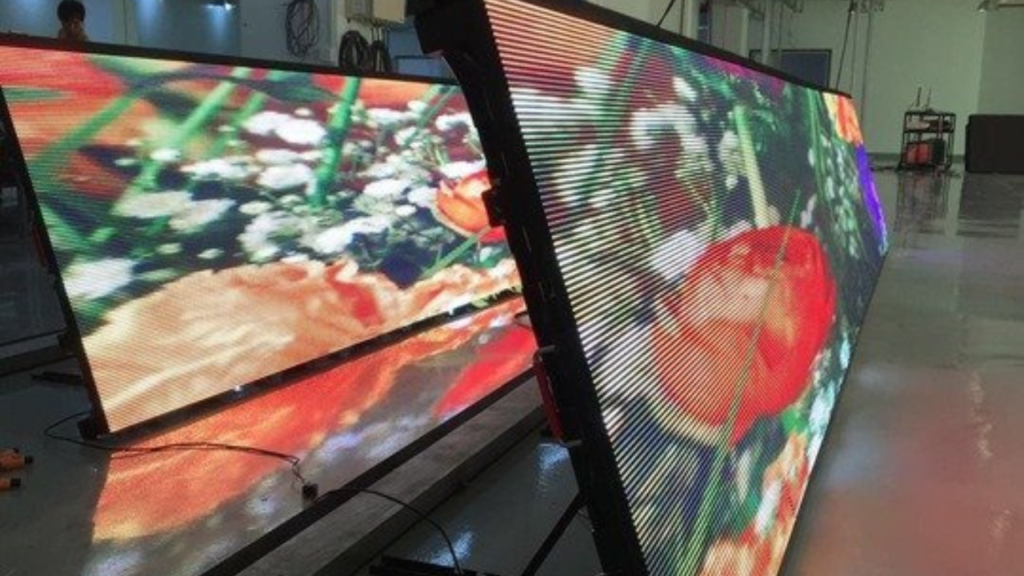
The LED screen brightness levels are measured in nits (cd/m²) whereas varying pixel density and chosen brightness levels determine power consumption.
- P4 LED provides greater brightness but requires more power consumption as it holds more pixels in an area.
- P6 LED’s brightness is still less than P4 but its power efficiency is higher as it uses less pixels to function.
Impact:
- In order to achieve high light levels under direct sun exposure in outdoor billboards P6 LED performs better as it provides needed brightness without consuming excessive power.
- P4 LED has its best performance when accurate details are needed with high levels of brightness for uses like high-end fashion stores.
Example:
A display of a control room (P4) needs high brightness characteristics as well as high-definition image rendering. A concert LED screen (P6) needs moderate brightness requirements with high-efficiency performance to effectively project large-scale images.
· Cost and Budget Considerations
The total cost of an LED display system is based on pixel definition as well as production complexity and installation design requirements.
- P4 LED displays are more expensive since they provide better pixel density as well as better resolution.
- P6 LED displays are more affordable and thus are well suited for larger installations.
Impact:
- If budget isn’t a point of restraint when it comes to your requirements, choose P4.
- P6 performs more effectively than P4 when you need to provide an economical display solution for large screen needs.
Example:
The in-store LED display of high-end brands must provide high-end quality because it is based on P4 technical specifications. A public transport display (P6) needs an economical solution for its large display requirements.
· Display Area
The pixel pitch and module count define the configuration which determines an LED display’s size needed to provide a particular display area.
- A P4 system requires more modules of LEDs to provide the same display size due to its reduced pixel pitch.
- P6 LED technology enables greater coverage of the display area with fewer LED modules due to its wider pixel spaces.
Impact:
- Where space is limited or when high-definition quality is required, your solution of choice is P4.
- To reduce your overall installation costs, utilize P6 LED as it supports larger display sizes with fewer modules needed.
Example:
A P4 video wall will require high-resolution characteristics if it’s going to be used in a small conference room indoors. P6 large LED billboards positioned on highways are more efficient with their larger display area with fewer modules needed.
· Applications
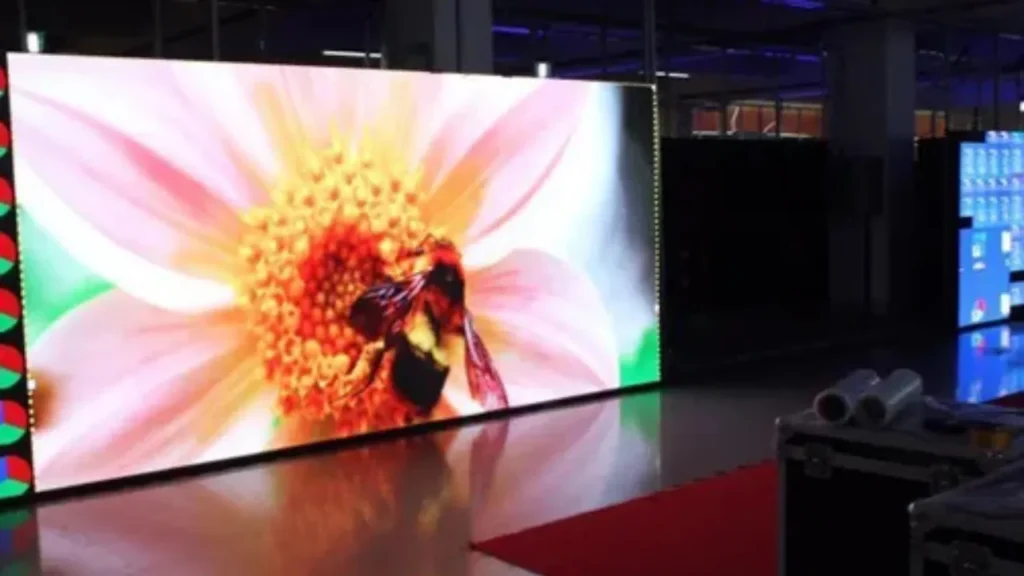
Every selection of an LED display depends on its total cost, brightness level, and resolution.
P4 LED – Best suited for:
- Indoor advertisements: Indoor advertisements are found in shopping centers, stores, and airports.
- Digital signboards: Digital signboards utilized in different locations such as exhibition centers, conference halls, and train stations.
- Corporate showrooms: The corporate branding appears in high-end office lobby spaces as well as control rooms because these require clarity of vision.
- Stage and event display: Indoor concerts and trade shows require stage and event installations with P4 LED lighting.
P6 LEDs are ideal for:
- Street billboards: Outdoor billboards are situated on highways in addition to city centers as well as sports stadiums.
- Big displays: Massive advertisement projects used at public events require low-resolution displays since visibility takes precedence over picture quality.
- Sports arenas: Live match streaming methods are used by sports arenas because they must deliver smooth pictures to masses of people.
- Public spaces: Public spaces such as those found in train stations, airports, and bus terminals are appropriate places where P6 LED displays are used.
Impact:
- A P4 screen offers improved viewing when close-range indoor observation is needed.
- P6 should be your go-to option when you require a large display where everything can easily be observed from distant areas.
Example:
A display screen used in a jeweler’s store indoors (P4) relies on highly visible and well-defined imagery. A stadium scoreboard (P6) must also result in great visibility so far-distant fans can easily see it.
FAQs
Which LED is better, P4 or P6?
It varies based on your requirements. Use P4 when highly resolved pictures are needed when observing from close ranges. Use P6 when a large yet economical screen is needed to watch content from distant ranges.
What does P mean in LED?
“P” represents the measurement of pixel pitch (“P”) that refers to the distance between adjacent center pixels in millimeter terms. Resolution increases with declining numbers whereas longer-range visibility increases with greater numbers representing pixel pitch.
Which LED is stronger, P4 or P6?
The difference in P4 and P6 displays based on their durability covers weather resistance and lifespan except where indicated to be used indoors or outdoors. P6 displays are more durable when fitted outdoors due to fewer lights exposed to external conditions.
Conclusion
Choose between P4 or P6 depending on your needs in terms of resolution, viewing distance, the brightness of the display, and financial outlay as well as your individual usage environment. For spaces indoors, you need to opt for the P4 model due to its high resolution, suited to near-viewers.
Choose P6 if you need large affordable displays to address crowds seated far away. Understanding these differences results in having the appropriate LED display to suit your needs.