









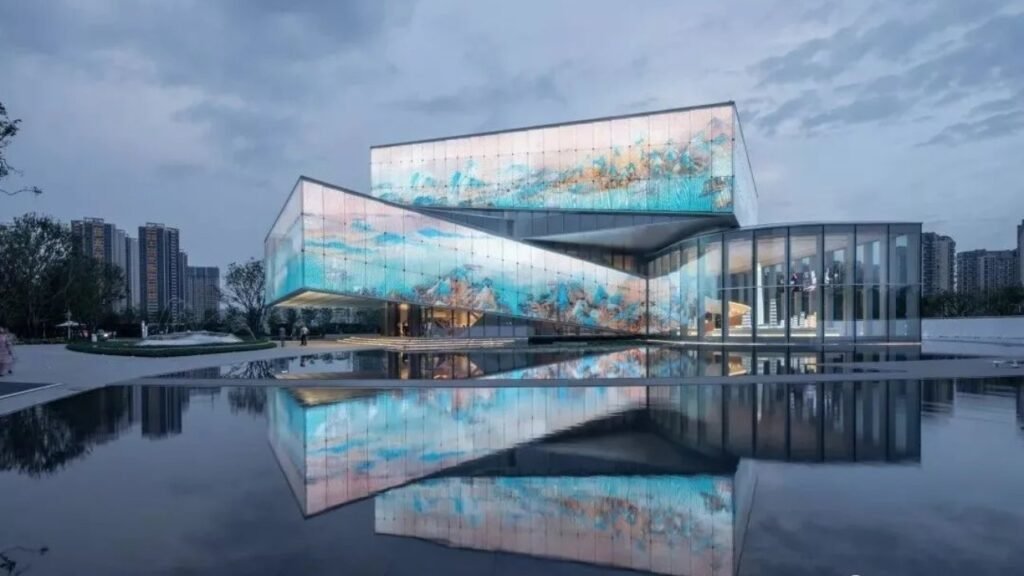
What Are LED Screens?
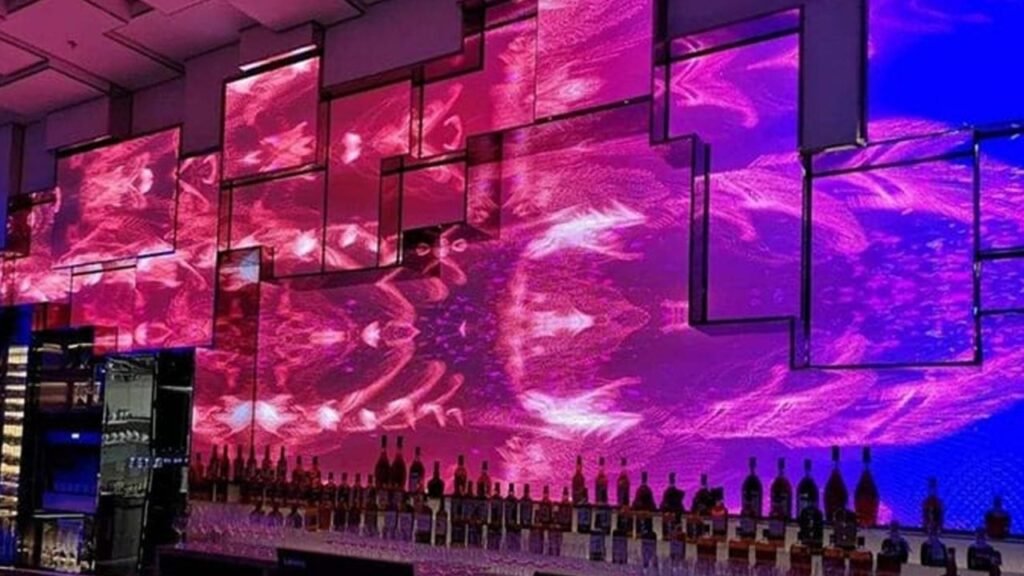
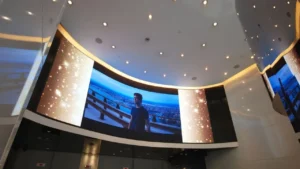
An LED screen is a digital display that has a large number of light-emitting diodes (LEDs) which emit the lights. These LEDS are connected to the screen which shows the content. These screens are multi-purpose and can be used for any applications such as from advertising and entertainment to data visualizations and much more. These LED screens can also help you save energy and provide better picture quality.
Key Components of LED Screens
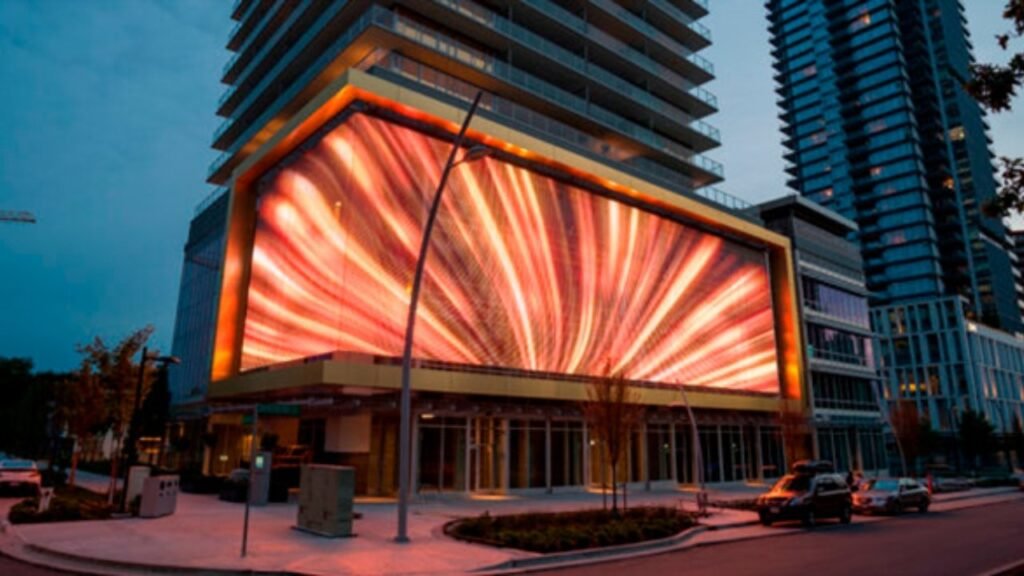
LED Panel
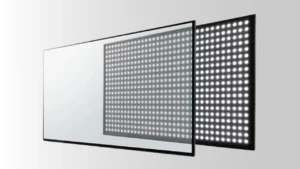
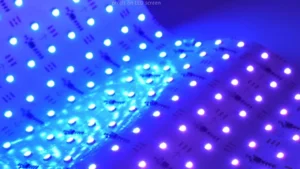
The LED panel has thousands of tiny LEDs that when powered can light up the visual display. These tiny LEDs are grouped into pixels that make images by adjusting their brightness and color outputs.
Controller
The controller is also called the driver or the “brain” of the LED screen. It takes the input signal, processes it and gives output signal to LEDs. This then decides their performance like resolving flickers to give you smooth images.
Content Source
The content source is the image or the content that is to be displayed on the screen. It can range from computers and cloud systems to media players.
Types of LED Displays
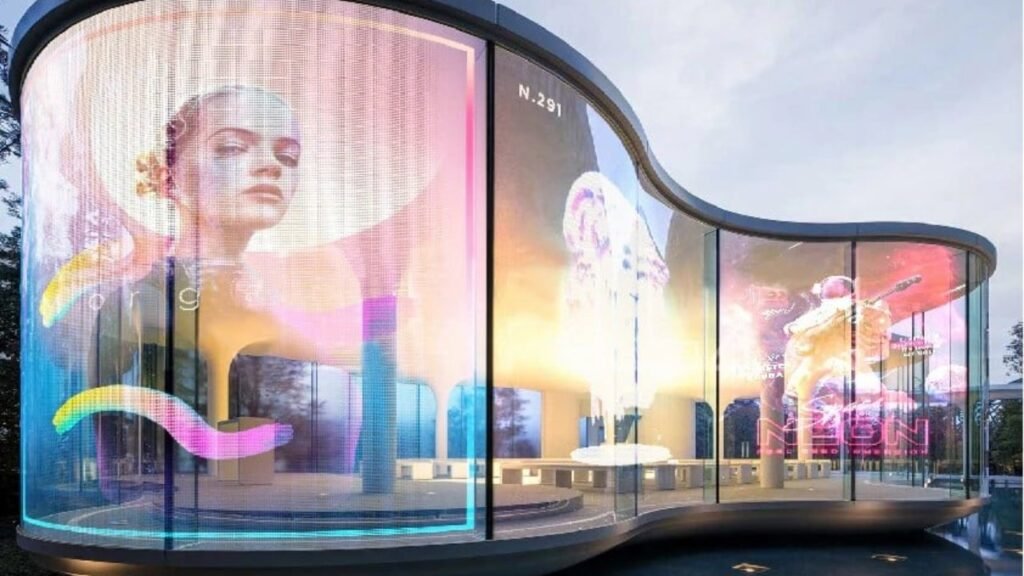
Direct-View LED Displays
Direct-view LED displays use single / individual LEDs as pixels that give better brightness. These displays also allow for scalability which makes them useful for large-format applications. You can use these types of displays for outdoor advertising, stadium jumbotrons and billboards.
LED-Backlit LCD Displays
In LED-backlit LCD displays, LED lights are used with LCD screens. The LED backlight controls the brightness and needs very little energy. The LCD screen is used to get detailed resolution. These displays are cheaper and can be used for places where medium brightness works fine like retail stores, museums or offices.
Considerations for Structure Design
Cabinet and Frame Design
The cabinet is the casing that stores and keeps electrical parts of an LED screen protected. These frames are made of strong materials like aluminum or steel. The design of the frame makes it easy to install and maintain them.
Thermal Management
When LED chips are in use, they release heat and to handle it, you will need proper thermal management. Heat sinks and proper ventilation can help you control heat and keep electrical parts from overheating. This will not only protect the internal parts but also increase the lifespan of the screen.
Power Supply and Distribution
To keep the LED screens working well, you should have a stable power supply. Proper power supply and distribution can help you handle the electrical load and reduce the risk of malfunctions. This gives them continuous brightness and makes them perform well.
Installation and Maintenance
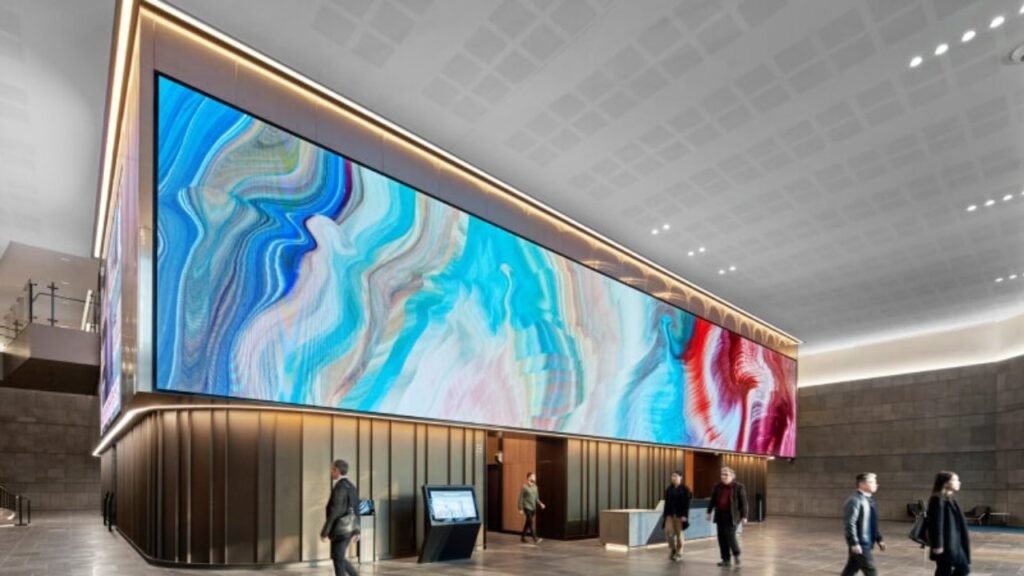
Mounting Techniques
You can use standard methods like wall mounting, hanging structures or standing frames. Your setup also depends on how you will be using the screen.
Maintenance Practices
You should also make sure to take proper care of the screen such as cleaning the screen’s surface, inspecting connections and updating controllers. This will reduce disruptions and increase the lifespan of the screen.
Technological Advancements in LED Screens
MicroLED Technology
With MicroLEDs, you can get better brightness control and contrast. They also use very little energy that makes the screen pixel perfect. This technology can soon replace LCD-based displays entirely because of the benefits it can provide.
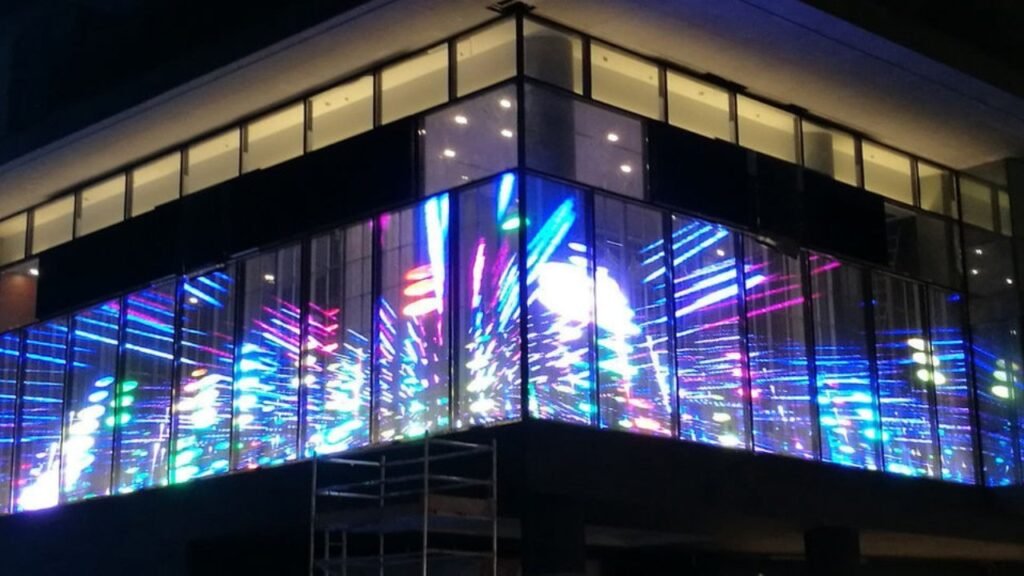
Flexible and Transparent Displays
LED screens are now also available in bendable or see-through forms. This has made it possible to use them in curved designs and futuristic retail spaces.
Integration with Quantum Dot Technology
Quantum dots can improve brightness and color that can present more realistic views. It has changed how LED screens perform in design settings.
AI and Smart Features
Nowadays, Artificial intelligence has also started optimizing content delivery by analyzing user behaviors, environmental factors and automated diagnostics to detect hardware issues.
Applications of LED Screen Architecture
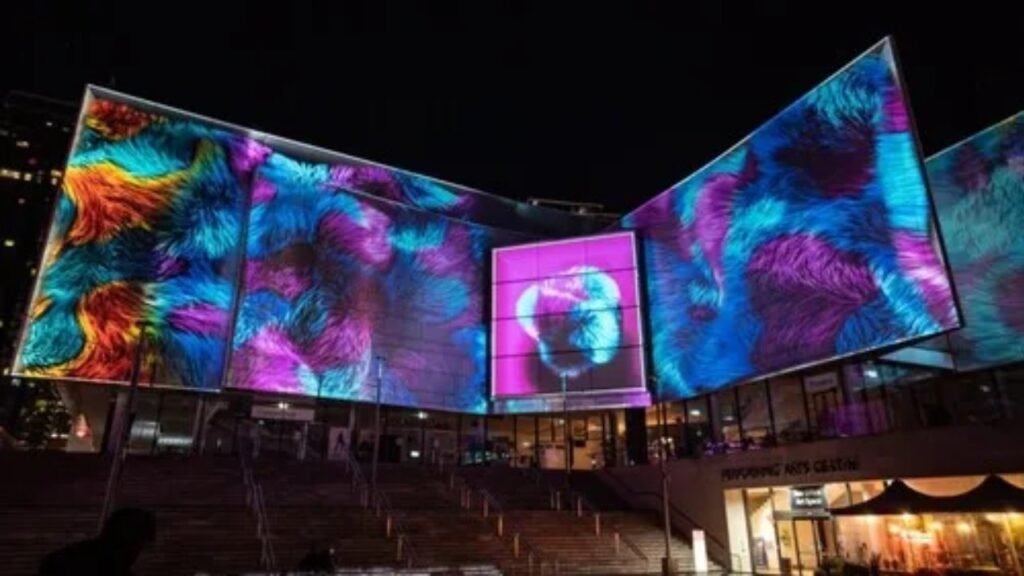
Commercial and Advertising Displays
In commercial or advertising industry, you can use LED screens to display your advertisements. This will make sure your messages stand out even in competitive settings.
Entertainment Industry
LED displays also make concert venues and events better by making it possible to display visual effects. These screens keep the audiences engaged with real-time visuals and synchronized performances.
Public Information Systems
Governments are also using LED screens for information boards which showcase the announcements, schedules or traffic management updates effectively.
Residential and Personal Use
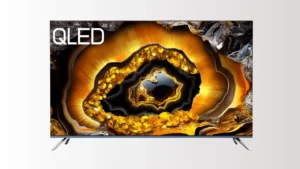
From wall art to smart TVs, LED technology is used in almost every part of home setups and gives you the best experiences.
Conclusion
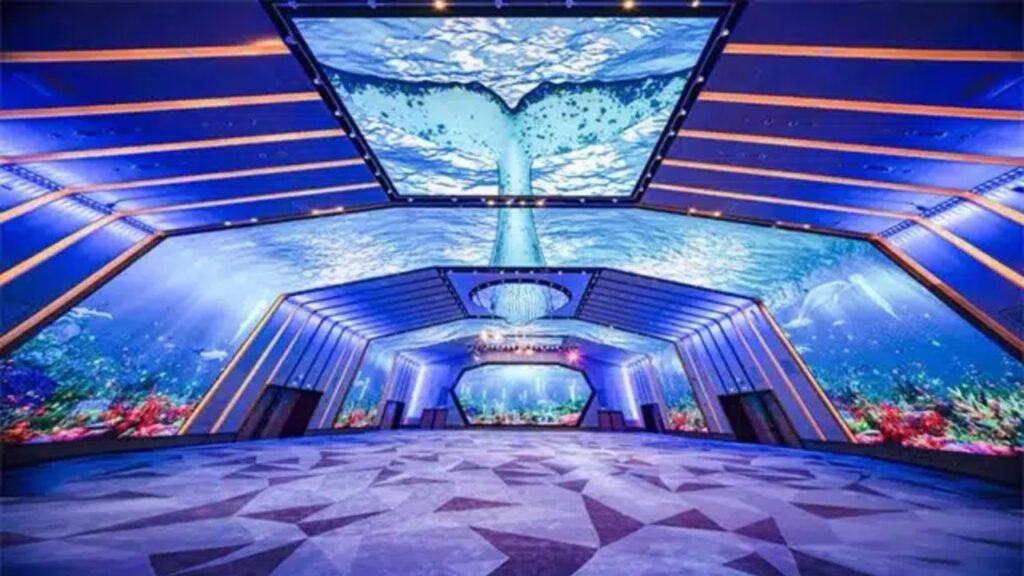
LED screen architecture is changing every day and their importance has also increased. They are being used in smart cities, support storytelling and advertising. Whether you are an engineer, entrepreneur or retailer, you should always stay updated with the trends. If you are looking for high quality LED lights, look no further. Contact IVANLED for custom LED lights.
FAQs