










Why LED Display is Good for Your Eyes
Have you ever binge-watched a show for hours on a traditional screen? Your eyes must have felt heavy at the end of it.
However, if you binge-watch the same show over the same period but on an LED display, your eyes will experience less strain. This is a testament to the good LED screens bring to your eyes.
· Improved Visibility
Traditional displays are not as bright as LED screens. This means that to get a clear view of the content being displayed, you are more likely to strain when using a traditional display. The superior brightness levels offered by LED translate into minimal eye strain even from comparatively longer viewing distances.
· Reduced Eye Strain
LED screens not only boast of crisp displays, they utilize blue light filters which, make prolonged viewing comfortable and healthier. They also deliver sharper pixels, which translates into higher LED screen resolutions and reduced blurriness. This means that you will not struggle to watch or read the content on your LED screen.
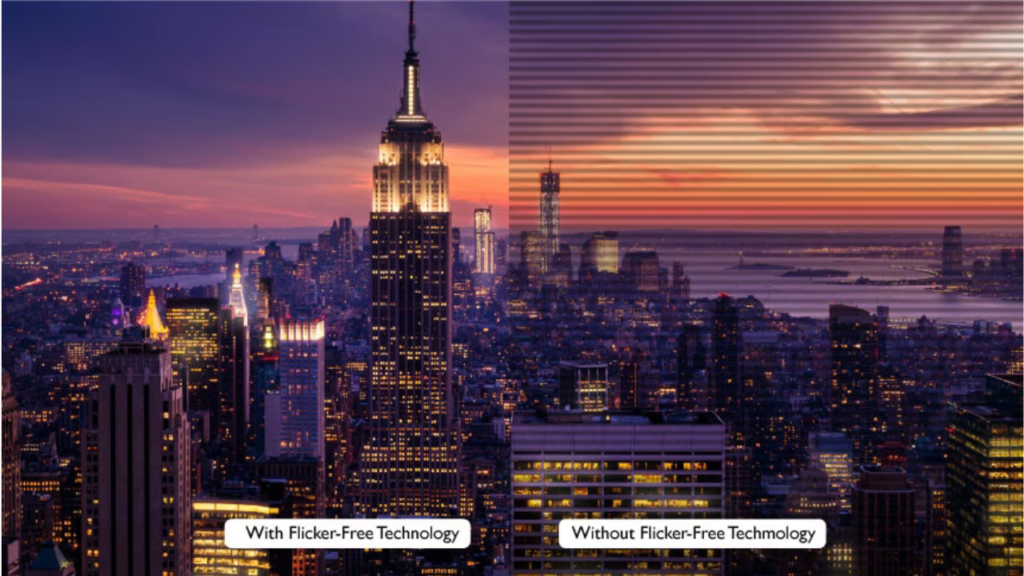
· Reduced Flickering
The vast majority of contemporary LED displays boast high brightness levels, blue light filters and high-refresh rates. This essentially makes them flicker-free displays meaning you can use them for longer hours without experiencing eye strain. The same cannot be said about traditional screens, which often leave you with a migraine after prolonged watching.
· Enhanced Clarity
LED displays are synonymous with sharper visuals a higher color vibrancy and this typically translates into higher clarity during viewing. They boast a higher pixel density and this permits them to deliver high-resolution images. This makes them more comfortable to watch over prolonged timeframe and less straining to your eyes.
· Minimized UV Light Exposure
Older displays and lighting systems were known for emitting UV radiation, which was not only a health hazard to your eyes but your entire body. LED screens hardly emit any UV rays and this significantly reduces your risks of contracting eye conditions such as corneal sunburn and cataracts. This feature of LED displays means that you can watch your display for hours without putting your retina or other eye parts at harm’s way.
· Improved Mood and Productivity
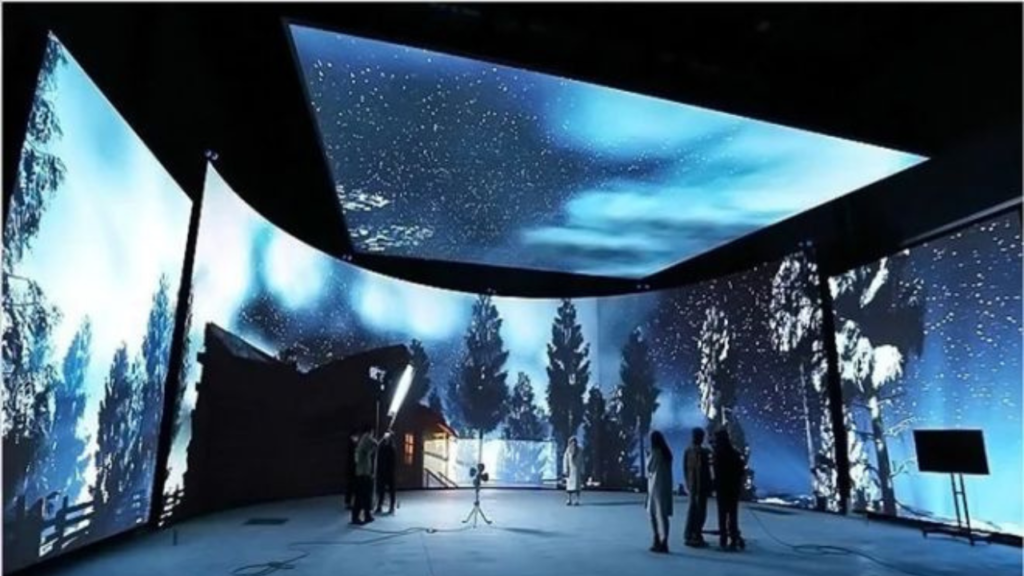
Contemporary LED screens offer dynamic lighting including mood-enhancing RGB, which synchronizes your watching experience with your respective mood. They also generate light that is quite similar to natural light and this boosts your feel-good hormones. For instance, switching to a bluish-white light on your LED screen can boost your mood by increasing your alertness levels.
· Better Brightness Control
Very few digital displays boast better or parallel brightness control than LED screens. This is because LED displays have a higher pixel density and their pixels are closely packed. This control allows you to set the brightness levels in tandem with your respective ambient light this averting eye strain. Furthermore, you can set your brightness level to a state that is most comfortable for your eyes.
· Reduced Glare
While watching, you might find yourself constantly readjusting your focus due to uneven lighting or unwelcomed reflections. This is a consequence of glaring, which is quite common in traditional displays. LED screens in contrast, boast anti-glare coats, which prevent these reflections thus providing you with a smooth viewing experience. This keeps your eyes safe from fatigue and soreness.
How LED Blue Light AffectsYour Eyes and How to Mitigate It
Virtually all screens discharge blue light and LED displays are no exception. This high-energy light is responsible for the strain and fatigue your eyes experience after you spend a prolonged spell on the screen. At night, this light can mess up with your sleeping hormones giving you a sleepless night.
However, this does not mean that LED displays are bad for your eyes. With a little precaution, you can continue enjoying your LED display even at night. Simply observe the following practices:
- After 20 minutes of glued viewing on your LED display, switch your attention to another object, for at least 20 seconds. Make sure the object is further than 20 feet.
- Make use of blue light filters such as night mode.
- Always observe a healthy distance when watching LED displays.
Conclusion
Whilst some argue that LED displays are an enemy to your eyes, it is clear that they do more good than harm. They indeed emit blue light which can harm your eyes, but their rewards outweigh this limitation enormously.
They make your viewing experience seamless, boost your mood, and keep you alert. And by practicing the recommended safety measures outlined above, you can mitigate the negative effects of LED blue light.
Looking for the best LED screens, IvanLED is your trusted partner in China – contact us now.