









1. Edge-lit LED Backlighting
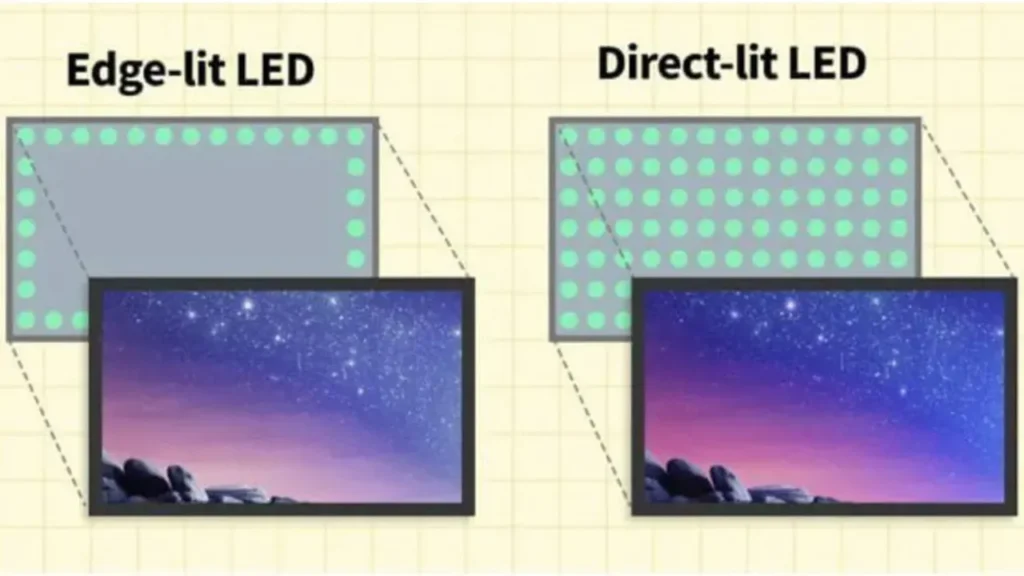
This technology has LEDs aligned evenly along the edges of the screen so as to achieve even light distribution.
This setup uses light guide panels to distribute light evenly across the entire display surface.
Advantages of Edge-lit LED Backlighting
- Does not consume a lot of power when operating because of the few LEDs.
- Not costly in terms of production and manufacturing.
- Ideal for thin display screens, therefore used in the production of sleek TV designs.
- It is a perfect option for indoor applications as its brightness levels correspond to those spaces.
- Its slim design makes it ideal for the production of lighter and portable displays.
- Cheap in terms of production.
Limitations of Edge-lit LED Backlighting
- Light is not perfectly distributed across the entire screen as compared to other backlighting techniques.
- Produces images that are of low quality and contrast levels.
- It is always subject to light leak, mostly in dark conditions and spaces.
2. Direct-lit (Back-lit) LED
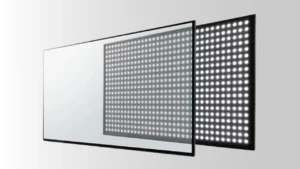
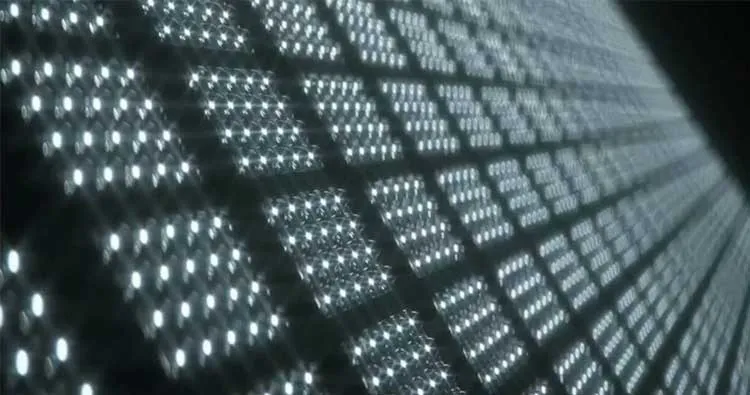
This is a technology where LEDs are placed evenly and precisely behind the entire LED display surface and not along the edges.
Direct-lit (Back-lit) LED setup allows for light to be spread uniformly across the entire screen.
Advantages of Direct-lit (Back-lit) LED
- Light is evenly distributed across the whole screen, just like the LEDs at the back of the screen.
- Its contrast levels are improved as compared to Edge-lit LED backlighting technology.
- It does produce images that are high in quality, making it ideal for professional operations.
- Light is not easily leaked as compared to the other edge-lit designs.
- Operates for long hours, thus perfect for operations that run for hours.
Limitations of Direct-lit (Back-lit) LED
- It is costly in terms of production as it needs several LEDs, compared to the edge-lit designs.
- Consumes a lot of power because of the larger number of LEDs used.
- They are always thick and heavy, making them less portable.
3. Full-Array Local Dimming (FALD)
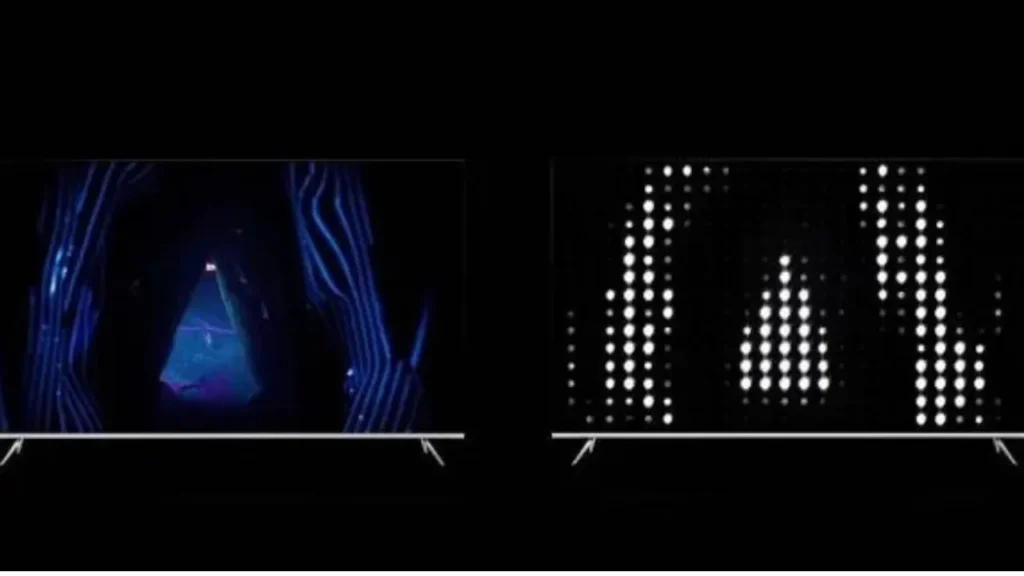
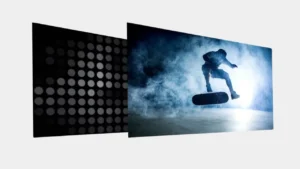
This is a technology where LEDs are spread evenly at the back of an LED screen in a grid layout pattern.
This technique also allows individual zones to dim and brighten independently.
Advantages of Full-Array Local Dimming (FALD)
- Has better contrast levels when you compare it to other backlighting techniques, such as Direct-lit LED.
- Brightness levels across the entire screen are evenly distributed because of the even spread of LEDs at the back of the screen.
- Light is not subjected to any leakage because of the precise control of the backlight.
- Produces images that are sharp and of high quality because of its high contrast levels.
- It is an ideal option for areas that require professionalism because of the high-quality images produced.
Limitations of Full-Array Local Dimming (FALD)
- Its complex designs and the high quality of materials used in production make it expensive.
- It does consume a lot in terms of power because of the large number of LEDs used.
- Repair of damaged parts is difficult because of their complexity.
- Uses a lot of materials in production, making them heavy, thick, and not easily portable.
4. Mini-LED Backlighting
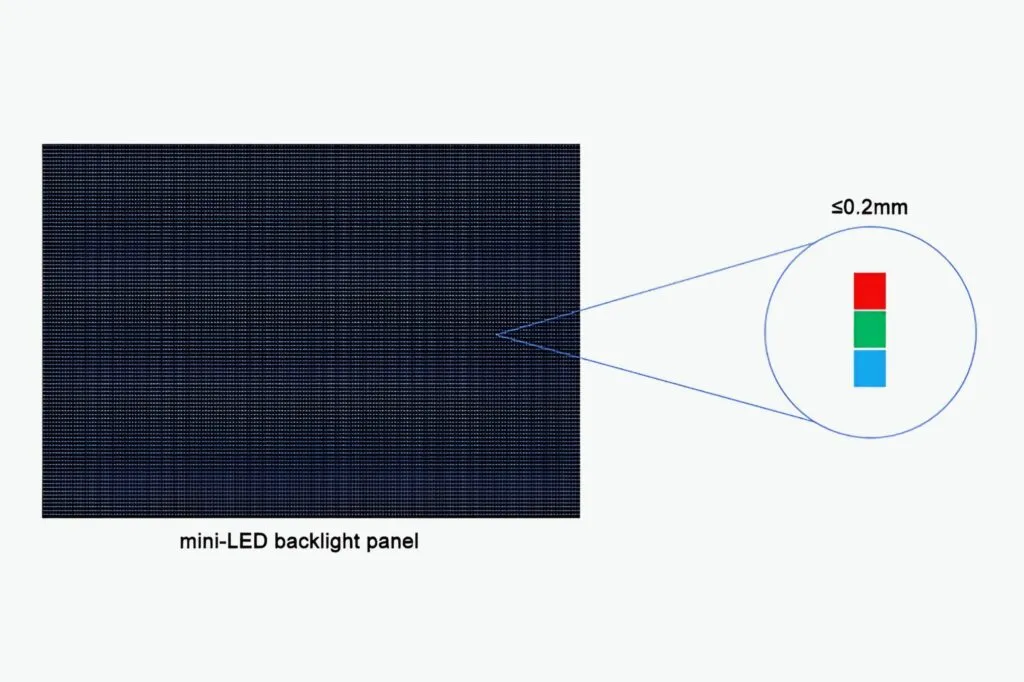
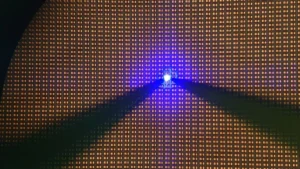
Mini-LED backlighting is a technology involving thousands of tiny LEDs arranged in dense arrays at the back of an LED display.
These mini-LEDs offer ideal and proper control over brightness levels, contrast levels, and local dimming zones.
Advantages of Mini-LED Backlighting
- Produces high brightness levels because of the multiple tiny LEDs at the back of the display.
- Have high contrast levels and minimal light leakage because of proper control.
- Production gives out thinner panel designs, making them ideal for sleek TV designs, improving on aesthetics.
- There is uniform light distribution across the whole screen.
- Produces sharp quality images and uniform colors, perfect for professional working spaces.
Limitations of Mini-LED Backlighting
- They are costly to produce and manufacture because of the quality of materials used.
- Heating is a big problem as the LEDs at the back are stacked very closely together, and each LED emits heat independently.
- Not easily available as it is a new developing technology that not so many people have adopted.
- Repairing damaged parts is difficult because of the complexity of its structure.
5. Micro-LED (Emerging Technology)
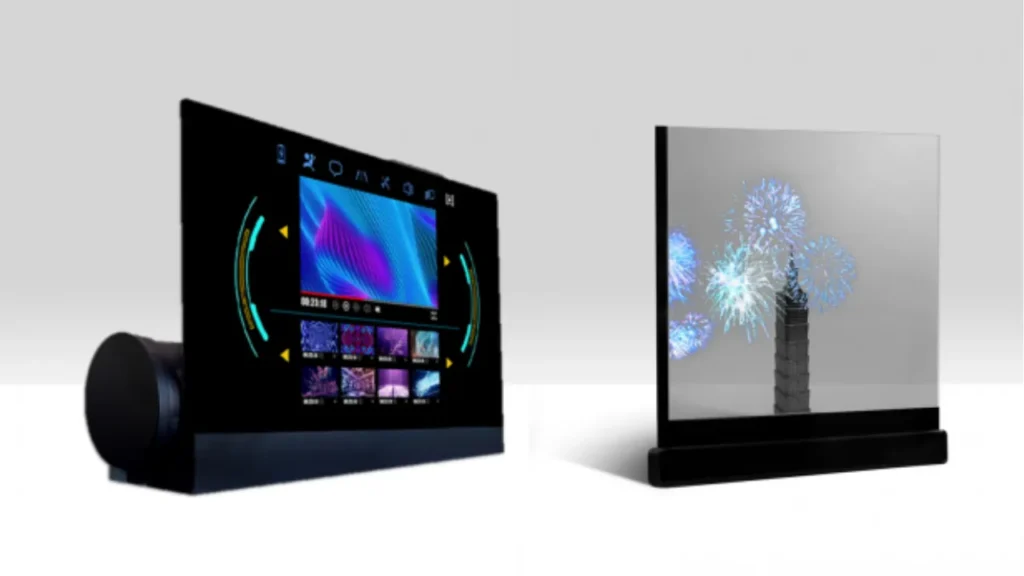
This is an emerging technology that applies the use of tiny and self-emissive LEDs to produce light and color at the pixel level.
Micro-LED gives out the perfect brightness levels and ultra-high contrast levels.
Advantages of Micro-LED (Emerging Technology)
- It is very bright, thus perfect for use when displaying HDR content and in poorly-lit environments.
- Its contrast and black levels are perfectly balanced, as each LED pixel has the ability to emit light.
- They are highly durable and not easily corroded by environmental conditions.
- Micro-LEDs use power mostly in dark areas where light is needed, making them power-efficient.
- Does not produce blurry images and maintains color and contrast from different angles.
Limitations of Micro-LED (Emerging Technology)
- They cost a lot in production as they use high-quality materials and LEDs in large numbers.
- Not easy to repair and replace damaged parts because of their complexity.
- This is an emerging technology adopted by a few, making its availability limited.
- Manufacturing Micro-LEDs is challenging as it requires precise placement of the pixels.
6. Quantum Dot-Enhanced Backlighting
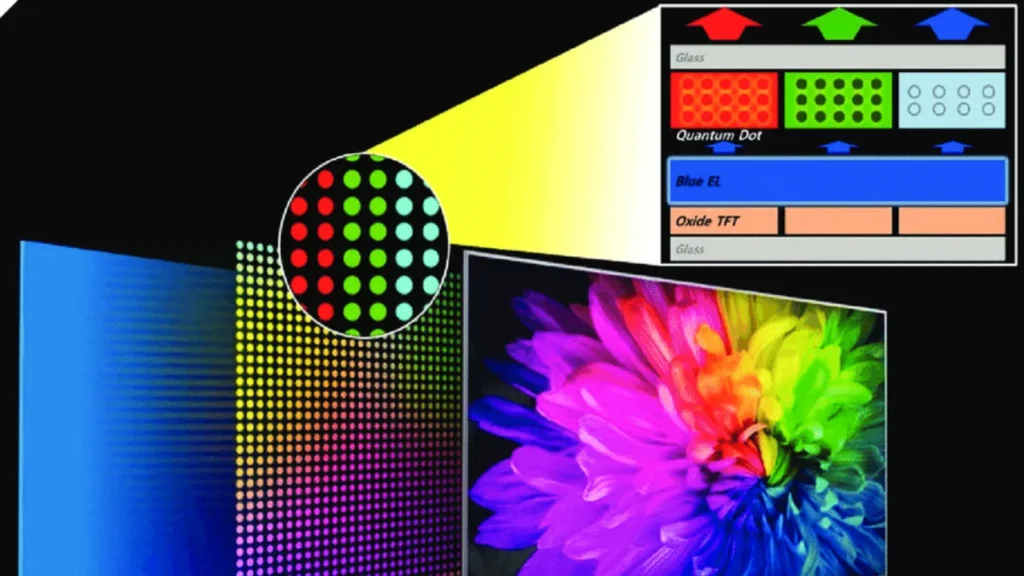
Quantum dot-enhanced backlighting technology uses a layer of quantum dots between the LED backlight and the LCD panel to improve performance.
When lit up, these dots emit precise colors, enhancing color accuracy and the overall brightness levels.
Advantages of Quantum-Dot Backlighting
- Quantum dots produce colors and images of ultra-high quality.
- They are always very bright.
- They have enhanced contrast levels, giving out very sharp images.
- They do not consume a lot of power, hence energy efficient.
- They are highly durable and do not corrode easily.
Limitations of Quantum-Dot Backlighting
- Costly in production as it requires high-quality materials in the process.
- Image quality can degrade depending on the angles you view from.
- Needs separate sets of backlights so that it can attain true blacks.
Conclusion
With this information, you can certainly see the power of LED backlight technology in terms of performance, image quality, resolution, and power consumption, among other variables.
At IvanLED, our LED screens come with different backlighting technology according to your unique specifications. For custom LED displays, IvanLED team is here to help – contact us now.