What is LED Screen Size?

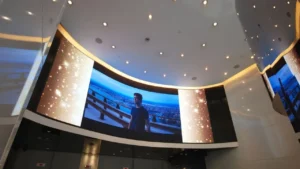
Actual display measurements of an LED device are what we call LED screen size. You can find LED screen measurements through diagonal calculations.Size measurement for LEDs includes width and height values for rectangular displays but utilizes area calculations for non-rectangular items such as curved and round and
spherical screens.Several alternative units including pixels, inches, millimeters, feet as well as centimeters are applicable. Size defines how it is viewed, the resolution, and the compatibility of the application in various uses.
How to Measure LED Screen Size in Different Units
· LED Screen Size in Inches
Inches are used as a measuring unit by most of the manufacturers of LED screens. The measurement is taken diagonally across from one corner to the opposite corner. For instance, if the measurement from the bottom left corner of the screen to the top right corner of the screen is 55 inches, then the screen size is 55 inches.
· LED Screen Size in cm
To convert inches to centimeters entails multiplying the figure by 2.54. For example:
- A 50-inch screen is about 127 cm.
- For instance, a 65-inch screen is approximately 165 centimeters.
- Alternatively, a 75-inch screen is approximately 190 centimeters.
• LED Screen Size in Pixels
Resolution determines pixel size. A screen with resolution 1920 x 1080 measures 1920 pixels in the horizontal width while its vertical height amounts to 1080 pixel.With 4K (3840 x 2160 pixels) or 8K (7680 x 4320 pixels), you will achieve higher picture quality.
• LED Screen Size in Feet
To convert inches to feet, divide by 12:
- A 120-inch screen is 10 feet.
- A 96-inch screen is 8 feet.
- A 144-inch screen is 12 feet.
• LED Screen Size in mm
To convert inches to millimeters, multiply by 25.4:
- 50 inches, for instance, is equal to 1,270 millimeters in measurement.
- A 65-inch screen is 1,651 mm.
- To convert the size of a 75-inch screen into millimeters, 75 multiplied by 25.4 equals 1905 millimeters.
How to Calculate LED Screen Size
The size of an
LED screen is typically measured diagonally in inches. To calculate the screen size, you need to measure the screen’s width and height, then apply the Pythagorean theorem:Screen Size = sqrt of (Width power 2 + Height power 2) or simply √(Width² + Height²).
Step-by-Step Guide to Calculate Screen Size:
- Measure the Width and Height:
To measure the screen, use a measuring tape and record the width and height of the screen in inches.
- Square Both Measurements:
Take the value obtained for width and square it (Width²).Square the height (that is, multiply the height by the height – Height × Height or Height²).
- Add the Squared Values:
Add up all the squared width values and squared height values.
- Find the Square Root:
Add the width and the height together and then take the square root of the sum to get the diagonal screen size.
Example calculation:For example, if the screen width is 48 inches and the height is 27 inches:Screen Size = √(48² + 27²) = √(2304 + 729) = √3033 ≈ 55 inches.If the screen width is 80 inches and the height is 45 inches:Screen Size = √(80² + 45²) = √(6400 + 2025) = √8425 ≈ 91.8 inches.
Standard Size of LED Screen Display
The essential elements that build LED screens consist of two fundamental parts including LED module sizes and LED cabinet sizes. These components form the base or foundation for building the final LED displays or screens that can be used in various applications.
LED Module Size
The LED module functions as the primary structural component which builds up an LED screen. Standard sizes include:
Modules are then joined together to create cabinets and large formats. Selecting the right size for the module is another factor that determines the future flexibility of your screen structure as well as easier maintenance processes.
LED Cabinet Sizes
An LED cabinet can be defined as a fixed frame that is made of numerous LED modules assembled together. Cabinet sizes that are common include:
Bigger LED cabinets take less time to fit but the process should be well thought out or have a precise installation strategy to achieve the best results.
Importance of Knowing the Size of an LED Screen
The performance quality of an LED display screen depends on several factors which shape its usability as you select its dimensions. Understanding the dimensions helps you in:
- To achieve optimal visual appeal the display size should match the planned use: Whether for advertising purposes or business promotion or presentation needs or entertainment viewing.
- Choosing the right resolution and pixel pitch: Image quality is influenced by the size of the screen as it determines the sharpness of the image and the number of pixels per inch displayed to the audience.
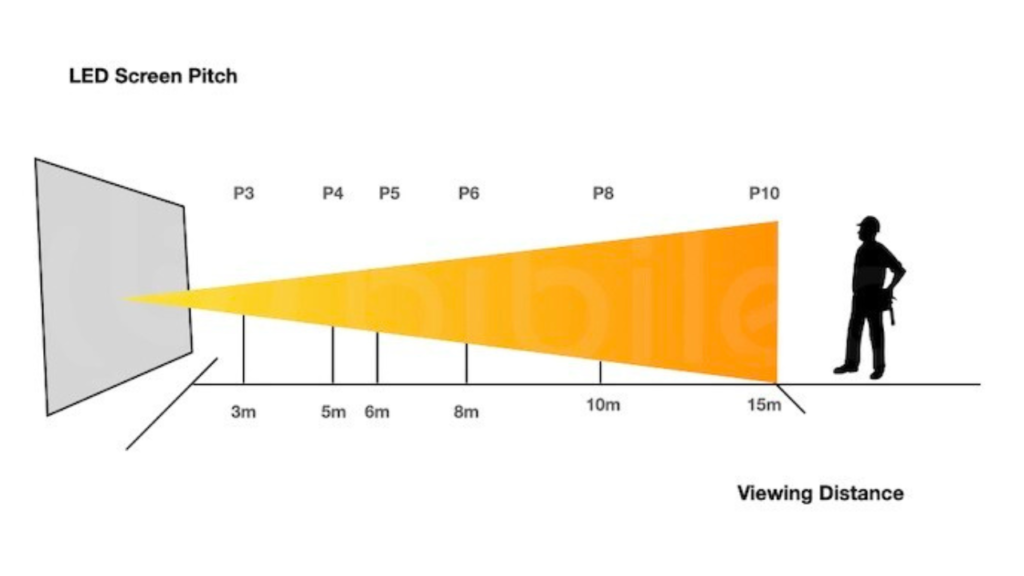
- Determining the best viewing distance: Larger screens need your viewers to sit at further distances because it ensures both image clarity and prevents pixelation from occurring.
- Budgeting effectively for purchase and installation: LED screens can come in various sizes and have different resolutions and additional needs for installation which means that the cost of an LED screen will depend on size, resolution, and installation needs.
- Avoid installation errors due to incorrect dimensions: Be aware of the exact measurements so that to avoid compatibility problems with mounting structures.
- Optimizing content display and aspect ratio: Appropriate display sizing makes sure that the image and video displayed are of standard sizes and not distorted.
Factors Determining the Size of an LED Screen
• Viewing Distance
You can easily determine the proper viewing distance to the screen by combining its screen dimensions with screen resolution values. This is because it is again a balancing factor between the angle and distance to assure a comfortable view. A larger screen indicates that you as the viewer need to be further from the screen to have clear vision.
- So, watching a 55-inch screen is most comfortable when the viewer is between 7 and 10 feet away from the screen.
- For a screen size of 75 inch, the recommended distance should be in the range of 10 to 15 feet.
- A display of 120-inch size needs an area between 16 and 20 feet for optimal viewing without image distortion.
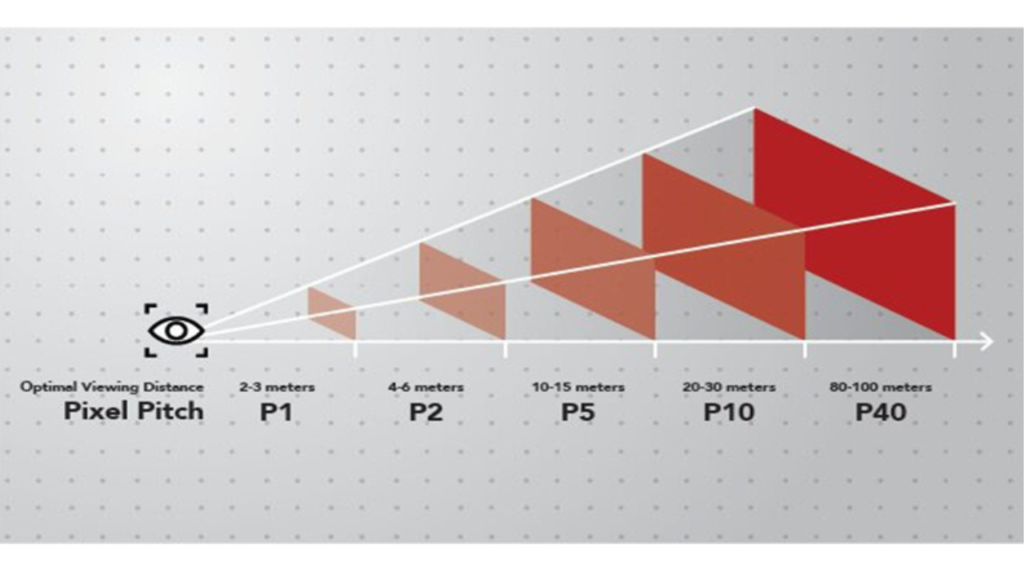
• Pixel Pitch
Pixel pitch represents the millimeter distance that separates two neighboring pixels on display screens. The image clarity together with the viewing distance and total cost of a screen heavily depend on the pixel pitch measurement. A small pixel pitch gives your display superior image resolution that works well for up-close work although a large pitch works better for distant display needs.
- 2 – P2.5: The specifications of P1.2– P2.5 match conference displays alongside control rooms.
- P3 – P5: The operating range of P3 – P5 covers indoor and mall advertising.
- P6 – P10: Larger halls along with semi-outdoor areas find the best applications within P6 to P10 power levels.
- P10 – P16: The P10 through P16 power rating suits outdoor billboards while also working for stadiums.
Your visual display performance and affordable operational costs depend on making a suitable pixel pitch decision.
• LED Screen Applications
Different applications require specific screen sizes to ensure maximum visibility and effectiveness. The ideal screen size depends on the intended use, whether for outdoor billboards, indoor displays, or stage presentations. Various applications need tailored screen dimensions for effectiveness and clear visibility during their operation.You need to determine the appropriate screen size based on your specific application needs which cover outdoor billboards as well as indoor displays and
stage displays.
- Large outdoor billboards can reach maximum widths between 10 to 20 feet because they ensure strong visibility while being located at a distance.
- The indoor advertising display operates optimally within 6 to 10 feet distances for delivering clear visual content under lighted indoor environments.
- The width of stage displays should range from 12 to 30 feet while considering both the audience size and venue specifications.
• Viewing Angle
The viewing angle measures your screen visibility across different observer positions. Better visibility is attained by wide viewing angles which are critical when you are dealing with large numbers of viewers especially in outdoor billboards and stadiums alongside conference halls.Persons standing beside a screen with limited viewing angles will notice images that appear distorted or dimmed. Purchase an LED screen with a 140° to 180° viewing angle range because it delivers clear images for multiple viewing perspectives.
• Budget Considerations
Your intended budget directly impacts which LED screen you should choose. Advanced features together with large screen sizes and high resolution along with waterproof capabilities drive up the purchase costs. The important step is to select a display that weighs both quality criteria with expense parameters so it fulfills all your display needs within an economical framework.
Indoor LED screens cost less than outdoor ones since they do not require weatherproofing. The selection process requires you to include maintenance expenses and power usage together with product longevity.

• LED Screen Resolution
The quality of image sharpness and clarity depends on LED screen resolution. Better resolution produces superior image quality because it enables you to view text, fine graphics and high-definition videos clearly.Selecting the right resolution for any screen depends on both its display size and observed viewing distance. Standard LED screen resolutions work best with their specific intended uses which include the following list:
- The HD format (1280×720) makes an ideal choice for budget-friendly digital signage together with conference rooms and small indoor display applications. It delivers suitable performance for displaying basic visuals and presentations.
- Medium-sized LED screens in retail stores and corporate events and stadium scoreboards benefit the most from Full HD resolution at 1920×1080. These LED displays produce crisp visual quality when viewed up close.
- The 4K Ultra HD (3840×2160) resolution serves best in applications that use large-format LED walls alongside premium digital billboards and control rooms that need superior image details. Professional displays gain outstanding image clarity when using this resolution.
- The resolution of 8K Ultra HD (7680×4320) serves high-end entertainment facilities as well as medical imaging centers and specialized applications that need intense image details.
FAQs
1. Which is the Standard Size for LED Display?The standard dimensions of LED display panels differ according to how you will use them either indoors or outdoors Configurations that are common include.
- 2×2 feet dimensions- They work best for small indoor screens.
- 4×3 feet dimensions- They fit medium-sized commercial screens which you can use for advertising and retail applications.
- 10×6 feet- Represents LED outdoor billboard dimensions which optimize visibility from distant locations.
2. Can you Calculate LED Screen Size in Pixels?You obtain measurements by multiplying the pixel count in width with the pixel count along the length or height dimension. A 1920×1080 screen possesses 2,073,600 pixels.
3. How do LED Screen Size and Viewing Distance Compare?A larger screen needs you to maintain a greater distance between yourself and the screen for optimal viewing clarity. On the other hand, the optimal viewing position for this small screen happens at a close distance because its high resolution enables detailed observation.
4. What is LED Screen Size Ratio?The aspect ratio of LED screens known as screen size ratio represents the relation between width and height as in the case of 16:9. Some aspect ratios that are common are:
- 16:9 for widescreen
- 4:3 for traditional square screens
- 21:9 for ultrawide screens
Conclusion
Knowing how to interpret LED screen dimensions is essential for achieving successful application and audience connection results. Your decision process needs you to consider viewing distance alongside pixel pitch together with your application goals.












 Actual display measurements of an LED device are what we call LED screen size. You can find LED screen measurements through diagonal calculations.Size measurement for LEDs includes width and height values for rectangular displays but utilizes area calculations for non-rectangular items such as curved and round and spherical screens.Several alternative units including pixels, inches, millimeters, feet as well as centimeters are applicable. Size defines how it is viewed, the resolution, and the compatibility of the application in various uses.