










Estimating the Average Lifespan of LED Screens
When buying any sort of LED display, one of the primary aspects you should prioritize is how long it will serve you at its optimal best. This information is easily accessible and all you need to do is go through the specifications sheet accompanying each LED TV screen. For most of these screens, you will get to say goodbye to them after approximately 50,000 hours to 100,000 hours.
This often translates into approximately ten years. This is significantly higher when you compare it to the age limit of traditional screens. For instance, your typical LCD screen will serve you for approximately 30,000 hours to 60,000 hours. However, where you install your screen and how you use it greatly determines the number of years you get from your screen.
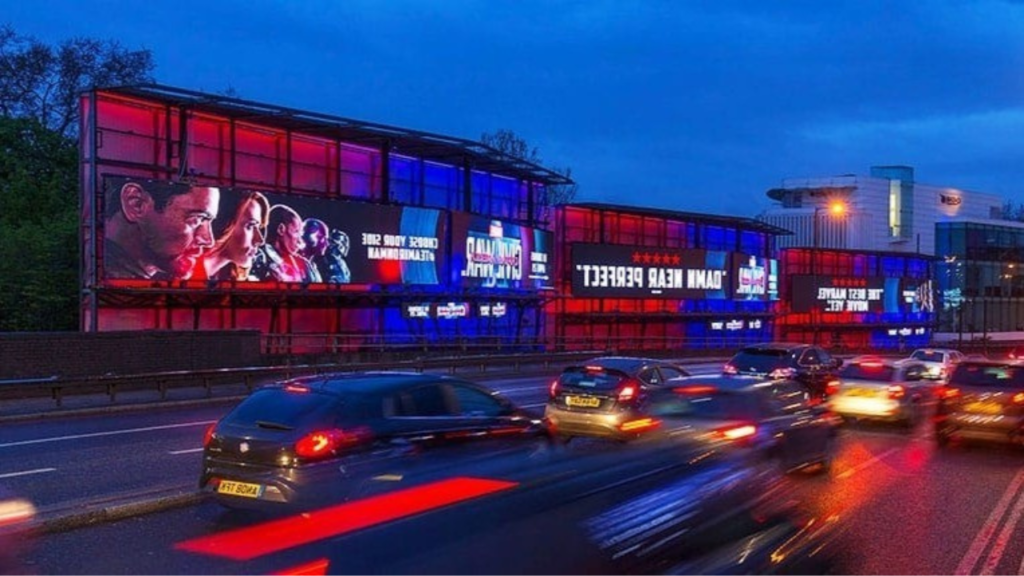
The lifespan of outdoor LED displays, for instance, LED signage displays is significantly lower due to the weather element risks at play.
Indoor displays, in contrast, boast a higher lifespan since they are less prone to damage caused by weather elements like dust and humidity. They also operate at a lower brightness level meaning their display panels and diodes get to last longer.
Factors Affecting the Lifespan of Your LED Screen
If you have interacted with LED displays, you must have realized that these displays come with varying life expectancies.
Although the quality of your screen is the primary determinant of its lifespan, there are other multiple factors at play. These factors include;
· Temperature
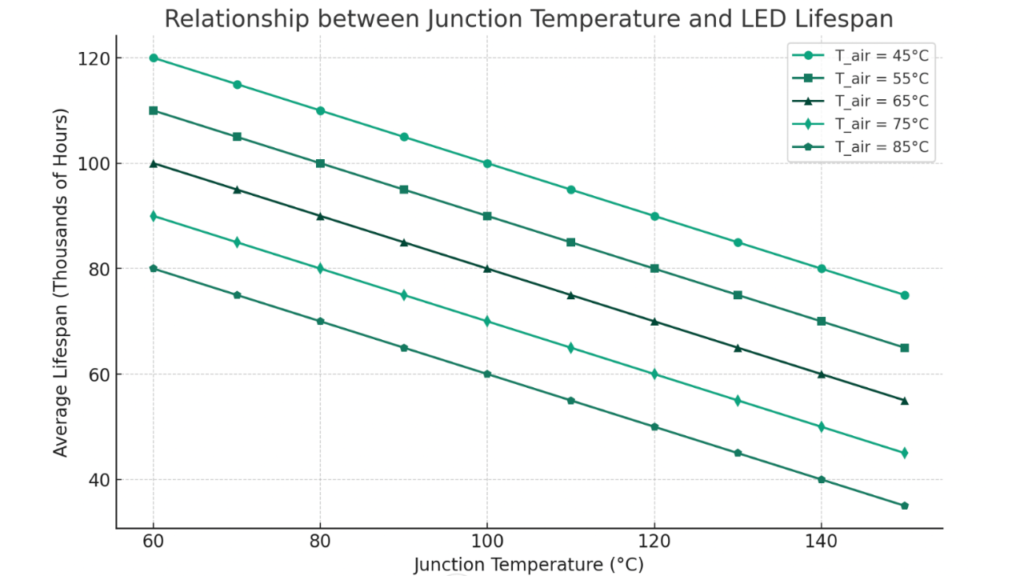
LED screens just like traditional displays necessitate favorable operating conditions such as conducive temperatures. If your LED screen lacks a proper heat management system, you are likely to experience a shortened service life.
This is because the excessive buildup of heat often results in the degradation of essential components such as diodes. You are therefore advised to reinforce your screen with proper heat management such as proper ventilation or even cooling fans.
· Operating Hours
The longer you continuously use your LED screen, the faster its lifespan deteriorates, especially when you have set it to operate at full brightness. For instance, if your LED display is a TV screen for a theatre or home, you are more likely to enjoy a longer service. This is because you hardly utilize the screen for prolonged hours. In contrast, if your display is a commercial signage running 24 hours daily, you are expected to experience a shorter lifespan.
· Power Settings
For an LED display to live up to its service life expectations, you must shield it from power fluctuations. This means that you must ensure that your power supply is of the highest quality. You must also put in place power surge protectors to safeguard your LED screen from unprecedented power fluctuations.
· Brightness Levels
Setting the brightness levels on your LED screen at high levels often also contributes to a shortened lifespan. It adds more stain on essential components such as the diodes and display panels consequently shrinking the hours you get to enjoy optimal performances from your LED screen.
· Quality of Maintenance
Granting proper maintenance to your LED TV display is one sure way of getting the best and most out of it. Denying it proper maintenance contributes significantly to the deterioration of its essential components resulting in the overall deterioration of its lifespan. It is therefore essential that you frequently perform software updates and rigorous but careful cleaning.
· Gradual Dimming
You might accord your LED display the best care but still notice gradual deterioration in performance. Well, this points to gradual aging, which is often natural and cannot be averted. However, this only occurs after approximately ten years of intense use. Irrespective of this natural aging, do not disregard the need for proper installation and maintenance.
· Material for LED Screens
The quality of the material used to manufacture essential components in your LED screen also plays a pivotal role in determining how long your screen serves you. If your screen comes with low-quality diodes and display panels, you can expect premature deterioration in performance. As such, always make certain you go for LED displays made from high-quality materials.
· Vibrations
LED screens can only tolerate certain levels of vibrations. Exceeding these levels can cause physical damage to some of the screen’s components or even to your screen in its entirety. You are therefore advised to pay special attention to your LED displays during transportation, installation, and usage to avert excessive vibrations.

How to Increase the Lifespan of LED TV
- Shield it From Direct Sunlight: Direct sunlight not only makes your viewing experience difficult but also contributes to overheating. This makes shielding your display from direct sunlight essential to elongating its lifespan.
- Employ Sufficient Ventilation: Outdoor and indoor LED displays are often susceptible to overheating, which may arise from exposure to direct sunlight or intense use over prolonged periods. Deploying sufficient ventilation averts this thus prolonging your screen’s service life.
- Clean Your Screen Regularly: LED displays are susceptible to dust accumulation especially when deployed in outdoor settings. This buildup leads to the premature damage of key components thus making regular cleaning mandatory.
- Keep it Turned Off When Idle: If you are not using your LED TV screen, turn it off to avoid placing unnecessary strain on its diodes. This will also help you save on power.
- Adjust the Brightness Levels Accordingly: Constantly adjust the brightness levels of your display depending on your respective needs. Lowering the brightness levels safeguards your LED display panels from premature damage.
FAQs
1. Which Lasts Longer; LED or LCD?
Whereas LCD displays can serve you for 30,000 to 60,000 hours, LED screens can serve you longer averaging between 50,000 hours and 100,000 hours. This means that acquiring an LED screen over an LCD screen comes with greater rewards in the long run.
2. Will LED Screens Degrade Over Time?
Yes. However, they demonstrate a longer shelf life compared to other display alternatives. Granting your LED TV screen great care, however, guarantees a prolonged lifespan.
3. How Long Do LED Screens Last?
When appropriately used and maintained excellently your LED screen can serve you for up to 100,000 hours. However, there is a different type of LED screen, which maintains optimal performance for 50,000 hours, which is considerably higher than what other displays offer.
4. What is the Average OLED Lifespan?
Although the lifespan of OLED is primarily dependent on your usage behavior and the type of technology deployed, the average OLED is likely to serve you for 50,000 hours to 100, 000 hours.
5. What Causes Brightness Loss in LED Screens?
Over time, you are likely to experience depreciated brightness levels in your LED display. This can be a consequence of numerous reasons including:
- Natural aging.
- Dust accumulation.
- Driver issues.
- Unstable power supply.
6. What is the LED Screen Aging Test?
LED screen aging test is an assessment that seeks to determine how long your LED screen can last while performing optimally. It attempts to shed light on how long your screen can retain its brightness and color accuracy.
Conclusion
When it comes to life expectancy, LED screens have proven they are the kings of longevity. Boasting an average lifespan of between 50,000 hours and 100, 000 hours, these displays are some of the most durable options available in today’s. However, they are not invincible and their lifespan may fluctuate depending on the quality of care you accord them.