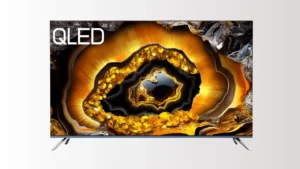











What Is LED Display Power Consumption?
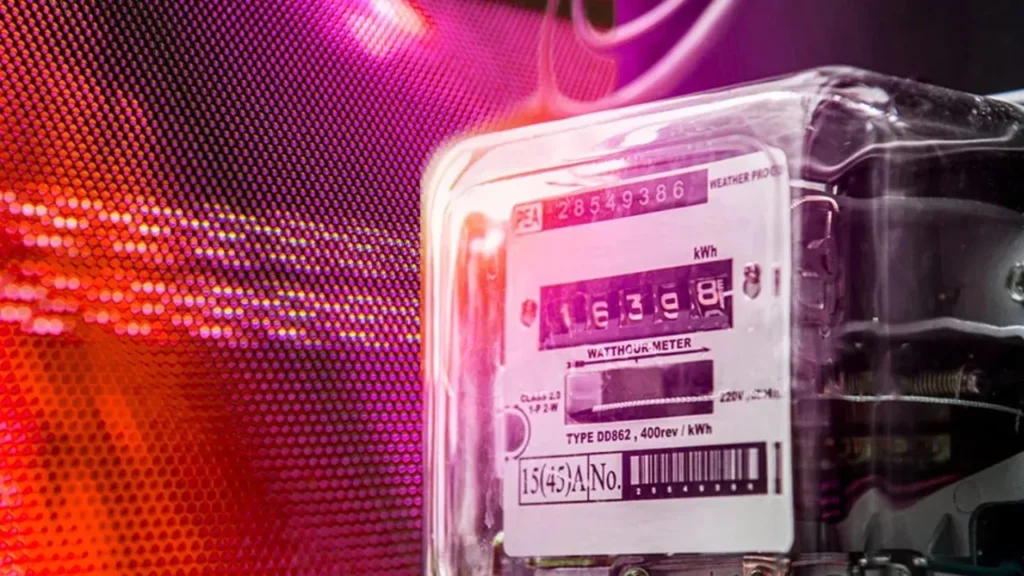
It is the amount of energy used in an LED panel. It depends on the size of the screen, the resolution, the brightness and the content being displayed. This way, it can save you money on energy costs and also help you make your displays more efficient.
Core Factors Influencing Power Consumption
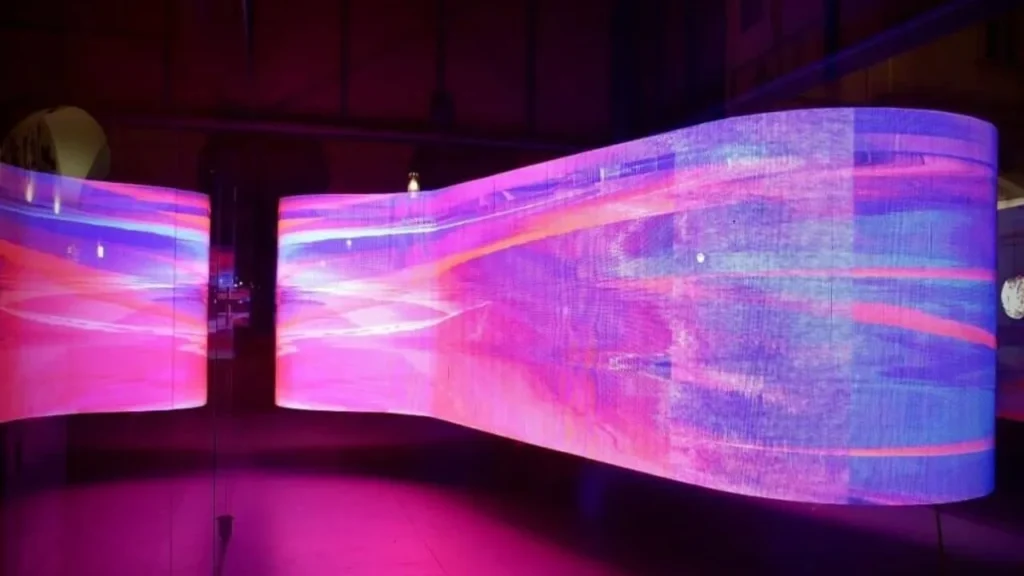
The basic variables which determine the power of LED screens should be known in order to maximize the energy. You can improve energy efficiency and minimize operating expenses by controlling such factors.
· Pixel Spacing & LED Density
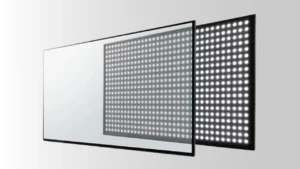
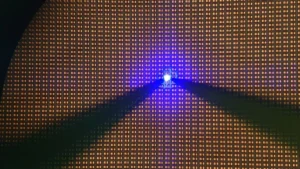
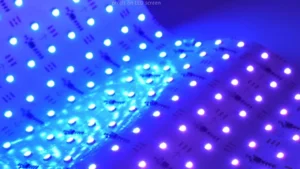
Reduced pixel spacing (increased density of the LEDs) results in an improved image but requires more power. Panels with dense arrays of LEDs have a higher number of LEDs per unit area and consume more energy than those with a greater pixel pitch.
· Brightness Settings & Ambient Light Conditions
Maximization of brightness is the main factor that leads to high power consumption. Turning up or down the brightness based on the amount of ambient light could result in significant energy savings without affecting visibility.
· Content Brightness & Usage Patterns
The content that is dynamic (video and pictures with high contrast) require more power than the darker one and all the pictures turned into statical. Indicatively, a white background is more energy-consuming compared to a black background.
· Refresh Rate Effects
More refresh rates consume more power. The displays that run at 120Hz use more power than 60Hz displays because it has a higher frame rate compared to 60Hz.
· Efficiency of Driver ICs & Power Architecture
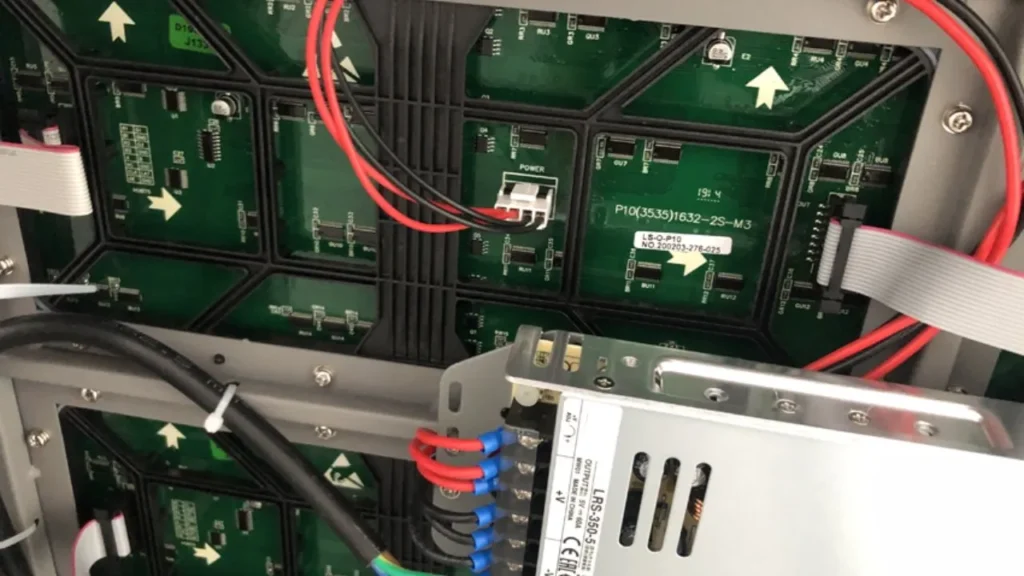
Power design and driver ICs are power-efficient. Quality components reduce the loss of power when transmitting a signal and converting power, increasing the overall efficiency.
· Thermal Management & Hardware Design
Good thermal management is key to the performance and lifespan of LEDs. Heat may decrease productivity and performance. Heat sinks and thermal interface materials are needed to move the heat away.
Best Practices to Reduce Power Usage
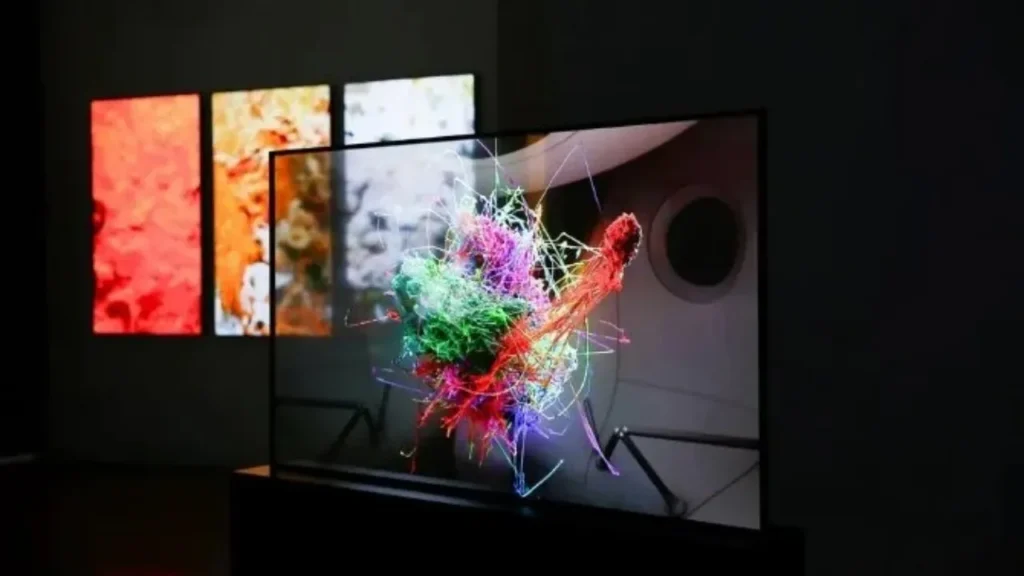
· Maintenance & Calibration
Regular maintenance helps to ensure proper performance and energy efficiency. Take a fresh look at settings and change out paper towels before the brightness and color tone fade. LEDs can be calibrated to optimize power consumption by turning them on only when they are operating under the most efficient parameters.
· Adaptive Brightness & Scheduling
Turn on smart brightness control systems: Brightness control systems are where the brightness of the display is automatically adjusted depending on the level of ambient light. Display scheduling to turn to low brightness during low usage times can greatly reduce the amount of energy consumed.
· Content Strategy for Lower Power
Create darker designs and use a few animations. This will conserve energy because fewer powers are required to illuminate the display.
· Investing in Efficient Hardware
Use LED displays that consist of energy-efficient processes, these are low-power driver ICs and high-quality LEDs. The efficiency can be further increased with investment in thermal management systems with advanced technology.
· Advanced Thermal Design
Implement enhanced thermal solutions, including heat sinks, thermoelectric, and liquid cooling. Thermal design limits thermal stress, resulting in loss of efficiency and deterioration of the display life
· Refresh Rate Optimization
Change the refresh rate depending on what is needed. Slower refresh rates may allow the use of less power without affecting the display quality of stationary or low-action content.
Conclusion
Lastly, the energy consumption is also a factor to consider when attempting to optimize the performance of LED panel as it dictates the cost-effectiveness and energy efficiency of the screen. You can also contribute greatly to performance by reducing energy consumption and maximizing performance by paying attention to things such as display size, brightness, content strategy, and hardware. In IvanLED, we have made a specialty of offering high-efficiency LED. If you have questions or need assistance, contact us now so we can assist you in streamlining your energy utilization!