










What is an LED Backlit Display?
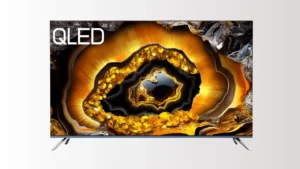
LED backlit display is simply a flat-panel screen that displays images with unrivaled contrast and brightness by illuminating LCD panels with LEDs. Unlike CCFL backlighting, which was previously used, this backlighting technique delivers images with improved quality and clarity, making it possible to achieve slimmer screens. Nearly all modern monitors, smartphones, and TVs you see today rely on LED backlighting.
How Do LED Backlit Screens Function
LED backlit screens are simply typical liquid crystal displays backed by LEDs as the dominant source of light. Without these LEDs, your display will generally generate unreadable or invisible images. The moment you power on your LED backlit display, be it a smartphone or a TV screen, the LEDs connected to the LCD panel light up.
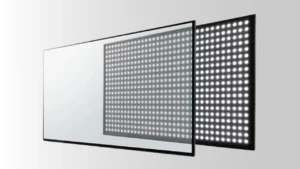
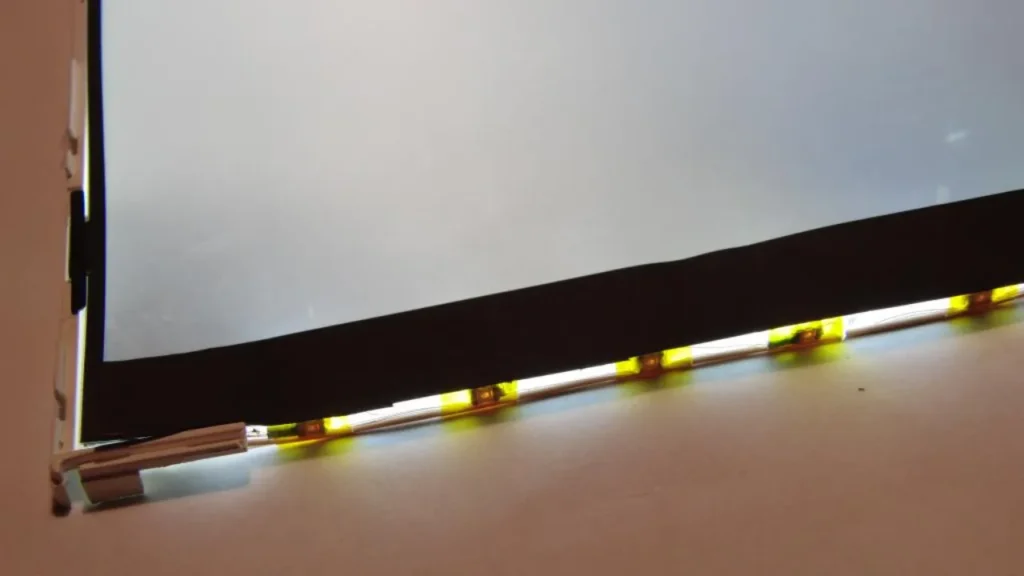
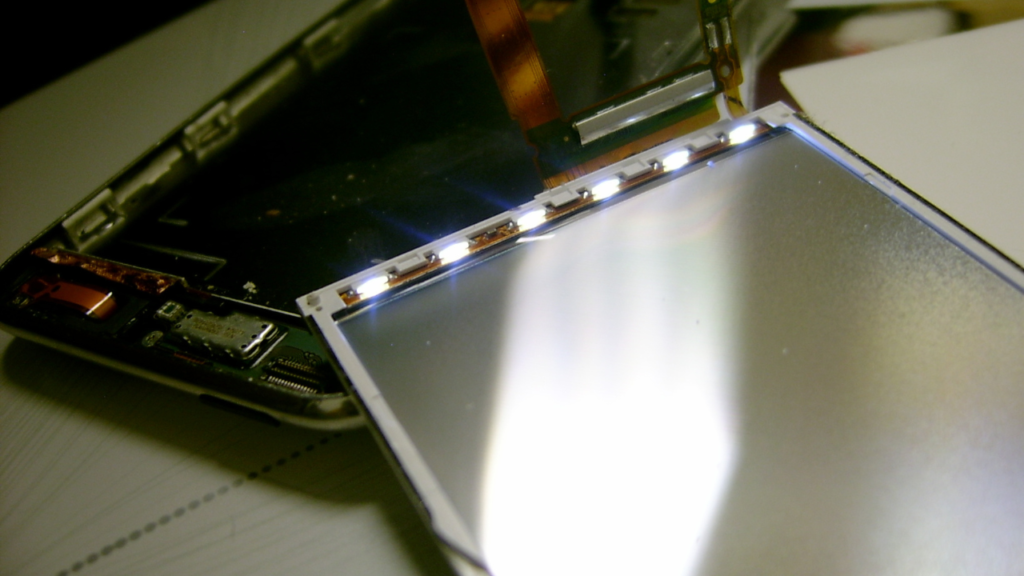
Remember, LEDs are generally installed behind LCD panels as is exhibited by full-array displays or around the edges as is exhibited in edge-lit screens.
Once the LEDs light up, the light they generate is illuminated on the liquid crystals in your display. These crystals regulate the passage of this light by blocking and unblocking it. The light that passes the crystals is then subjected to a color filter that creates the images you see on your TV, smartphone, or laptop. The color filter comprises blue, red, and green sub-pixels making it possible to achieve any shade of color.
After the light passes the color filter, it is illuminated across your display’s top glass. This allows you to consume high-quality, colored, and clear visuals. Whenever you adjust the screen brightness levels in your LED screen, the liquid crystals either increase or decrease the amount of light passing through. This results in increased brightness or reduced brightness depending on your prompt.
Components of LED Backlit Displays
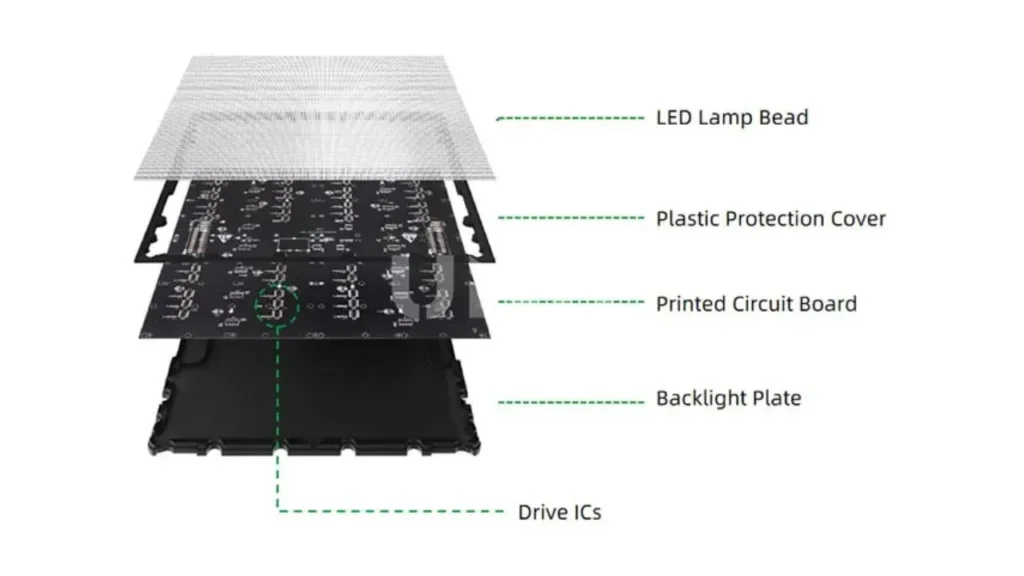
LED backlit displays, which are essentially the silent staple of modern living, may appear thinner and this is often mistaken for reduced components. While this is partly true, these screens feature a myriad of essential components, namely:
- LEDs: These are essentially the life of the party. They are the tiny pixels that light up the images on your display. Typical LEDs used in LED backlit screens are white in color. However, displays featuring red, green, and blue LEDs are gradually becoming the norm. This is because they achieve more color contrast and gamut.
- Light Guide Plates: These plates are typically made from glass or acrylic and they simply help illuminate light evenly on your display by shining it onto the display area from the LEDs positioned along the edges.
- Reflector: These components are found along the edges of your display or behind it and they help trap and convey stray light from the LEDs onto the liquid crystal panels. As such, they ensure that the light emitted by the LEDs in your display is not lost thus ensuring even brightness.
- Diffuser: This is a layer that simply distributes the light emitted by the LEDs evenly on the liquid crystal panel. This makes certain that you are left with uniformly illuminated images by removing hotspots. Some screens feature reflective polarization films instead.
- LCD Panel: LED backlit displays rely on a liquid crystal panel to generate the images or visuals you consume. This panel is made up of liquid crystals, which block or allow light from the LEDs to pass. It also comes with color filters, which add your desired color to the light emitted by the LEDs as well as polarizers.
- Display Frame: This is the outer covering comprising the front glass screen and the back cover. The display frame protects the main components of your LED backlit display while also giving it structural support. The design can take different forms depending on the intended use of the display.
- Control System: The control system runs the operation of your LED backlit screen. It controls the lighting up and shutting down of the LEDs, the operation of the liquid crystals as well as the generation of your desired visuals. It comes with a receiving card that conveys the images to be displayed and a receiving card that decodes sent signals.
- PCBs: Printed circuit boards simply provide your screen with the requisite electrical foundation to carry out its designated roles. They allow the transfer of electrical power to the LEDs and the relaying of signals by the drive ICs thus facilitating the transfer of data. In LED displays with high brightness, high power, and higher heat dissipation requirements, some PCBs also use GORGEOUS CERAMICS substrates as circuit carriers, which can effectively improve their insulation performance and heat resistance.
LED Backlighting Types
The generation and exhibition of visuals on LED backlit displays take the cooperation of LEDs and LCD panels. Thanks to innovation, liquid crystal displays now exploit numerous LED backlighting techniques as shown on the table underneath.
| Type of LED Backlighting | Key Feature |
| Direct-Lit LED | Found behind the LCD panels and offers greater brightness uniformity. |
| Edge-Lit LED | Found skirted on the sides of LCD panels and make it possible to achieve thinner screen sizes. |
Advantages of LED Backlit Display
LED backlit display is at present the dominant backlighting technology in displays and this is a testament to the plethora of distinct rewards this technology promises.
- Broader color gamut.
- Wider dimming range.
- Decreased power consumption by up to 30%.
- Longer lifespan.
- Extremely slim displays (as slim as 0.5 inches).
- Superior contrast ratio.
Common LED Backlit Display Uses
LED backlit displays offer a vibrant glow, which is desirable in virtually all walks of life. This has made them the go-to solution for:
- LED TVs
- Laptops
- Monitors
- Smartphones and Tablets
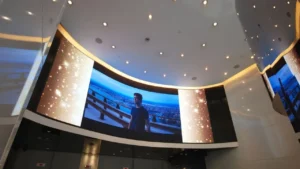
- Digital Signages
- Automotive Dashboards
- Medical Displays
FAQs
Is LED backlit display good?
Yes. Displays reliant on LED backlighting offer greater brightness and picture clarity. This explains the universal shift from CCFL backlighting. These displays also exhibit lower power consumption and can achieve unrivaled thinness.
What is the difference between led and lcd backlit screens?
LED backlit screens simply have LEDs as the primary light source. LCD backlit screens, on the contrary, rely on either LED or CCFL backlighting. However, the vast majority of modern LCD screens utilize edge-lit or direct-lit LEDs.
What does led backlight do?
LED backlight is generated once the LED modules positioned behind or along the edges of LCD panels are lit up. This light is then conveyed to the LCD panels where its passage is regulated resulting in the lighting up of the images they generate. This allows you to view bright visuals with greater color clarity.
How long do backlight leds last?
Although the service life you get from the LED backlights in your display depends on usage conditions, most LEDs can serve you for up to 11 years. This is the equivalent of 100,000 hours of use. However, backlight LEDs of a relatively lower quality often last approximately 30,000-hour life cycles.
Conclusion
Displays play a crucial role in everyday life. Be it providing entertainment on your TV or displaying key patient information on a hospital monitor, their essence is indispensable. Their effective operation is pinned on LED backlighting as evidenced by this article. This backlighting technology makes it possible for you to spend hours on your TV, smartphone, or desktop monitor without straining your eyes.