









iPhones with LED-Backlit LCD Displays
Early iPhone models (2007–2017)
• Original iPhone, iPhone 3G, iPhone 3GS
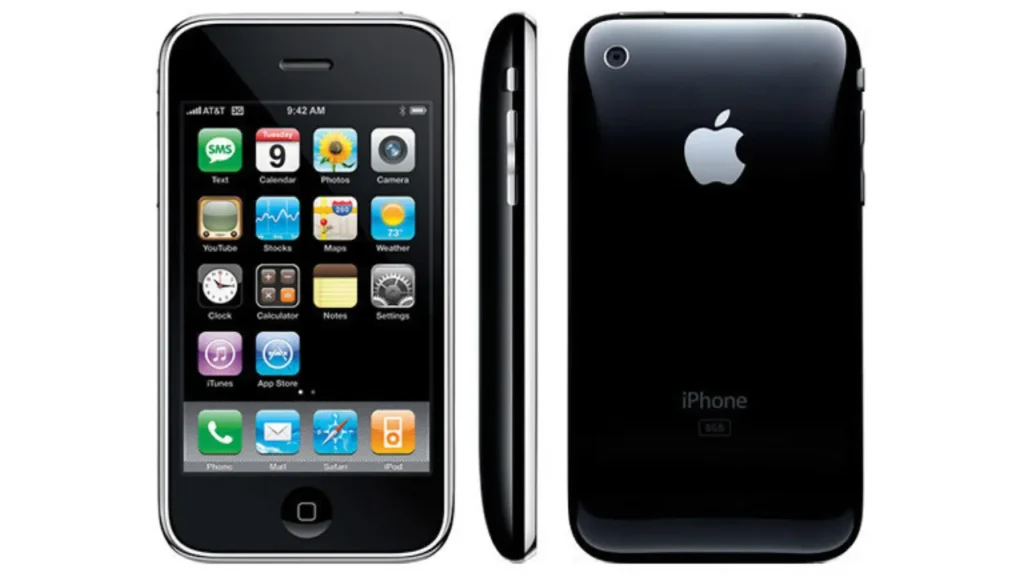
The iPhone 3G, 3GS and the first-generation iPhone have LED-backlit LCD screens which are 3.5 inches big and have a resolution of 320×480. Though these displays are bright and colorful, they do not match today’s high standards for sharpness and contrast. Modern LED backlights give them an energy advantage over older types of backlighting.
• iPhone 4 and iPhone 4S
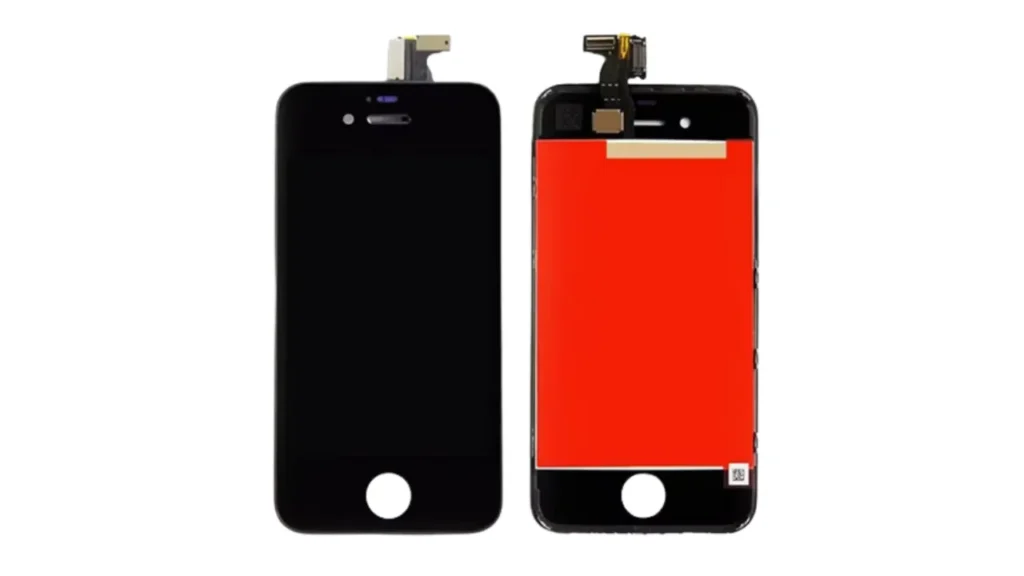
The iPhone 4 and 4S had noticeably clearer displays because of the introduction of the Retina display by Apple. With the higher pixel density offered by 960×640, the experience on the 3.5-inch screen is sharper and clearer. The new models have better contrast and wider viewing angles than their previous versions.
• iPhone 5, iPhone 5C and iPhone 5S
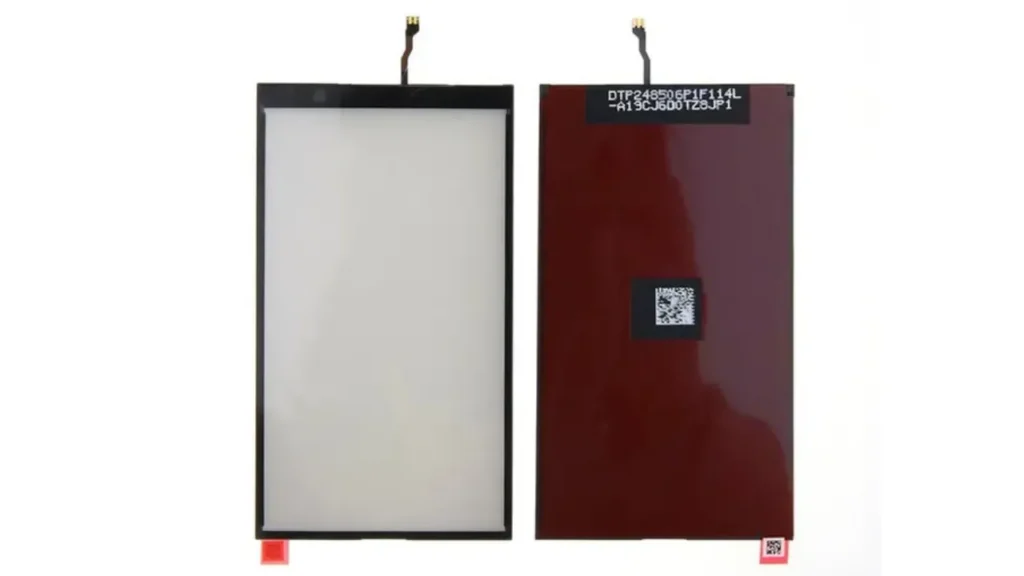
The display on the iPhone 5, 5C and 5S is a 4-inch LED-backlit LCD Retina screen that offers improved visuals. You get better detail with the higher 1136×640 resolution used for video, gaming and reading. Their slimmer and brighter displays make them brighter outside and consume less electricity.
• iPhone 6, iPhone 6 Plus, iPhone 6S, iPhone 6S Plus
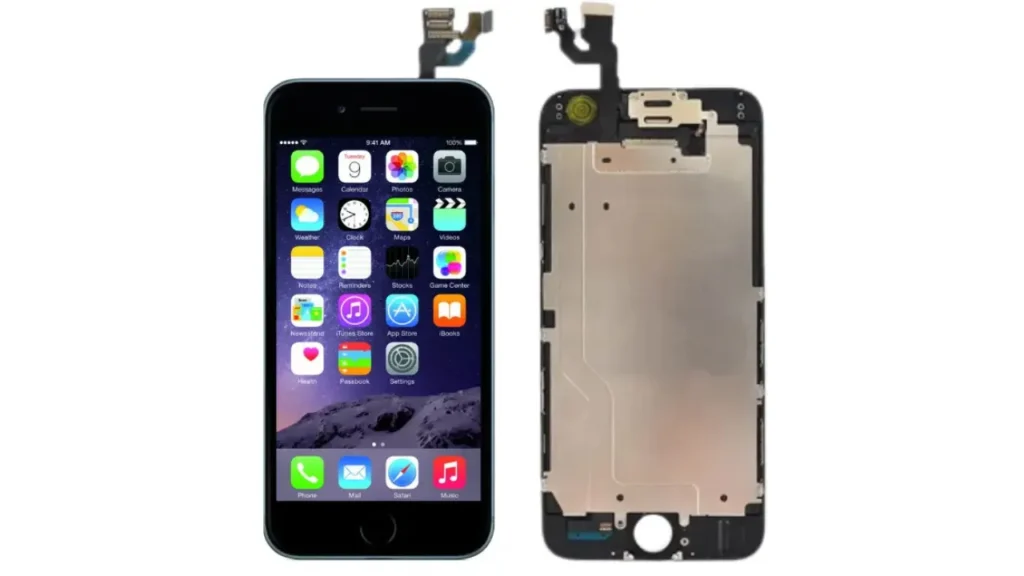
The larger screens of the iPhone 6 and 6 Plus are followed by the 6S and 6S Plus, whose displays all use the Retina HD technology with LED backlighting. Sizes are 4.7 and 5.5 inches and up to 1920×1080 resolution in the latest phones. Displays with these advanced technologies have better color depth, brighter light and wider viewing angles.
With the 6S series, 3D Touch is introduced, allowing pressure sensitivity. Despite using LCD technology, this period offers improved features for enjoying multimedia, browsing and playing games through a larger and more responsive display.
• iPhone 7, iPhone 7 Plus
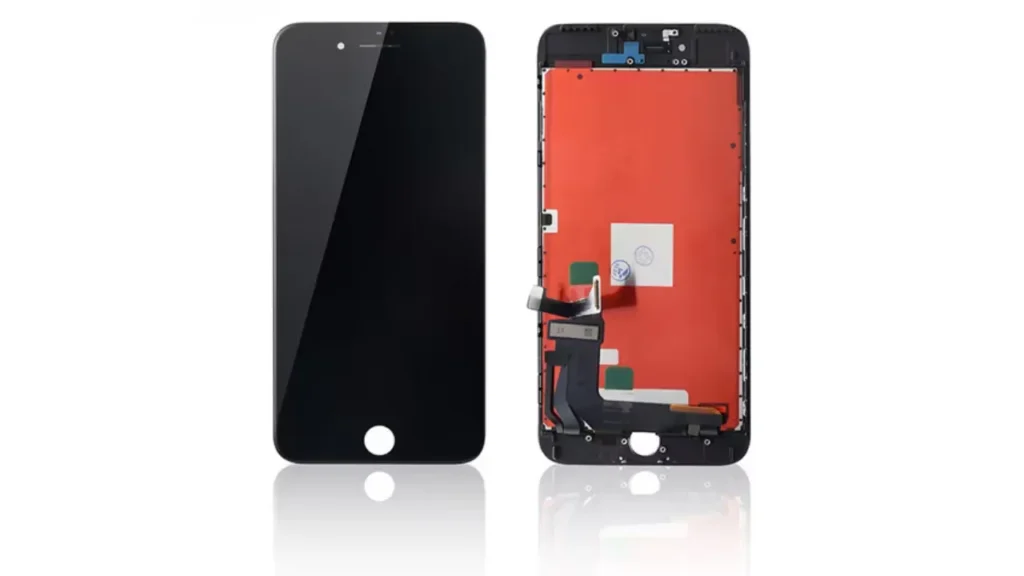
The iPhone 7 and 7 Plus are brighter than previous models and have a larger color gamut because they use LED-backlit LCD Retina HD displays. With 4.7- and 5.5-inch screens, you get 625 nits brightness and excellent contrast for clear viewing in sunlight. Support for DCI-P3 color space is now available in Apple’s products, making them much more colorful and realistic.
• iPhone 8 and iPhone 8 Plus
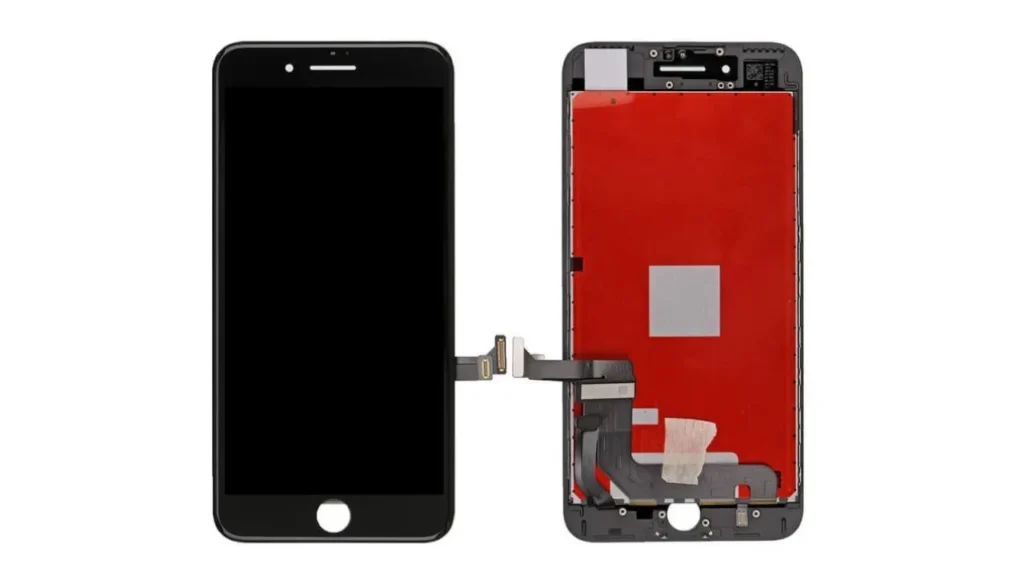
iPhone 8 and 8 Plus offer True Tone for a better display experience, while their screens are still classic LED-lit Retina HD ones. These displays constantly change white balance to match the light conditions in the room which helps protect your eyes. The screen sizes stay the same, at 4.7 and 5.5 inches and now support wide color (P3) and brighter panels.
Despite Apple switching to OLED in the iPhone X, these LCD models are still chosen for being color accurate and more affordable. The displays are dependable, bright and energy-efficient which is perfect for daily use.
Models from 2018 to 2020 that have LCD displays
• iPhone XR
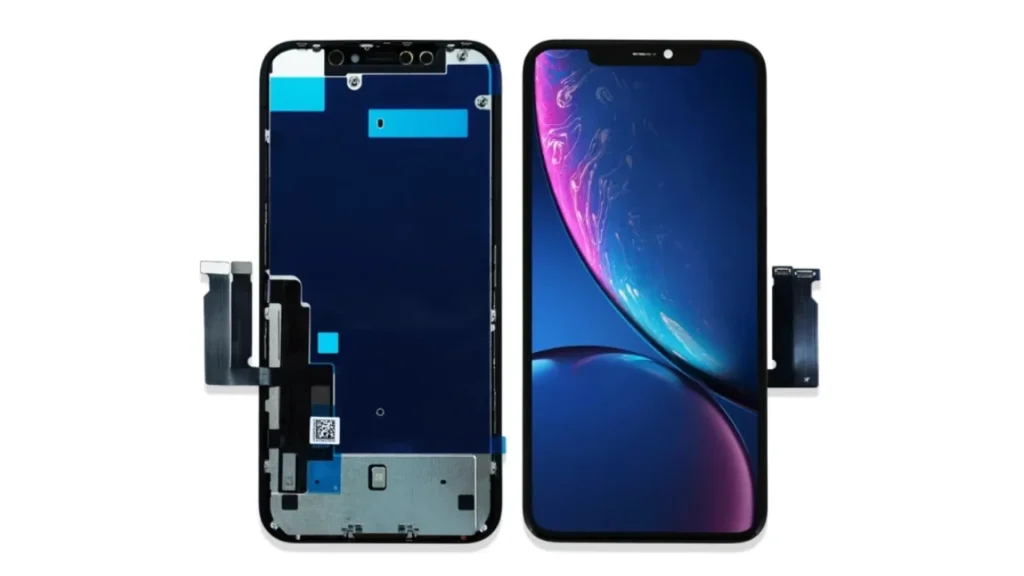
iPhone XR customers get a 6.1-inch Liquid Retina LED-backlit LCD screen with a resolution of 1792×828. Even though it doesn’t achieve OLED’s deepest blacks, it makes colors look vivid, adds wide color support and comes with True Tone for adjusting light depending on the environment. You can get both a big screen and great colors here for less than you would pay for an OLED panel.
• iPhone 11
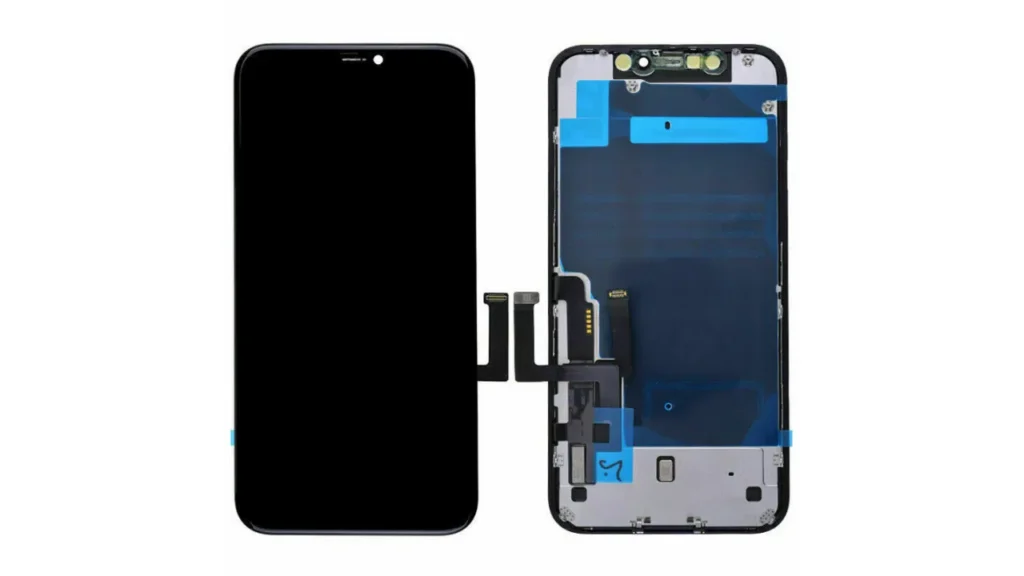
The iPhone 11 has a 6.1-inch Liquid Retina display, just like the XR. It utilizes True Tone, has broad color options and features a contrast ratio of 1400:1. While it isn’t as clear as OLED, the screen looks good, is bright and covers most uses. If these features are important to you and you don’t need an OLED, this is an excellent option.
• iPhone SE (2nd generation, 2020)
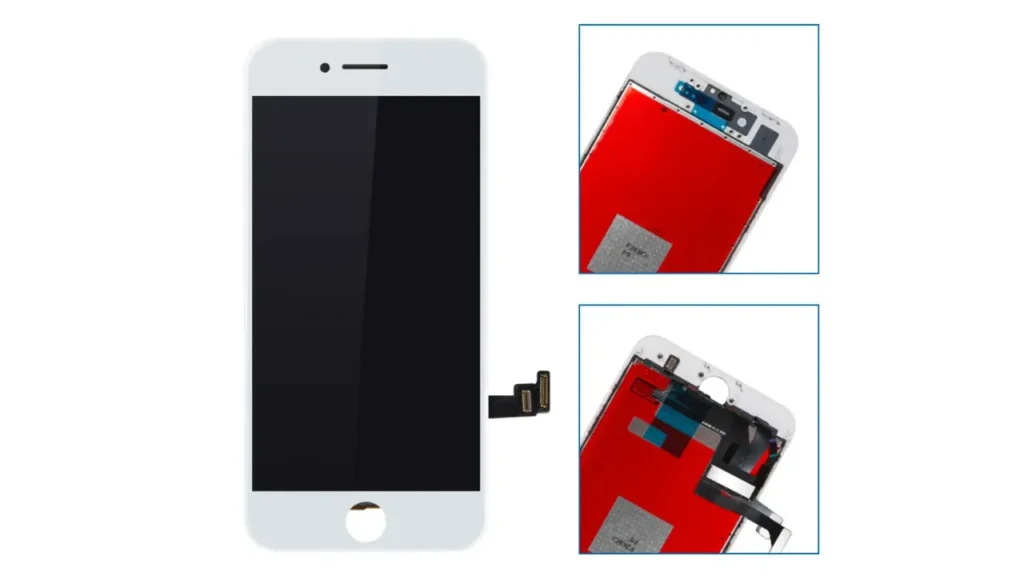
Just like the iPhone 8, the iPhone SE (2020) has a 4.7-inch Retina HD LED-backlit LCD display. This device is equipped with True Tone, wide color (P3) and 625 nits for clear and vivid pictures. Though its pixels and display are not as clear as today’s phones, it is strong for day-to-day tasks and single-hand use.
iPhones Featuring OLED Displays
• iPhone X, XS, XS Max
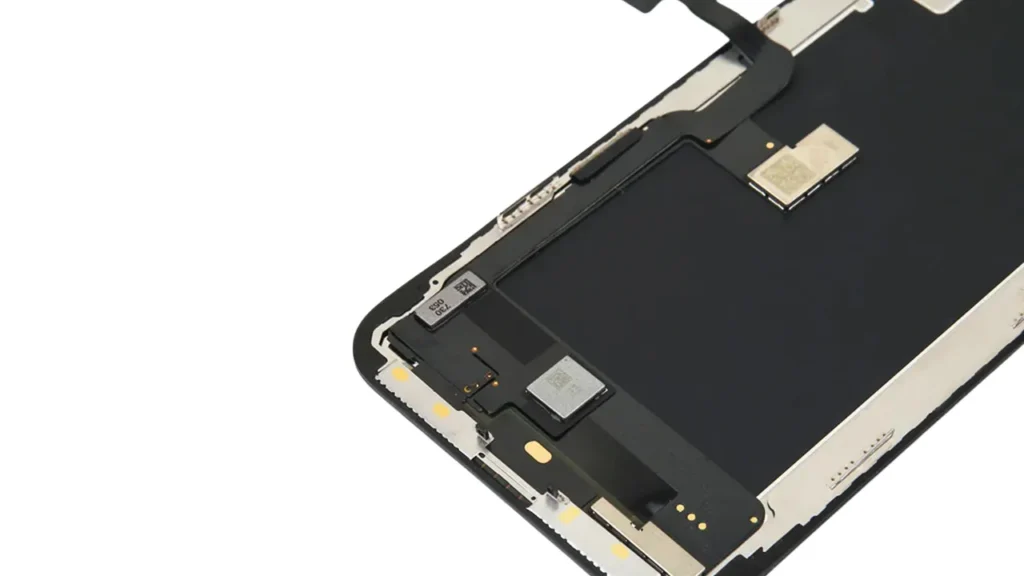
The iPhone X with Super Retina HD is the first iPhone by Apple to boast an OLED display, giving it richer blacks and a greater contrast. The XS and XS Max took it further by improving HDR and brightness. You can experience true, deep colors with OLED and it is more energy-efficient, with no issue of backlight leakage.
• iPhone 11 Pro, 11 Pro Max
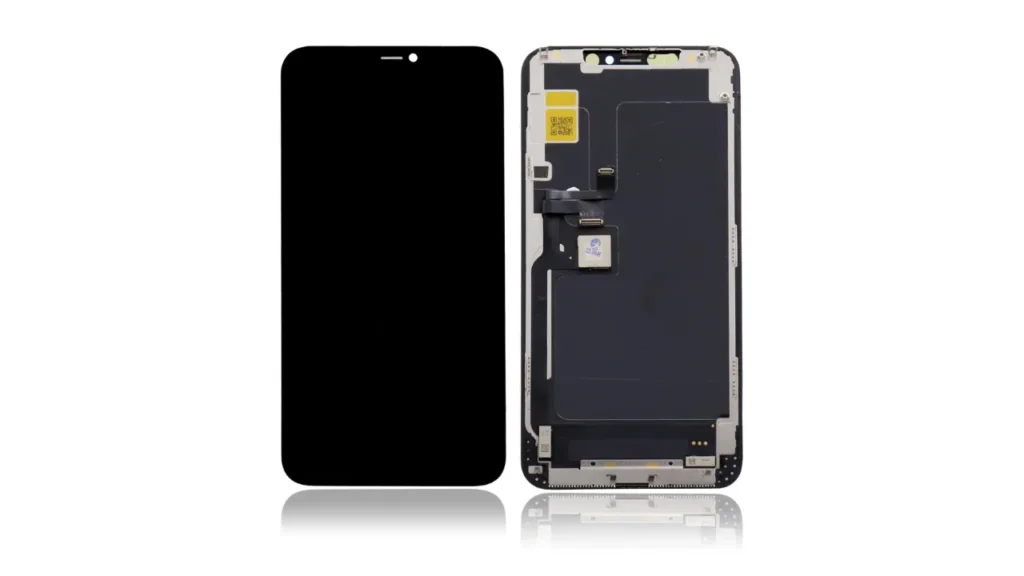
With the iPhone 11 Pro series, you get the improved Super Retina XDR OLED display. It makes the images brighter, increases the contrast and improves the TV’s HDR performance. It offers excellent prospects for those who value breathtaking pictures, accurate colors and true black shades.
They provide 800–1200 nits brightness and use less energy, so they can play Dolby Vision and HDR10 formats. When you switch from an iPhone 11 with an LCD screen to the iPhone 13, you can see much clearer images, wider range of colors and lower battery consumption.
• iPhone 12, 12 mini, 12 Pro, 12 Pro Max
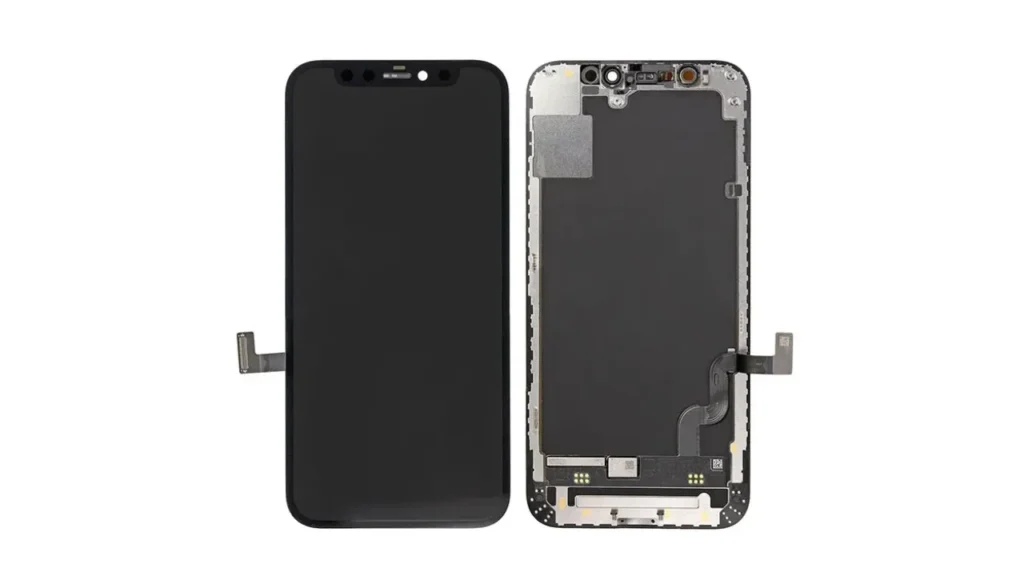
All iPhone 12 models are equipped with OLED. Super Retina XDR is used in the iPhone 12 and 12 mini, just as it is in the iPhone 12 Pro models. You can still use edge-to-edge brightness, HDR10 and Dolby Vision features, making the picture strong no matter how small the TV is. Non-Pro versions now feature OLED screens for the first time with Apple.
The outcome is displays that are bright and eye-catching, with less space around the edges, better color accuracy and smooth performance no matter the lighting.
• iPhone 13, 13 mini, 13 Pro, 13 Pro Max
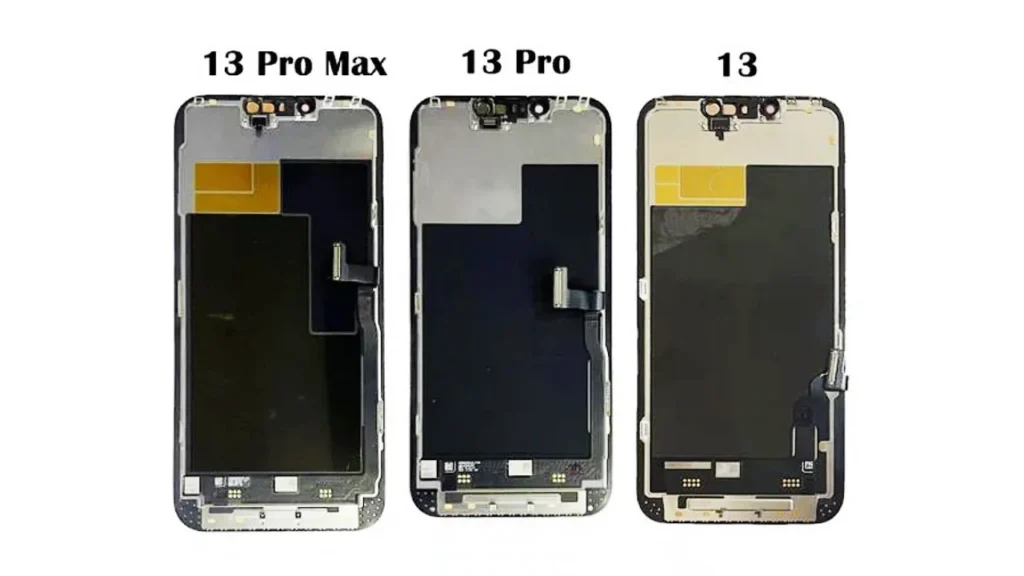
The OLED displays in the iPhone 13 series are brighter than before. Super Retina XDR displays are capable of sustained brightness (up to 1000 nits) which is great for people who use their devices while they are out. Scenes that require a lot of scrolling benefit from the 120Hz refresh now available on iPhone Pro models.
When viewing HDR content or editing images, you will notice how responsive the touch is and how good the contrast looks. You’ll notice that Apple’s updates provide improved angles and efficiency, so you always get accurate and comfortable colors, whether they’re on your desk or not.
• iPhone 14, 14 Plus, 14 Pro, 14 Pro Max
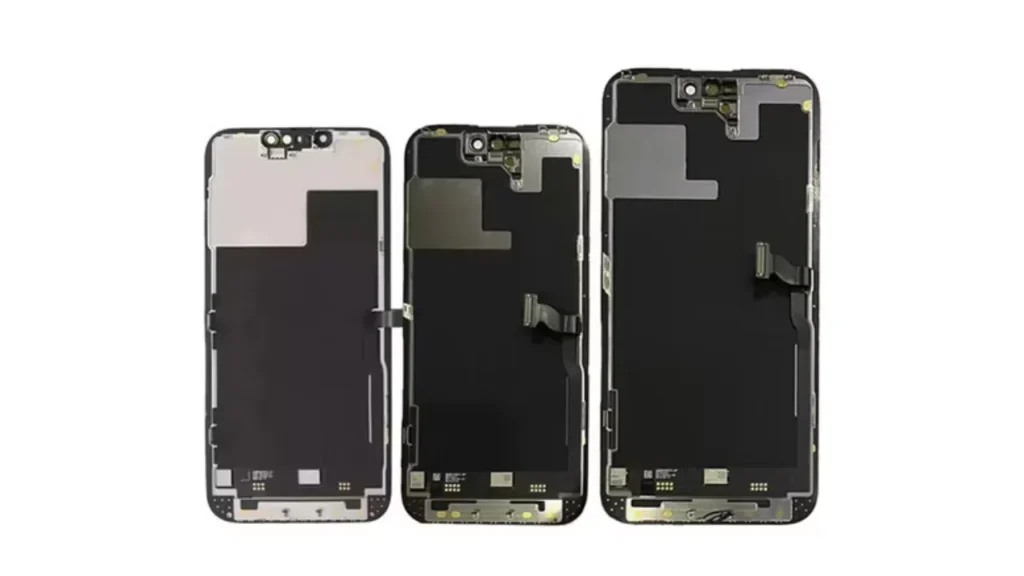
All the models offer reliable OLED TV performance. These phones offer fantastic displays with superior brightness and contrast from the Super Retina XDR technology. You can get an Always-On Display and Dynamic Island on Pro versions for a more interactive experience.
It reaches up to 2000 nits at its brightest point in sunlight. No matter if you game, stream or do other tasks at once, these displays provide outstanding clarity and depth. The OLED displays used in Apple products are considered top of the list for everyone from ordinary users to professionals.
• iPhone 15, 15 Plus, 15 Pro, 15 Pro Max
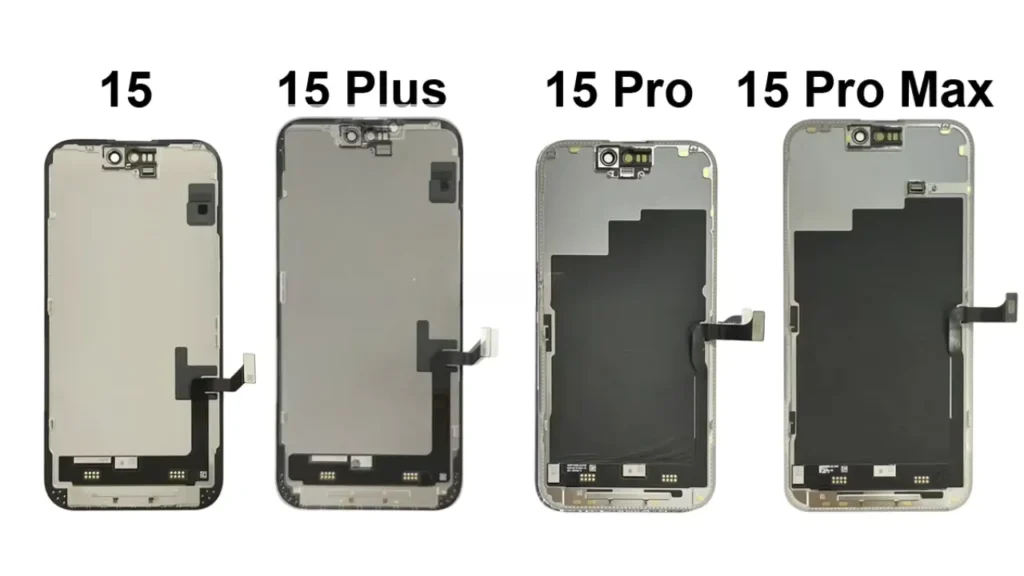
All models come equipped with advanced OLED displays that have Dynamic Island. ProMotion technology and a fluid user experience are kept in the Pro series which also give users more power efficiency and a brighter screen. Apple uses LTPO technology to manage refresh rates and save energy from the battery.
The new Super Retina XDR display ensures the colors are rich, blacks are dark and motions are sharper. You can enjoy creative activities and watch media with ease, thanks to the impressive screen technology in these displays.
• iPhone 16, 16 Plus, 16 Pro, 16 Pro Max and iPhone 16e
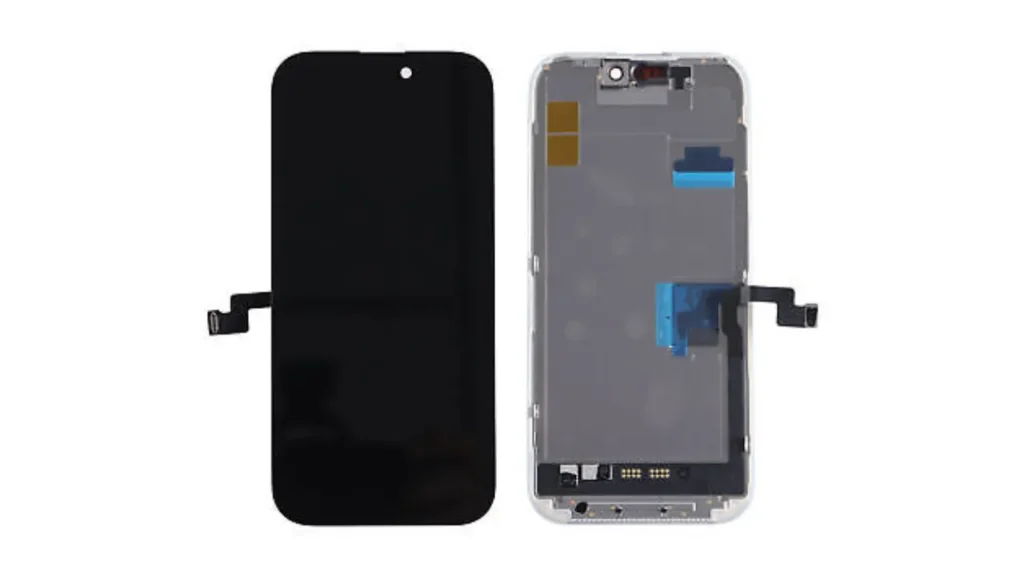
You can expect future iPhones to feature OLED displays that are better than what is currently available. The Pro variants may come with brighter, more efficient OLEDs and thinner bezels. ProMotion and Always-On Display are kept for improved performance.
The new 16e is likely to feature OLED screens, letting more people enjoy outstanding visuals. Whatever you use your laptop for, its display provides first-rate image quality, rich colors and power-saving features.
iPhones That Use OLED Displays (for context)
• iPhone X
OLED was introduced in the iPhone X, Apple’s big move forward in design and display. With this new Super Retina HD OLED, you can expect deep blacks, vibrant hues and sharp contrast. By removing the home button and adding edge-to-edge design, the phone makes it easier to enjoy immersive content.
New display standards have been set for Apple by the iPhone X because of HDR10 and Dolby Vision. OLED displays became standard in Apple’s top smartphones at this point.
• Specific models: iPhone X, XS, 11 Pro Series, 12 Series and newer
All flagship iPhones from the iPhone X onward use OLED displays. This applies to the iPhone XS, XS Max, 11 Pro and 11 Pro Max which enhance the brightness and detail of HDR images. OLED is now featured in the non-Pro versions too, as seen in the 12 and 13 mini since the iPhone 12.
• Highlight the Shift to OLED in Flagship Models
Apple is now choosing OLED technology for its flagship phone models to offer better viewing results. Apple focused on deep contrast, accurate colors and battery performance when creating the iPhone X. The Super Retina XDR display Introduced in the iPhone 11 Pro series stays in line with previous trends.
Starting with iPhone 12, all models from Apple have OLED, not only the Pro versions. You get sharper images, fluid motion and screens that reach all the way to the edges. It demonstrates that Apple is investing in top-quality screens for all its products.
Why Apple Still Offers LED in Some Models
· Cost-effectiveness for Budget Users
Apple uses LED-backlit LCD displays in models such as the iPhone SE to give consumers an affordable option. You get solid results and pay less for them, so these phones are popular among users who care about cost. LCD is easier and less costly to make than OLED, allowing Apple to sell its products at a good price and maintain quality at the same time.
Having a few models that feature LED screens helps more people purchase iPhones, even if they have less money to spend.
· Familiarity and Simplicity for Casual Users
For users who want something straightforward and familiar, LED displays are still a good option. The look of the screen is just like older iPhones, making it less confusing if you’re upgrading from one of those earlier devices. Most displays feature good clarity, sufficient brightness and decent responsiveness for activities like browsing or texting.
People not interested in HDR or other premium features will find LED displays adequate. Since the display stays the same, users can quickly get used to it.
· Battery Efficiency for Low-brightness Usage
If you generally use your device in a dim setting, LEDs save you more battery power. You do not need to use the power-saving OLED modes because your device can use less power before needing a charge. Even though OLED is known for its excellent lighting pixels, LED screens still work well for everyday use when on energy-saving mode.
Providing display models based on LED allows Apple to address those users who want longer battery life and are not concerned about high contrast or brightness.
Conclusion
You are now aware of which iPhones have LED screens and the reasons behind Apple’s decision. Whether you’re looking for an iPhone that’s affordable or easy to use, Apple has an option to meet your needs.