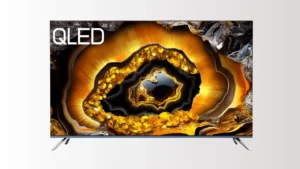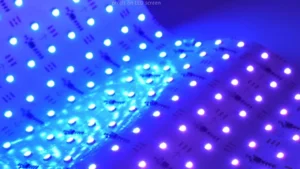











What is an LED Screen?
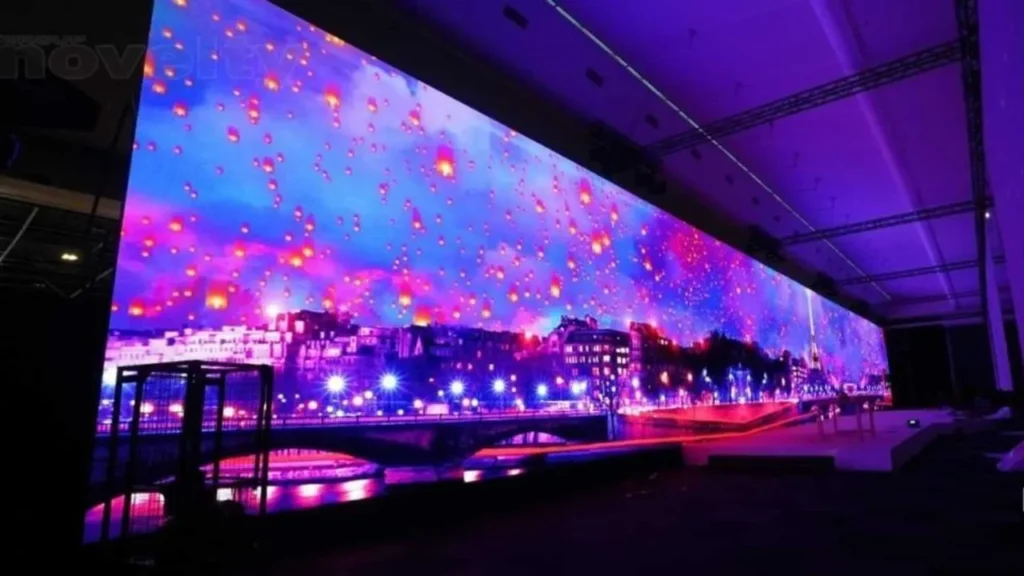
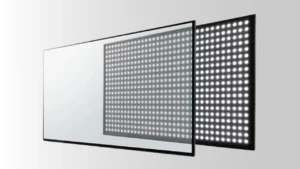
The LEDs are illuminated on an LED screen and produce visuals in an image. Images are formed from tiny pixels of red, green, and blue LEDs. How do LED screens work? They change brightness and color until they form pictures. It is durable, visually stunning, and energy-efficient for professionals like you.
Core Components of LED Screens
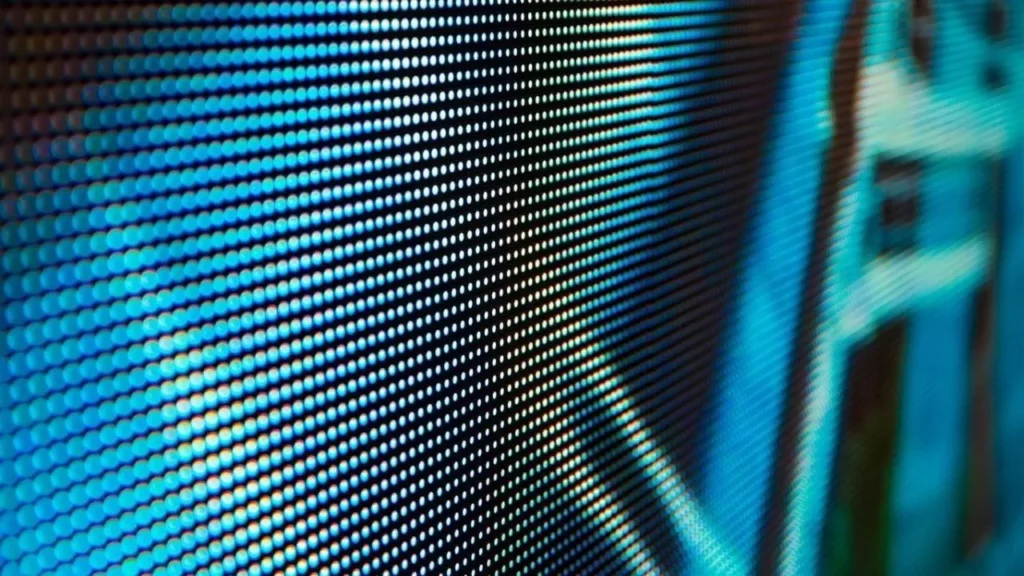
- LED Modules
The screens are the heart of your screen. Small LEDs lit each pixel to generate a sharp, bright screen for architectural billboards or corporate presentations.
- Driver ICs
Small things like this are the conductors of an orchestra, making sure each LED is precisely as it should be. If you are fighting to impress your clients or your audience at the event, then constant accurate screen color is essential.
- Power Supply Units
The power source is your screen. No matter who you are presenting for or hosting the live event for, it keeps running smoothly. Your issue of peace of mind is solved with reliable power.
- Control Systems
These minds control everything. Once you have these systems, your marketing campaign or live broadcast will work perfectly.
- Structural Frame or Cabinet
This is your screen’s primary structure and will secure everything in place. For endurance, whether you’re putting it up indoors or out during the outdoors.
- Cables and Connectors
These are hidden champions whose performance is being shadowed by everyone. With high-quality cables, your screen can provide flawless visuals.
- Cooling System
Overheating your screen shouldn’t be a problem because it will continue to run smoothly for hours. It is a built-in safety net for your investment and display.
How Do LED Screens Work

- Light Emission in LEDs
Light-emitting diodes (LED) are the light source that has created bright and vibrant visuals for LED screens. Electroluminescence is only used when the light emitted is passed through all of it by an electric current. You’ll also see that LEDs are energy-efficient and can produce colors. It is an ideal way to use it as an outdoor billboard or an indoor display. LED lights are not just materials that you choose to improve the aesthetics of your ongoing projects and issues; rather, it will depend on the quality of materials used for LEDs that will dictate how bright the LED lights will be and the color accuracy of the lights.
- Pixel Formation
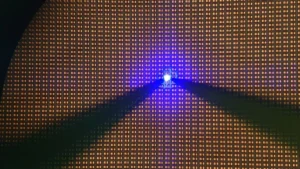
Your LED screen consists of red, green, and blue pixels. You can make millions of shades and hues by making or not making an intensity of the colors. They are small dots you see when you look closely, although from afar, they seem one—clean and detailed images. Resolution, also known as the pixel pitch, is a viewer determined by the density of these pixels. For more minor things, such as devices, the smaller pitch will have a higher resolution since it is closer to the eye, but a larger pitch would be better for that kind of thing that is not so close to the eye, like a billboard being viewed from further away.
- Display Configuration
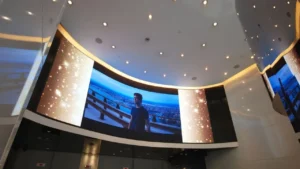
LED screens are incredibly versatile. You can configure them in any number and shape that you need. Whether you are showing a curved video wall for a user-immersive experience or a massive outdoor display for an advertisement, we will use modular panels. This is how you can adjust the screen or screen in your environment, such as a corporate lobby or event. Customizing everything and dedicating it to the point that your content will never look its best anywhere you show it.
- Control Systems
Your LED screen uses control systems. Handle the content and indicate to the LEDs what is being displayed from them. These systems have functions that allow you to control the brightness, contrast, and color balancing so that visuals do not look out of place or crummy in any lighting. Even advanced control systems, such as real-time content updates, perfectly match live events or advertising. But if you are tech-dependent, this is a cinch. It’s easy to use, and don’t have any problems adding the screen to your projects.
Conclusion
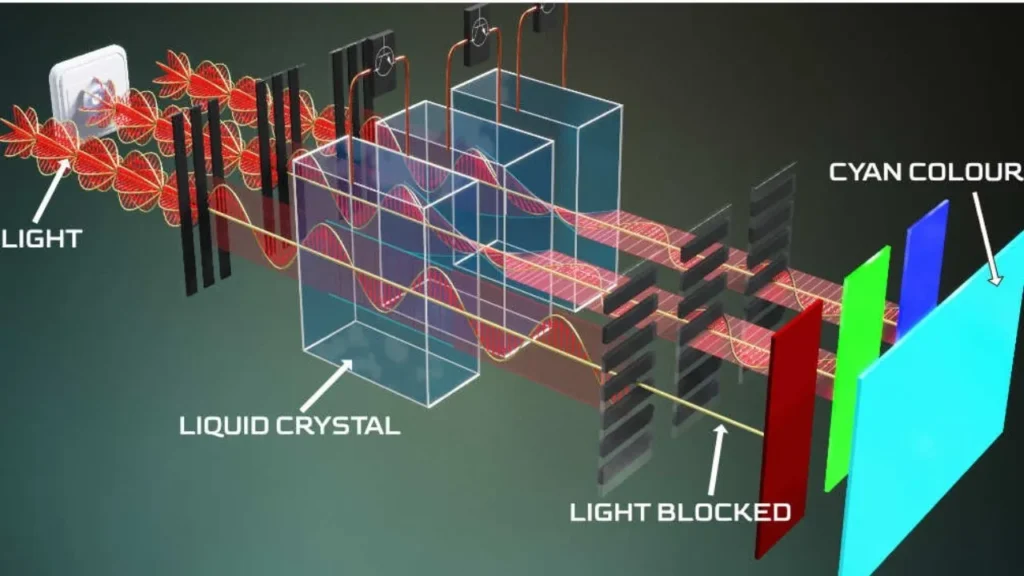
Using tiny LEDs, LED screens can generate bright and customizable screens. In the ads campaign, events, and businesses, the intelligent systems control them. As one of the most dedicated LED display manufacturers of high-quality products in China, IvanLED is meant for any occasion, from promotions to presentations.
FAQs
Are LED screens susceptible to image retention or burn-in?
No! LED screens are designed to be free of burn-in so that static images will stay available on your screen without worry.
Can LED screens be used in curved or flexible installations?
You can manipulate the shape of LED screens using your creativity parameters. You can build anything from a curved video wall to a unique shape for an event and impress the audience.
What differentiates an LED screen from an LCD screen?
Tiny energy-efficient diodes light up the visuals on your LED screens, while LCDs use a backlight. The better option is that LEDs emit brighter colors, provide more profound contrast on the devices, and are more flexible. However, they are used in gigantic billboards and sleek indoor displays.
How do LED screens handle different input signals?
LED screens are super adaptable. They can be hooked to nearly anything, such as HDMI, USB, or live feeds. Your content will always be perfect for events, presentations, and advertising with them.