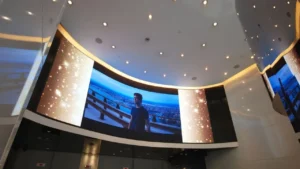











What is IPS Display?

IPS also known as In-Plane Switching is a unique display panel Technology. This technology is used in liquid crystal displays or LCDs. IPS was developed to replace older LCD technologies that have numerous limitations. This was mainly the Twisted Nematic or TN panels, which had bad color reproduction and restricted angles of viewing.
What is LED Display?
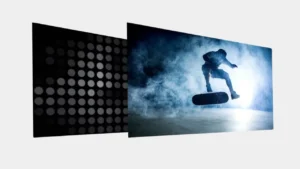
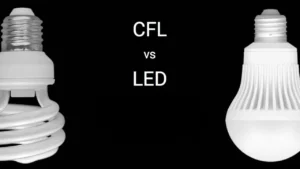
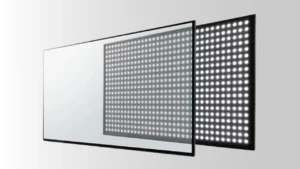
Light Emitting Diode displays or LED displays refer to panels that are illuminated by LED backlighting. It is not like the traditional Cold Cathode Fluorescent Lamp or CCFL lighting. LED is a type of light source used behind liquid crystal displays or LCD panels. So, it isn’t a Display panel type like IPS is.
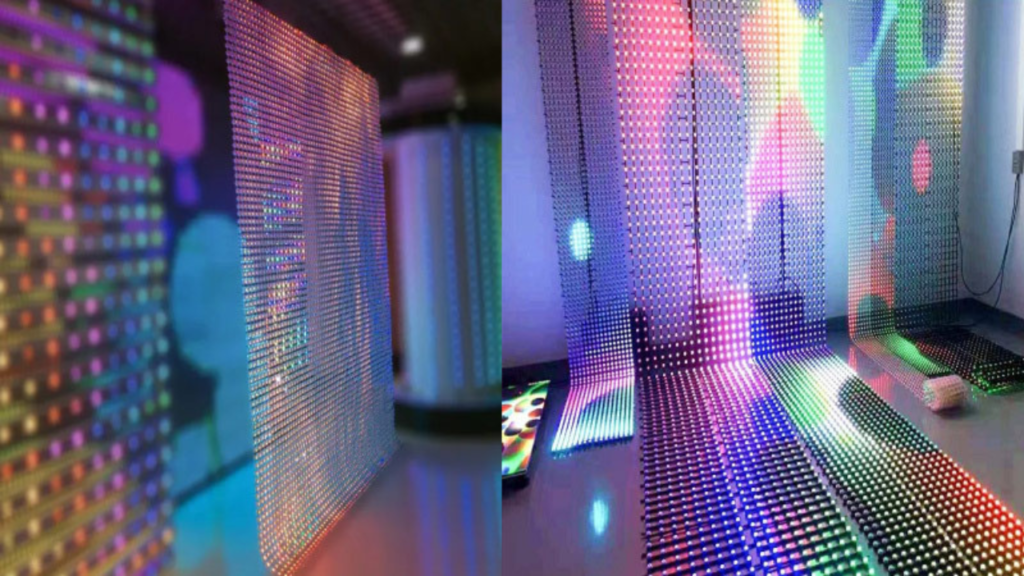
Differences between IPS and LED Displays
Below, IPS and LED Displays differences are stated for your understanding and clarity:
· Display Technology
IPS – IPS display is a panel technology type that determines the arrangement of liquid crystals and responds to electric signals.
LED – LED is that backlighting form used in liquid crystal display panels, including those that have vertical alignment (VA), IPS, or TN technologies.
· Working Principle
IPS – This display type works by aligning liquid crystals in line with the screen’s surface, which rotates in a horizontal way to show forth light and keep color fidelity.
LED – LED makes use of diodes that emit light to illuminate LCD panels from behind or it’s edges. This replaces earlier CCFL backlights.
· Viewing Angle
IPS – IPS offers you with the best viewing angles up to 178°. These viewing angles come with reduced color distortion. This ensures you have clarity even from almost any direction.
LED – Ideally comes with varying viewing angles based on the panel type. TN panels show vibrant and clear color and contrast shift with off-center viewing.
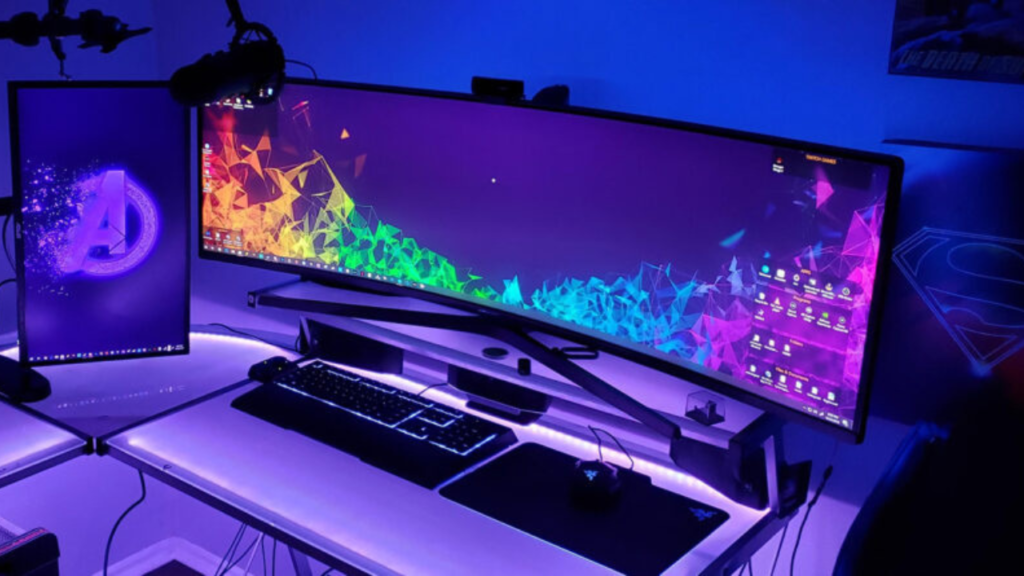
· Screen Resolution
IPS – Mostly provides you with crisp visuals and higher screen resolutions with superior pixel accuracy.
LED – Its screen resolution depends on the LCD panel type that is used. Not all LED-backlit monitors can provide you with high resolutions.
· Display Price Range
IPS – The cost of IPS is mostly higher due to its advanced technology and great performance in color and viewing angles.
LED – LED is more budget-friendly, particularly when you pair it with TN panels. This makes them accessible for general use or purposes.
· Energy Consumption & Efficiency
IPS – IPS mostly consumes a lot more power because its crystals require backlighting that is stronger and alignment that is very complex.
LED – LED is highly efficient in terms of energy usage, ideally in edge-lit models that utilize fewer LEDs.
· Refresh Rate
IPS – Older versions had slower refresh rates and response times. However, newer IPS panels are able to achieve up to 240Hz.
LED – Is able to offer high refresh rates based on the panel being used, particularly in TN models designed for gaming purposes.

· Color Accuracy
IPS – Famous for its ability to reproduce consistent and precise color. This makes it perfect for color-critical uses.
LED – It comes with varying color accuracy. TN panels are mostly behind, while LED displays using VA or IPS panels provide you with the best performance in color.
· Service Lifespan
IPS – This display lasts long and has an ideal lifespan of 50,000 to 70,000 hours, which mostly outlasts cheaper options.
LED – Durable as well, with the same or longer lifespan based on usage and quality of build.
· Display Uses
IPS – Ideal for tasks that require color fidelity and details. These include film editing, digital art, and medical imaging.
LED – Perfect for casual use, gaming, and business environments, particularly when adjoined with TN panels.
FAQs
IPS Display vs LED; Which is Better for Eyes?
IPS are gentler on your eyes than LED is.
Between IPS and LED; Which is Best for Gaming?
Due to the TN panels that LED monitors have, they are ideal for competitive gaming.
What is the Disadvantages of IPS LCD?
IPS LCD generally costs more than TN panels do, and they have a slightly higher rate of power consumption.
What are the Limitations of LED Monitors?
The display quality of LED monitors are dependent on the specific LCD used (IPS vs. TN). Also, edge-lit LEDs might come with issues like uneven brightness and backlight bleeding.
Conclusion
As you can see, both the IPS display and LED displays have unique features. Therefore, you must know where you intend to use the display before choosing any technology.
At IvanLED, we are your trusted partner in all LED display manufacturing in China, for any inquires, contact us now.