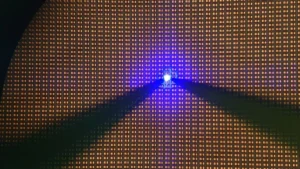












What is Candela?
Candela, also called candlepower, is measured in cd according to the International System of Units (SI). It is always used to measure a screen’s or lamp’s light intensity in a specific direction. For example, 1 cd refers to the in a certain direction, light intensity emitted by a light source equal to that of a standard candle.
Candela focuses on how strong the light is in one direction, which is why it’s commonly used for applications needing directional lighting, like LED screens, flashlights, automotive lights, and stage lighting. It is also often used in astronomy to measure the intensity of light emitted by stars.
What is Lumens?
Lumens refer to the total quantity of visible light emitted by a light source, which has the SI unit of lm.
Unlike candela, lumens measure the light emitted in all directions. Generally speaking, the higher the lumens, the more light the source emits, and the brighter it is.
Lumens and candela can be used together to describe a light source’s luminous flux and luminous intensity, and they don’t conflict. For instance, a lamp has a luminous intensity of 2 cd in a specific direction and a luminous flux of 10 lm.
What is Lux?
You will see a difference in brightness if two lamps with the same luminous flux when placed in a 1 m² room compared to a 200 m² room. Therefore, lux is needed to quantify brightness over a specific area. Lux refers to the lumens per square meter, and is also the SI unit used to describe luminous flux. In other words, 1 lux means a light source provides 1 lm of luminous flux per square meter.
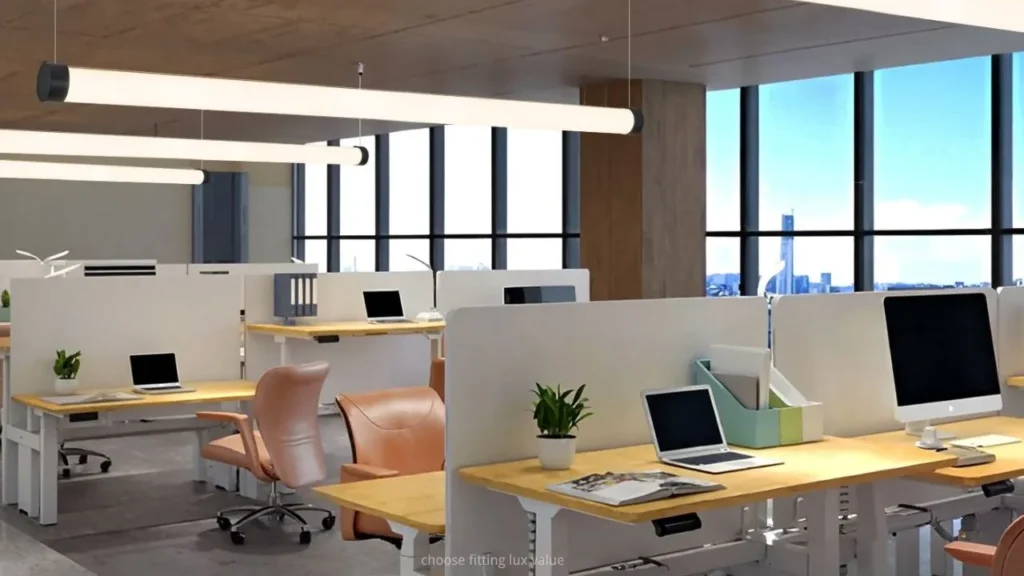
Using lux as the unit, you will find it much easier to measure the brightness needed for a room. For example, a typical office requires an illuminance of 500lux. If your office is 20 m², you need at least 10,000 lm of total luminous flux.
Difference Between Candela, Lumens, and Lux
Measurement Content
Candela emphasizes the intensity of light in one direction, while lumens and lux refer to the amount of light. When you add or remove lamps with the same lumens in a room, the total light flux and lux will change, but the light intensity remains basically unchanged.
Measure Direction
Candela only measures the intensity of light in a specific direction, even if the light source emits light in all directions. In contrast, lumens represent the total light emitted by a light source, whether it is a point source or an area source. While flux is used to measure the light falling on a plane perpendicular to a specific direction, it also has a certain directionality.
Visual Effect
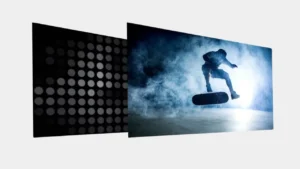
A higher candela value means the beam is more focused and the light appears brighter. For an LED screen, higher nits (cd/m²) make it appear clearer from a long distance outdoors. For car lights, with the same lumens, a higher CD provides a clearer illumination range.
Lumens and lux can also determine the brightness of light you perceive. The difference is that lumens and lux refer to the total light output. For the same size of the area, the higher the received luminous flux, the brighter the illumination.
Usage Scenarios
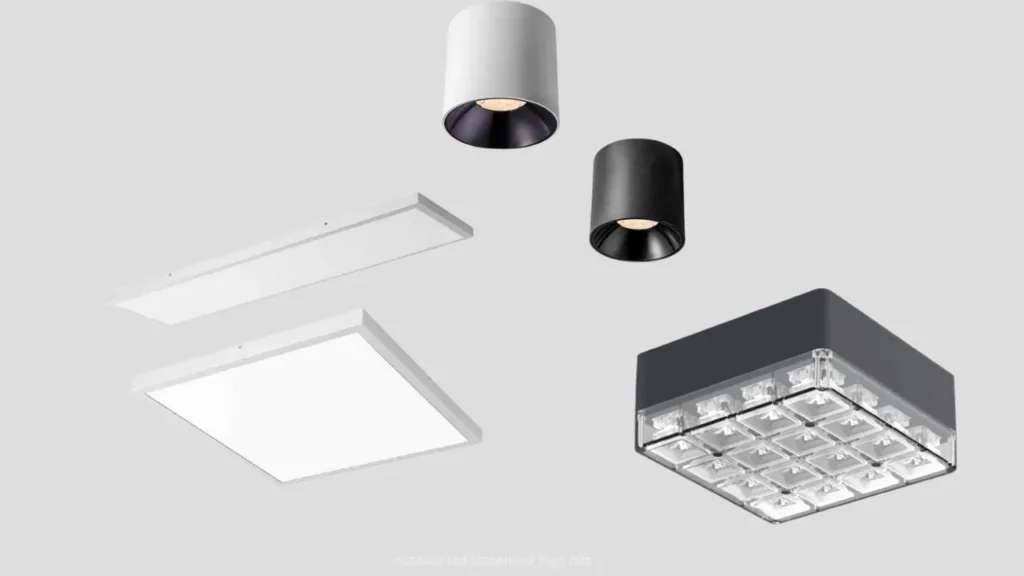
In most cases, candela is used to describe light sources that require directionality, including outdoor LED screens, flashlights, car lights, and spotlights, while lumens and lux are often used for indoor lighting. By calculating the total lumens based on the required lux value and room area, it becomes easier for integrators to purchase light bulbs.
What Determines the Intensity of the Light Seen by the Eyes?
Candela, Lumens, and Lux
Candela, lumens, and lux are the fundamental factors that influence how bright a light source appears. As mentioned, the luminous flux directly determines the overall brightness, while the intensity in a specific direction determines how strong the light appears.
Color Temperature
Though color temperature does not directly determine brightness, it can influence the brightness of the lights in your eyes. Color temperature is measured in Kelvin, which is the standard unit used to describe the warmth or coolness of light.
Warm light with a low color temperature, which is typically around 3000K, makes you feel softer and dimmer. On the other hand, the lamps with the same luminous flux, the cool white with a high color temperature above 6000K, appear brighter than warm light. Therefore, if you want your lighting to look brighter, choosing a higher color temperature is a good option.
Beam Angle
With the same lumens, different beam angles can also provide different brightness to your eyes. Narrower beam angles, such as 30°, focus the light, which results in a higher perceived brightness.
Background Brightness
The brightness you see is also influenced by the surrounding illumination, which is also expressed in lux. For example, if the environmental light is only 50 lux, and the light source has a brightness of 300 lux, it will look brighter to your eyes. However, if the surrounding illumination is higher than the light source, it will look less bright, and you may not even notice it.
Illumination Distance
The light spreads out after leaving the source, and it will disperse as the distance increases. Therefore, the farther you are from the light source, the lower the perceived brightness. If you want to install light bulbs on a high ceiling or displays that should be viewed from a long distance, it is advisable to select lights with higher lumens.
Which One Should You Look at During Purchasing: Candela, Lumens, or Lux?
When Should You Pay More Attention to Candela:
Since candela focuses more on the direction of light, you should pay more attention to its value when purchasing highly directional light sources, including:
- Lights designed for long-range illumination, including vehicle headlights, ship lights, handheld flashlights, spotlights, and street lamps.
- Those lights need to focus the beam to highlight some objects, like stage lights and spotlights.
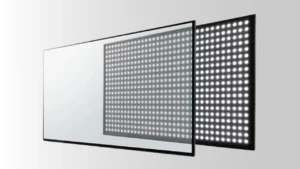
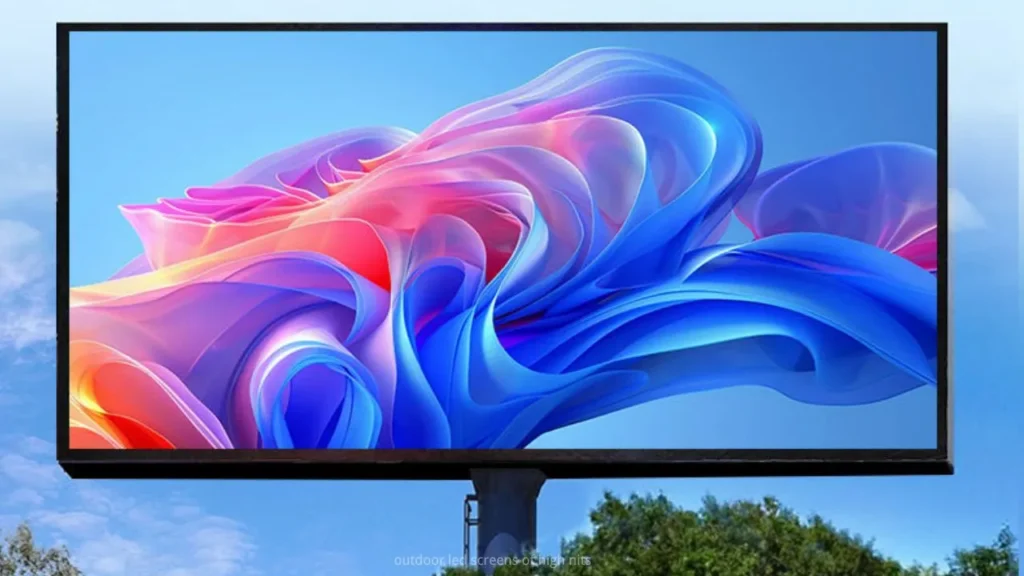
- The LED displays, especially those used outdoors. The sunlight will dim the screen’s brightness. Therefore, you need a stronger brightness to keep them clearly visible.
When Do You Need to Focus More on Lux:
Lux determines the actual brightness you perceive. So in places where you need to maintain a certain level of illumination, the lumens per square meter are more important, such as:
- Some workspaces, such as offices, meeting rooms, classrooms, and workshops.
- Lighting for indoor exhibits, including jewelry displays and museums.
- Some outdoor applications need to consider actual brightness, such as street lamps and tunnel lights, and insufficient illumination may cause accidents.
When are Lumens More Important to Evaluate?
When you want the overall lighting to be brighter or dimmer, you need to pay more attention to the lumens value, including:
- The situations requiring wide-area illumination, such as indoor stadiums, construction sites, and warehouses.
- Some emergency and safety lights, such as corridor lights and emergency exit lights.
- When purchasing a projector or other projection equipment, you should also focus on the luminous flux first.
How to Choose the Brightness of a Display Screen?
Ensure it is in Harmony With the Environment
When purchasing LED displays for a project or for retail, you’d better choose the most suitable brightness rather than simply a brighter one. You may feel glaring when the screen is too bright and not be able to see the details clearly when it is too dim. Select the right brightness based on your specific use case, such as:
- For indoor environments with short viewing distances, like conference rooms or malls, a brightness of 500–1500 nits is suitable.
- For outdoor advertising screens exposed to direct sunlight during the day, you need at least 5000 nits.
Determine the Viewing Distance
As mentioned, the brightness of light decreases as the distance from the source increases. Therefore, when the viewing distance is long, increasing the screen brightness is necessary. For instance, outdoor screens require at least 5000 nits, and if the viewing distance increases by 50 m, the brightness should be raised to around 6000 nits.
FAQs
Why do LED lights have high lumens but low power consumption?
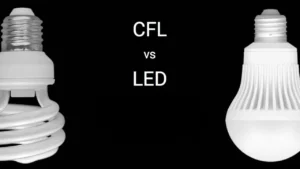
Compared to the incandescent lamps, which generate light by heating a tungsten filament to a high temperature, LEDs use light-emitting diodes and do not need to convert electrical energy into heat to produce light, resulting in minimal energy waste. Therefore, LED lights achieve higher brightness while consuming less power.
How to calculate how many total lumens are needed for an indoor space?
First, find out how much illuminance this area requires and multiply the illuminance by the lighting area (in square meters) to get the total luminous flux needed for this space.
Then, divide by the Coefficient of Utilization (CU) and the Maintenance Factor (MF). CU refers to the proportion of light from a fixture that is effectively projected onto the working surface. It depends on factors such as fixture type, beam angle, and installation height. Meanwhile, MF accounts for factors like lumen depreciation and dust accumulation, and its value is usually around 0.7-0.9.
Do high-power lighting bulbs require additional heat dissipation design?
Yes. For high-power lights, there is still 20–30% of the electrical energy per watt converted into heat. If this heat is not dissipated promptly, continuous high temperatures will accelerate lumen depreciation and significantly shorten the lifespan of LED chips. Therefore, the manufacturers often add aluminum heat sinks during production, and some higher-power ones use fans or liquid cooling systems for heat dissipation.
Final Thoughts: Cooperate with a Reliable Supplier
IvanLED is a professional LED display manufacturer that has over ten years of experience. We wholesale or customize LED displays with different brightness, purposes, and shapes. IvanLED provides screens for you with brightness ranging from 500 nits to 10,000 nits, including those with adjustable brightness. Feel free to contact us for anything related to LEDs!