











What Is LED Display Maintenance?
Every LED display system, regardless of its size or application, requires periodic maintenance. Maintenance involves accessing internal components such as:
LED modules
Power supplies
Receiving cards
Cabling and control systems
When a pixel fails, a module malfunctions, or a power unit needs replacement, technicians must access the display efficiently and safely. That’s where the maintenance design becomes critical.
LED displays are typically designed for either front maintenance or rear maintenance, depending on how access to these internal components is engineered.
What Is a Front Maintenance LED Display?

A front maintenance LED display allows technicians to remove and replace modules or internal parts directly from the front surface of the screen. This is achieved through:
Magnetic modules
Front screws or locking systems
Specialized tools for module extraction
This design eliminates the need for space behind the display, making it ideal for:
Wall-mounted installations
Tight spaces such as elevators, corridors, or control rooms
In-wall or embedded display systems where rear access is impossible
Advantages of Front Maintenance LED Display:
Space-Saving: Only requires installation clearance from the front — perfect for narrow or enclosed spaces.
Efficient Maintenance: Modules can be removed and serviced quickly without dismantling the whole structure.
Aesthetic Integration: Enables sleek, flush installations that blend into architecture or interior design.
Considerations:
Slightly Higher Initial Cost: Due to more complex module structures and magnetic/locking systems.
Special Tools: Some models may require specific tools for safe and damage-free module removal.
Limited Rear Access Options: If full system troubleshooting is needed, front-only access may require more modular disassembly.
What Is a Rear Maintenance LED Display?
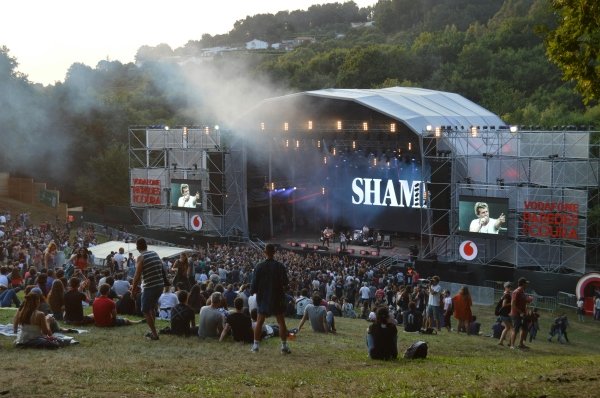
A rear maintenance LED display is designed with access from the back. This means that service personnel must reach the rear of the screen — often from a catwalk, platform, or open backstage area — to replace or repair components.
This traditional method is more common in:
Outdoor billboards and stadium displays
Large venue screens
Temporary setups like stage rentals and event backdrops
Advantages of Rear Maintenance LED Display:
Proven and Simple Design: Long-established standard, with familiar servicing procedures.
Cost-Effective Hardware: Typically less expensive due to straightforward cabinet and module design.
Ideal for Large Screens: In spacious outdoor or industrial installations, rear access is often easier and safer.
Considerations:
Requires Rear Space: Needs maintenance clearance, which may not be feasible in all environments.
Installation Limitations: Cannot be embedded in walls or used in tight interior spaces.
Higher Service Time in Tight Layouts: In locations with difficult rear access, maintenance becomes labor-intensive.
Key Differences: A Side-by-Side Comparison
| Feature | Front Maintenance | Rear Maintenance |
| Access Direction | From the front surface | From the back of the display |
| Space Requirement | Minimal (no rear clearance needed) | Requires significant rear access |
| Module Replacement Time | Quick and efficient | Slower if rear access is constrained |
| Installation Flexibility | Ideal for wall-mount, embedded installations | Suitable for open-air or freestanding setups |
| System Cost | Slightly higher | Lower in most cases |
| Use Cases | Indoor, retail, control rooms | Outdoor, rental, stadiums |
| Aesthetic Integration | High – blends into architecture | Moderate – often requires rear structure |
How to Choose Between Front and Rear Maintenance
Now that we’ve clarified the technical distinctions, here’s how to determine which maintenance type is right for your project:
1. Evaluate Installation Environment
Limited Space? → Go with front maintenance.
Open Access Area? → Rear maintenance is sufficient and more economical.
2. Consider Installation Type
Wall-Mounted or Inset Design? → Front access is a must.
Freestanding or Scaffolded Structures? → Rear access is often easier.
3. Assess Aesthetic Requirements
For luxury retail, corporate lobbies, or broadcast studios, front access allows for clean lines and seamless integration.
4. Plan for Long-Term Maintenance
Will service technicians have safe and reliable rear access years from now?
Are quick repairs important for uptime-sensitive environments (e.g., control centers)?
5. Compare Total Cost of Ownership
While front maintenance displays may cost more upfront, they can save on installation labor and long-term service costs — especially in space-constrained environments.
Practical Examples
Retail Store LED Video Wall
Choice: Front Maintenance
Why: Tight installation against a showroom wall, zero rear access, sleek design required.
Stadium Perimeter LED Display
Choice: Rear Maintenance
Why: Freestanding setup with service lane behind display, cost-sensitive project.
Corporate Conference Room LED Display
Choice: Front Maintenance
Why: Wall-mounted display with no cavity space, clean appearance desired.
Rental Stage LED Display
Choice: Rear Maintenance
Why: Quick assembly and disassembly; rear access easy on scaffolding.
Conclusion
Selecting the right maintenance access method is more than a technical detail — it directly affects your display’s installation feasibility, visual integration, and serviceability over its lifespan. While rear maintenance LED displays are cost-effective and great for large outdoor or rental setups, front maintenance LED displays offer unmatched flexibility in tight or architectural installations.
Ultimately, the best choice depends on your project’s physical constraints, visual goals, and long-term maintenance strategy.