











What is the Purpose of Different Aspect Ratios?
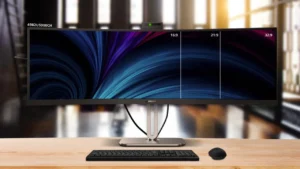
In terms of visual effects, different aspect ratios have different composition methods and visual centers, which produce different visual effects. For instance, 16:9 can offer an immersive film and television viewing experience; The 9:16 vertical screen is more suitable for vertical browsing on mobile phones, while 21:9 is more appropriate for cinemas or professional displays.
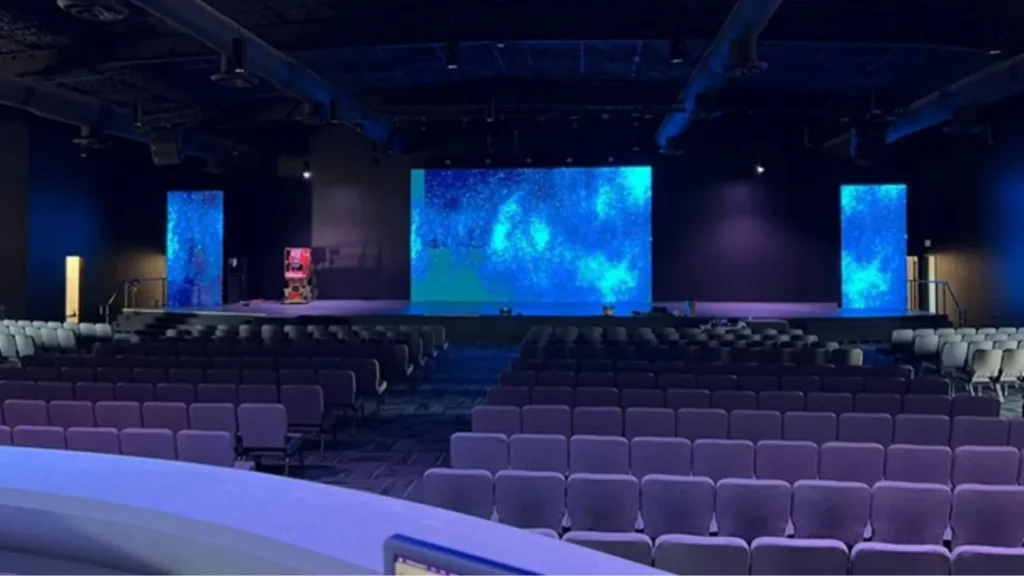
On the other hand, LED displays need to select an aspect ratio based on the installation environment. For example, for long and narrow corridors and columns, vertical or strip screen ratios are more suitable. For stage backgrounds and large outdoor advertisements, wide screens or ultra-wide ratios can present more information.
Why is 16:9 the Mainstream Aspect Ratio?
In the early days of cinema and television, the 4:3 aspect ratio was commonly used. After that, to enhance immersion, manufacturers gradually widened screens, and the 16:9 aspect ratio became standardized.
Gradually, due to its advantages in compression, transmission, and visual quality, 16:9 was ultimately adopted by international standardization bodies such as the ITU as the official standard for high-definition television.
Accompanying this is the emergence of a large amount of 16:9 video content. Its cost decreased, adoption increased, and it gradually became the most commonly used aspect ratio for displays, including smartphones, TVs, monitors, and other types of screens.
The Most Common Aspect Ratios Available on the Market
4:3
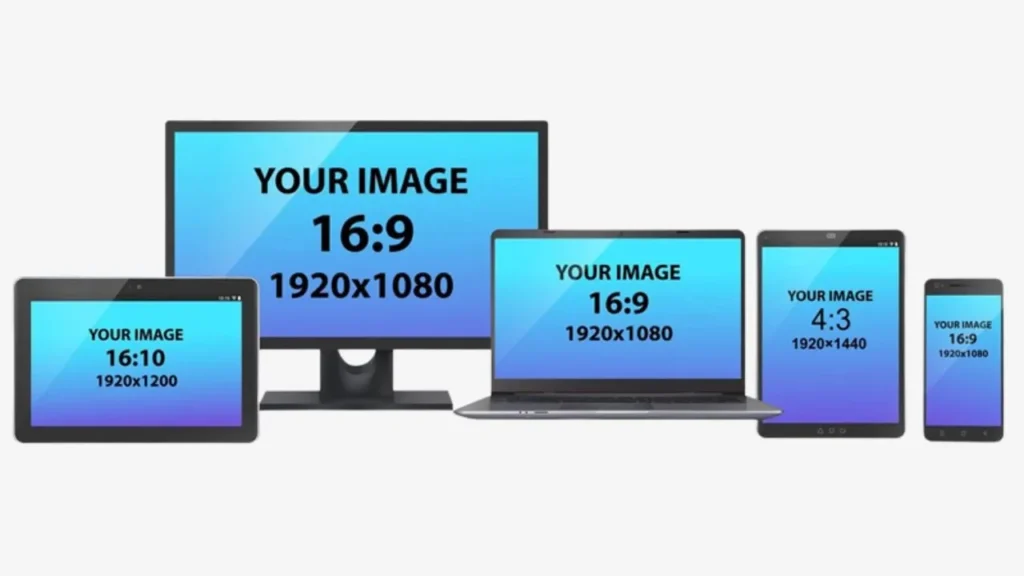
4:3 was a commonly used aspect ratio in the early days of the development of displays and televisions. It has a larger vertical space, making it suitable for displaying text, tables, charts, or multi-screen layouts. In the film and television industry, this aspect ratio has gradually been phased out, and 4:3 can now only be found in some older video resources. Today, it is generally used for surveillance displays.
21:9
In the horizontal direction, the 21:9 aspect ratio is wider than 16:9. It can provide you with a stronger sense of immersion and is more suitable for presenting broad and long content. At present, the screens in cinemas and the size of most modern films are mostly 21:9. This proportion is also used for some stages and other immersive displays.
9:16
9:16 is a vertical aspect ratio that has emerged in recent years, primarily used for short videos, vertical advertisements, and mobile content display. With the rise of short videos, the number of 9:16 video resources has increased, and the corresponding demand for displays has also grown significantly. Beyond some vertical information panels at bus stops and elevator advertisement screens, even smart refrigerator screens have begun adopting the 9:16 aspect ratio.
16:10
The 16:10 aspect ratio offers advantages in both horizontal and vertical viewing. It is wider than 4:3 and provides more vertical content than 16:9. It is more suitable for split-screen collaboration, text reading, table browsing, etc., rather than entertaining. Therefore, 16:10 is now mostly used in office scenarios, such as laptops.
Custom
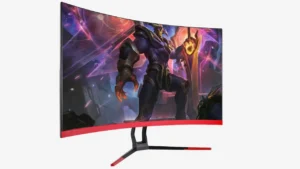
Compared with traditional aspect ratios, custom displays can be made not only in various rectangular formats, but also in unique shapes such as circular screens, spherical screens, curved screens, and ultra-wide displays.
Visually, these screens with a special shape are more attractive and can enhance brand recognition. However, custom displays generally come with higher costs and greater installation complexity than standard screens. Moreover, its content production cost may be high, and available video resources are limited.
Advantages of 16:9 Aspect Ratio
Rich Video Resources
At present, almost all mainstream global video platforms, such as YouTube and Vimeo, use a 16:9 aspect ratio as the standard format for horizontal videos. If you play streaming content on a 16:9 display screen, there will basically be no cropping, stretching, or adding black borders.
Moreover, the same 16:9 content can be used across LED displays, television screens, mobile devices, and online video platforms. For chain brands and other advertisers, this helps reduce overall video production costs.
Immersive Viewing Experience
The human field of vision is significantly wider horizontally than vertically. The 16:9 aspect ratio aligns with the natural structure of human vision, which can deliver you a comfortable viewing experience. On the other hand, 16:9 offers a more stable composition, with well-balanced subject proportions, subtitle placement, and visual focus.
The Supply Chain is Mature
Within the entire display industry chain, 16:9 is the most mature and lowest-risk aspect ratio. Due to its wide application and large market, manufacturers have become highly proficient in producing 16:9 displays, ensuring high quality and sufficiently short lead times. In addition, screens with a 16:9 aspect ratio are relatively affordable.
Standardized Resolution
Compared with other aspect ratios, 16:9 has a highly standardized resolution system. Common resolutions such as 1920×1080 (1080p) and 3840×2160 (4K UHD) are output in a 16:9 aspect ratio. 16:9 LED displays can perfectly match the signal source, offering high compatibility, which reduces system failures, prevents black bars or stretching, and enhances the viewing experience.
Disadvantages of 16:9 Aspect Ratio
Not Suitable for Specific Scenarios
In certain scenarios, 16:9 is not necessarily the optimal choice. If the environment where you need to install the LED screen is a narrow wall, such as elevator screens or column advertisements, the content may not be displayed completely, or black borders may appear, which will reduce the display effect.
Limited Flexibility
In some large-scale LED video wall projects, 16:9 modules cannot achieve certain custom aspect ratios or curved configurations, resulting in limited flexibility. If custom configurations are required, the project costs and installation complexity will increase.
Main Usage Scenarios of 16:9 Aspect Ratio
Commercial and Advertising Display
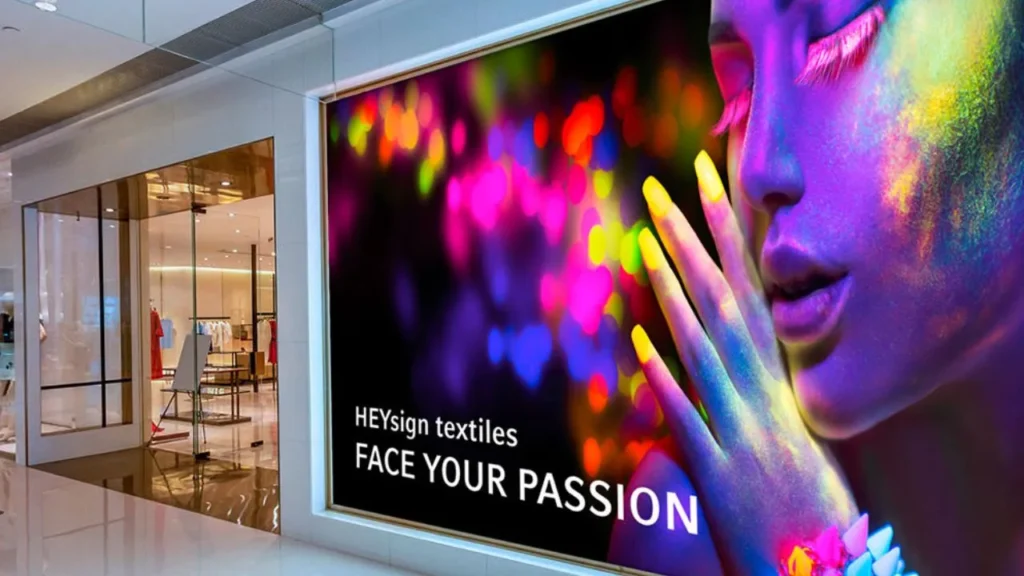
Currently, most commercial advertising videos are produced in the 16:9 format, such as brand promotional videos, product showcases, and advertisements. When you display the content on a 16:9 screen, it will be shown without cropping, black bars, or image distortion. This significantly reduces content production costs. In addition, the 16:9 display supply chain is highly mature, making it a preferred choice among system integrators.
Education and Conference
In recent years, most educational resources have been produced in a 16:9 aspect ratio, including video materials, conferencing systems, and PowerPoint teaching content. This format provides sufficient space to display information, allows creators greater layout flexibility, and effectively highlights key content, making it highly suitable for educational and office environments.
Monitoring and Command Center
The vast majority of surveillance and video conferencing content is natively produced in a 16:9 format. To ensure that images can fully fill the screen without stretching or distortion, control rooms and conference centers typically use 16:9 displays or display modules.
Large screens
Most commercial large-screen projects, such as truck LED displays and concert LED screens, still primarily use the 16:9 aspect ratio. The content is typically presented on a single 16:9 screen or across multiple 16:9 screens combined into a larger display. In some projects, additional custom-shaped screens are installed around the main screen to enhance the visual effect.
How to choose the Aspect Ratio when Customising an LED Display?
When to Choose the 16:9 Aspect Ratio
First of all, if you are unsure which aspect ratio to choose, selecting 16:9 is almost never the wrong decision. It is the aspect ratio with the most mature content ecosystem, the widest range of applications, and the most developed supply chain.
As a retailer, 16:9 can offer you lower costs, a wider market, and faster turnover, making it a common choice.
As an integrator, 16:9 is the native aspect ratio for most control systems and media players. It can accommodate more video and file formats and deliver good display quality, making it the preferred choice for the majority of projects.
When to Choose the 16:10 Aspect Ratio
The 16:10 aspect ratio provides more vertical space, which can improve work efficiency to a certain extent and is more suited to professional office scenarios.
As a retailer, if your target audience includes researchers or users who primarily engage in daily office work, 16:10 is a reasonable choice.
As a system integrator or procurement professional, if you are selecting displays for projects such as research centers, financial institutions, or advertising agencies that require intensive data processing and creative work, choose a 16:10 aspect ratio.
When to Choose the 21:9 Aspect Ratio
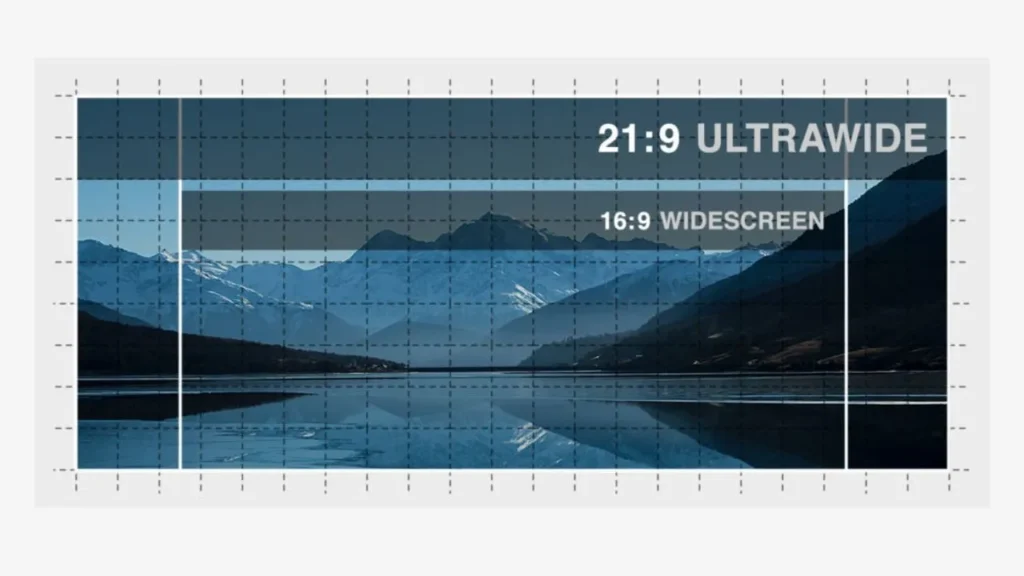
21:9 is more suitable for movie and entertainment content. If you need a custom LED screen for a viewing environment, such as a commercial cinema, home theater, or immersive theater, then 21:9 is an appropriate choice.
When to Customize Special Proportions
Customized proportions are typically used to match architectural structures and enhance brand memory points. If you need to use the LED display for:
- irregular building facades
- immersive experience Spaces
- brand flagship stores, art exhibition halls
- city landmark screens
A customized screen can help your project or brand attract attention.
FAQs
Will 16:9 be Replaced by a New Aspect Ratio in the Future?
16:9 will not be completely replaced in the short or even long term. This is because content and the ecosystem have inertia, and the majority of mainstream videos are currently produced in a 16:9 aspect ratio. If the mainstream ratio changes, a large amount of existing content would need to be replaced with new resolutions, which would take a long time.
How Should Non-16:9 Content be Handled Most Reasonably on a 16:9 Screen?
When your 16:9 screen needs to display content of a different aspect ratio, you can adjust it by adding black bars on the top and bottom or sides, cropping the content moderately, or stretching it to fit the screen.
Does 16:9 Help Reduce Visual Fatigue?
Compared with longer or wider screen ratios, the 16:9 aspect ratio, which aligns with the human field of view, provides the best visual balance and is most suitable for prolonged viewing. The content of the screen falls within the area of minimal eye movement, which reduces the need for frequent horizontal or vertical scanning.
What Restrictions Does 16:9 Have on the Design of Irregular-Shaped Screens?
On one hand, the content of curved screens is inherently limited. Even if the aspect ratio of a curved screen is 16:9, playing standard 16:9 videos may produce stretching at the corners, which will reduce the visual effect. On the other hand, curved screen modules are relatively expensive and complex to install, requiring customization.
Final Thoughts
If you want to customise a 16:9 or other aspect ratio screen, IvanLED is your ideal choice. We specialize in manufacturing screens of all aspect ratios and provide a variety of screen sizes, resolutions, and pixel pitches to meet your specific needs. Also, no matter what scenario you plan to use it for, including indoor, outdoor, rental, and more applications, IvanLED has extensive experience in production and can meet your needs to the greatest extent.
If you have any further questions, feel free to contact us!