











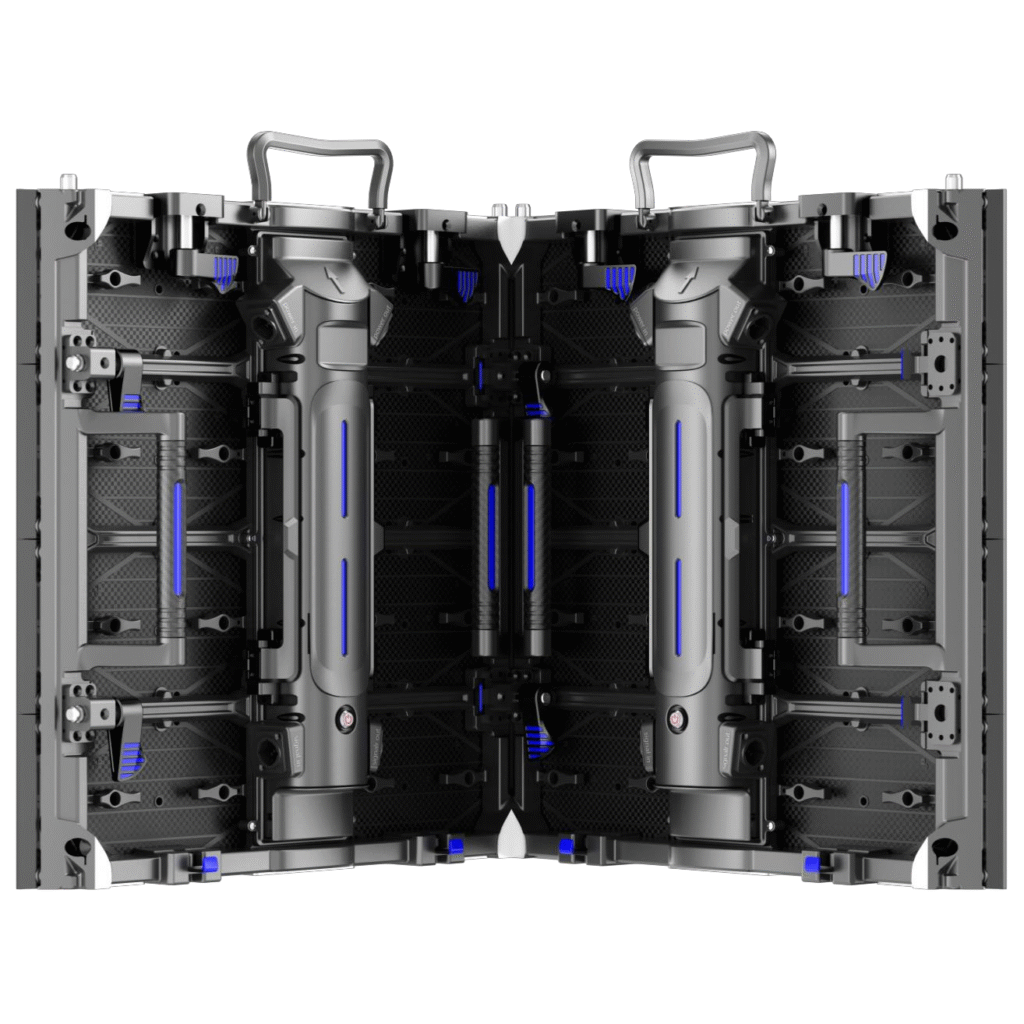
1. Why Retail Stores Are Turning to LED Screens Now?
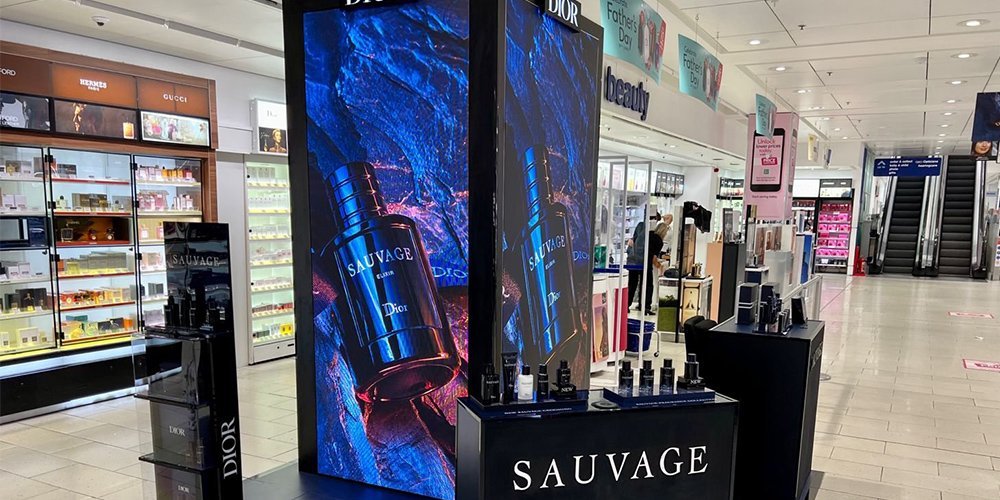
1.1 Catch More Eyes, Day and Night
LEDs shine bright. Whether your store is flooded with sunlight or cozy and dim inside, your message stays crystal clear. That means people passing by can’t miss it-it literally stops them in their tracks.
1.2 Switch Up Your Message Anytime, No Fuss

1.3 Make Your Store Feel Modern and Inviting
A sharp LED wall or a sleek digital sign makes your store look high-tech and up-to-date. Customers notice this. It builds trust and excitement, making people more likely to step inside and check things out.
1.4 Keep Shoppers Longer, Boost Sales Naturally
Moving images and vibrant colors grab attention and hold it. When people watch something interesting, they tend to linger. That extra time can easily turn into extra sales.
1.5 More Than Just Ads: Guide and Engage Your Visitors
LED screens can show wayfinding directions, highlight ongoing events, or even offer interactive touch features. This makes the shopping experience smoother and more enjoyable, encouraging repeat visits.
1.6 Save Money Over Time, Even If Setup Costs More
Sure, LED screens cost more upfront than printed posters. But over months and years, you save on printing, shipping, and staff time. Plus, you avoid waste and can run endless campaigns without extra cost.
2. What Kind of LED Screen Should You Use in Your Store?
Choosing the right LED screen can feel overwhelming. There are many types, sizes, and specs. But the key is to match the screen to your store’s unique needs. Here are the main types and how they fit different retail settings:
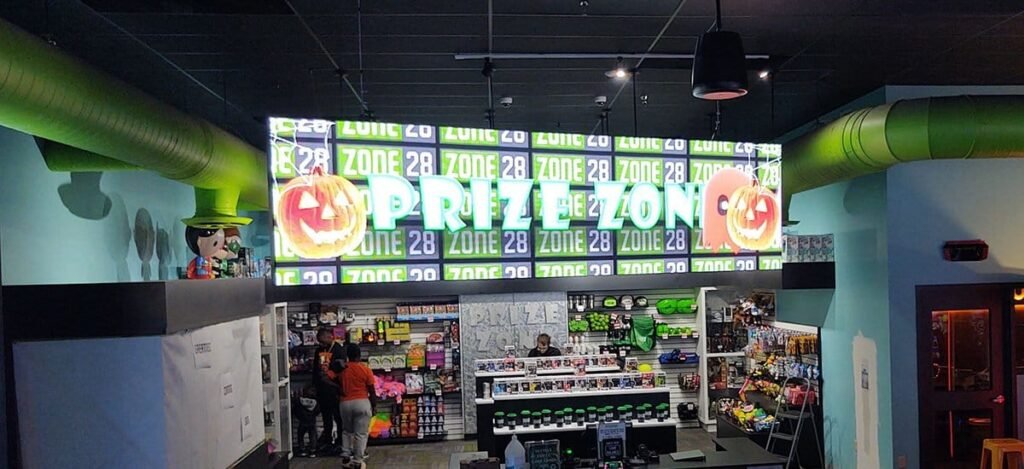
2.1 Indoor LED Screens
Indoor LED screen is designed for bright, controlled environments inside stores. They offer sharp images with fine pixel pitches – that means clear details even up close. Ideal for product displays, promotions, or digital signage near entrances and checkout counters
2.2 Outdoor LED Screens
Built tough to handle weather and sunlight. Outdoor LED screen has higher brightness levels and waterproof ratings. Perfect for storefront signs, parking lot ads, or events outside your store.

2.3 Small Pixel Pitch LED Screens
Pixel pitch is the distance between the tiny LEDs that make up the display. Smaller pitch means higher resolution and better image quality at close range. For stores with tight indoor spaces or where customers stand close, these are the best choice.
2.4 Transparent LED Screens
These screens let you show digital content without blocking the view through your windows. Great for storefronts that want to attract attention but keep a clear look inside. Plus, many retailers rent a transparent LED screen temporarily for special campaigns.
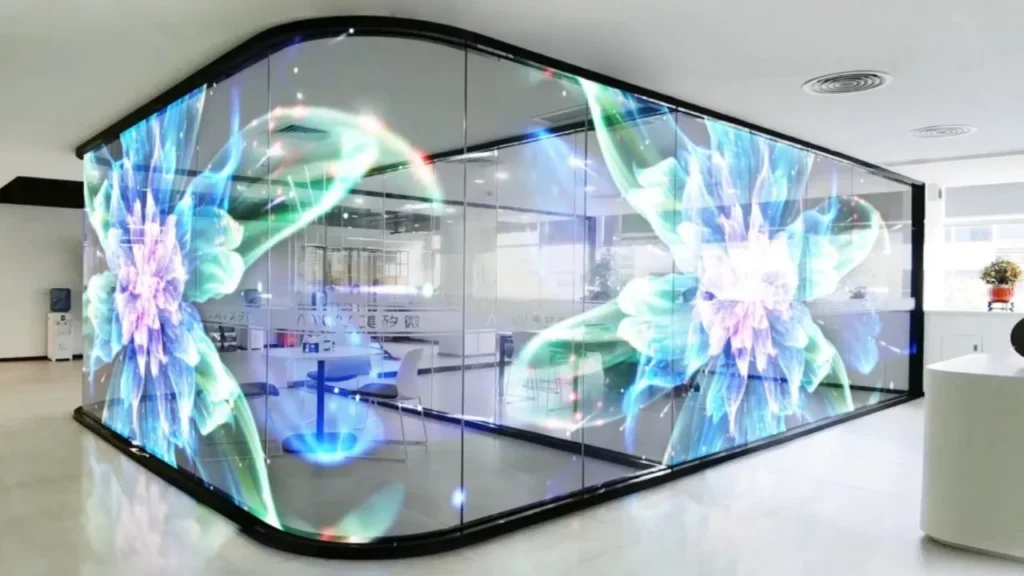
2.5 Curved and Custom-Shaped LED Walls
Some stores use LED walls that wrap around corners or take unique shapes to create eye-catching displays. These help build a memorable brand image and make your space stand out from competitors.
3. How to Pick the Right led screen Specs?
Buying an LED screen isn’t just about the size or the brand-the real difference lies in the details. For retail use, some technical specs matter more than others. But don’t worry, you don’t need to be a tech expert to make the right choice. Ivan LED will help you choose the LED display that suits you best throughout the entire process.
(1) Pixel Pitch: How Sharp the Image Looks
Pixel pitch tells you how close the individual LEDs are. Smaller numbers mean better image quality, especially at close range.
- P1.5–P2.5: Crisp and clear up close, ideal for luxury shops, small boutiques, or product highlight zones.
- P3–P5: Good for most standard indoor retail setups where people stand 2–5 meters away.
- P6 and above: Often used for outdoor screens or places where viewers are far away.
If customers will be standing right in front of the screen, go with a smaller pixel pitch.
(2) Brightness: Can It Compete with Sunlight?
Brightness is measured in nits. The brighter your store or window area, the higher the brightness you’ll need.
- 800-1,500 nits: Enough for most indoor retail spaces.
- 2,500-4,000+ nits: Needed for screens placed near windows or outdoors.
A screen that’s too dim will look washed out. And one that’s too bright indoors might feel harsh. Match brightness to your space.

(3) Refresh Rate: Smoother Visuals, Better Look
A higher refresh rate makes animations and videos run smoothly. It also avoids flickering, which is especially important if you take photos or videos for social media.
- At least 1920Hz is recommended for retail displays.
- 3840Hz or higher is better for high-end use or large screens.
(4) Viewing Angle: Can It Be Seen from the Side?
In stores, customers move around. So you want a screen that looks good not just from the front, but from the side too.
Look for wide viewing angles (140° or more) for both horizontal and vertical directions.
(5) Screen Size and Resolution: Don’t Overspend
Larger screens need higher resolution-but don’t get more than you need.
If the screen is small or mounted high, ultra-high resolution might be wasted.
Always balance screen size, resolution, and viewing distance.
(6) Power and Heat: Will It Work in Your Store?
LED screens generate heat and draw power. Make sure your power supply and space allow for proper cooling and safe setup. Slim, fanless designs are better for quiet indoor use.
Think about where the screen will go, how people will interact with it, and what kind of content you want to show. The right balance saves money and makes your display look great.
4. Transparent LED Screen Rental for Retail Storefronts and Window Displays
Your store window is prime real estate. It’s the first thing people see-and sometimes the only thing they see. A transparent LED screen lets you turn that space into a dynamic, high-impact display without blocking the view inside. That’s why more retailers are choosing to rent transparent LED screens, especially for short-term campaigns and seasonal promotions.
Here’s what makes them so useful:
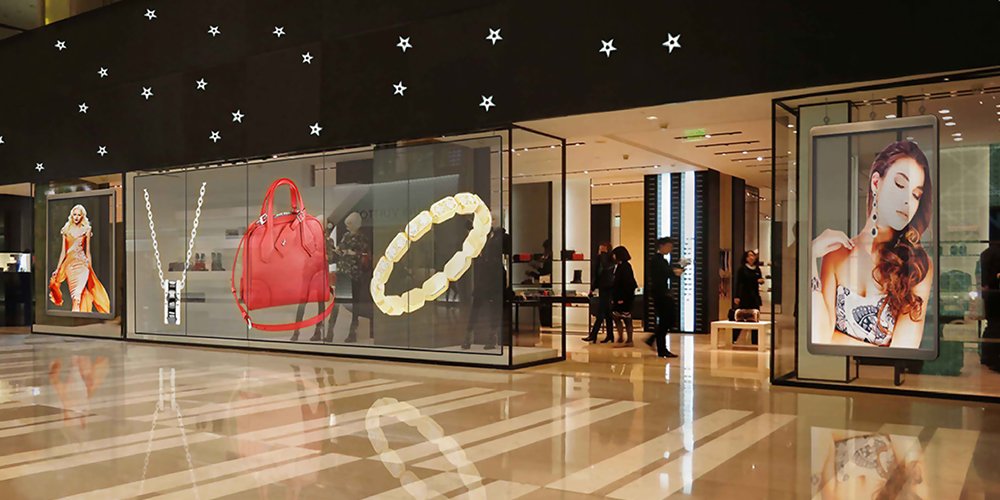
4.1 Grab Attention Without Covering Your Store
Transparent LED screens display moving content-videos, text, graphics-while still allowing light and visibility through the glass. People can enjoy the show and see what’s inside your shop. This works especially well for fashion, cosmetics, and lifestyle brands that want to maintain an open, premium feel.
4.2 Easy to Set Up, Easier to Remove
LED Video Wall Rentals are made for fast use. Most models are lightweight and modular. You don’t need to rebuild your store window to fit them. Installers can hang them, mount them, or stand them on temporary frames. And when your campaign ends, they come down just as easily-no damage, no long-term commitment.
4.3 Perfect for Pop-Ups, Launches, and Holidays
Got a holiday promo coming? A product launch? A new store opening? Renting a transparent LED screen lets you make a strong visual statement, even if it’s just for a week or two. You don’t need to invest in permanent fixtures to get big-screen impact.
4.4 Flexible Content, High Brightness
These screens can run videos, ads, logos, or countdowns; they stay bright even in daylight. That makes them perfect for windows that face busy streets. People stop and look. Some walk in. It’s that simple.
4.5 No Need for Heavy Infrastructure
For retail shops that want to make a big visual splash-but only for a short time-transparent LED screen rental is a smart, flexible option. You keep your storefront open and inviting, while still grabbing attention like a digital billboard.

5. Apple Store LED Wall Ideas You Can Use in Your Own Shop
Apple Stores use LED walls better than most. They don’t just advertise- they create an experience. Here’s how you can apply the same ideas in your own store, without needing a giant budget.
Make It the Focal Point: Place your LED screen where it draws attention-like the back wall or facing the entrance. Keep the area around it clean. Let the screen stand out.
Show Use, Not Just Products: Apple shows how products work. You can do the same. Don’t just show an item-show someone using it. It feels more real and helps customers imagine owning it.
Keep It Clean and Simple: Big text. Bold visuals. No clutter. Use short loops that focus on one idea at a time. That’s more powerful than squeezing everything in one screen.
Change Content Often: Apple updates content to match the day or season. Even subtle changes keep things fresh. You can schedule content updates for new arrivals, sales, or weekends.
Make It Part of the Store Flow: Your screen shouldn’t feel separate. Use it to support what’s happening in the space-like promoting the item near a display, or showing a welcome message when people enter.
You don’t need a massive screen or a luxury brand name to do what Apple does. You just need content that’s clear, useful, and visually sharp.
6. Retail LED Display Cost Breakdown
7. LED Display Retail Shop Setup Tips That Save Time & Money
- Pick the Right Spot First: Choose a location that gets the most attention, like your storefront window or behind the counter.
- Wall Mount If You Can: Wall-mounted screens are fast to install and cost less than custom frames or hanging setups.
- Use Light, Slim Screens for Windows: If you’re mounting on glass, go for a transparent or lightweight screen.
- Get Content and Power Ready: Prepare your videos in advance and make sure your power source is stable.
- Start Small: One screen is enough to test what works. You can always add more later.
8. What’s Next for Retail LED Screen?
Retail LED displays are moving beyond simple advertising. They’re becoming an essential tool for storytelling and building connections with customers. It’s time to let your retail space come alive-and make every visit memorable.