










What are LED Displays?
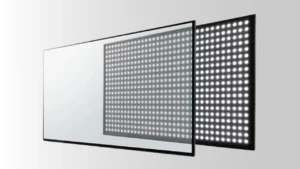
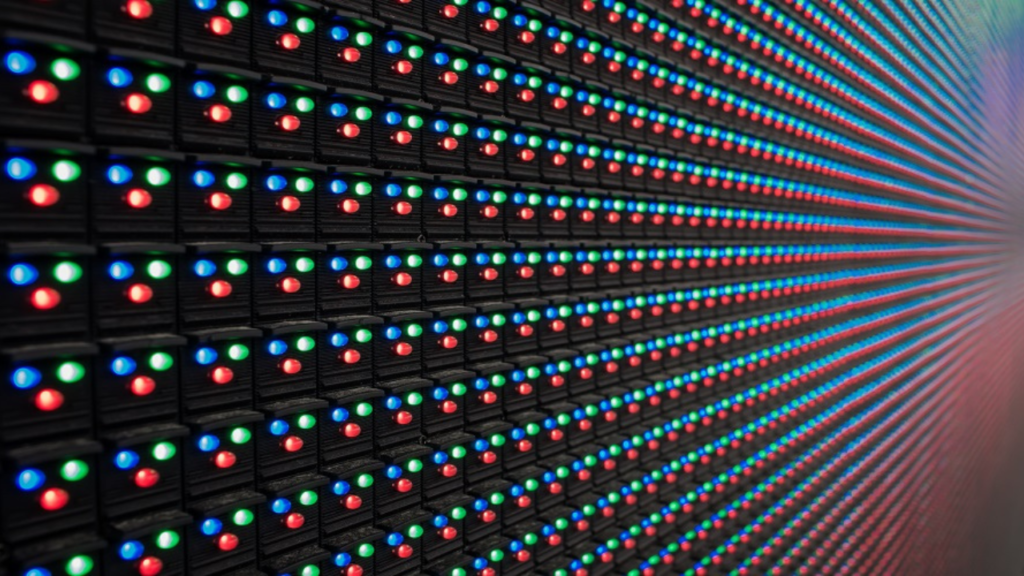
LED displays produce high-quality and bright images with the help of light emitting diodes (LEDs). Crisp color, better contrast, and power efficiency are typical of the LED displays compared to traditional displays. LED displays are used in televisions, billboards, digital displays, and even mobile phones.
Advantages of LED Displays
1. High Brightness and Clear Visibility
Wherever you put, you need to have a bright and visible display. With incredible brightness, LED displays provide you with great sharp and clear screen both indoors and outdoors. As such, LED screen is different from other screens, which are disadvantaged by direct sunlight.
Thus, wherever you place it in your living room, office, or outdoors for outdoor advertising, you will still have a bright and vivid images without fading or glare issues.
2. Saves More Energy
You don’t need a display that uses excessive power just to increase your electricity bill. LED technology enables you to save power without sacrificing brightness and image quality.
Whether it is an LED TV for your home or an LED billboard for your company, you get less power usage without sacrificing the screen performance.
Additionally, you don’t have to worry about your screen heating up as an LED screen will produce less heat. You might have experienced the extreme heat of old plasma televisions when you reach to touch them after they have been in use for many hours. With an LED display you don’t have to deal with excessive heat keeping your environment cool.
3. LED Display Lasts Longer
You would want the display you invest in to have a long lifespan. With LED technology, you are considering 50,000 to 100,000 hours of life, that is, years of trouble-free usage. This is cost-effective and time-efficient in the long run as you don’t need to change your screen often.
4. Slim and Lightweight Design
You don’t require a heavy and bulky screen that takes up so much space. LED displays are thin, light, and easy to mount, and that is why they are perfect for modern homes, offices, and digital signage.
Hence, if you want to wall-mount your TV or set up a display in your office, you have an option of a slim and modern display without the extra weight.
5. Better Color Accuracy and Contrast
You want a screen that offers you vivid colors, deep blacks, and stunning contrast. LED screens enable you to enjoy sharp and clear pictures, thus suitable for watching movies, playing games, and commercial use. It is one of these advantages of LED display that make the screen popular in many applications.

Disadvantages of LED Displays
1. Higher Initial Cost
LED displays are expensive than LCD screens or plasma screens. That is because of the technology and the higher-quality parts. An LED display is a costly investment if you are on a tight budget.
However, you can actually save money in the long run since it consumes less power and lasts longer. Thus, while the upfront cost is higher, maintenance and electricity savings make up for it over time.
2. Risk of Pixel Failure
LED displays consist of thousands of tiny diodes, and pixel failure is possible after some time. Dead pixels create black spots or irregular lighting, which is frustrating, especially for high-definition content.
Although rare, massive size total pixel failures can ruin the viewing experience and it can be challenging or expensive to replace failed LEDs on parts of your screen. Therefore, when choosing an LED screen, quality control is important.
3. Blue Light Emission and Eye Strain
Blue light from LED screens are associated with eye strain, tiredness, and sleep disturbance. If you spend long hours in front of a screen, this can negatively impact your eye health.
Fortunately, you can minimize exposure to blue light with blue light filters, brightness, or regular breaks. Most new LED screens also support eye-friendly features, which minimize strain.
4. Potential for Uneven Brightness
There are some LED screens with uneven brightness, which produce patchy images. Backlight bleeding is the term given to the effect when certain parts of the screen are brighter than others.
If you’re watching a movie with black spots, inconsistent lighting can be distracting. High-end LED TVs use advanced dimming technology to reduce this issue, but cheaper models struggle with even brightness.

FAQs
1. What are the Advantages of LCD Displays over LED Displays?
Lower Initial Cost – LCDs are cheaper than LED screens, which are more preferable for budget-tight consumers.
- Less Blue Light Emissions: Less blue light is emitted by LCDs which reduces the chances of eye strain and sleep disruption.
- More Uniform Brightness: Even backlighting of LCDs eliminates problems such as uneven backlight brightness or backlight bleeding.
- Color Stability Reproduction: LCD monitors offer color stability, although not as vibrant as LED displays.
Conclusion
LED displays provide better brightness, power saving, and guaranteed longevity. Although there are challenges of high cost, pixel failures, and blue light emissions. If you need a modern, high-end display, LEDs are still among the best choices for personal and business use.