






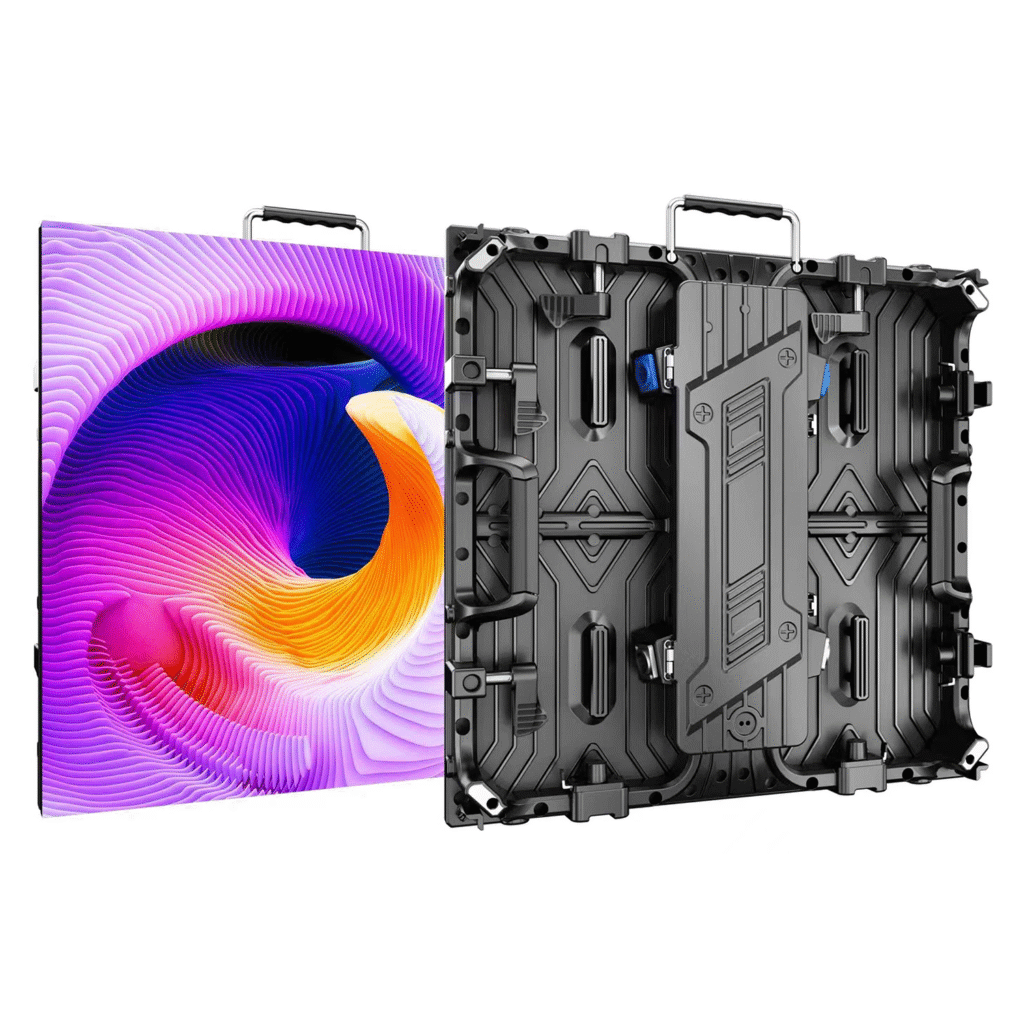
Rental LED Display
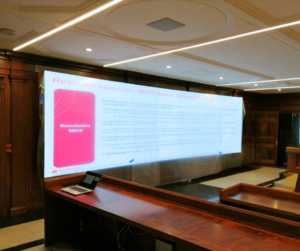
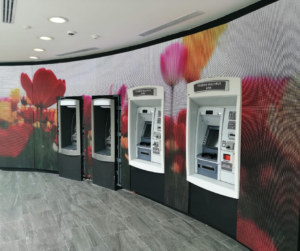
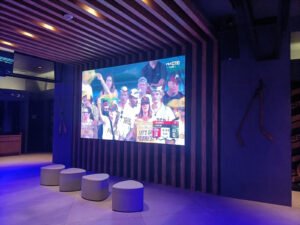
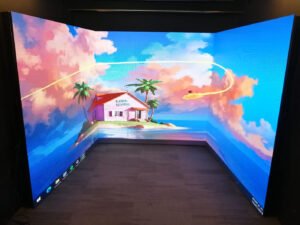
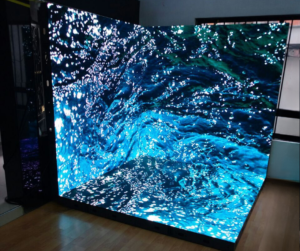
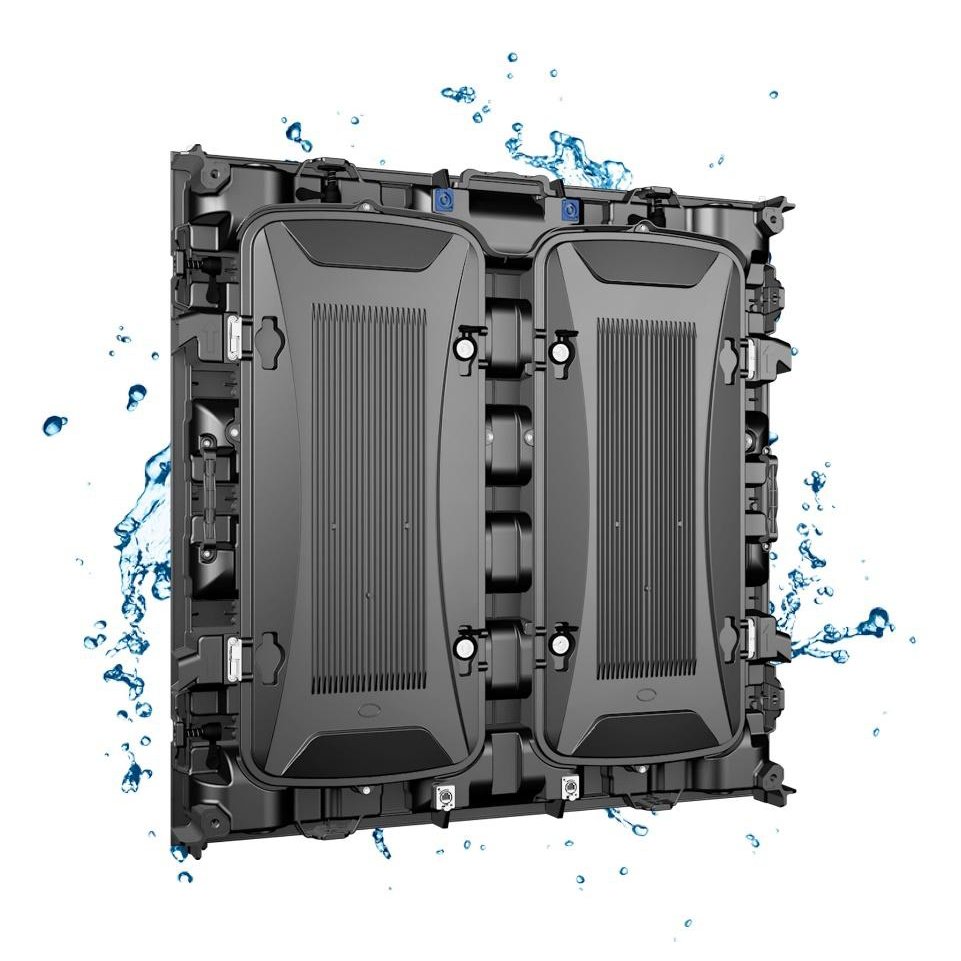
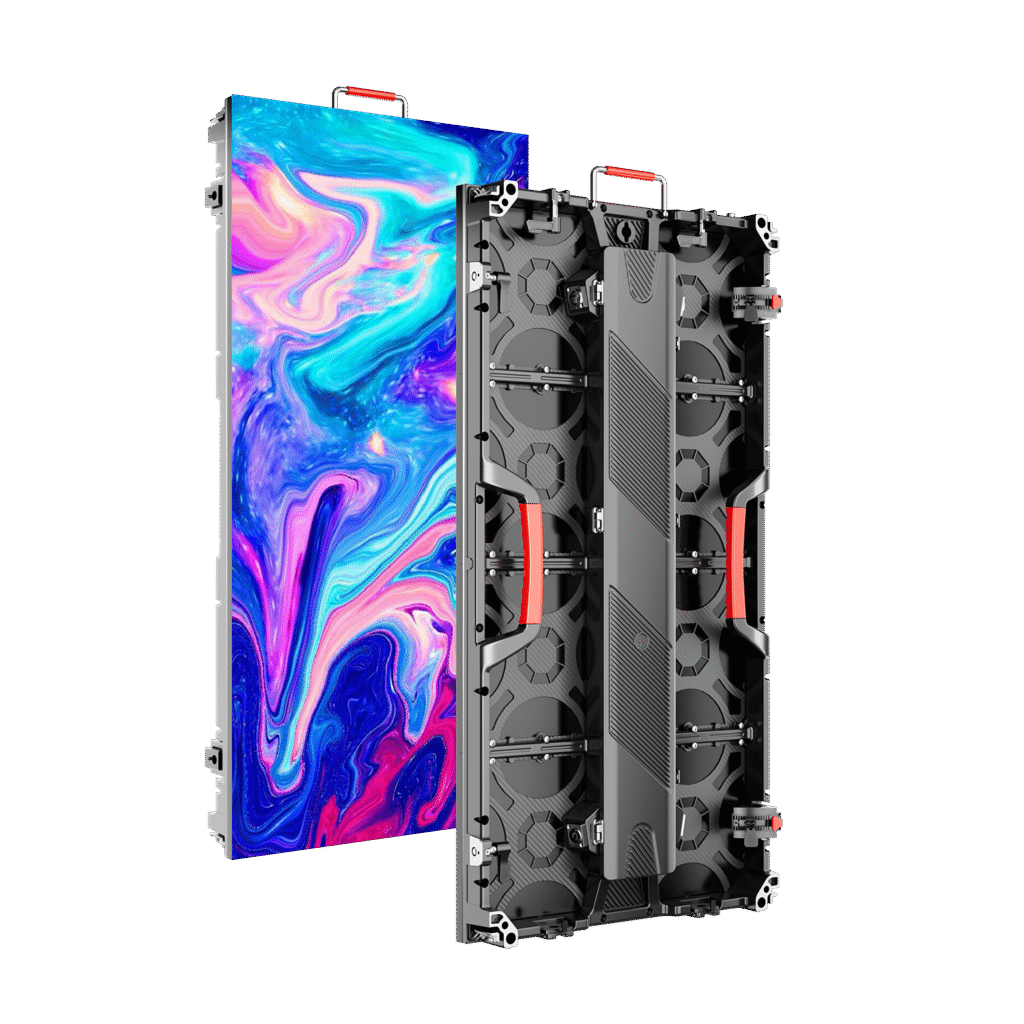
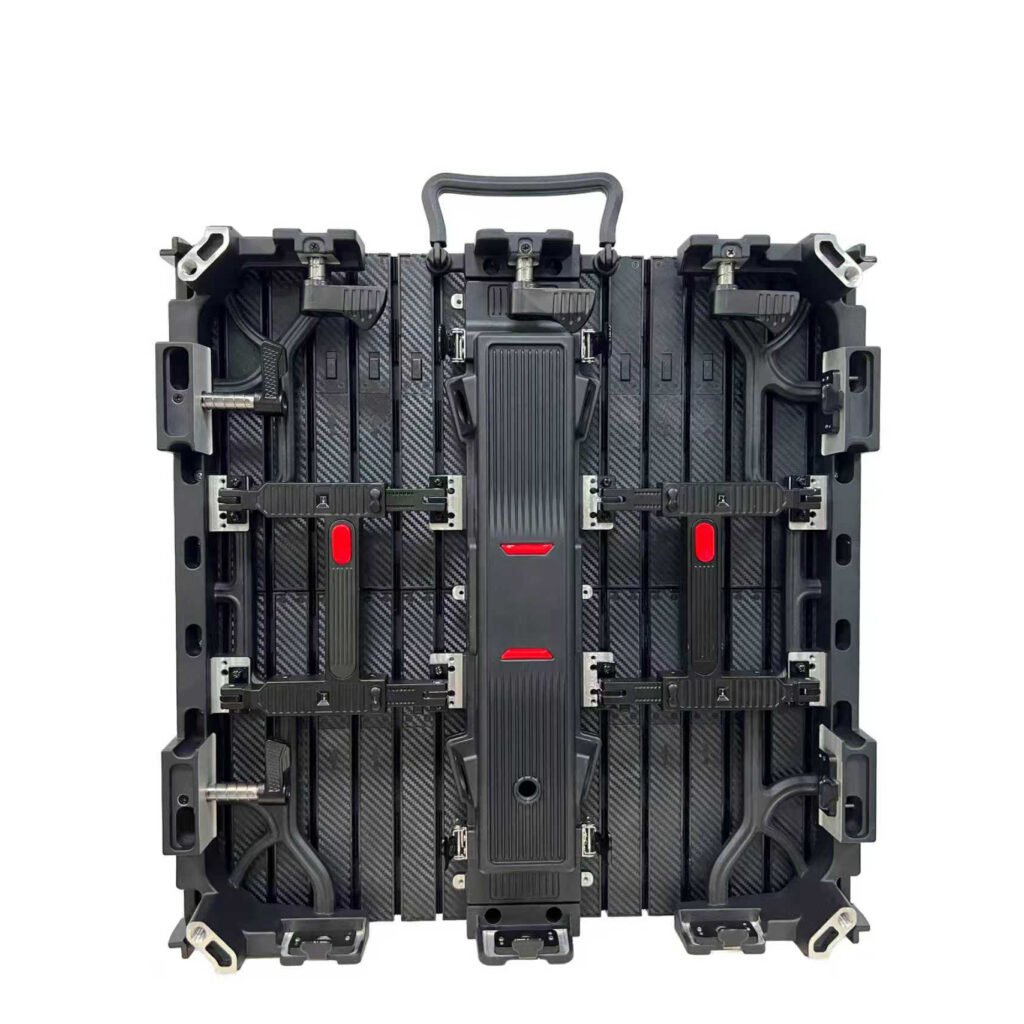
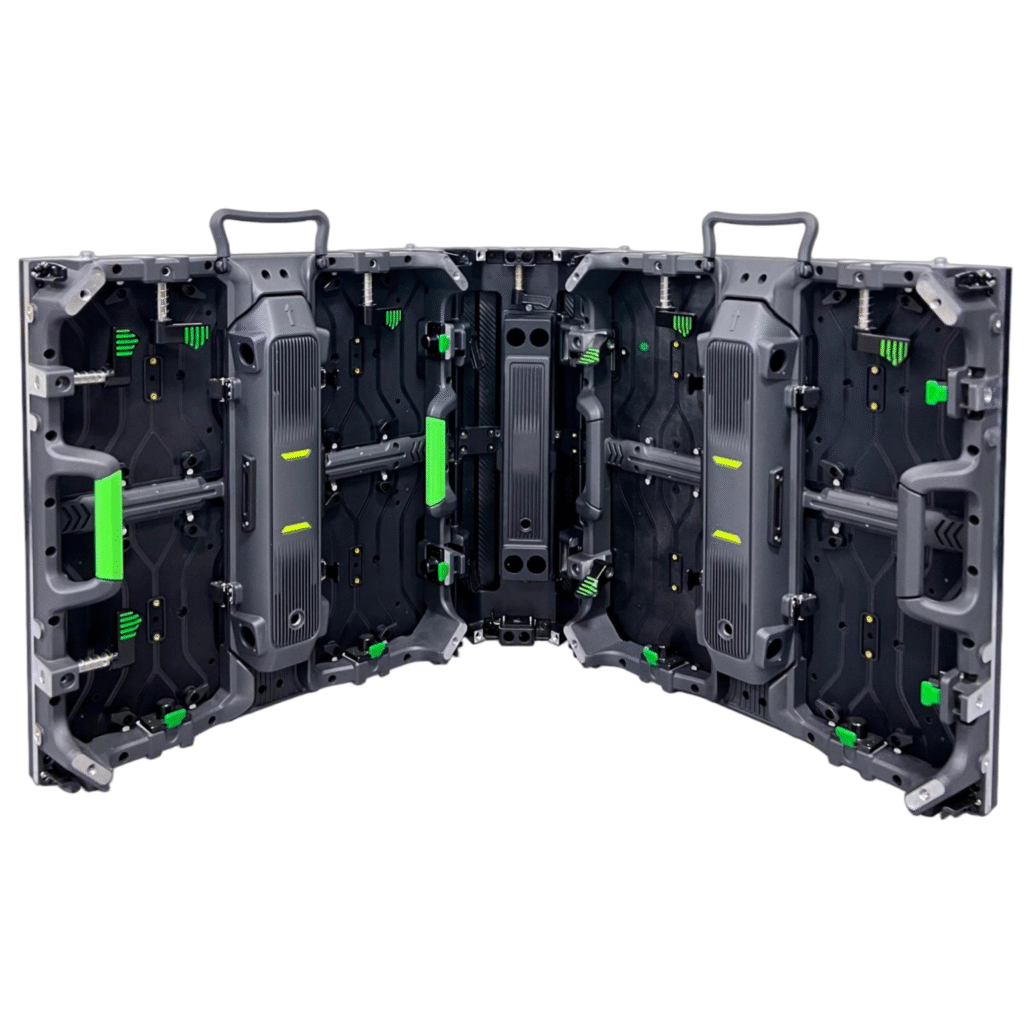
Ivan LED offers a complete range of Indoor & Outdoor Rental LED Display products for events, stages, stores, television studios,boardrooms, professional AV installations and other venues. You can choose the right series for your rental applications.
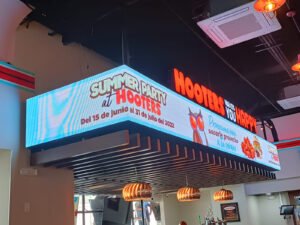
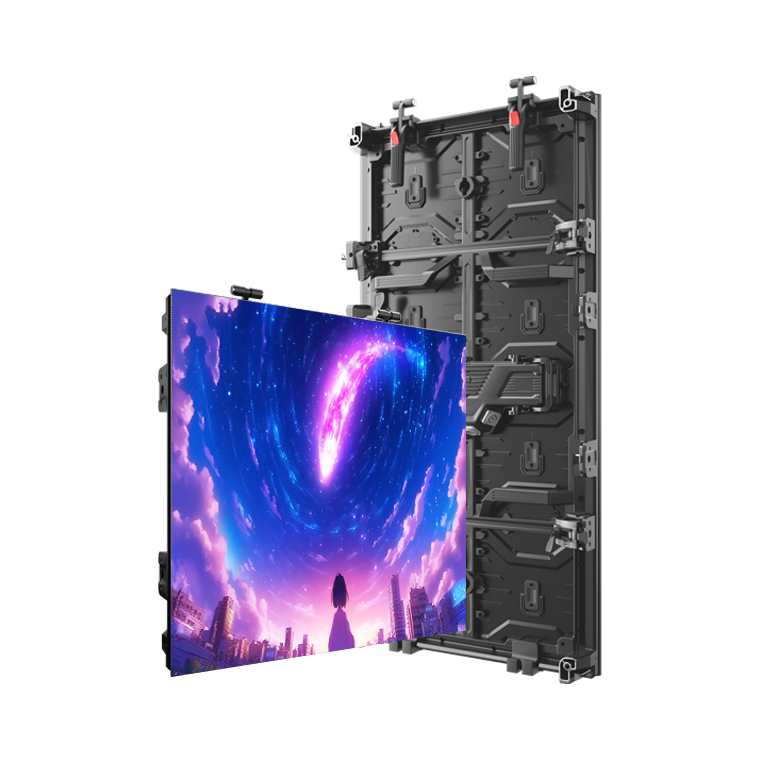
Front/Rear Maintenance
P4.81/P3.91/P2.976/P2.6/P1.95/P1.56
Die-cast aluminium
Indoor/Outdoor
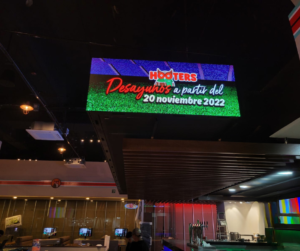
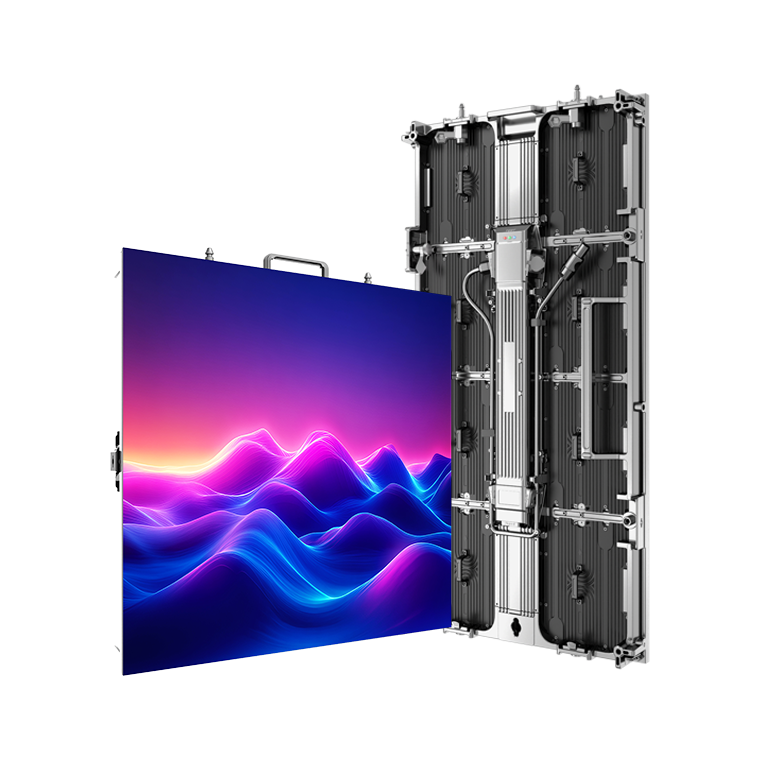
Front/Rear Maintenance
P4.81/P3.91/P2.976/P2.604
Die-cast aluminium
Indoor/0utdoor
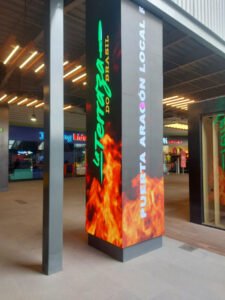
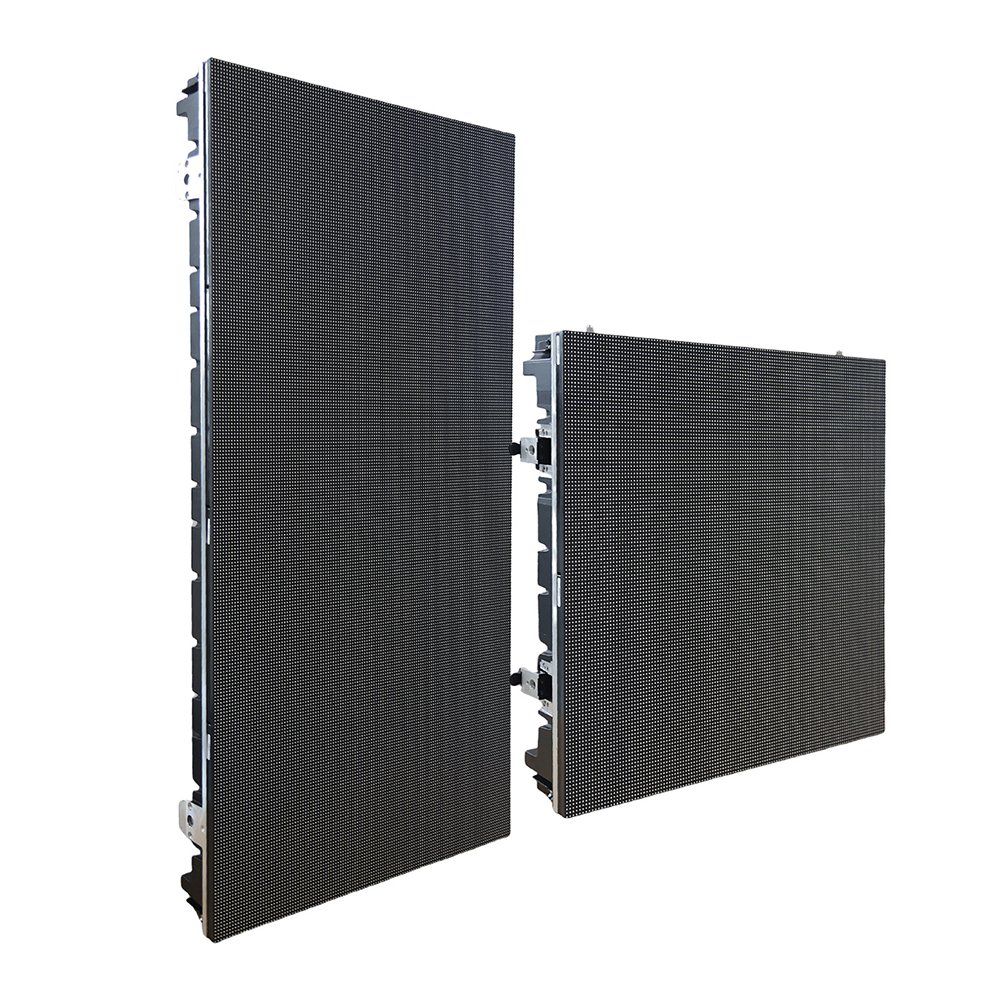
Rear Maintenance
P2.604/P2.976/P3.91
Die-cast aluminum
Indoor/0utdoor
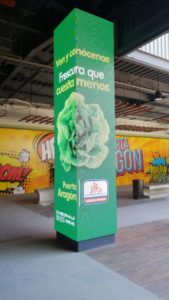
Front/Rear Maintenance
P4.81/P3.91/P2.976/P2.604
Die-cast aluminum
Indoor/Outdoor
Rear Maintenance
P4.81/P3.91/P2.976/P2.604/P2.5
Die-cast aluminum
Indoor/0utdoor
Rental LED display can be a great option for your events to generate revenues and enhance the attendees’ experiences. This is a comprehensive and in-depth guide of LED screen rental projects, aiming at answering all potential questions you may have to increase the efficiency and potential profits for your events!
Table of Contents
1. What Is Rental LED Display?
One of the obvious differences between LED rental displays and fixed LED displays lies in that the fixed LED displays will not be moved for a long time, but a rental one may be disassembled after one live event is completed such as a musical event, an exhibition, or a commercial product launch, and so forth.
This feature puts forward a basic requirement for rental LED display that it should be easy to assemble and disassemble, safe, and user-friendly so the installation and transportation will not cost too much energy.
Moreover, sometimes “LED display rental” refers to “LED video wall rental”, which means the rental displays are often large to meet the requirement of simultaneously mass viewing.

Types of LED Rental Display:
Indoor Rental LED Display – indoor LED display often requires small pixel pitch because of the close viewing distance, and the brightness is often between 500-1000nits. Moreover, the protection level should be IP54.
Outdoor Rental LED Display – outdoor LED display usually needs to have stronger protection capability due to the installation environment may face more challenges and changes such as rain, moisture, wind, dust, excessive heat, and so on. Generally, the protection level should be IP65.
What is more, the brightness should be higher as the brighter ambient sunlight can lead to reflection on the screen, resulting in unclear images to viewers. The normal brightness for outdoor LED displays is between 4500-5000nits.
2. What Rental LED Screens Can Do for You?
2.1 From Brand Level:
(1) It encourages the engagement of viewers, impressing them with your products and services better.
(2) It can advertise your products in various forms including images, videos, interactive games, and so on to promote your brand, and create more profits.
(3) It can generate revenues by sponsorship.
2.2 From Technical Level:
(1) High contrast & high visibility
High contrast often comes from the comparative high brightness. High contrast means clearer and more vivid images and can bring higher visibility on many occasions such as when the screen is placed under direct sunlight.
The high contrast makes LED rental displays have outstanding performance in visibility and color contrast.
(2) High brightness
The brightness of outdoor LED displays can reach 4500-5000nits, higher than projectors and TV.
Moreover, the adjustable brightness level also benefits people’s eyesight.
(3) Customizable size and aspect ratio.
You can customize the screen size and aspect ratio of LED screens cause they are composed of single LED display modules that can build large LED rental walls, but for TV and projector, it can not achieve big screen generally.
(4) High protection capability
For indoor rental LED display, the protection level can reach IP54, and for outdoor rental LED display, that can be up to IP65.
High protection capability prevents the display from natural elements such as dust and moisture effectively, which can prolong the service life, and avoid unnecessary degradation of play effect.
3. When Will You Need One?
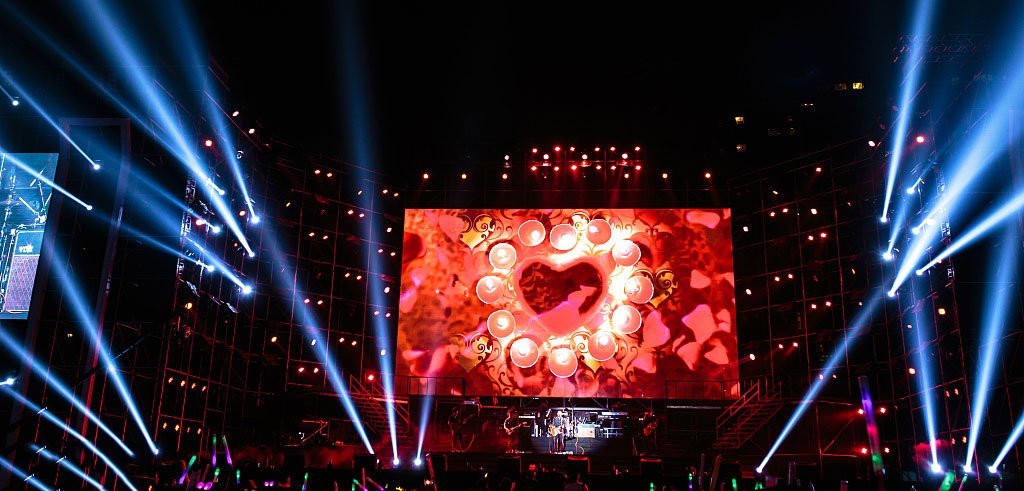
For your rental projects, there are three prevailing choices in the market – projector, TV, and LED display screen. According to the specific conditions of your events, you need to decide which one is the most suitable one to boost the human traffic and revenues for you.
When you need is a LED display? Please refer to the conditions below:
(1) The display will be placed in an environment with comparative strong ambient light such as sunlight.
(2) There are potentials of rain, water, wind, etc.
(3) You need the screen to be specific or customized size.
(4) The scene needs simultaneously mass viewing.
If the requirements of your events are similar to any of them above, meaning you should choose a rental LED screen as your helpful assistant.
3.1 LED Screen Compared with Projection
(1) Size
As long as you have the ability to drive your mobile rental LED display, our mobile screens will fit snugly alongside it without taking up too much room. While it is noted that the footprint projection screens tend to be bigger in size, including ours for sizes 40ft and up, they are exclusively provided in this format.
(2) Brightness
LED screens are able to maintain brightness throughout the day, and LED screen rental can offer high adjustable brightness to make sure you can see the screen clearly under direct sunlight.
Projection screens are great for nighttime movies but struggle near bright light or before sunset.
(3) Resistence
Outdoor rental LED display owns protection ability with at least IP65, and can resist water, heat and moisture. However, projection has lower protection ability and is not recommended to be used in outdoor.
3.2 LED Screen Rental Events
Live Sporting Event;
Stage rental led display;
Wedding led screen rental;
Concert venues;
Business presentations;
School commencements;
Camera feeds;
And more…
4. Where Will You Need One?
As we know, rental LED displays have many types that fit different application scenarios such as indoor rental LED display, outdoor rental LED display, transparent LED display, flexible LED display, high-definition LED display, and so on. That means, there are many using scenarios for us to utilize such screens to improve our profits and human traffic.
Buying or Renting a LED Screen?
The LED screen rental industry is experiencing rapid growth, driven by the increasing demand for high-quality audiovisual support at concerts and events of all kinds.
Investing in the rental LED wall can be a profitable venture, as the investment can be recovered in just four or five events, depending on the size and rental period.
Moreover, LED screens that feature quick assembly and disassembly systems result in a more convenient and cost-effective installation process than other models on the market.
That means, if you want to do some rental screen investments, it can be a worthwhile decision with a high return!
5. LED Display Rental Price
This can be one of the most concerned factors for most of the customers – the price. Here we will clarify several important factors influencing LED screen rental costs.
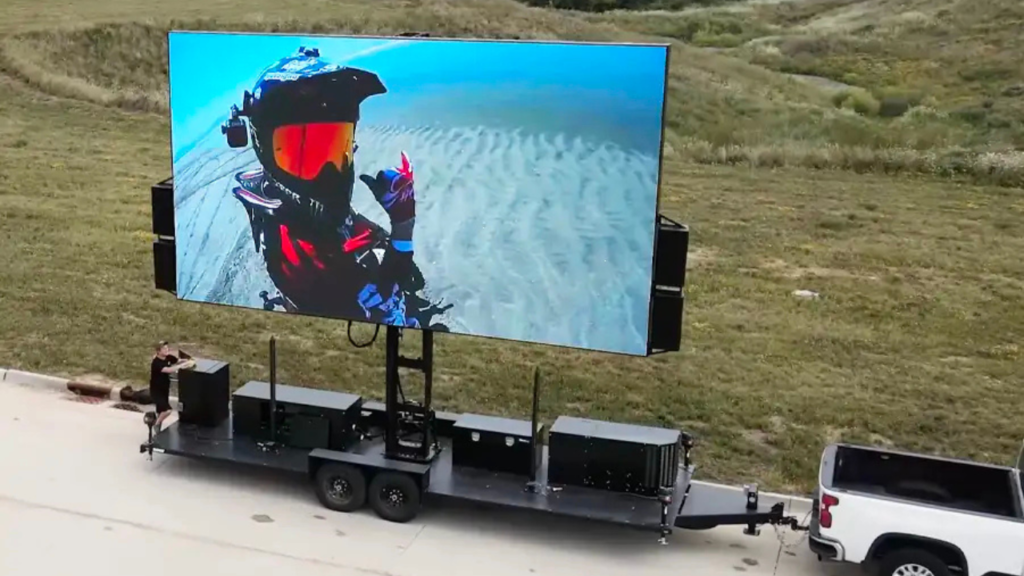
(1) Modular or mobile rental LED display
Generally speaking, mobile LED screen will cost less than modular LED display, and the labor cost will be less.
(2) Pixel pitch
As you may know, smaller pixel pitch often means a higher price and higher resolution. Even though the fine pixel pitch represents clearer images, choosing the best pixel value according to the actual viewing distance can be a cost-effective way.
For example, if your targeted viewers will be 20m away from the screen most of the time, then choose a P1.25mm LED display may be a good deal as the unnecessary premium. Just consult with the providers, and they are suspected to give you reasonable proposals.
(3) Outdoor or indoor use
Outdoor LED screens are more expensive than indoor LED displays most of the time as the requirements for outdoor displays are higher such as stronger protection capability and brightness.
(4) Labor cost
For example, if the installation is complex, and the number of LED modules you need to install is large, or the time duration is long, all these will lead to a higher labor cost.
(5) Service time
When the rental screen is outside of the warehouse, the charging is beginning. It means the cost will take the amount of time that takes to install the screen, set up the equipment, and disassemble it after the event finishing.
5.1 How Much Does A LED Wall Screen Cost?
The LED wall screen rental costs can be various from a few thousand dollars to hundreds of thousands of dollars. This depends on the sizes, configuration, applications, and so on.
In the first part of this chapter, we discuss several the most important parts of
If you are interested in LED screen rental cost, you can just send us messages right now to get the detailed quotations!
5.2 How to Get the Most Cost-efficient Rental Display?
How to negotiate the best price for your rental screen projects? After knowing the related factors that decide the pricing, we will give you some other insight tips to get the most cost-efficient rental LED displays.
(1) Get the right pixel pitch
The smaller the pixel pitch, the higher the price. For example, the renting fee of P2.5 LED display may be more expansive than P3.91 LED display a lot. So spend your money to chase the lowest pixel count sometimes can be unnecessary.
The optimal viewing distance is typically 2-3 times the pixel pitch number in meters. If your audiences will be 60 feet away from the display, then they may not find out the differences between the two pixels LED board. For example, the appropriate viewing distance for 3.91mm LED screens will be 8-12 feet.
(2) Shorten the total time of your LED screen rental project.
For LED rental projects, time is money. You can arrange the staging, lighting, and audio in place firstly, and then introduce the screen to the site.
What is more, don’t forget the shipping, receiving and installation will cost some time. That is one reason that why the user-friendly design of LED displays is quite important cause it will save lots of time and energy and they are often front and back services available. Try to streamline the process to save you more budget!
(3) Try to avoid peak periods or book in advance
Different events will have their peak demand windows. For example, try to avoid renting in some major holidays such as New Year, Christmas, and Easter.
If you want to rent the display for events held in these holidays, book the display in advance to prevent tight stock.
(4) Prepare redundancy at reduced rates
Spare parts and redundancy can set the safety net for your events, and many providers will offer you this part at a reduced rate or even for free.
Ensure the company you choose has experienced staff for repairing and replacing, meaning reducing the risks of any emergencies during your events.
6. Rental LED Screen Installation
The installation of rental LED screen should be easy and quick as the displays may be delivered to other places after the events finished. Usually, there will be professional staff majoring in the installation and daily maintenance work for you.
When installing the screen, please notice several aspects including:
(1) Move the cabinet carefully to avoid edge bumps which will lead to the troubles of LED lamp beads falling, and so on.
(2) Do not install the LED cabinets when they are powering on.
(3) Before powering on the LED screen, checking the LED modules with a multimeter to exclude problems.
Generally, there are some common installation methods including the hanging method, and stacked method, and so on.
The hanging way means the screen will be rigged to either an overhead truss system, a ceiling grid, a crane, or some other support structure from above; and the stacked method represents the staff will put all the weight of the screen on the ground, and the screen will be braced in multiple locations to make the screen “stand” stable and rigid.
7. How to Control Rental LED Display Board
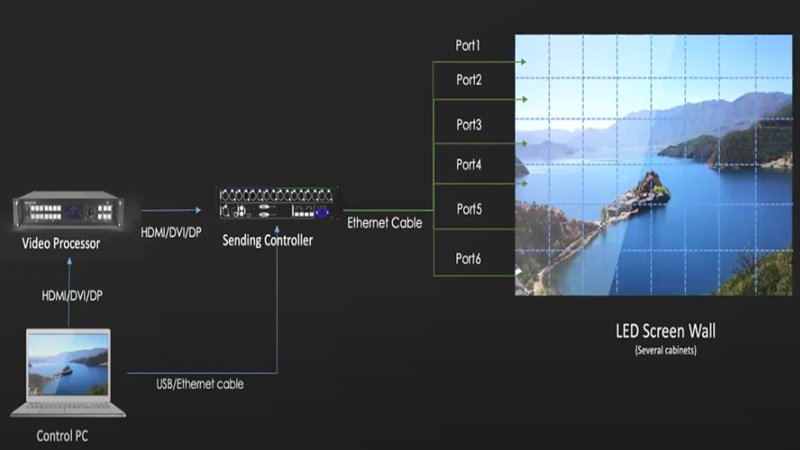
When you choose a LED display using synchronous control system, it means the display will show the real-time content of the computer screen connected to it.
The synchronous control method needs the computer (input terminal) to connect the synchronous sending box, and when the input terminal provides signal, the display will show the content, and when the input terminal stops the display, the screen will stop too.
And when you applying asynchronous system, it doesn’t display the same content that is being played on the computer screen, meaning you may edit the content firstly on the computer and send the content to the receiving card.
Under the asynchronous control method, the contents will be edited by computer or mobile phone firstly and will be sent to the asynchronous LED sender box.
The contents will be stored in the sender box, and the screen can display the contents that have already been stored in the box. This allows the LED displays to show the contents themselves separately.
Moreover, there are some points for you to understand the differences better:
(1) Asynchronous system mainly controls the screen by WIFI/4G, but you also can control the screen through computers too.
(2) One of the most obvious differences lies in the truth that you can’t play the real-time contents by the asynchronous control system.
(3) If the number of total pixels is under 230W, then both of the two control systems can be chosen. But if the number is larger than 230W, it is recommended you can only choose the syn control method.
Typical LED Display Control Systems
After we know the two types of common control methods, now let us get started to figure out several control systems we often apply:
(1) For asynchronous control: Novastar, Huidu, Colorlight, Xixun, and so on.
(2) For synchronous control: Novastar, Colorlight, and so on.
Moreover, how to choose the corresponding sending card/receiving card modes for the displays? There is a simple criteria – choose the one based on the loading capacity of the cards and the resolution of the screen.
8. Key Features to Consider When Choosing a Rental LED Display
As LED technology improves, knowing what to look for when choosing a rental LED display is important. Here are the key features to consider for your next project.
Pixel Pitch
Choose the right resolution based on viewing distance. Smaller pixel pitch is ideal for close-up viewing (indoor events), while larger pitch works for outdoor or large-audience displays.
Brightness Levels
Ensure the display’s brightness suits the event environment. Higher brightness is essential for outdoor daytime events, while indoor displays need less brightness.
Refresh Rate
A higher refresh rate (≥ 3840Hz) provides smoother visuals and prevents flickering, especially crucial for live video feeds and fast-moving content.
Durability and Weather Resistance
For outdoor events, opt for weatherproof displays (IP65 or higher) to protect against rain, dust, and extreme temperatures.
Modularity
Modular displays allow flexibility in size and shape, making it easy to adapt to various event layouts and audience sizes.
Ease of Setup
Quick and simple assembly saves time and labor costs. Ensure the rental provider offers professional support for hassle-free setup and dismantling.
Pixel Pitch – Pixel pitch refers to the distance between two adjacent pixels, measured in millimeters, and indicates pixel density. This affects the clarity and resolution of the screen as well as the optimal viewing distance. Generally, indoor rental LED displays require a smaller pixel pitch than outdoor models.
Resolution – The resolution of an LED display is determined by the number of pixels it has often expressed as (width x height) in pixels. For example, a screen with a resolution of 1920x1080p is 1,920 pixels wide and 1,080 pixels high. Higher resolution means better image quality and is suitable for closer viewing distances.
Brightness – Brightness is measured in nits. Outdoor LED screens typically need a brightness of at least 4,500 nits to remain visible in direct sunlight, while indoor screens usually require a brightness range between 1,000 and 3,000 nits.
IP Rating – The IP (Ingress Protection) rating measures a display’s resistance to dust, water, and other elements. For outdoor LED displays, an IP65 rating is necessary to ensure stable performance in various weather conditions, while some areas with high rainfall may require an IP68 rating. Indoor screens can typically function well with a lower IP rating, such as IP63.
How to Rental
a. Planning and Contacting
First, you need to determine if renting an LED display is necessary for your event and decide on the installation location. This involves gathering basic information such as the expected audience size and the optimal viewing distance. Once you have this, you can start looking for potential rental providers. A simple online search for the company’s name will lead you to its official website, where you’ll usually find dedicated staff ready to assist and provide details based on your requirements.
b. Contract and Preparation
After agreeing to the rental quote, the next step is signing the contract. Most LED providers require a down payment as a deposit, with the percentage varying between companies. If the contract is canceled before the event, the down payment may not be refundable.
At this point, the provider will assist with logistics and offer services like helping coordinate the setup. Additionally, you’ll typically need to submit a “run of show” document, outlining the content to be displayed during the event.
c. Execution
On the day of the event, at least one technician will be on-site to set up and operate the LED displays, addressing any technical issues that may arise. After the event concludes, the technicians will dismantle the equipment. At this stage, you can provide feedback on the service, or the provider may reach out to request a review of their performance.
Tips for Renting and Using Rental LED Display
(1) Select the Right Provider
When choosing a rental LED display provider, keep a few key points in mind. Start by picking a company with a strong reputation, which you can verify through online reviews and feedback. It’s also helpful to ask for case studies or examples of previous projects they’ve handled.
Next, focus on quality and service rather than just the lowest price. LED displays are specialized equipment, not consumer electronics, so durability and professional support are crucial, especially if you need technical assistance during setup and operation.
(2) Book in Advance
Rental LED screens may be in high demand, so it’s best to book well in advance to ensure availability for your event. The earlier you make arrangements, the more likely you’ll get the screens you need.
(3) Ensure the Right Aspect Ratio
When preparing content for an LED video wall, pay attention to the aspect ratio. For example, if your display is 960×540 with a 16:9 ratio, ensure your content matches this format, such as 1280×720 or 1920×1080. Choosing a higher resolution won’t necessarily improve image quality, so pick the appropriate size for your screen.
(4) Keep Content Simple and Clear
For better viewer engagement, avoid cluttered content. Use short, concise text and bold, large fonts. Clear, thematic messages are more effective and easier for audiences to read at a glance.
(5) Utilize Contrast Effectively
To grab attention, especially from a distance, use high contrast between the foreground and background. This enhances visibility and makes your content stand out, ensuring it’s easy for viewers to see, even from far away.
9. 3 Reasons of Choosing Ivan LED As LED Screen Rental Manufacturer
(1) High-definition LED display with good prices
Ivan LED provides a series of HD LED display based on your needs. Our MA series, NG series and so on all can support small pixel pitch LED displays.
The LED screen rental projects completed by us can be used perfectly in many applications that need HD LED display panel such as exhibitions, shopping malls, hotels and so on.
(2) Quick delivery with sufficient production capability
We owns matured and effective production lines that can produce high-quality LED display screens with fast delivery, which is improtant for LED display rental projects as many of them require timeliness.
(3) 7/24 services
Ivan LED provides well-around 7/24 pre-sale services, mid-sale services and after-sale services!
Just send a message to us and tell us your requirements, our professional staff will provides you proposals and detailed quotation.
Also, we have high-level technicans to offer you technical guidance such as connection and installation.
3-years warranty are our advantages all the time.


10. FAQs of LED Screen Rental
(1) How about the costs of the LED screen rental project?
Undoubtedly, one of the most concerning factors when renting an LED display is the pricing. Typically, LED display companies do not list rental prices online due to varying costs based on specifications, event location, functions, availability, and more.
However, there are still guidelines you can follow to gain an overall understanding and estimate of the pricing breakdown.
(2) What are the suitable pixel pitches?
Here are some common pixel pitches such as P2.6, P2.97, P3.91, and P4.81. The suitable pixel pitch should be chosen based on viewing distance, budgets, and so on.
Selecting the right pixel pitch depends on various factors, including the viewing distance of your intended audience, event locations, cost-effectiveness, and more. It’s crucial to seek guidance from a trusted rental LED company for professional advice.
(3) What services can be included with LED wall rental projects?
There are several factors to consider when calculating the cost of renting an LED screen. Firstly, ensure that the cost includes timely after-sale services such as technical support during your rental term. It’s crucial to choose a reliable company that provides quality service, especially if you’re new to LED displays.
Secondly, a skilled LED technician will be onsite to handle the setup, operation, and tear-down of the rental LED screen.
Thirdly, sound and power are generally included in the rental rate. However, additional costs may apply for services like camera feeds or extra installation workers, which may be charged separately in most cases.
(4) What is the mobile LED display price?
The pricing for mobile LED screen rental varies depending on factors such as product size, event location, and availability. To provide you with an accurate quote tailored to your specific event needs, please contact us today. We would be happy to discuss your event and explore how we can assist you.
(5) What are the differences between LED screens, TV, projectors, and LCD display?
For example, LED display screen has higher brightness level and high protection ability. If you need to install the screen outdoors and also have the ability to show contents clearly under direct sunlight, just choose LED screen.
(6) What warranty do you offer for the LED displays?
We provide our customers with a 2-3 year warranty along with long-term technical support and after-sales services. Components fees are applicable, and customers are responsible for round-trip freight charges.
(7) How is the quality of your products?
Firstly, all our components are sourced from internationally renowned companies such as Nationstar, Kinglight, Meanwell, ensuring the quality of our LED lamp beads, power supply, flat cables, and LED controllers.
Secondly, we implement strict utility and quality testing, including a 72-hour aging test for every LED display before delivery from our professional aging workshop.
Thirdly, our experienced team of technicians, sales staff, and management, with over 10 years of industry expertise, supports our mature production line and comprehensive services.
(8) Do you provide spare parts for emergencies?
Yes, we do. We offer 5% spare parts free of charge to our customers for self-replacement when LED modules fail.
(9) Can you provide samples?
Yes, we can. You can participate in our special sample activity by contacting us, and LED display modules and cabinets can be sent to you as free samples.
(10) Do you offer OEM or ODM service?
Yes, we do. We can incorporate your logo on the PCB board, package, and cabinet. With strong OEM and ODM capabilities, we can accommodate almost all your requirements.
(11) Do the rental LED screens you provide offer high visual performance?
According to your requirements, we can produce LED display screens with refresh rates up to 7860Hz and maximum brightness around 12,000 nits, meeting basic requirements such as wide grayscale of 14-16 bits and viewing angles.
(12) How Much Time the Set-up Will Cost?
Generally speaking, the installation of rental mobile LED screen will cost less time than modular rental LED screen. The set-up of the former can be fast and labor saving, and it even can be completed within 30 minutes. And the modular LED video walls are a little more labor intensive, and the probable time costing is determined by the size of the screen.
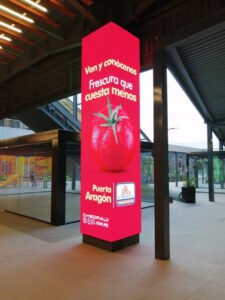
If your rental LED screen for events is a large one, don’t forget to leave enough time for the preparation.
(13) Do You Supply Power?
The mobile ones usually contain on-board generator power, and modular LED displays frequently include power supply if it is a necessity, but some companies also will charge for them.
The amount of power needed usually based on the size of LED screen, and the power requirements should be communicated timely and throughly with your LED display rental company at the stage of planning.
(14) Will Sound Be Provided?
Mobile LED displays will contain on-board speakers, and the modular LED wall may provide this or you will need to pay for them, so consult with your supplier in advance.
(15) What Contents Can I Display?
There is almost no limitation to what you want to play on the rental LED wall – you can display advertisements, movies, scorings, camera feeds, statistic pictures and so on. It is easy to understand that the content possibility has huge potentials with the display technologies been developing for decades.
However, some factors such as the resolution of the LED display screen, the video input and output should be reviewed before you deliver your content to the screen.
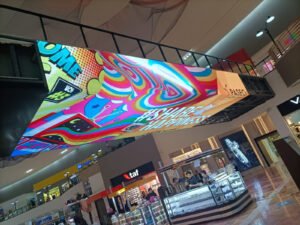
The incompatibility between the video sources and the specifications of the LED rental wall will lead to the sources wasting. Still the same, ask the LED rental company for more details before your activities, and they shall give you practical suggestions.
(16) TV, Projectors, Rental LED Display, Which One Do I really Need?
For this question, you can consider them from the matching degree of your exact requirements and the features of these media devices. There are several questions you can consider from:
a. Where is the location site? See if it is indoor or outdoor? If the application site is outdoor, then the changing environment may ask for stronger durability, and the LED screen will be best for you.
b. Whether there will be mass simultaneous viewing, and whether you need high-quality display even under the sunlight? If the answer is the yes, then the rental LED screen wall stands out for its discretionary size and adjustable brightness.
Finally, there is a “popular contestants” – LCD screen. It comes forward due to the comparatively low initial price point, and mature technology. You can click LED and LCD for more tips for making a choice between them.
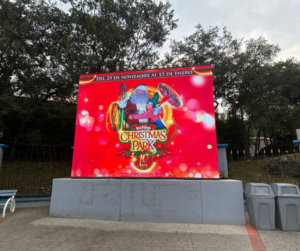
11. Parts of Ivan LED Wall Rental Customer Cases!