











LED screen for Museum
Modern museums installing the LED screen will help visitors understand the history, information, and knowledge through videos, pictures, and voice. The museum LED screens to make the visitors enjoyable and impressive of their journey
How Does An LED Screen Help For Museum
Easy wayfinding
When you arrive near the museum and worry about how to park, the front LED display indicates that turning left 300 meters is a parking space, showing that you are welcome to visit. When you park your car and look for the museum entrance, it is not far ahead. An LED electronic screen tells you whether you feel convenient when you reach the door 50 meters ahead.
Deep learning experience
How long would you stay if you saw a small model of an ancient building in a museum? 10 seconds? 3 seconds? It’s still 1 minute; it all depends on how it is displayed to the audience. An LED display is installed next to it can vividly describe how the building was built. The delicate and high-definition picture restores the scene, making you immersive. To feel the overlooking history of the building, experience the feeling of wind and rain, greatly understand the past story, and stimulate the surrounding historical interest points.
Attract tourists
The gate of the museum and the building at the entrance are the key to personal impressions. The static architectural design and the dynamic LED video display bring visual enjoyment. At the same time, the content of the video playback can be designed according to the museum’s theme. It’s such a beautiful picture, Always wanting to keep it with the camera, tourists can’t help but take a few more photos and post them on social platforms, attracting more people to visit. At the same time, the museum holds new activities, and the rich communication methods inspire more people to participate.
Where Does The LED Screen Used For Education
Find the right place in your school to install the LED screen
Digital Exhibition
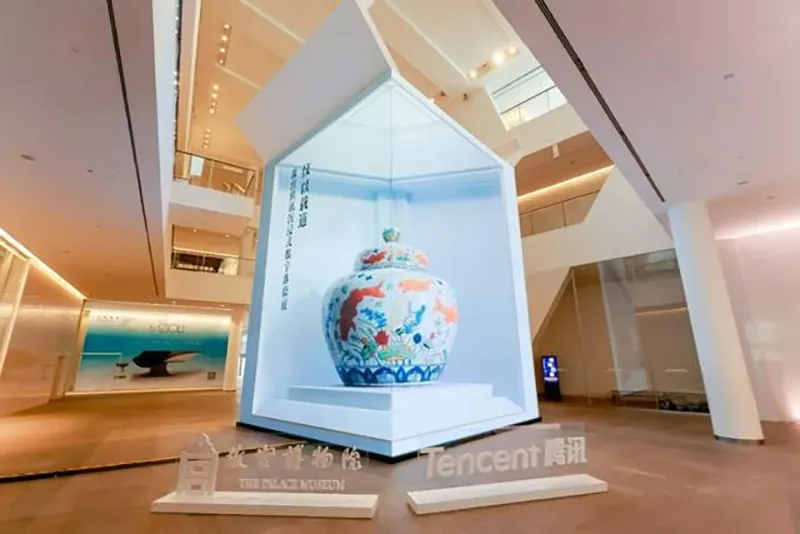
Digital exhibitions are inseparable from the support of display equipment. With the help of LED displays, static cultural relics or exhibits are presented in front of people.
This unique exhibition format provides a novel learning experience. The extensive interactive media wall fully displays the details of the exhibits. Immersive display solutions bring unlimited imagination.
Welcome Wall
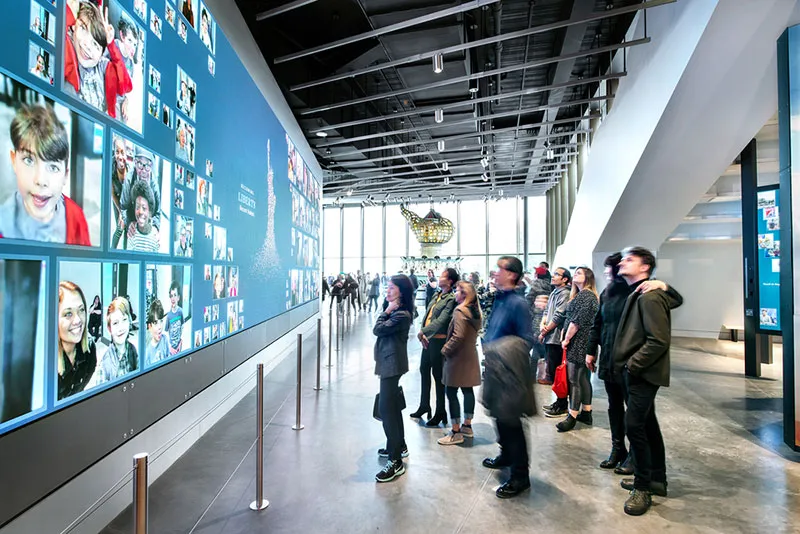
The large indoor LED display screen can broadcast museum introduction, exhibition information, exhibit information, and other information. It also provides guidance on how to get the best visiting experience.
Screens in the lobby or foyer create a unique atmosphere and set the tone for the space and building branding. When visitors enter the museum, LED displays can provide them with effective information such as exhibits.
Interactive Exhibition
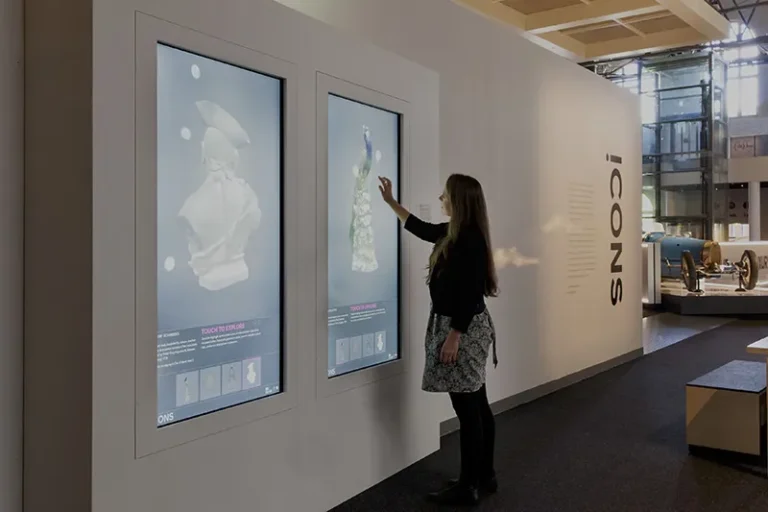
In museums, science museums, or other exhibition venues, full-color LED display is a good choice to create interactive exhibits.
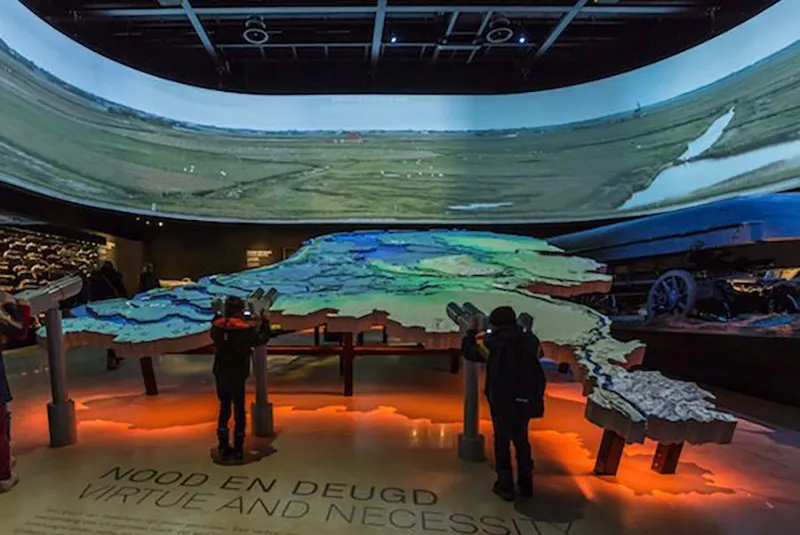
Visitors can interact with the exhibition by touching the screen or other interactive ways to explore different themes and contents. LED screens can display information, images, and animations related to audience interaction.
Exhibits Introduction
How to better introduce all information about exhibits to visitors? The LED display quickly attracts people’s attention with its high-definition and delicate pictures.
Imagine you stand in front of an exquisite handicraft, and the LED display next to it vividly describes its craft details and cultural stories behind it. Isn’t this more attractive than a simple verbal description?
The LED Display Makes Museum Exhibits More Vivid
LED display museums have become an eye-catching display method in modern exhibitions. Through advanced LED display technology, the museum can vividly and intuitively display the origin, production process, and stories behind the exhibits, greatly enriching the audience’s visiting experience. This technology not only makes the exhibits themselves more fascinating but also allows the audience to maintain a high level of interest and participation during the appreciation process through a highly interactive display format and no longer find the exhibits monotonous and boring.
The Museum of Modern Art in New York has held many digital art exhibitions, and LED displays are widely used to display these digital artworks to highlight their visual effects and innovation. The extra-large LED display presents clearer and more vivid images.
Some exhibits introduce interactive elements to actively engage the audience. LED displays are used to display the interfaces of interactive games and interactive devices and also allow audiences to share their creative works in exhibitions.
Creative Applications Of LED Displays In Museum Exhibitions
These creative applications not only enrich the display format of museum exhibitions but also improve the audience’s participation and experience, making museum exhibitions more vivid, interesting, and technologically rich.

Immersive narrative
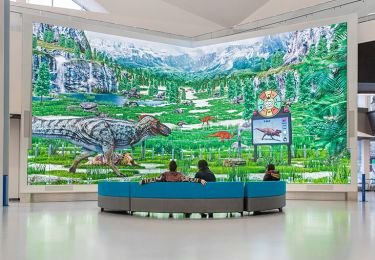
Virtual reality and augmented reality
LED displays can be combined with VR/AR equipment to provide viewers with virtual or augmented reality experiences. Audiences can wear VR glasses and see virtual exhibits or scenes through the LED display.
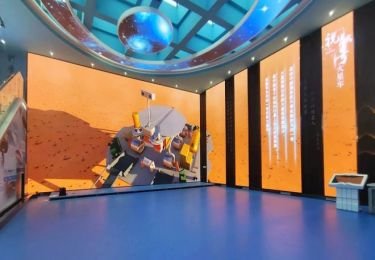
Cross-media integration
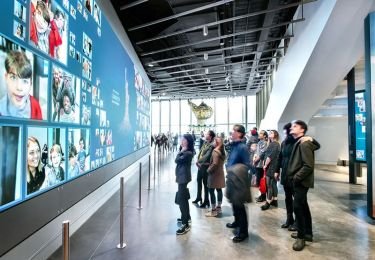
Dynamic art display
The dynamic picture effect of LED display can display some works of art that are difficult to present through traditional display methods. For example, the creative process of a painting or sculpture can be shown through moving images and animations.
LED Screens For Museum FAQ
If you still have questions about the LED display, it’s okay! We’ll help you answer it now! If you want to know more details about the museum LED display, please contact us.
Still have some questions?
1. Can the floor LED screen in the museum be controlled remotely?
2. How compatible are museum LED displays with dimming systems?
The compatibility of museum LED displays with dimming systems mainly depends on the design of the display and the type of dimming system. For specific information, please consult the LED display supplier.
3. Regarding the color rendering index, what is the performance of museum LED displays?
In a museum environment, the color rendering index (CRI) of LED displays is often very demanding to ensure that the colors and textures of exhibits can be accurately and realistically displayed. LED displays with a high color rendering index (CRI 80 or above) can better restore the true colors of exhibits, making them more vivid and natural.
4. What is the general point spacing of LED display screens in museums?
The point spacing of LED display screens in museums is generally determined based on the screen size and viewing distance. In places like museums that require fine display and a clear visual experience, the pixel pitch of the LED display is usually chosen to be smaller to ensure that the audience can clearly see the content on the screen.
Conclusion
Good museums and museum exhibits are the ones that attract visitors and encourage them to learn and experience the subject actively. Not only can LED displays show visitors that the interaction will take you into a whole new world, but the immersive and realistic atmosphere is fascinating. Make visitors both enjoy and remember their experience.
Due to different museum environments, the best way is to implement different kinds of LED displays and LCD displays, IvanLED provides you with LED displays for different purposes in museums; these include outdoor LED displays, indoor LED displays, creative LED displays screens, LED floor screen, etc.