








Bagian 1: Mengapa Suhu Tampilan LED Penting
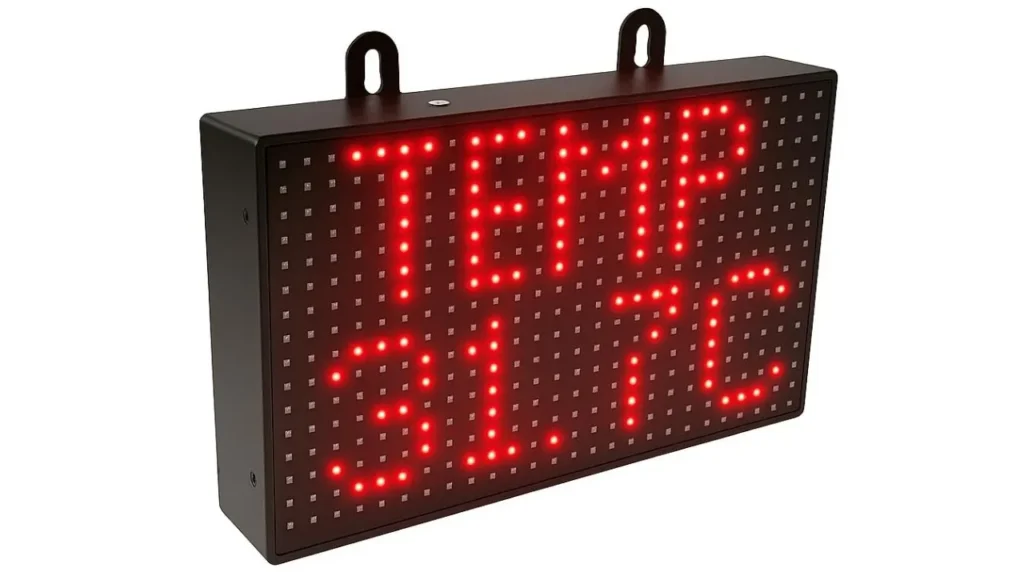
Panas adalah musuh #1 dari tampilan LED. Setiap komponen menghasilkan panas - Chip LED, catu daya, catu daya, IC driver. Jika panas tersebut tidak dihilangkan, maka akan menyebabkan:
| Masalah | Apa yang terjadi | Ketika Anda memperhatikan |
| Kehilangan kecerahan | LED menghasilkan lebih sedikit cahaya per watt | Setelah 1-2 tahun penggunaan 24/7 |
| Pergeseran warna | Keseimbangan putih melayang, warna terlihat salah | Bertahap, dari waktu ke waktu |
| Piksel mati | LED individu gagal | Acak, meningkat seiring bertambahnya usia |
| Kegagalan komponen | Catu daya, kapasitor gagal | Layar mati secara tiba-tiba |
| Umur berkurang | 100.000 jam → 50.000 jam | Dalam 3-5 tahun |
Layar LED yang didinginkan dengan baik dapat bertahan selama 100.000+ jam (11+ tahun penggunaan 24/7). Layar yang tidak didinginkan dengan baik dapat rusak dalam 3-5 tahun.
Bagian 2: Sumber Panas pada Layar LED
1. Chip LED
LED mengubah listrik menjadi cahaya - dan panas. Hanya 20-40% energi yang menjadi cahaya. Sisanya menjadi panas.
| Faktor | Berdampak pada panas |
| Arus mengemudi yang lebih tinggi | Lebih panas |
| Operasi yang lebih lama | Panas terakumulasi |
| Lebih kecil jarak piksel | Lebih banyak LED per area = lebih banyak panas |
2. Catu Daya
Catu daya mengubah AC ke DC. Konversi ini tidak efisien 100% - energi yang terbuang menjadi panas.
Efisiensi yang khas:
Catu daya anggaran: Efisien 80-85% (15-20% menjadi panas)
Catu daya premium (Meanwell): Efisien 90-93% (7-10% menjadi panas)
3. IC Driver
IC driver mengontrol masing-masing LED. IC ini menghasilkan panas selama pengoperasian. IC berkualitas tinggi bekerja lebih dingin daripada IC murah.
4. Panas Lingkungan
| Lingkungan | Tantangan panas |
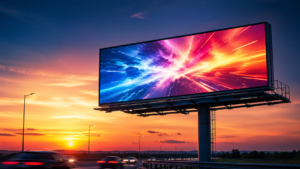
| Di luar ruangan (cerah) | Matahari menambah panas yang signifikan (suhu permukaan hingga 50°C) |
| Di luar ruangan (tertutup) | Tidak ada aliran udara, panas menumpuk |
| Di dalam ruangan (ventilasi buruk) | Panas yang terperangkap terakumulasi |
| Ketinggian tinggi | Pendinginan yang kurang alami (udara lebih tipis) |
Bagian 3: Kisaran Suhu Optimal
Suhu Operasional
| Kondisi | Kisaran suhu | Apa yang terjadi di luar jangkauan |
| Ideal | 0°C hingga 40°C | Performa optimal |
| Dapat diterima | -10°C hingga 50°C | Umur berkurang |
| Berbahaya. | Di bawah -20°C atau di atas 60°C | Kerusakan atau kegagalan |
Suhu Penyimpanan
| Kondisi | Kisaran suhu | Mengapa ini penting |
| Penyimpanan yang ideal | -20°C hingga 60°C | Integritas komponen |
| Dingin yang ekstrem | Di bawah -30°C | Sambungan solder dapat retak |
| Panas yang ekstrim | Di atas 70°C | Bahan enkapsulasi mengalami degradasi |
Bagian 4: Persyaratan Suhu di Dalam Ruangan vs. di Luar Ruangan
| Faktor | Layar LED Dalam Ruangan | Layar LED Outdoor |
| Suhu lingkungan | Terkendali (tipikal 18-25°C) | Variabel (-10°C hingga 50°C) |
| Paparan sinar matahari | Tidak ada | Sinar matahari langsung menambah panas |
| Metode pendinginan | Pasif (heatsink, aliran udara) | Aktif (kipas angin, AC) |
| Peringkat IP | IP20-IP40 (aliran udara OK) | IP65 (disegel - lebih sulit untuk didinginkan) |
| Tantangan termal | Ventilasi yang buruk | Kandang tertutup + matahari |
Wawasan utama: Layar luar ruangan lebih sulit untuk didinginkan karena disegel untuk kedap air. Peringkat IP65 berarti tidak ada pertukaran udara - panas tetap berada di dalam.
Bagian 5: Bagaimana Suhu Tinggi Merusak Tampilan LED
Degradasi Kecerahan
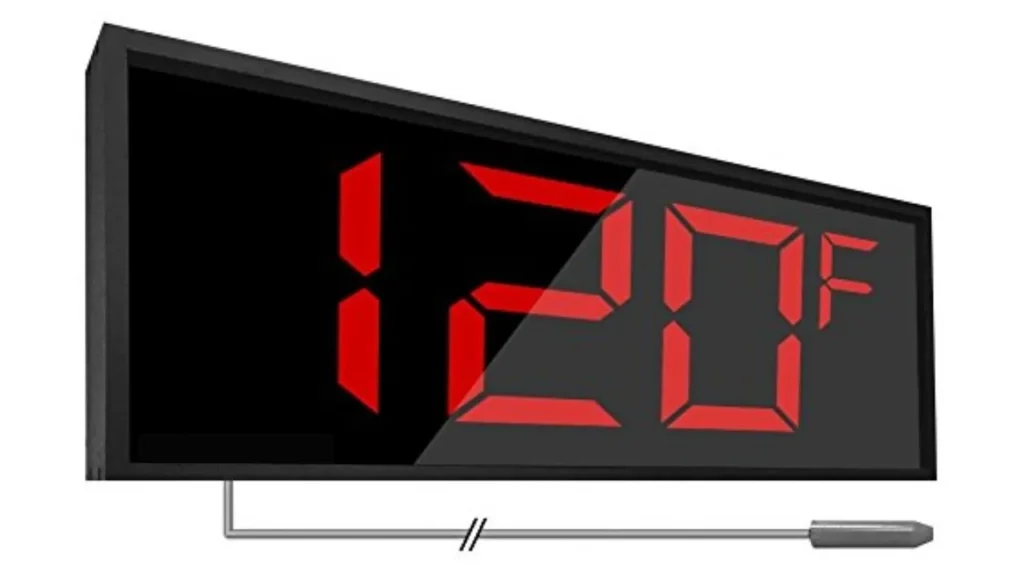
Kecerahan LED berkurang seiring dengan meningkatnya suhu.
| Suhu persimpangan | Kecerahan relatif | Dampak |
| 25°C (ideal) | 100% | Baseline |
| 60°C | 85-90% | Peredupan yang terlihat jelas |
| 85°C | 70-80% | Kerugian yang signifikan |
| 100°C+ | <60% | Degradasi parah |
Pergeseran Warna
Lapisan fosfor (yang menghasilkan cahaya putih) akan terdegradasi oleh panas.
| Gejala | Karena | Hasil |
| Putih menjadi kuning | Degradasi fosfor | Warna terlihat salah |
| Warna yang tidak konsisten | Pemanasan yang tidak merata di seluruh modul | Penampilan tambal sulam |
| Perubahan warna dari waktu ke waktu | Degradasi bertahap | Perlu kalibrasi ulang yang sering |
Umur Berkurang
| Suhu | Umur LED yang diharapkan | Dibandingkan dengan yang ideal |
| 25°C | 100.000 jam | Baseline |
| 50°C | 70.000-80.000 jam | 20-30% lebih pendek |
| 75°C | 40.000-50.000 jam | 50% lebih pendek |
| 85°C+ | <25.000 jam | 75% lebih pendek |
Setiap 10°C di atas suhu ideal akan mengurangi masa pakai LED sekitar 20-30%.
Kegagalan Komponen
| Komponen | Efek panas |
| Kapasitor | Elektrolit mengering → kegagalan |
| Sumber daya listrik | Efisiensi turun → lebih banyak panas → kegagalan |
| Sambungan solder | Bersepeda termal → retak |
| Konektor | Oksidasi, pelonggaran |
Bagian 6: Bagaimana Suhu Rendah Mempengaruhi Tampilan LED
| Masalah | Apa yang terjadi | Dampak |
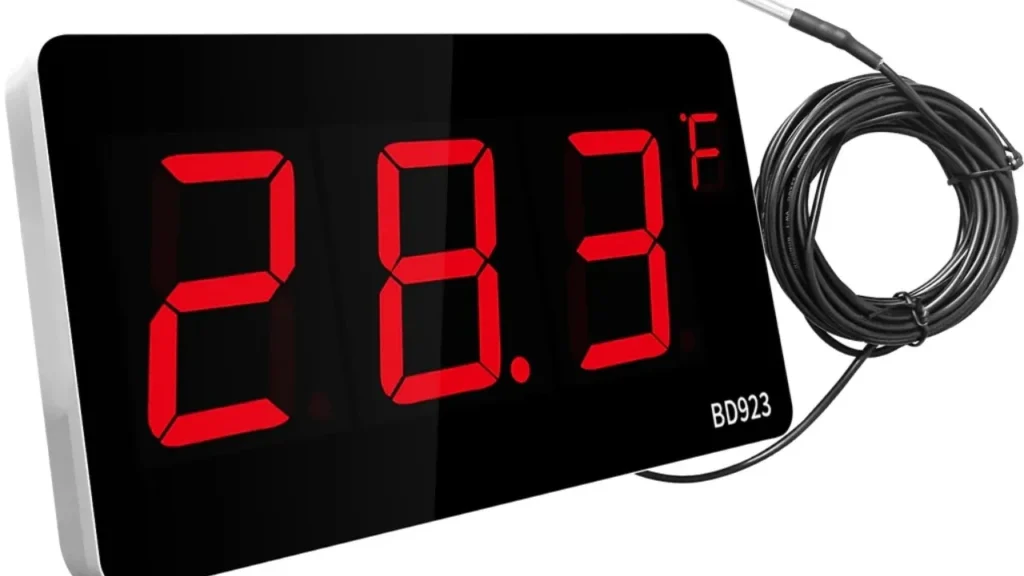
| Penyalaan lambat | Komponen merespons dengan lambat saat dingin | Gambar tertunda, berkedip-kedip |
| Kontraksi material | Bahan yang berbeda menyusut dengan kecepatan yang berbeda | Konektor longgar, solder retak |
| Kekakuan kabel | Kabel menjadi kurang fleksibel | Masalah sinyal |
| Ketidakstabilan catu daya | Tegangan dapat berfluktuasi | Pengaturan ulang sistem |
Pencegahan: Untuk layar luar ruangan di iklim dingin, carilah layar dengan pemanasan awal built-in atau rentang suhu yang diperpanjang (-20°C hingga 50°C).
Bagian 7: Teknologi Manajemen Termal
Pendinginan Pasif (Tidak ada bagian yang bergerak)
| Metode | Bagaimana cara kerjanya | Terbaik untuk |
| Pendingin | Sirip aluminium menghilangkan panas | Sebagian besar tampilan dalam ruangan |
| Bantalan termal | Memindahkan panas dari komponen ke sasis | Tampilan nada halus |
| Bukaan ventilasi | Aliran udara alami | Dalam ruangan, daya rendah |
| Lemari aluminium | Kabinet berfungsi sebagai pendingin | Dalam ruangan standar |
Kelebihan: Senyap, perawatan rendah, tanpa konsumsi daya.
Kekurangan: Kapasitas pendinginan yang terbatas.
Pendinginan Aktif (Dengan bagian yang bergerak)
| Metode | Bagaimana cara kerjanya | Terbaik untuk |
| Kipas pendingin | Sirkulasi udara paksa | Sebagian besar di luar ruangan, dalam ruangan besar |
| Penyejuk udara | Pendinginan berbasis kompresor | Luar ruangan yang ekstrem (gurun, tropis) |
| Pendinginan cair | Pendingin bersirkulasi | Kelas atas, kecerahan sangat tinggi |
Kelebihan: Pendinginan yang kuat, bekerja dalam suhu tinggi.
Kekurangan: Memakan daya, membutuhkan perawatan, kipas dapat rusak.
Pemantauan Cerdas
| Fitur | Bagaimana cara kerjanya | Manfaat |
| Sensor suhu | Memantau suhu internal dan sekitar | Peringatan dini panas berlebih |
| Penyesuaian kecerahan otomatis | Meredupkan layar saat terlalu panas | Melindungi komponen |
| Kontrol kecepatan kipas | Menyesuaikan kecepatan kipas berdasarkan suhu | Menghemat daya, mengurangi kebisingan |
| Pemantauan jarak jauh | Melihat suhu dari jarak jauh | Pemeliharaan prediktif |
Bagian 8: Cara Memilih Tampilan LED dengan Manajemen Termal yang Baik
Daftar Periksa untuk Pembeli
| Langkah | Apa yang harus dicari | Bendera merah |
| 1 | Kabinet aluminium (bukan plastik atau baja tipis) | Plastik atau logam tipis |
| 2 | Heatsink atau kipas yang terlihat (untuk di luar ruangan) | Tidak ada pendinginan yang terlihat |
| 3 | Kisaran suhu pengoperasian yang ditentukan (-20°C hingga 50°C) | Kisaran sempit (0°C hingga 40°C) |
| 4 | Termasuk sensor suhu | “Tidak diperlukan” |
| 5 | Kipas untuk layar IP65 luar ruangan | Tidak ada kipas pada layar luar ruangan |
| 6 | Catu daya yang baik atau berkualitas | Catu daya umum |
Pertanyaan untuk Ditanyakan kepada Pemasok Anda
| Pertanyaan | Mengapa ini penting |
| “Berapa suhu pengoperasian maksimum?” | Menentukan kesesuaian untuk iklim Anda |
| “Apakah layar memiliki sensor suhu?” | Memungkinkan manajemen termal yang cerdas |
| “Metode pendinginan apa yang digunakannya?” | Pasif vs aktif - berdampak pada keandalan |
| “Merek catu daya apa?” | Meanwell adalah premium; generik gagal lebih cepat |
| “Apakah Anda memiliki data uji termal?” | Memverifikasi klaim |
| “Apa garansi untuk komponen pendingin?” | Penggemar gagal - ketahui cakupan |
Bagian 9: Spesifikasi yang Direkomendasikan berdasarkan Aplikasi
| Permohonan | Pendinginan yang disarankan | Kisaran suhu pengoperasian | Catatan |
| Dalam ruangan (standar) | Pasif (heatsink) | 0°C hingga 40°C | Memadai untuk sebagian besar |
| Dalam ruangan (nada halus) | Penggemar pasif + penggemar | 0°C hingga 40°C | Pitch yang halus menjadi lebih panas |
| Di luar ruangan (standar) | Aktif (kipas angin) | -10°C hingga 50°C | Minimum untuk di luar ruangan |
| Di luar ruangan (iklim panas) | Aktif + AC | -10°C hingga 50°C+ | Gurun, tropis |
| Di luar ruangan (iklim dingin) | Aktif dengan pemanasan awal | -20°C hingga 50°C | Untuk daerah yang membeku |
Bagian 10: Pemeliharaan untuk Kontrol Suhu
| Tugas | Frekuensi | Mengapa |
| Ventilasi udara bersih | Bulanan | Debu menghalangi aliran udara |
| Periksa pengoperasian kipas angin | Bulanan | Kipas gagal = panas berlebih |
| Memeriksa sambungan kabel | Triwulanan | Panas melonggarkan koneksi |
| Memantau data suhu | Sedang berlangsung | Peringatan dini tentang masalah |
| Pembersihan profesional | Setiap tahun | Komponen internal yang sangat bersih |
Tanda-tanda Masalah Suhu
| Masuk | Apa artinya | Tindakan |
| Kipas yang selalu bekerja maksimal | Sistem terlalu panas | Periksa aliran udara, bersihkan ventilasi |
| Kecerahan berfluktuasi | Perlindungan termal aktif | Mengurangi kecerahan, meningkatkan pendinginan |
| Pergeseran warna selama pengoperasian | LED terlalu panas | Periksa sistem pendingin |
| Pematian acak | Proteksi panas berlebih terpicu | Pemeriksaan pendinginan segera |
| Suara kipas yang tidak biasa | Kipas gagal | Ganti kipas angin |
Tampilan LED Ivan
Di IvanLED, kami memprioritaskan manajemen termal di semua layar kami:
Lemari aluminium - Pembuangan panas secara alami
Sensor suhu - Pemantauan waktu nyata
Pendinginan aktif (kipas) - Pada model luar ruangan
Catu daya yang baik - Efisiensi tinggi, lebih sedikit panas
Chip LED berkualitas - Nationstar, Kinglight (performa termal yang lebih baik)
Garansi 1 tahun - Ketenangan pikiran
Beritahu kami iklim, aplikasi, dan jam operasional Anda. Kami akan merekomendasikan solusi pendinginan yang tepat dan memberikan penawaran gratis.
Pertanyaan yang Sering Diajukan
T: Bagaimana suhu memengaruhi masa pakai layar LED?
Setiap 10°C di atas suhu ideal akan mengurangi masa pakai sebesar 20-30%. Layar yang bekerja pada suhu 75°C dan bukan 35°C dapat bertahan 40.000-50.000 jam, bukan 100.000+ jam.
T: Apakah tampilan LED luar ruangan membutuhkan AC?
Di sebagian besar iklim, kipas angin sudah cukup. Pada iklim yang sangat panas (gurun, tropis, sinar matahari langsung sepanjang hari), AC mungkin diperlukan. Tanyakan kepada pemasok Anda untuk rekomendasi khusus iklim.
T: Mengapa tampilan nada halus menjadi lebih panas?
Tampilan nada halus memiliki lebih banyak LED per meter persegi. Lebih banyak LED = lebih banyak panas. Layar P1.5 mungkin memerlukan pendinginan 2-3x lebih banyak daripada layar P4 dengan ukuran yang sama.
T: Dapatkah saya menggunakan tampilan dalam ruangan di luar ruangan jika saya menambahkan pendingin?
Tidak. Layar dalam ruangan tidak memiliki kedap cuaca (peringkat IP) dan memiliki kecerahan yang tidak memadai. Menambahkan pendinginan tidak menyelesaikan masalah tersebut. Belilah layar dengan peringkat luar ruangan.
T: Bagaimana cara mengetahui jika layar saya terlalu panas?
Tanda-tandanya antara lain: kipas yang bekerja secara terus-menerus pada kecepatan maksimum, kecerahan yang berfluktuasi, pergeseran warna, pematian secara acak, atau pesan kesalahan dari perangkat lunak kontrol. Memantau data suhu jika tersedia.
T: Apakah IvanLED menyediakan pemantauan suhu?
Ya. Tampilan luar ruangan kami mencakup sensor suhu dengan kemampuan pemantauan jarak jauh. Hubungi kami untuk detailnya.