








LCD(액정 디스플레이)란 무엇인가요?

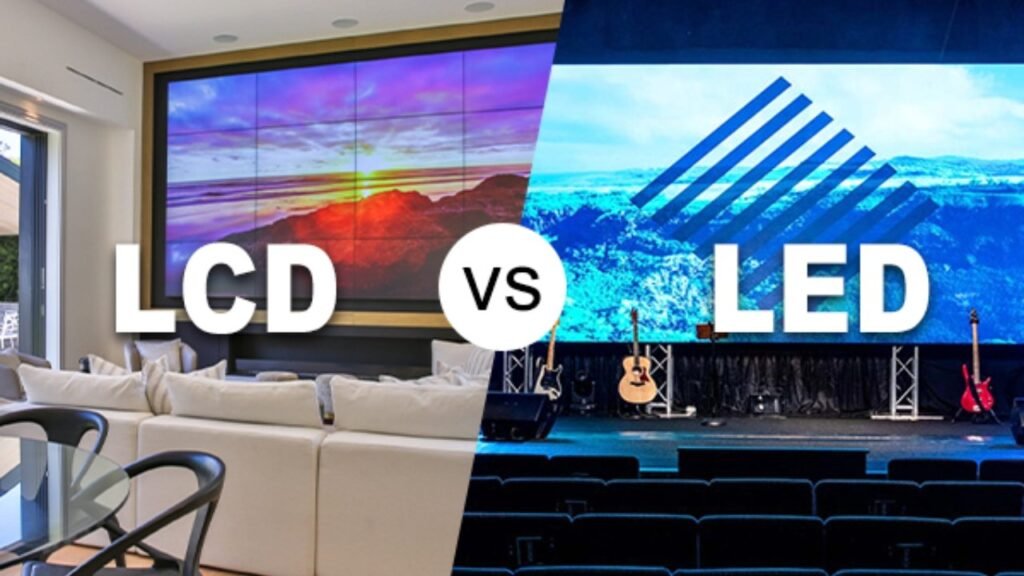
LCD는 다음을 나타냅니다. 액정 디스플레이. 액정을 사용하여 이미지를 생성하며, 액정을 통해 백라이트(보통 형광등 또는 구형 LED)가 빛을 비춥니다.
상업적 용도의 경우 LCD는 종종 함께 타일링 를 사용하여 비디오 월을 만들 수 있습니다. 그러나 비디오 월은 베젤(화면 사이의 간격) , 를 사용하면 시각적 효과를 망칠 수 있습니다.
일반적인 상업용 LCD 용도:
- 소매점 간판(중소형)
- 실내 메뉴 보드
- 회의실 디스플레이
- 보안 모니터 월
LED(발광 다이오드) 디스플레이란 무엇인가요?

LED는 다음을 나타냅니다. 발광 다이오드. LED 디스플레이는 수천 개의 작은 LED를 개별 픽셀로 사용하여 이미지를 생성합니다. LCD와 달리 별도의 백라이트가 필요하지 않습니다.
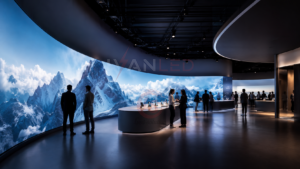
상업적 용도의 LED 디스플레이는 다음과 같습니다. 모듈형. 여러 개의 패널을 연결하여 눈에 띄는 간격 없이 원하는 크기나 모양을 만들 수 있습니다.
일반적인 상업용 LED 용도:
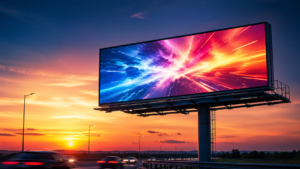
- 옥외 광고판 및 고속도로 표지판
- 콘서트 무대 배경
- 이벤트 및 결혼식용 스크린 대여
- 쇼핑몰 센터피스
- 교회 성소 스크린
- 스포츠 경기장 스코어보드 및 리본 보드
상업적 사용의 주요 차이점
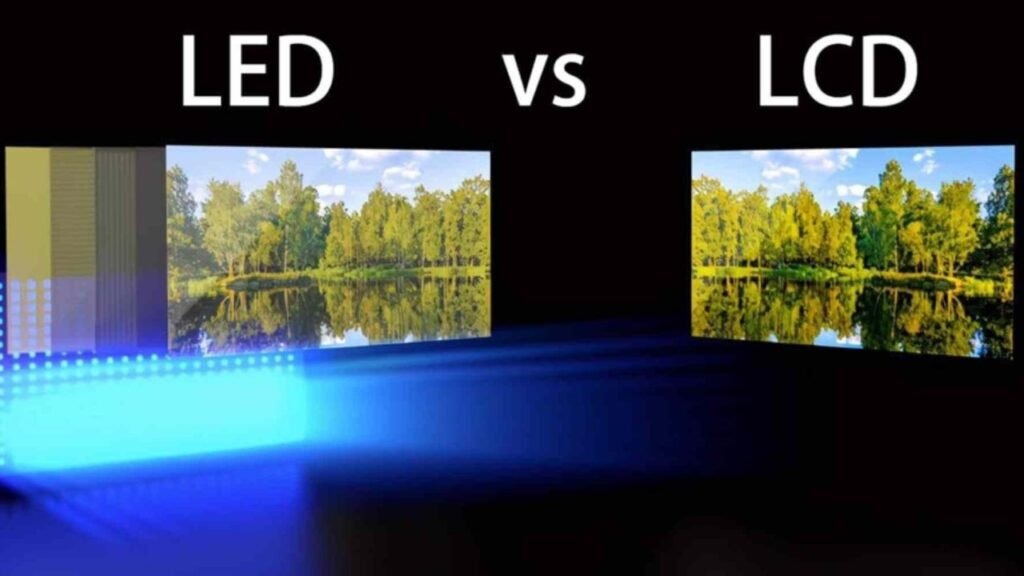
비즈니스 프로젝트를 위해 선택할 때 가장 중요한 차이점은 다음과 같습니다.
1. 매끄러운 접합 대 눈에 보이는 베젤
| 기능 | LCD 비디오 월 | LED 디스플레이 |
| 패널 사이의 간격 | 예 - 베젤이 보이는 경우(3.5mm ~ 5.5mm) | 아니요 - 완전히 원활함 |
| 최상의 대상 | 소형 실내 간판(2~4개 패널) | 대형 화면, 몰입감 넘치는 경험 |
| 시각적 효과 | 선으로 인해 이미지가 깨집니다. | 하나의 연속 이미지 |
Winner: 수상자: LED - 베젤이 없다는 것은 진정한 심리스 디스플레이를 의미합니다.
2. 밝기(실외 및 주변광이 강한 경우 중요)
| 기능 | LCD 디스플레이 | LED 디스플레이 |
| 일반적인 밝기 | 300 - 700 니트 | 1,000 - 6,000개 이상의 니트 |
| 실외 가시성 | 햇빛이 부족함 | 직사광선 아래에서도 탁월한 성능 |
| 최상의 대상 | 실내, 저조도 환경 | 야외, 반실외, 밝은 로비 |
Winner: 수상자: LED - 자연광이 들어오는 모든 장소에는 LED가 유일한 선택입니다.
3. 전력 소비량
| 기능 | LCD 디스플레이 | LED 디스플레이 |
| 평방미터당 전력 사용량 | 더 높음(백라이트 항상 켜짐) | 낮음~보통(콘텐츠에 따라 다름) |
| 장기 비용 | 더 높은 전기 요금 | 전기 요금 절감 |
Winner: 수상자: LED - 특히 하루 12시간 이상 실행되는 대형 화면의 경우 더욱 그렇습니다.
4. 수명 및 내구성
| 기능 | LCD 디스플레이 | LED 디스플레이 |
| 일반적인 수명 | 50,000 - 60,000시간 | 100,000시간(11년 이상 연중무휴 사용) |
| 실외 등급 | 제한적(IP44 이하) | 사용 가능(IP65 - 방수 및 방진) |
| 내열성 | 보통 | 높음(솔리드 스테이트 디자인) |
Winner: 수상자: LED - 수명이 길어지고 내구성이 향상됩니다.
5. 시야 거리 및 픽셀 피치
| 기능 | LCD 디스플레이 | LED 디스플레이 |
| 최소 시청 거리 | 모든 거리(높은 픽셀 밀도) | 픽셀 피치에 따라 다릅니다(예: P3 = 3미터). |
| 최상의 대상 | 클로즈업 보기(소매점, 메뉴) | 중장거리(무대, 광고판, 경기장) |
우승자 동점 - 실내에서는 클로즈업용 LCD, 중장거리에서는 LED를 사용합니다.
6. 초기 비용 대 장기적 가치
| 기능 | LCD 디스플레이 | LED 디스플레이 |
| 평방미터당 초기 비용 | 하단($300 - $800) | 더 높음($800 - $2,500+) |
| 유지 관리 비용 | 더 높음(백라이트 교체, 베젤 정렬) | 하단(모듈식 - 개별 패널 교체) |
| 최상의 대상 | 빠듯한 예산, 소규모 실내 프로젝트 | 장기 투자, 대규모 또는 실외 프로젝트 |
승자 장기적 가치를 위한 LED - 초기 비용은 더 높고, 5년 이상 총 비용은 더 낮습니다.
LCD 디스플레이의 장단점(상업용)
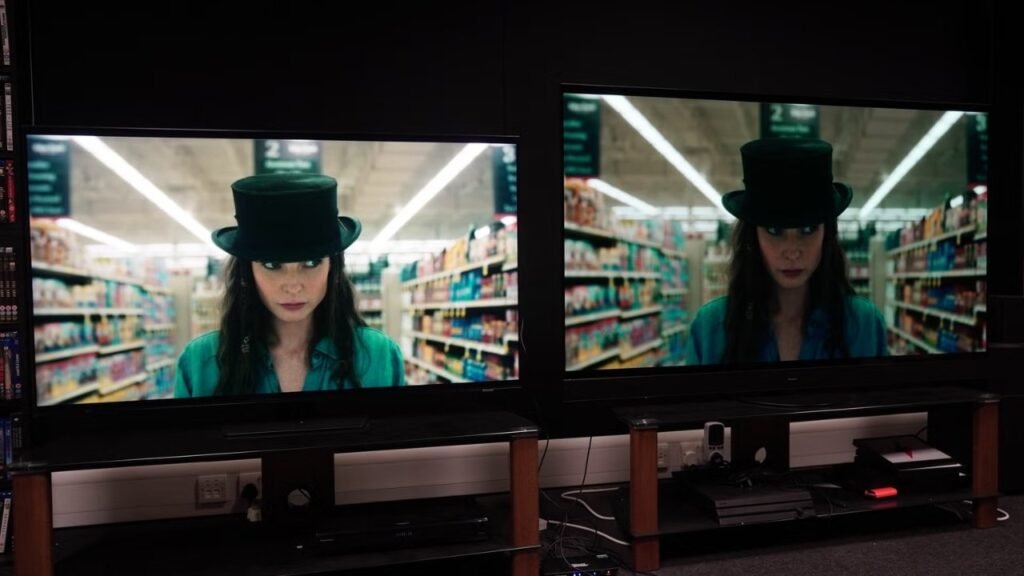
장점
| 이점 | 중요한 이유 |
| 초기 비용 절감 | 소규모 예산에 적합 |
| 높은 픽셀 밀도 | 근거리에서 선명한 이미지 |
| 광범위하게 사용 가능 | 공급업체 찾기 용이 |
| 가까이에서 보이는 픽셀 없음 | 조리대 또는 선반 디스플레이에 적합 |
단점
| 단점 | 중요한 이유 |
| 타일링 시 베젤이 보이는 경우 | 이미지가 깨져 몰입감이 떨어짐 |
| 낮은 밝기(300-700니트) | 실외에서 사용할 수 없습니다. |
| 수명 단축(50,000시간) | 더 빨리 교체 필요 |
| 시간이 지남에 따라 백라이트가 저하됨 | 색상이 고르지 않게 됨 |
| 시야각이 좋지 않은 경우 | 색상이 중심에서 벗어나는 경우 |
LED 디스플레이의 장단점(상업용)
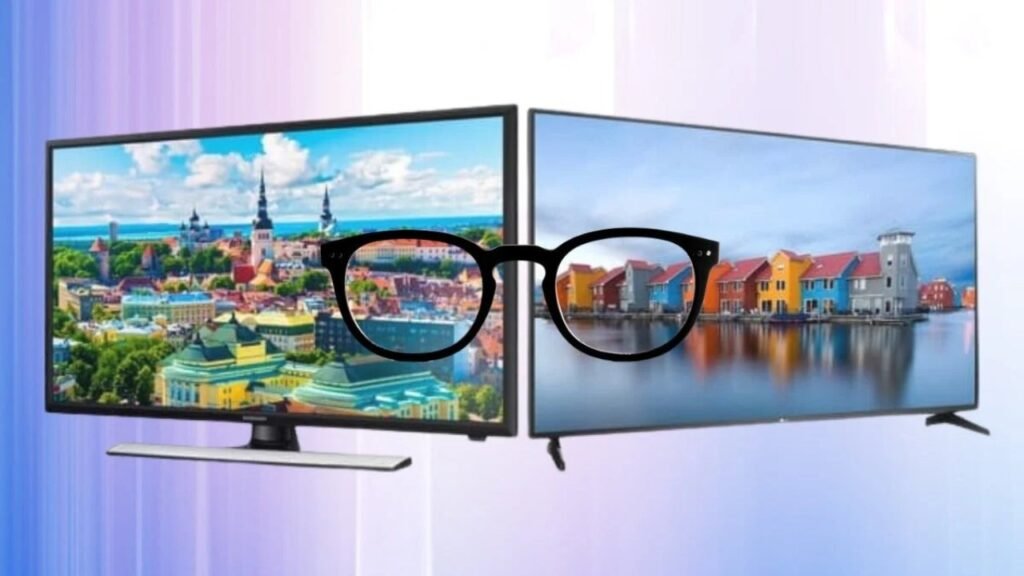
장점
| 이점 | 중요한 이유 |
| 원활한 접합 | 하나의 연속 이미지 - 몰입감 넘치는 이미지 |
| 고휘도(1,000 - 6,000니트 이상) | 직사광선 아래서 잘 보입니다. |
| 긴 수명(10만 시간 이상) | 총 소유 비용 절감 |
| 실외 등급(IP65 사용 가능) | 비, 먼지, 열을 견뎌냅니다. |
| 모듈식 설계 | 손쉬운 수리 - 패널 하나만 교체 |
| 유연한 모양 | 곡면, 바닥, 천장 또는 사용자 지정 크기 |
단점
| 단점 | 중요한 이유 |
| 더 높은 초기 비용 | 더 큰 규모의 초기 예산 필요 |
| 최소 시청 거리 | 아주 가까이서 보기에는 적합하지 않습니다(픽셀 피치에 따라 다름). |
| 전문적인 설치가 필요합니다. | DIY 프로젝트가 아닙니다. |
비즈니스에 어떤 것을 선택해야 할까요?
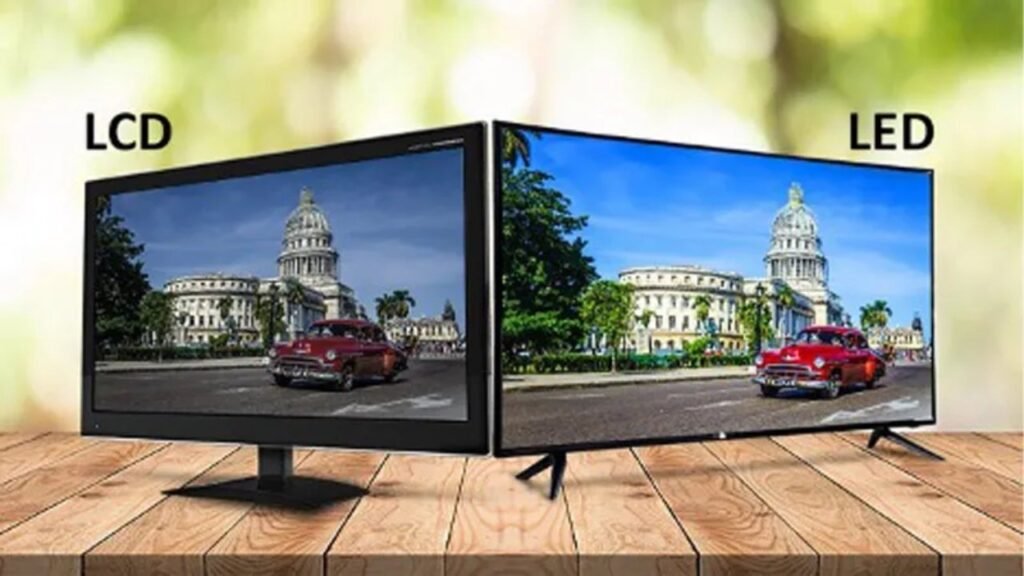
이 간단한 의사 결정 흐름을 사용하세요:
| 시나리오 | 권장 디스플레이 | 왜 |
| 옥외 광고판 또는 고속도로 표지판 | LED | 밝기 및 내후성 |
| 콘서트 무대 또는 이벤트용 대여 | LED | 원활하고 빠른 설정, 높은 효과 |
| 쇼핑몰 중심 | LED | 몰입형, 베젤 없음 |
| 교회 성소 화면 | LED | 긴 수명, 밝고 안정적인 |
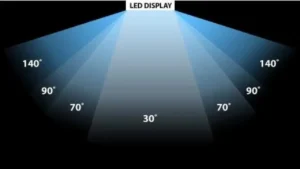
| 스포츠 경기장 전광판 | LED | 고휘도, 넓은 시야각 |
| 소매점 진열대 디스플레이(소형, 실내) | LCD | 저렴한 비용, 클로즈업 보기 |
| 레스토랑 메뉴판(소형, 실내) | LCD | 충분히 좋고, 저렴합니다 |
| 회의실 디스플레이(단일 화면) | LCD | 소규모 그룹에 적합 |
| 실외 또는 밝은 실내의 모든 장소 | LED | 협상 불가 - LCD가 작동하지 않음 |
대부분의 상업용 프로젝트에 최종 권장됩니다:
옥외 광고, 대규모 이벤트, 경기장 및 높은 밝기나 매끄러운 비주얼이 필요한 모든 분야에 적합합니다. LED는 탁월한 선택입니다. 가까이서 보는 작은 실내 표지판의 경우 LCD로 충분할 수 있습니다.
결론
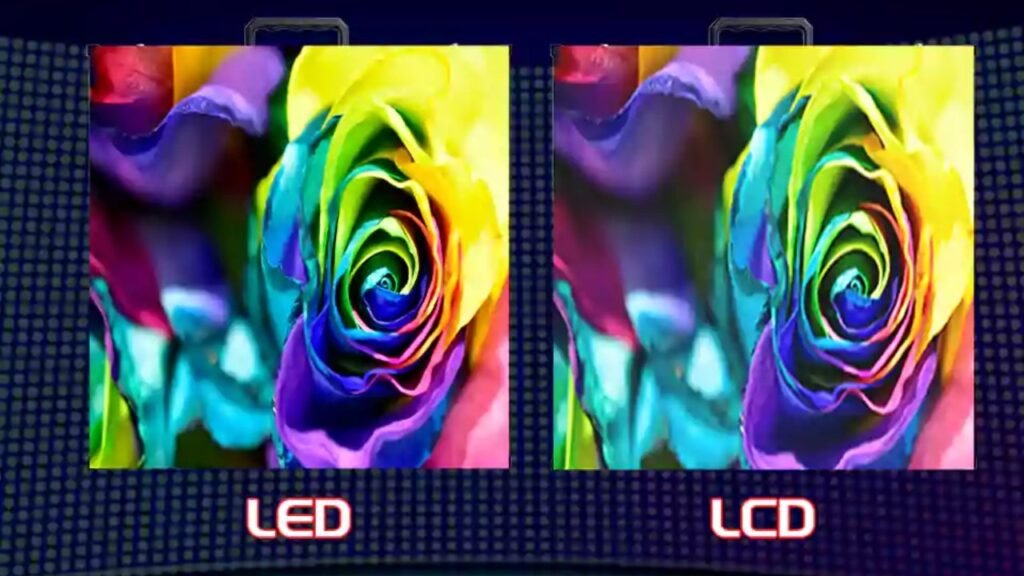
대부분의 상업용 애플리케이션, 특히 옥외 광고, 대규모 이벤트 및 주변 조도가 높은 환경에서는 LED 디스플레이가 탁월한 선택입니다. 더 높은 밝기, 매끄러운 접합, 더 나은 장기적 내구성을 제공합니다.
비즈니스 사이니지 또는 이벤트 비주얼을 업그레이드할 준비가 되셨나요?
에서 IVANLED, 는 고품질의 상업용 LED 디스플레이 솔루션을 제공하는 전문 기업입니다. 문의하기 를 클릭해 특정 프로젝트에 대한 무료 견적을 받아보세요.
상업용 구매자를 위한 자주 묻는 질문
Q1: 실외에서 LCD 비디오 월을 사용할 수 있나요?
A: 대부분의 LCD는 충분히 밝지 않고(300-700니트) 내후성이 부족합니다. 최소 4,000~6,000니트, IP65 등급의 실외용 LED 디스플레이가 필요합니다.
Q2: 상업용 LED 디스플레이의 수명은 어떻게 되나요?
A: 일반적으로 100,000시간 - 11년 이상 24시간 연중무휴로 운영되고 있습니다.
Q3: LCD 비디오 월은 끊김이 없나요?
A: 아니요. “좁은 베젤” LCD도 화면 사이에 3.5mm ~ 5.5mm의 간격이 있습니다. LED 디스플레이는 완전히 매끄럽습니다.
Q4: 5년 광고판 대여 시 어느 것이 더 비용 효율적인가요?
A: LED. 초기 비용은 더 높지만, 전기 요금이 저렴하고 유지 관리가 최소화되며 수명이 길어 5년 이상 사용하면 LED가 더 저렴해집니다.
Q5: 이벤트 스테이지에 필요한 픽셀 피치는 어느 정도인가요?
A: 관객이 5미터 이상 떨어져 있는 무대의 경우, P3.9 또는 P4.8 가 표준입니다. 가까이서 보려면(2~3미터), 다음을 선택합니다. P2.5 이하.
Q6: IVANLED는 설치 서비스를 제공하나요?
A: 예. 설치 가이드와 기술 지원을 제공하며 북미와 멕시코의 현지 설치업체와 연결해 드립니다.